Smart Carb Loading for Peak Performance

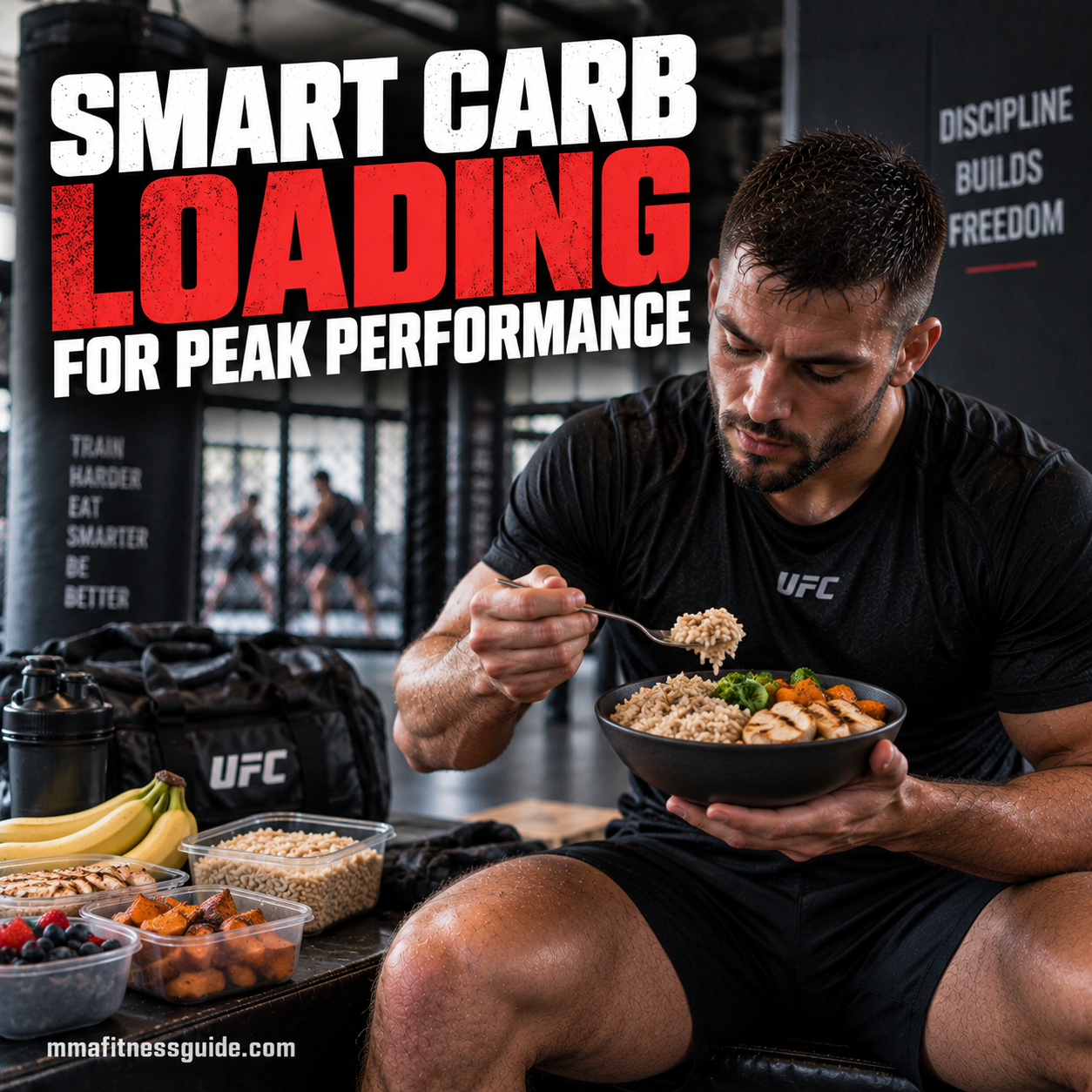
MMA fighter eating a carbohydrate-rich meal of rice, chicken, and vegetables after training to replenish glycogen.
Strategic carbohydrate intake helps MMA fighters replenish muscle glycogen and prepare for demanding training sessions.

A fighter can complete several rounds of technical drilling without feeling exhausted, then struggle to maintain the same pace during hard sparring. Repeated takedowns become slower, combinations lose their sharpness, and recovery between rounds takes longer.

Accumulated fatigue has several causes, but inadequate carbohydrate availability can contribute, particularly when athletes train multiple times per day or restrict food intake to make weight.

Carbohydrates replenish muscle glycogen, the stored fuel used heavily during repeated high-intensity efforts. Increasing carbohydrate intake before demanding training or competition can help athletes begin those sessions with sufficient energy reserves.

However, carbohydrate loading is not simply eating larger portions of rice or pasta the night before a fight. It requires planning around training volume, digestive tolerance, hydration, and weigh-in requirements.

For MMA athletes, the objective is to maintain adequate glycogen availability without creating unnecessary gastrointestinal discomfort or unexpected changes in body weight.

Continue reading “Smart Carb Loading for Peak Performance”


MMA Eat for Muscle Gain Without Bulking Too Much

MMA fighter eating a balanced meal of grilled chicken, rice, and vegetables after training to support gradual muscle gain.
Adequate protein, carbohydrates, and a controlled calorie surplus can help MMA fighters build muscle while managing body weight.

Adding five pounds of muscle might help a fighter improve strength in the clinch, generate more force during takedowns, or maintain control on the ground. However, gaining weight too quickly can also change how an athlete moves, increase the energy required for certain activities, and complicate weight-class management.

Unlike bodybuilding, MMA requires athletes to balance muscle development with conditioning, mobility, technical skills, and competition weight. Additional muscle is only useful when it contributes to performance without creating problems elsewhere.

The goal is to gain muscle gradually while maintaining the ability to train, recover, and compete effectively. A modest calorie surplus, adequate protein, sufficient carbohydrates, and progressive strength training provide a practical starting point.

The following nutrition strategies can help fighters increase muscle mass while monitoring body weight, conditioning, and performance throughout the process.

Continue reading “MMA Eat for Muscle Gain Without Bulking Too Much”

The Truth About Energy Drinks for Fighters

MMA fighter drinking an energy drink after training in a combat sports gym, with several energy drink cans and training equipment nearby.
Energy drinks may temporarily improve alertness, but caffeine intake and timing can affect a fighter’s sleep, recovery, and training routine.

It’s 6 p.m., you’ve already put in a full day at work, and sparring starts in 30 minutes. You’re exhausted, so you grab an energy drink on the way to the gym. Twenty minutes later, you feel more alert and ready to train. But when it’s time to sleep, you’re still wide awake—and tomorrow’s morning session is only a few hours away.

Energy drinks can temporarily improve alertness and reduce perceived fatigue, largely because of their caffeine content. However, the same stimulation that helps you push through a demanding workout can interfere with sleep, increase jitters, or mask how tired you actually are. For MMA fighters, boxers, and grapplers balancing intense training with weight management and recovery, those trade-offs deserve attention.

The real question isn’t whether energy drinks work—it’s whether their short-term benefits fit your overall training and recovery needs. Caffeine dose, timing, individual tolerance, and the ingredients in each drink all influence the outcome. Knowing when an energy drink might be useful, when it could interfere with recovery, and when food, hydration, or rest would serve you better can help you make more informed choices before your next session.

Continue reading “The Truth About Energy Drinks for Fighters”

MMA: Improve Digestion Naturally

MMA fighter eating a balanced meal with lean protein, vegetables, and whole foods to support digestive health.
Balanced meals, proper hydration, and smart meal timing can help MMA fighters support digestion and reduce stomach discomfort during training.

Introduction

Digestive health plays a bigger role in MMA performance than many fighters realize. You can follow a carefully planned diet, hit your protein targets, and consume enough calories, but persistent stomach discomfort can still make training miserable.

Imagine eating a large meal an hour before wrestling practice. During warm-ups, your stomach feels heavy. Once takedown drills begin, you experience bloating, nausea, or acid reflux. Instead of concentrating on technique, you’re thinking about getting through the session without feeling sick.

Digestive problems can also appear outside the gym. Irregular bowel movements, poor appetite after intense training, and discomfort during weight management can interfere with a fighter’s daily routine.

Fortunately, many everyday digestive complaints can improve through adjustments to meal timing, food selection, hydration, and eating habits.

However, not every digestive problem is caused by lifestyle. Persistent symptoms can indicate food intolerances, gastrointestinal conditions, medication effects, or other medical issues that require evaluation.

This guide explains how MMA fighters can support digestion naturally, reduce training-related stomach discomfort, and build practical nutrition habits that support consistent performance.

Continue reading “MMA: Improve Digestion Naturally”

Common Nutrition Mistakes in Combat Sports

Exhausted MMA fighter sitting in a gym surrounded by fast food, energy drinks, and supplements, illustrating common nutrition mistakes in combat sports.
Poor fueling habits, inadequate hydration, and over-reliance on supplements can undermine a fighter’s training and recovery.

You show up to training, push through exhausting rounds, and put in the work—but halfway through sparring, your energy crashes. Your punches feel slower, your grip weakens, and recovery takes longer than it should. The problem might not be your conditioning. It could be what you’re eating, how much you’re eating, or when you’re fueling your body.

Combat sports demand a careful balance of energy, strength, endurance, and weight management. Skipping meals to stay lean, avoiding carbohydrates, neglecting hydration, or relying too heavily on supplements can undermine even the most disciplined training routine. These habits may seem harmless individually, but over time, they can contribute to fatigue, poor recovery, and declining performance.

Better nutrition doesn’t require a complicated diet or extreme restrictions. It starts with recognizing the everyday mistakes that leave fighters under-fueled and replacing them with consistent habits that support training, recovery, and long-term health.

Continue reading “Common Nutrition Mistakes in Combat Sports”

Meal Prep Training Tips for Busy Fighters

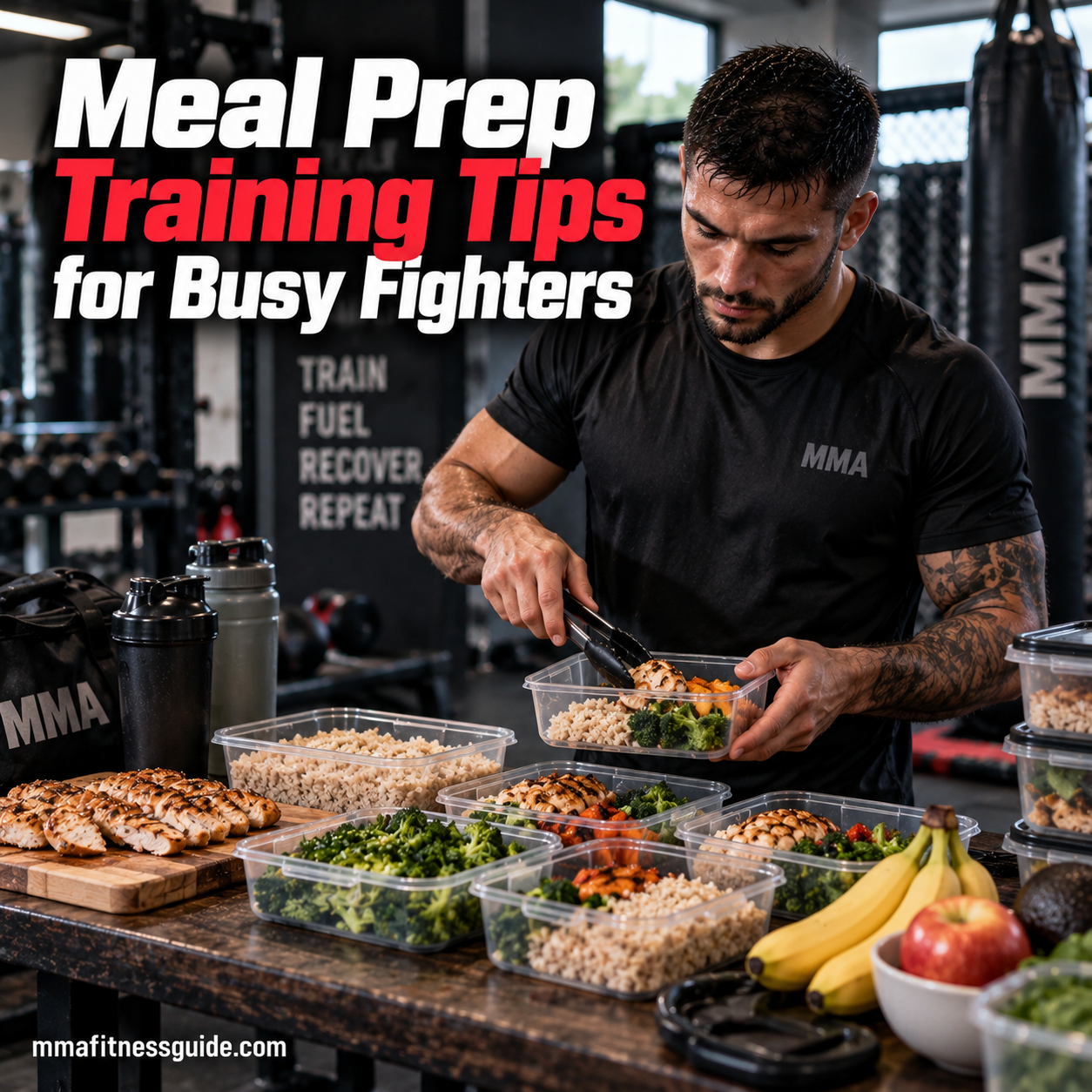
MMA fighter preparing high-protein meals with grilled chicken, rice, broccoli, and vegetables in meal prep containers.
Preparing balanced meals ahead of time helps busy fighters maintain consistent nutrition and support recovery between training sessions.

You finish work at 5 p.m., rush to the gym for two hours of MMA training, and get home exhausted with nothing ready to eat. Dinner becomes whatever is quickest—a drive-through meal, a protein shake, or nothing at all. Repeat that routine several times a week, and inconsistent fueling can start affecting your energy, recovery, and training quality.

For fighters juggling jobs, family responsibilities, and demanding training schedules, preparing food ahead of time can make the difference between eating enough and regularly missing meals. A few containers of cooked chicken, rice, vegetables, and ready-to-eat snacks can eliminate the need to cook from scratch after every session.

Meal prep doesn’t mean eating identical meals seven days a week or following a rigid diet. Cooking a few staple ingredients twice a week, adjusting portions around training intensity, and keeping convenient backup meals available can help you stay fueled without spending hours in the kitchen. The goal is simple: have food ready when your schedule gets hectic, so nutrition supports your training instead of becoming another daily obstacle.

Continue reading “Meal Prep Training Tips for Busy Fighters”

The Role of Omega-3s in Recovery

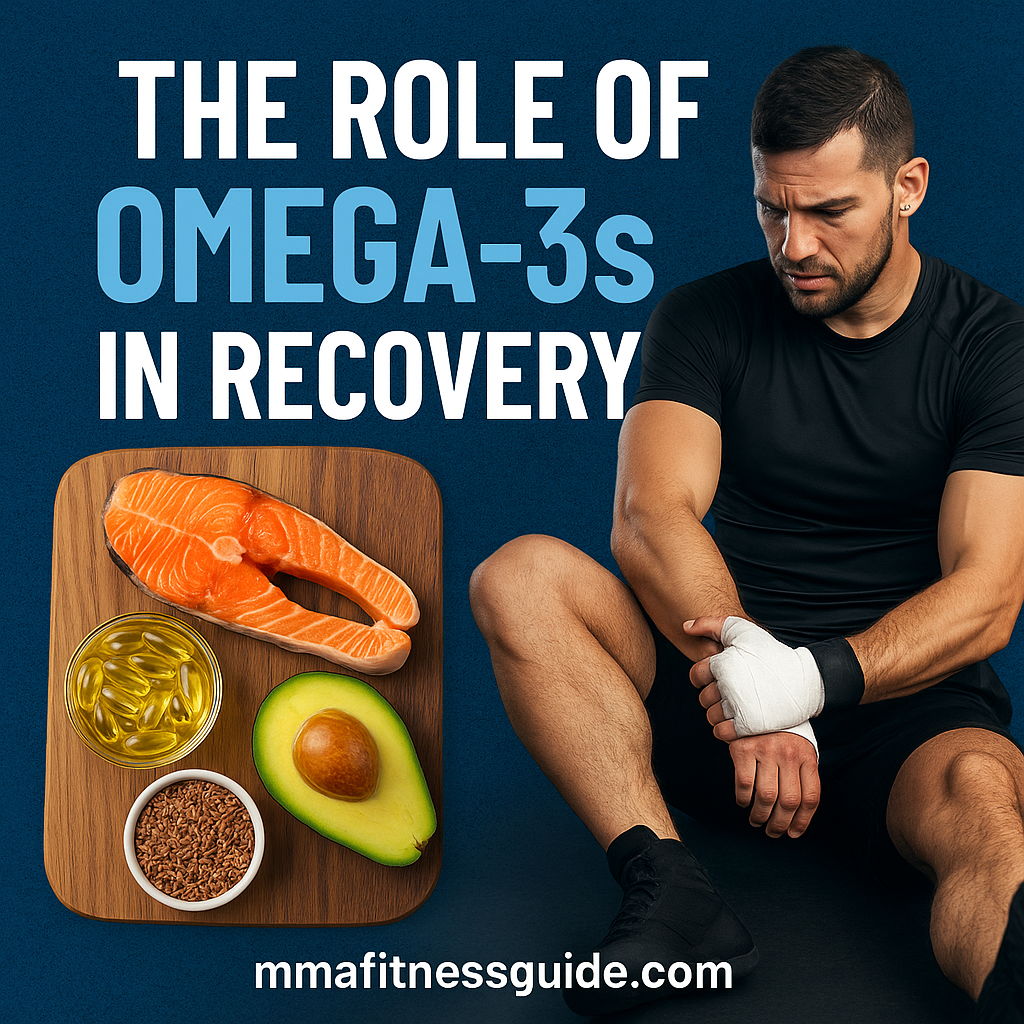
Main image showing a male athlete wrapping his wrist beside a cutting board of omega-3 foods, illustrating the role of omega-3s in recovery.
A male athlete sits beside omega-3-rich foods, highlighting how omega-3s support recovery.

Why Omega-3s Matter for MMA Athletes

Recovery is where real progress happens in MMA. Hard training breaks the body down — recovery rebuilds it stronger. Omega-3 fatty acids are one of the most powerful nutrition tools for reducing inflammation, boosting joint health, sharpening mental clarity, and supporting long-term performance.

Most fighters focus on protein, electrolytes, and carbs for recovery. Omega-3s often get overlooked, yet they play a direct role in how fast you bounce back between grappling rounds, striking sessions, and strength work.

Understanding how these fatty acids work can give you a serious edge.

Continue reading “The Role of Omega-3s in Recovery”

Hydration Hacks for Tournament Days

A tan-skinned female athlete standing in an MMA gym with a towel around her neck and holding a blue water bottle, shown with the title “Hydration Hacks for Tournament Days” and the mmafitnessguide.com watermark.
A focused MMA athlete holding a water bottle in the gym, representing smart hydration strategies for tournament day performance.

Tournament days hit differently. The pace is faster, the nerves are higher, and the physical demands can spike without warning. Whether you’re competing in MMA, BJJ, wrestling, or striking events, proper hydration can make the difference between staying sharp or fading early.

Hydration is more than just drinking water — it’s managing fluids, electrolytes, timing, and energy throughout the entire day. These simple hydration hacks will help you stay ready, focused, and performing at your best from warm-up to finals.

Continue reading “Hydration Hacks for Tournament Days”

MMA: Avoid Crashing After Cutting Weight

A tan-skinned blonde female athlete standing in an MMA gym holding a sports drink, wearing colored shorts, with the article title “MMA Avoid Crashing After Cutting Weight” and the mmafitnessguide.com watermark.
MMA athlete holding a sports drink after training, symbolizing smart post–weight cut recovery and hydration strategies.

Cutting weight is one of the hardest parts of a fighter’s journey — physically, mentally, and emotionally. But the biggest danger isn’t always the cut itself.

It’s what happens after the weigh-in.

Many fighters experience the post-cut crash:

  • Extreme fatigue
  • Brain fog
  • Weakness
  • Stomach discomfort
  • Emotional drop-offs
  • Poor fight-night performance

The good news? Crashing isn’t guaranteed. With the right rehydration and refueling plan, you can stabilize energy, restore strength, and feel sharp when you step into the cage.

This guide shows you how to avoid the crash and recover the right way after cutting weight.

Continue reading “MMA: Avoid Crashing After Cutting Weight”

Managing Weight Between Fights

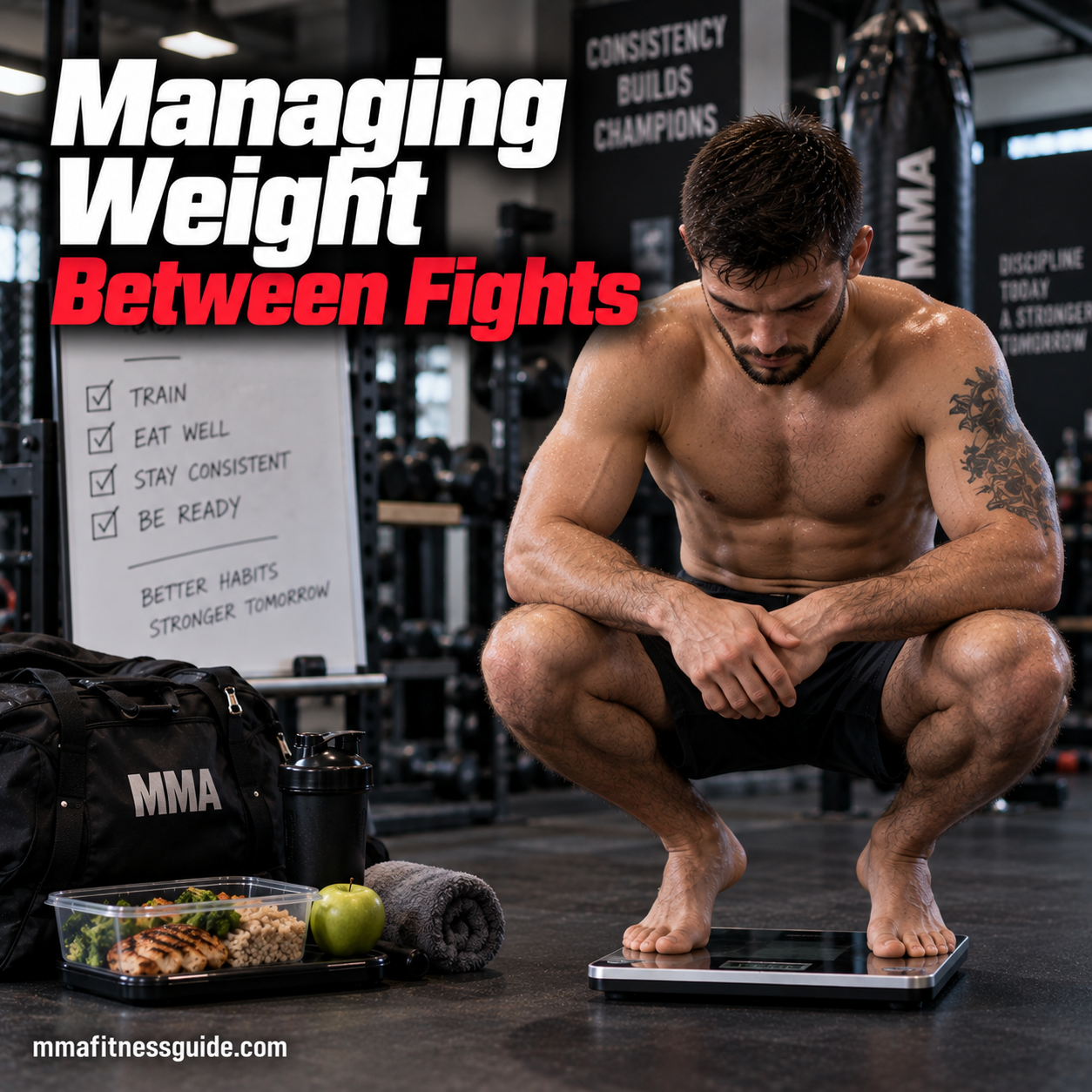
MMA fighter checking his weight on a digital scale in a gym, with a prepared meal, water bottle, and training equipment nearby.
Maintaining a healthy walking weight through consistent nutrition and training can reduce pressure to make drastic weight changes before competition.

The fight is over, the weigh-in pressure is gone, and you can finally enjoy meals without counting every calorie. A few days later, the scale jumps as your body replenishes fluids and glycogen. But when a few relaxed days turn into months of inconsistent eating and reduced training, you might enter your next fight camp carrying considerably more weight than expected.

For MMA fighters, boxers, and other combat athletes, the time between competitions is an opportunity to recover, rebuild strength, and establish sustainable nutrition habits. Staying at an appropriate walking weight can reduce the pressure to pursue aggressive weight cuts while allowing enough food and recovery to support productive training.

The goal isn’t to stay at fight weight year-round or restrict yourself after every meal. It’s to maintain a healthy, manageable weight that fits your body, training demands, and competition schedule. Consistent eating habits, appropriate training, and realistic weight targets can make the transition into your next fight camp less stressful without sacrificing strength or recovery.

Continue reading “Managing Weight Between Fights”