MMA: Prevent Overtraining in MMA

A tired MMA athlete sitting against the padded gym wall with his hands wrapped, representing the importance of preventing overtraining in mixed martial arts.
A fatigued fighter resting against the gym wall, illustrating the need for smart training habits to avoid overtraining in MMA.

Overtraining is one of the biggest threats to a fighter’s long-term progress. When training volume, intensity, and stress stack up faster than your body can recover, performance drops — sometimes sharply.
For beginners and experienced fighters alike, learning how to recognize and prevent overtraining is essential for staying healthy, improving consistently, and avoiding unnecessary injuries.

Overtraining isn’t about being “weak” or “unmotivated.” It’s a physiological state where your body can’t keep up with the workload. The best fighters train hard — but they also train smart. This guide shows you how.

Continue reading “MMA: Prevent Overtraining in MMA”

Breathing Techniques for Better Cardio

A man standing inside an MMA gym practicing a breathing technique, used to illustrate how proper breathing improves cardio for combat sports.
A fighter demonstrating controlled breathing inside an MMA gym, representing the cardio-focused techniques covered in this guide.

Breathing is one of the most overlooked skills in MMA — yet it’s one of the most important factors in endurance, striking power, recovery, and overall fight performance. Poor breathing leads to early fatigue, sloppy technique, and slower reactions. Proper breathing helps you stay calm under pressure, maintain rhythm, and push harder for longer.

Whether you’re sparring, rolling, hitting pads, or grinding through conditioning, learning to breathe efficiently will dramatically improve your cardio.

Continue reading “Breathing Techniques for Better Cardio”

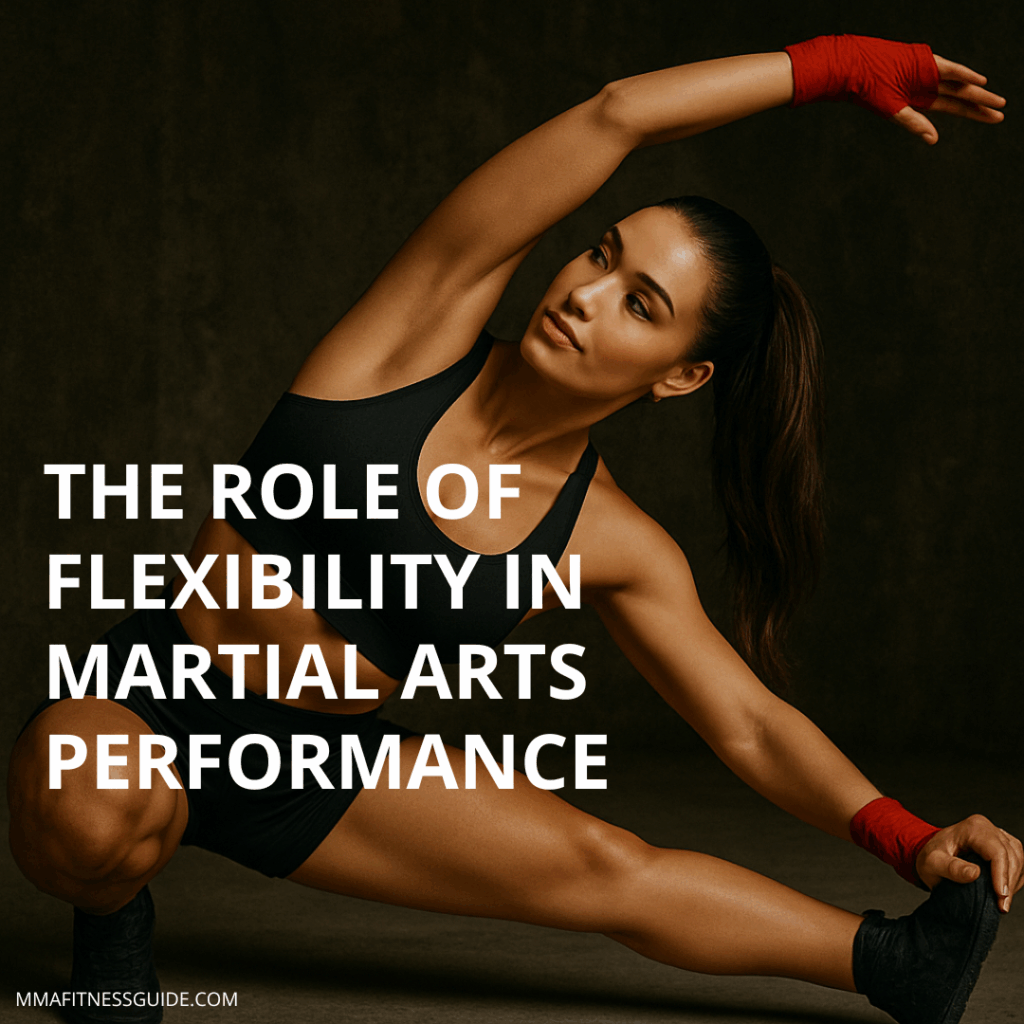
The Role of Flexibility in Martial Arts Performance

A focused female mixed martial artist performs a deep side stretch in a dark, gritty gym setting, highlighting her strength, flexibility, and red hand wraps.
A mixed martial arts athlete stretches, showing strength and flexibility.

Flexibility isn’t just about high kicks or flashy movements — it’s a foundational part of martial arts performance. Whether you’re striking, grappling, or transitioning between positions, flexibility helps you move efficiently, avoid injury, and maintain control under pressure.

Continue reading “The Role of Flexibility in Martial Arts Performance”

Improving Reaction Time in MMA

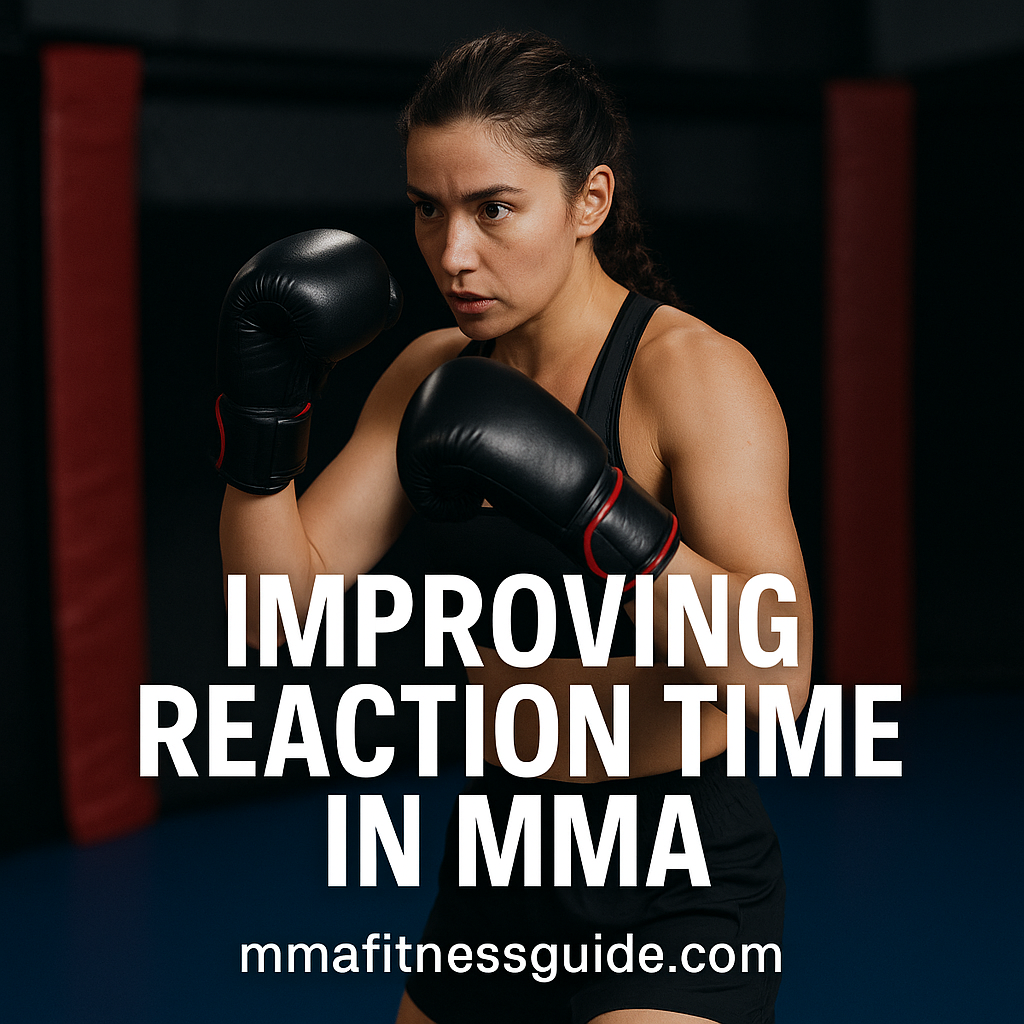
Female MMA fighter practicing defensive movements to improve reaction time in a gym setting.
Female MMA athlete training reaction speed during shadowboxing.

Reaction time can be the difference between slipping a punch or eating it. Whether you’re counterstriking, defending takedowns, or finding openings during scrambles, faster reactions make every technique sharper and every decision smarter. The good news? Reaction time isn’t genetic destiny — it’s a trainable skill.

Continue reading “Improving Reaction Time in MMA”

Grip Strength Workouts for Grapplers

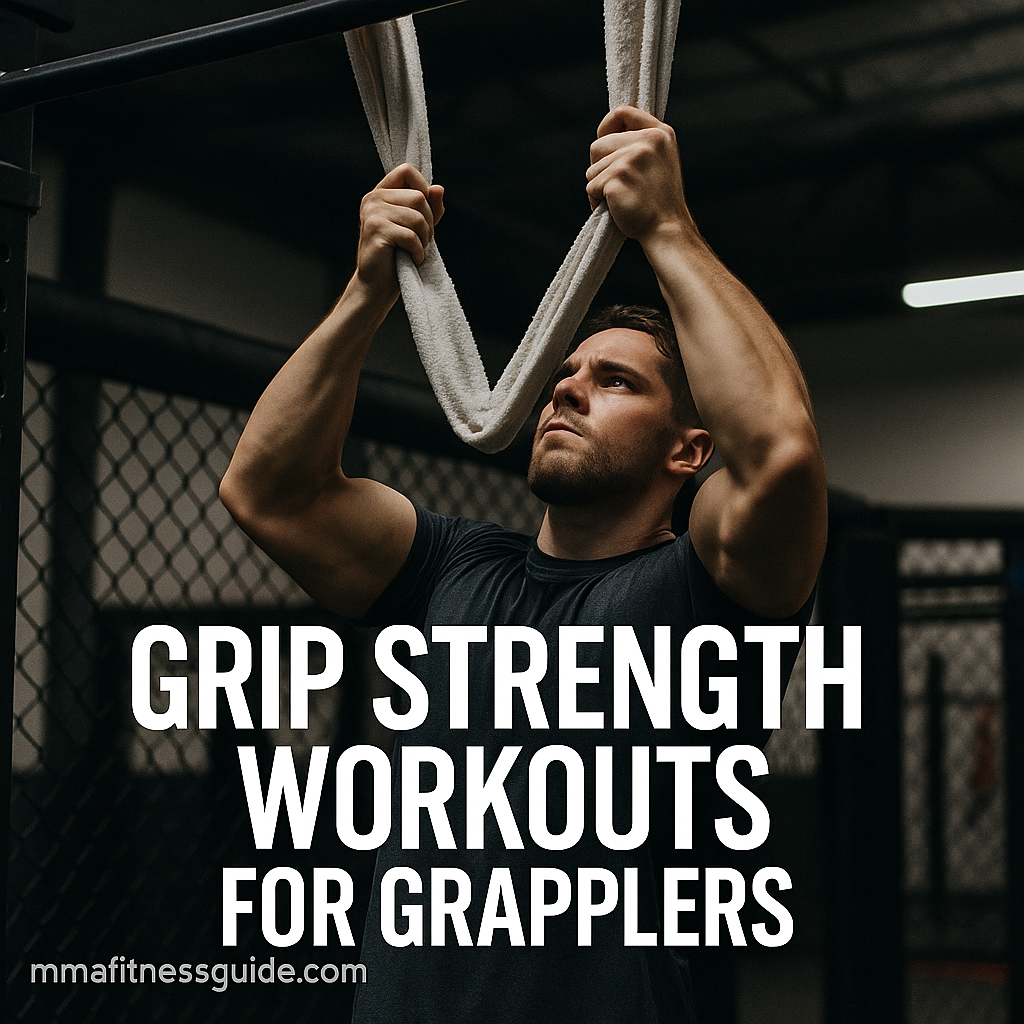
A muscular male grappler performing towel pull-ups in an MMA gym, with the title “Grip Strength Workouts for Grapplers” displayed.
A grappler developing powerful hand and forearm strength through towel pull-ups—an essential workout for stronger grips in MMA and BJJ.

Introduction

Grappling lives and dies by grip strength. Whether you’re controlling wrists, locking a body lock, finishing a choke, maintaining sleeve grips, or holding onto a single leg — your grip determines who controls the exchange.

The stronger your hands, fingers, and forearms are, the easier it becomes to dominate scrambles, maintain positions, and secure submissions. Grip strength isn’t just “nice to have” — it is a core skill for every grappler.

Here’s how to build world-class grip strength with workouts that translate directly to MMA, wrestling, and BJJ.

Continue reading “Grip Strength Workouts for Grapplers”

Top Functional Fitness Exercises for Combat Sports

Fit female MMA athlete performing a kettlebell swing in the gym, with the title “Top Functional Fitness Exercises for Combat Sports” displayed.
A fighter using functional fitness movements to build explosive, fight-ready strength.

Introduction

Functional fitness is one of the most effective ways to build real fight-ready strength. Instead of focusing on isolated muscle exercises, functional work trains your entire body to move with power, stability, and efficiency — just like you need in the cage. Whether you’re an amateur or seasoned fighter, these exercises boost your explosiveness, balance, and all-around athleticism.

Here are the top functional movements every combat athlete should include in their routine.

Continue reading “Top Functional Fitness Exercises for Combat Sports”

Why Recovery Days Boost Performance

Male MMA athlete resting on the mats with a towel and water bottle, with the title “Why Recovery Days Boost Performance” displayed.
A fighter taking a recovery day to restore energy, reduce soreness, and boost long-term performance.

Introduction

Hard training is only half of the performance equation. The other half — the one most fighters ignore — is recovery. Without rest days, your body can’t rebuild, your nervous system stays overloaded, and your technique starts slipping. Recovery days aren’t a sign of weakness. They’re a smart part of training that helps you feel sharper, stronger, and more explosive.

Here’s why recovery days matter and how to use them to boost your performance.

Continue reading “Why Recovery Days Boost Performance”

Balancing Strength and Speed for Fighters

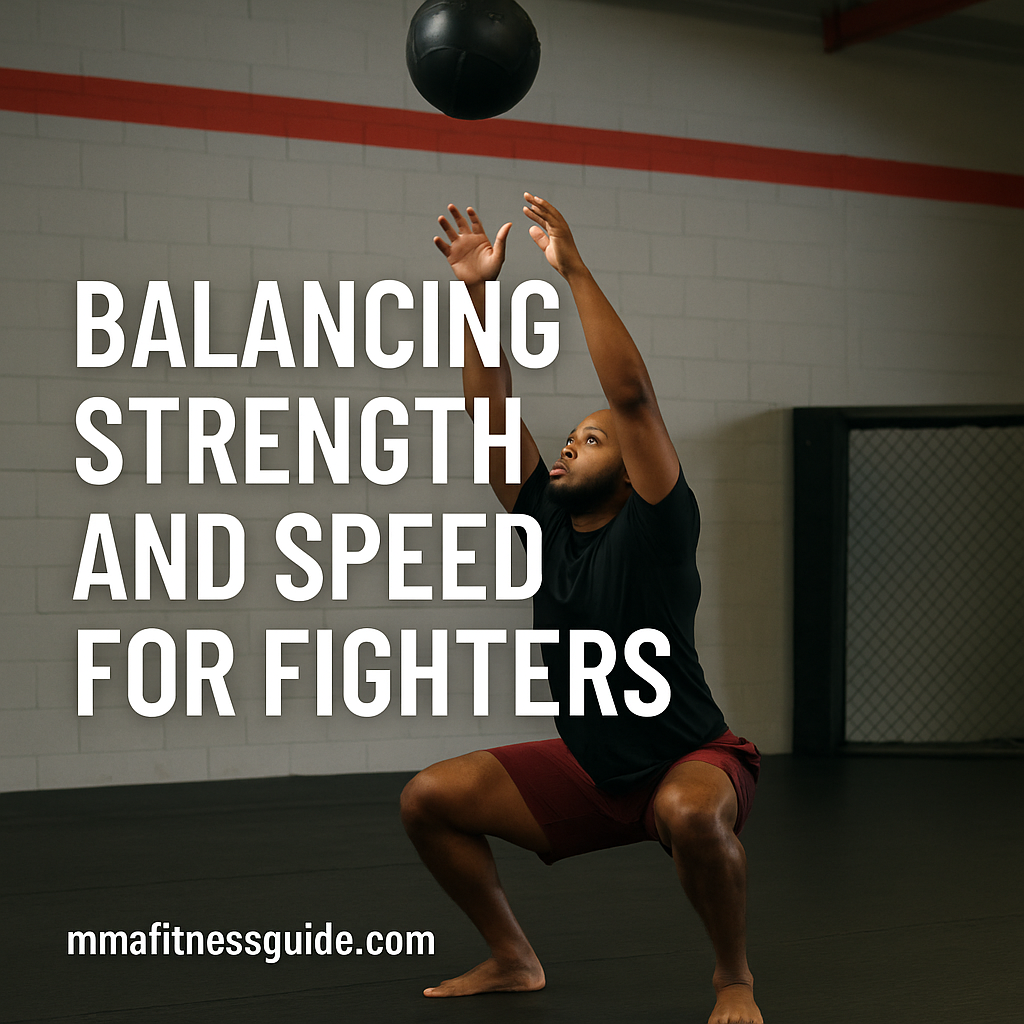
Male MMA athlete performing an explosive medicine-ball drill with the title “Balancing Strength and Speed for Fighters” displayed.
A fighter working on developing the right balance of strength and speed for MMA performance.

Introduction

In MMA, strength and speed work together. You might be strong, but if you’re slow, opponents can outmaneuver you. And you might be fast, but without strength, your strikes and takedowns won’t carry enough power. The key is to train both — without letting one take away from the other.

Balancing strength and speed isn’t complicated. With the right structure and a few smart adjustments, you can improve both qualities at the same time and feel more explosive in every aspect of your game.

Continue reading “Balancing Strength and Speed for Fighters”

MMA Track Progress in MMA Training

Female MMA athlete sitting on the gym mats writing in a notebook with the title “Track Progress in MMA Training” displayed.
A fighter reviewing her training notes to track progress and stay consistent.

Introduction

One of the hardest parts of MMA training is knowing whether you’re actually improving. Because the sport is fast and complex, progress can feel slow or invisible. But when you track your training in simple, consistent ways, you’ll start seeing patterns, strengths, and areas that need work. Tracking helps you stay motivated and shows you exactly how far you’ve come.

Below is a beginner-friendly guide to tracking your progress without making it complicated.

Continue reading “MMA Track Progress in MMA Training”

Endurance Circuits Used by Professional Fighters

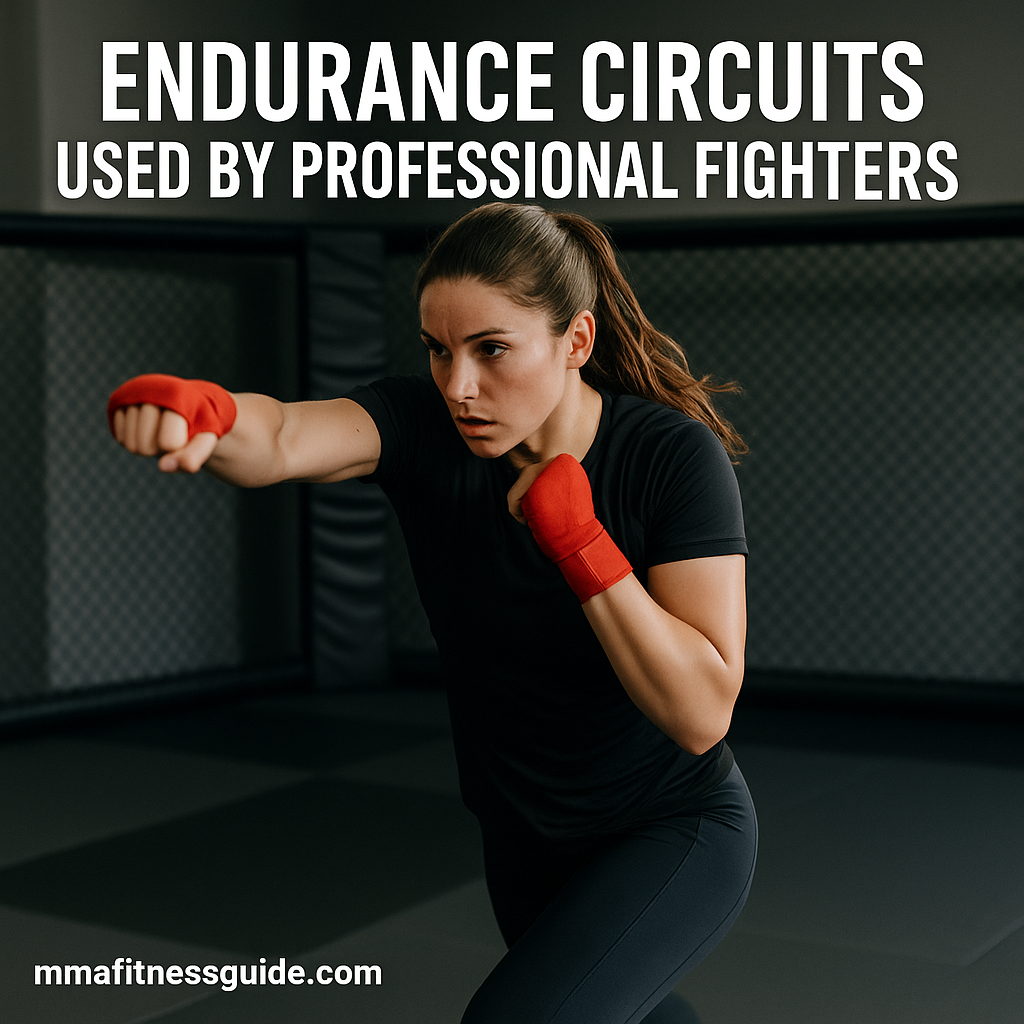
Female MMA athlete throwing a punch during a conditioning session with the title “Endurance Circuits Used by Professional Fighters” displayed on the image.
A fighter demonstrating a conditioning drill commonly used in professional endurance circuits.

Introduction

Endurance is one of the most important parts of MMA training. Fighters need cardio that lasts through hard rounds, fast scrambles, and intense striking exchanges. Many pros use circuit training because it builds both strength and conditioning without requiring long workouts.

The good news: you don’t need professional-level equipment to use these circuits. Most of them are simple, practical, and easy to follow for beginners and intermediate athletes.

Below are endurance circuits commonly found in fight camps, explained in a beginner-friendly way.

Continue reading “Endurance Circuits Used by Professional Fighters”