When the Bell Doesn’t Go Your Way
Every fighter knows the sting of defeat.
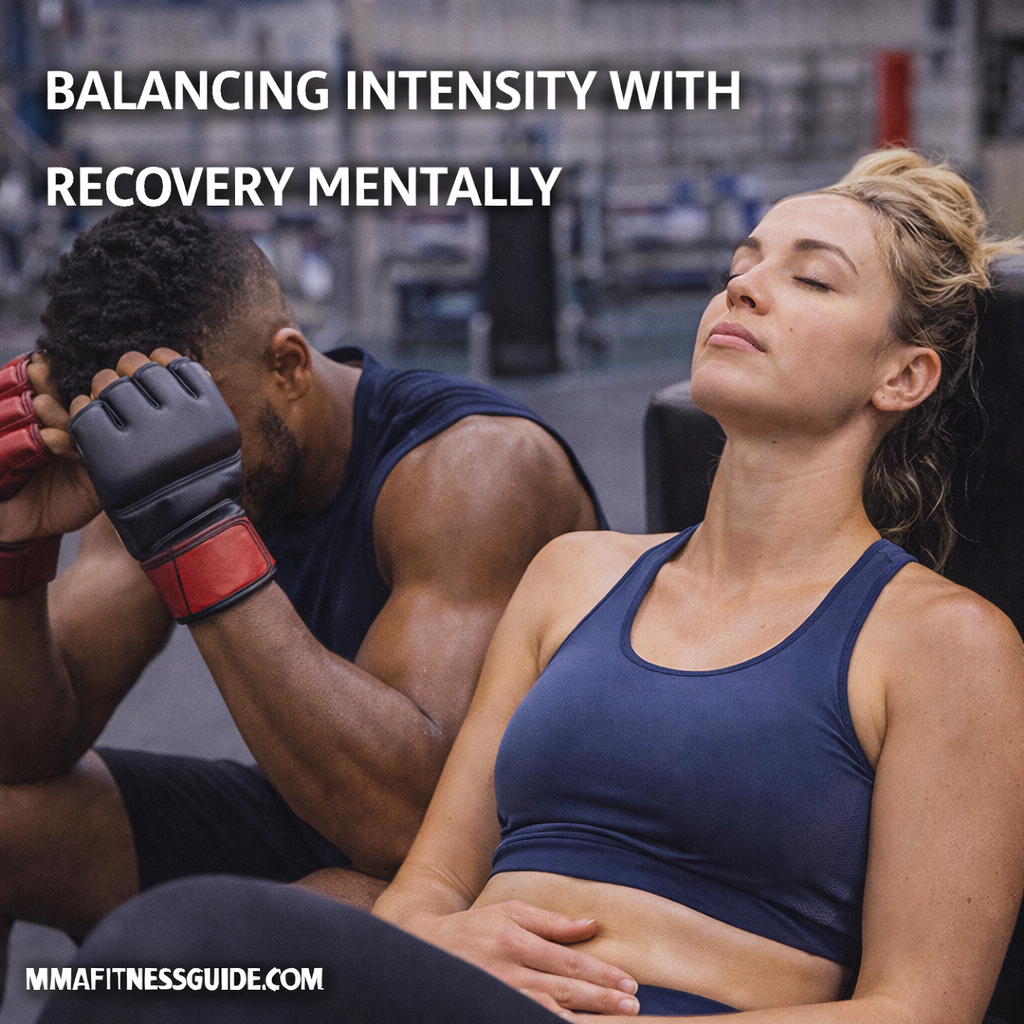
It’s not just physical pain — it’s the emotional weight that comes after the final bell.
But here’s the truth: losses are part of the journey, not the end of it.
The greatest champions — from Georges St-Pierre to Amanda Nunes — have all been there. What separates them isn’t a perfect record, but their ability to learn, adapt, and rise again.
Accepting Defeat as Part of Growth
Losing a fight can hit the ego hard. You question your training, your preparation, and sometimes even your worth. But defeat is also feedback — raw, honest, and valuable.
What to remember:
- A loss doesn’t define you — it refines you.
- Every setback is data. Analyze it, don’t dwell on it.
- Growth comes from discomfort; comfort never made a fighter better.
Taking ownership of a loss builds mental strength. Excuses slow growth — reflection fuels it.
Step 1: Reflect, Don’t Ruminate
After a loss, emotions are high. Give yourself a brief window to feel disappointed, then shift gears toward reflection.
Ask yourself:
- What went right? (Yes, even losses have wins.)
- What broke down — technique, conditioning, or mindset?
- What can I fix before the next camp?
Write it down. Seeing lessons on paper helps turn pain into purpose.
Step 2: Reconnect with Your “Why”
Motivation fades when your purpose gets blurry. Remember why you fight — whether it’s personal growth, self-discipline, or representing something bigger than yourself.
Reignite your drive by:
- Watching your early training videos to see how far you’ve come.
- Talking to teammates who remind you of your progress.
- Setting a small, tangible goal — like mastering a new technique.
Purpose keeps you moving when momentum stalls.
Step 3: Learn Without Ego
Losses expose blind spots. Maybe your cardio faded, your defense slipped, or your mindset cracked. The key is to approach the next training cycle with curiosity, not shame.
Do this instead:
- Ask your coach for honest critique — and listen without defense.
- Watch fight footage with a “student” mindset.
- Drill weaknesses until they become weapons.
Champions study losses the way scientists study experiments — not as failures, but as data for improvement.
Step 4: Surround Yourself with the Right People
Your circle shapes your comeback. After a tough defeat, the wrong voices can drag you down.
Stay close to:
- Coaches who tell the truth with empathy.
- Teammates who’ve been through losses themselves.
- Friends and family who remind you of life outside the cage.
Support systems prevent isolation — a common trap for fighters processing defeat.
Step 5: Take Care of Your Mind
Fighting is as mental as it is physical. Defeat often brings self-doubt, anxiety, or depression. Addressing those emotions is a sign of strength, not weakness.
Try these mental-health resets:
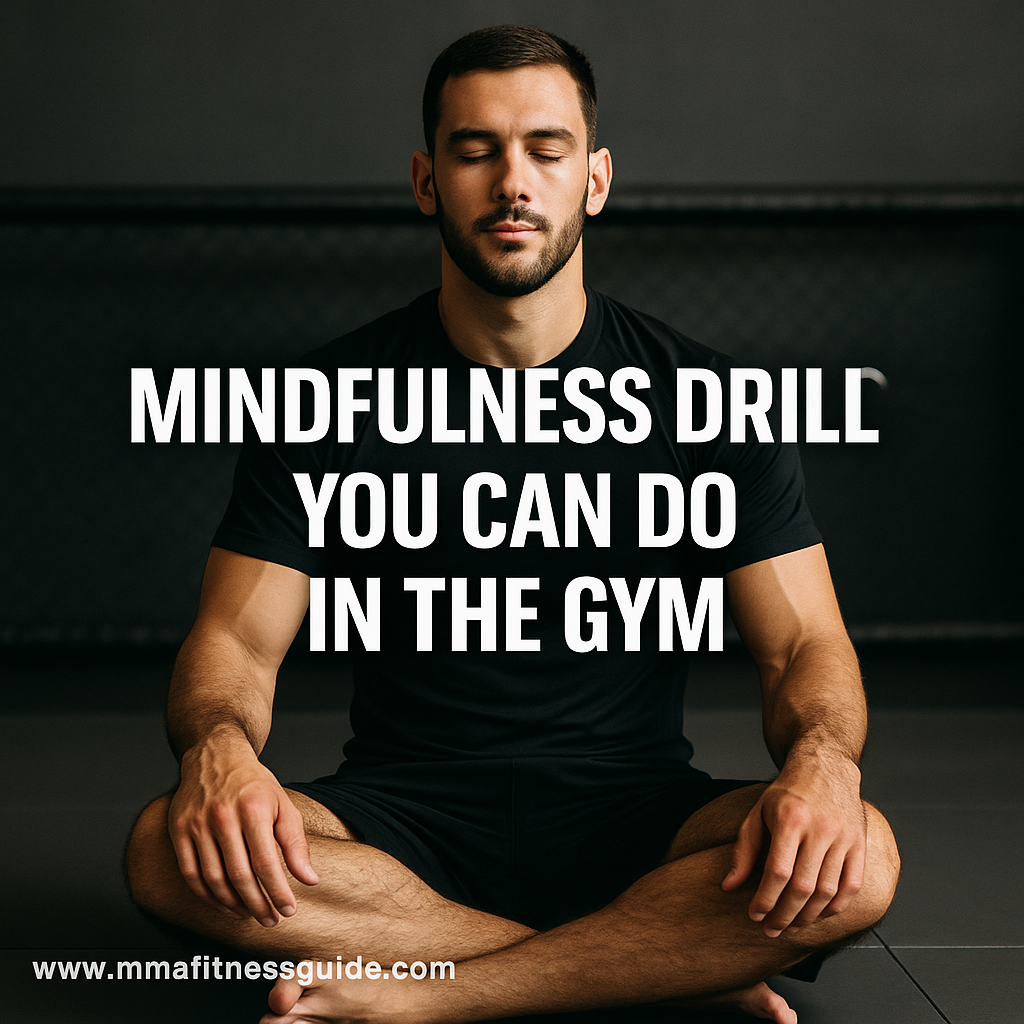
- Meditation or deep-breathing sessions.
- Talking with a sports psychologist or counselor.
- Journaling gratitude and daily progress.
- Spending time outside of fight culture — nature, hobbies, or family.
The mind is a muscle. Train it with care.
Step 6: Turn Defeat Into Fuel
Every great comeback begins with pain turned into power.
Use your loss as motivation, not memory.
- Visualize redemption — the rematch, the win, the personal best.
- Channel frustration into focused energy during training.
- Remember that fighters evolve fastest after defeat.
The grind is your therapy. The mat is your reset.
Step 7: Celebrate Progress, Not Perfection
Even small wins — consistent training, better diet, sharper defense — deserve recognition.
Focusing only on big victories makes the journey exhausting.
Weekly checkpoint:
- What did I do better this week?
- What mindset change am I proud of?
Progress builds confidence; confidence rebuilds momentum.
Key Takeaways
- Defeat doesn’t end your journey — it refines it.
- Reflect on lessons instead of ruminating on failure.
- Stay connected to your “why” and your support system.
- Care for your mental health with the same discipline as your body.
- Turn every setback into fuel for the next round.
As Anderson Silva said,
“You can’t be a champion without learning how to lose.”
Losses hurt — but they also sharpen, strengthen, and prepare you for your next victory.