Introduction
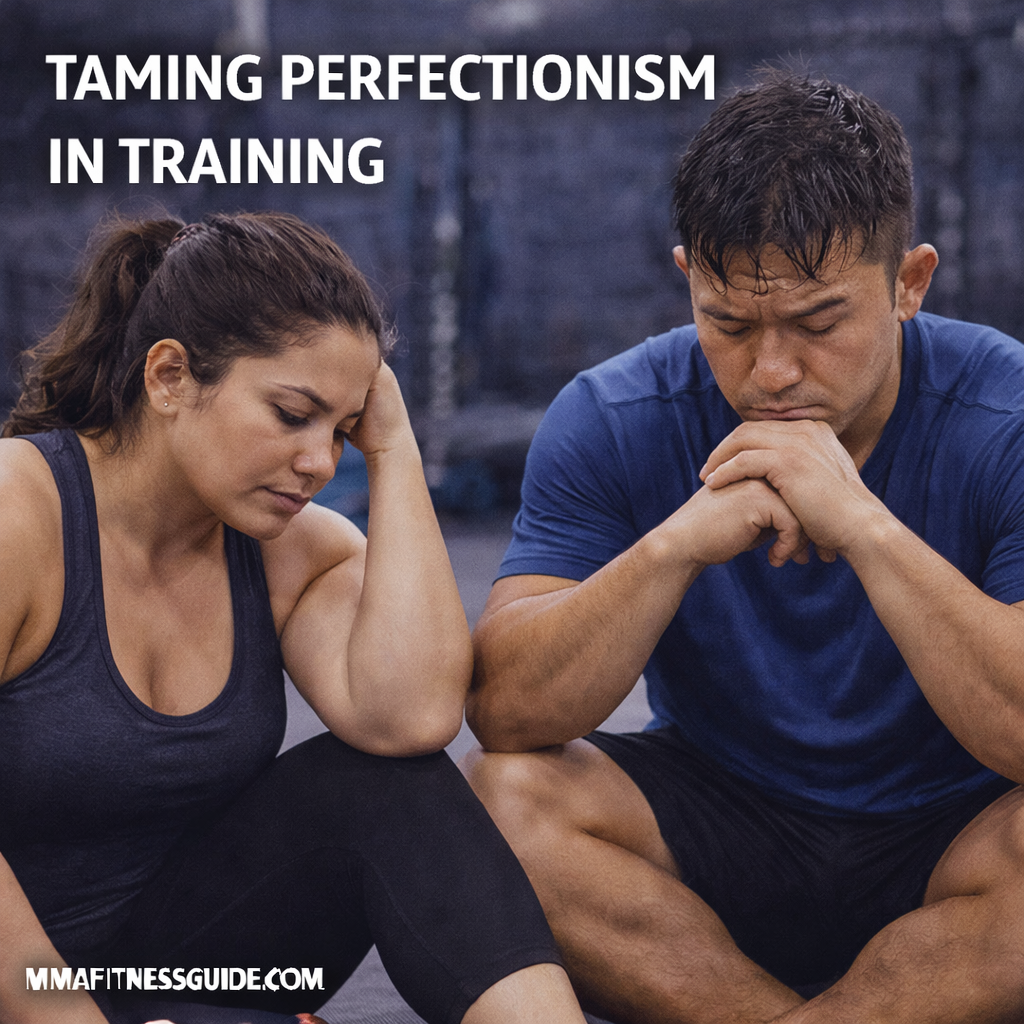
Perfectionism is often mistaken for dedication. In training, it can look like high standards, strong work ethic, and attention to detail. But when perfectionism goes unchecked, it becomes a barrier to progress—leading to frustration, burnout, and stalled performance.
Learning to tame perfectionism allows athletes to train with consistency, adaptability, and resilience rather than constant self-criticism.
What Perfectionism Looks Like in Training
Perfectionism shows up in subtle ways.
Common signs include:
- Feeling dissatisfied with “good” sessions
- Avoiding training unless conditions feel ideal
- Overanalyzing mistakes
- Comparing constantly to others
- Training through fatigue to “fix” flaws
These habits drain mental energy and motivation.
The Difference Between High Standards and Perfectionism
High standards are flexible. Perfectionism is rigid.
High standards:
- Focus on progress
- Allow learning through mistakes
- Adjust expectations based on context
Perfectionism:
- Demands flawless execution
- Punishes mistakes
- Ignores fatigue and reality
One supports growth. The other restricts it.
Why Perfectionism Slows Progress
Training is inherently messy.
Perfectionism interferes by:
- Creating fear of failure
- Limiting experimentation
- Increasing mental fatigue
- Reducing enjoyment
Athletes learn faster when mistakes are allowed.
The Hidden Cost of Over-Correction
Perfectionists often “fix” too much.
This leads to:
- Constant technical changes
- Conflicting cues
- Loss of fluidity
- Reduced confidence
Too much correction prevents skill automation.
Perfectionism and Burnout
Perfectionism demands constant vigilance.
Over time, this causes:
- Emotional exhaustion
- Loss of intrinsic motivation
- Decreased performance consistency
Burnout isn’t always about volume—it’s often about mental pressure.
Learning to Train at Different Intensities
Not every session deserves maximum effort.
Healthy training includes:
- Technical days
- Exploration days
- Recovery-focused sessions
Perfectionism pushes intensity when it’s not needed.
Reframing Mistakes as Data
Mistakes are information, not failures.
Productive reframing includes:
- Asking what the mistake reveals
- Identifying patterns rather than single errors
- Using feedback to guide future sessions
This shifts training from judgment to curiosity.
Letting “Good Enough” Be Productive
Progress often comes from average days.
“Good enough” sessions:
- Build consistency
- Accumulate volume
- Reduce pressure
Consistency beats occasional perfection.
Reducing Comparison in the Gym
Comparison fuels perfectionism.
Ways to reduce it:
- Focus on personal benchmarks
- Limit external validation
- Remember everyone trains at different stages
Your path is not someone else’s.
Setting Process-Based Goals
Outcome goals increase pressure.
Process-based goals focus on:
- Showing up consistently
- Executing specific behaviors
- Improving one detail at a time
Process goals ground progress in action.
Practicing Self-Compassion in Training
Self-compassion improves learning.
It involves:
- Acknowledging effort
- Accepting setbacks
- Speaking to yourself constructively
Athletes perform better when they feel supported internally.
Perfectionism During Plateaus
Plateaus trigger perfectionist tendencies.
Instead of forcing progress:
- Review fundamentals
- Reduce volume briefly
- Allow recovery
Plateaus are part of adaptation.
Coaches and Perfectionist Athletes
Coaches play a key role.
Helpful coaching approaches include:
- Clear priorities
- Limiting excessive feedback
- Reinforcing effort over outcome
Structure reduces mental overload.
Journaling to Manage Perfectionism
Reflection clarifies progress.
Effective journaling includes:
- What went well
- One improvement point
- Emotional state during training
Balanced reflection reduces harsh self-judgment.
Learning When to Stop Pushing
Perfectionism ignores warning signs.
Healthy athletes recognize:
- Mental fatigue
- Loss of focus
- Decreased enjoyment
Rest supports long-term performance.
Building Trust in the Training Process
Perfectionism often reflects lack of trust.
Trust grows when:
- Progress is tracked over time
- Recovery is respected
- Systems replace emotional reactions
Process builds confidence.
When Perfectionism Becomes a Strength
Tamed perfectionism can be useful.
When balanced, it supports:
- Attention to detail
- Commitment to improvement
- Accountability
The goal isn’t elimination—it’s regulation.
Final Thoughts
Taming perfectionism in training doesn’t mean lowering standards—it means training smarter. Athletes who release rigid expectations learn faster, recover better, and enjoy the process more. Progress thrives in environments where mistakes are allowed and effort is valued.
Training is not about being perfect. It’s about being consistent, adaptable, and resilient.