The Hidden Power of Martial Arts
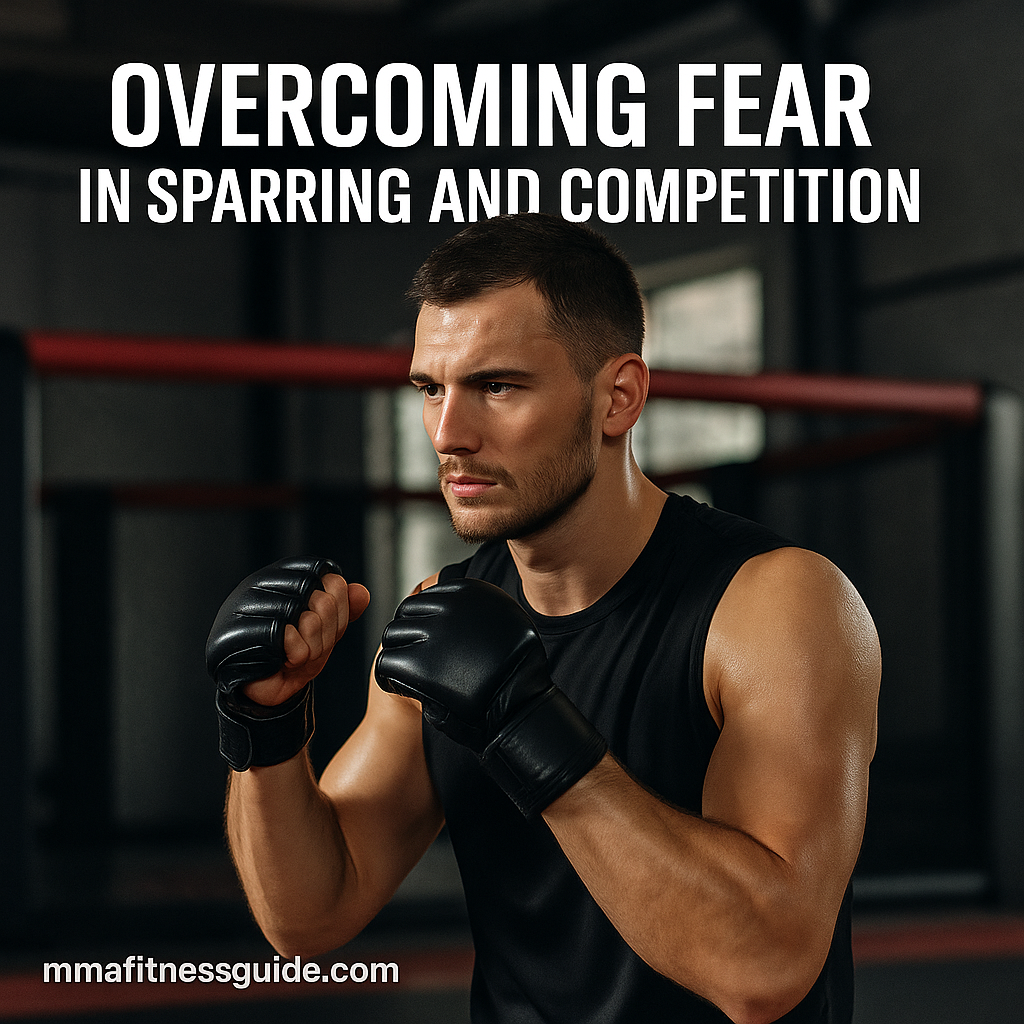
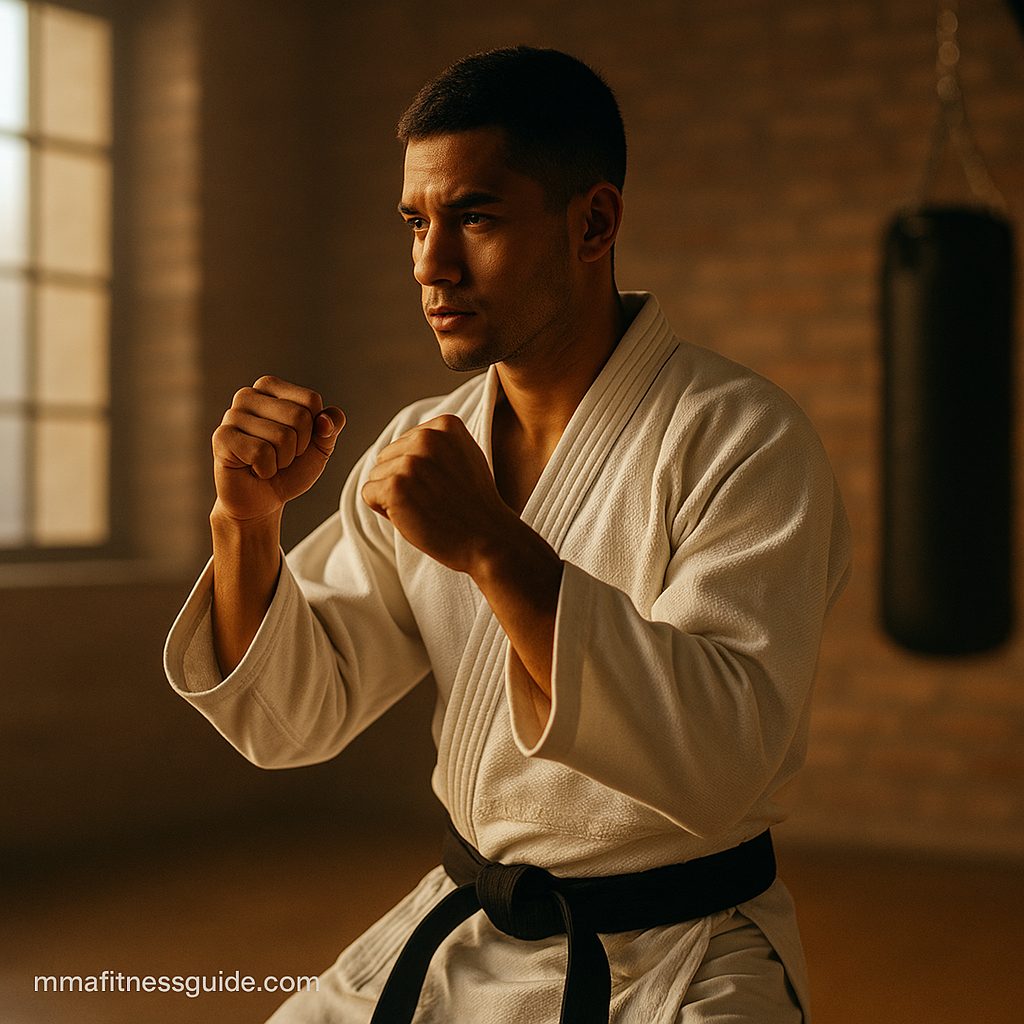
Martial arts are often associated with physical strength, speed, and skill — but the real mastery lies within the mind.
Every punch, kick, or takedown is an act of resilience — a lesson in pushing through discomfort, fear, and failure.
Martial arts don’t just build fighters. They build stronger people.
Resilience: The Fighter’s Core
Resilience isn’t about never falling. It’s about getting up every time you do.
In martial arts, progress comes slowly. You fail drills, lose sparring rounds, and hit walls that test your will.
Over time, you learn that struggle isn’t a setback — it’s the process.
You stop fearing mistakes and start embracing them as teachers.
“Fall seven times, stand up eight.” — Japanese Proverb
Lesson 1: Perseverance Over Perfection
Beginners often want instant mastery — the perfect technique or flawless form.
But martial arts teach patience. You repeat the same movements thousands of times, refining and improving little by little.
Resilience is born in repetition. You learn to show up, even when progress feels invisible.
In life, that same mindset helps you push through slow progress — knowing that consistency always beats intensity.
Lesson 2: Adapting to Pressure
In sparring, things rarely go as planned. Your opponent moves differently, your timing slips, your energy drains.
Martial arts teach you to adapt — not panic.
You adjust your stance, your rhythm, your breath. You learn to stay calm under fire and find solutions when things fall apart.
That adaptability is the essence of resilience — the ability to stay grounded in chaos.
Lesson 3: Mastering Emotional Control
Fighters who can’t control their emotions lose before the bell rings.
Martial arts emphasize balance — humility in victory, composure in defeat.
Through discipline and mindfulness, you learn that reacting emotionally drains your energy and clouds your judgment.
Resilient people stay focused on the goal, not the frustration.
Lesson 4: The Power of Community
Martial arts schools are filled with people who fail, sweat, and grow together.
Training partners push you, correct you, and remind you that you’re not alone in the grind.
That sense of belonging helps build emotional strength. Resilience thrives when you have others walking the same path.
Lesson 5: Confidence Through Challenge
Every challenge conquered — from your first takedown to your first tournament — builds confidence rooted in experience.
You don’t just think you’re capable; you know you are.
Each small victory reinforces the belief that you can overcome adversity, both on and off the mat.
How to Apply These Lessons Beyond the Gym
Resilience in martial arts mirrors resilience in life:
- When you fail, adjust instead of quitting.
- When you’re tired, focus on form, not frustration.
- When you doubt yourself, remember how far you’ve already come.
The discipline, humility, and perseverance you build on the mat follow you into work, relationships, and personal growth.
Key Takeaways
- Martial arts teach resilience through repetition, failure, and adaptation.
- Real strength comes from emotional control and persistence under pressure.
- Training partners and mentors strengthen resilience through community.
- Every challenge faced builds lasting confidence and mental toughness.
Resilience isn’t built overnight — it’s trained, one round at a time.