Protein is the foundation of recovery, strength, and performance for martial artists. Whether you train MMA, Muay Thai, BJJ, or wrestling, your body relies on high-quality protein to repair muscle tissue, support endurance, and maintain a lean, powerful frame. But not all protein sources are equal — some fuel faster recovery, some provide more nutrients, and others keep calories lower for fighters trying to stay in a specific weight class.
This guide breaks down the top protein options for martial artists, how much protein fighters really need, and how to structure your intake for maximum performance and recovery.
Why Protein Matters So Much for Martial Artists
Combat sports place unique demands on the body. Striking, grappling, clinching, and conditioning all create micro-tears in muscle fibers that require high-quality protein to repair.
Key benefits for fighters include:
- Faster recovery after training
- Improved lean muscle maintenance
- Better strength and power output
- Support for a healthy metabolism
- Greater satiety for weight-cutting fighters
- Reduced injury risk through stronger tissues
Protein isn’t just a bodybuilding nutrient — it’s a performance essential for martial artists at every level.
How Much Protein Do Martial Artists Need?
The ideal range depends on training volume, weight goals, and body size.
General guidelines for fighters:
- 1.2–1.6 g per kg bodyweight → light/technical training days
- 1.6–2.2 g per kg → moderate to heavy training
- 2.2–2.5 g per kg → cutting weight while preserving muscle
For most fighters, 1 gram of protein per pound of bodyweight is a simple and effective rule, especially during tough training phases.
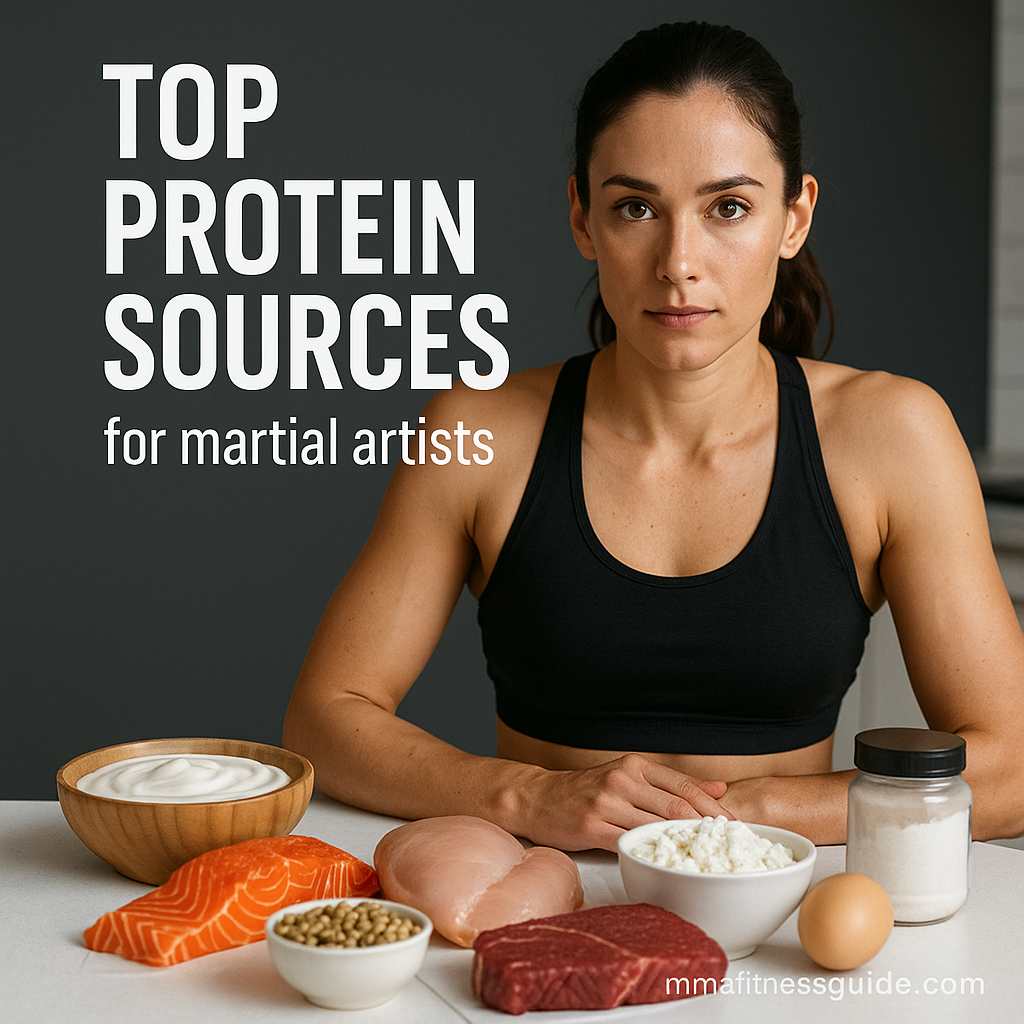
The Top Protein Sources for Martial Artists
Below are the best protein foods for combat athletes, chosen based on nutrient density, digestibility, amino acid profile, and practicality.
1. Chicken Breast
A staple for fighters because it’s lean, affordable, and highly versatile.
Benefits:
- High protein, low fat
- Easy to prepare in bulk
- Works well during weight cuts
Best for:
- Cutting phases
- Meal prep
- Fights where body composition matters
2. Eggs
Often called “nature’s perfect protein.”
Benefits:
- Complete amino acid profile
- High bioavailability
- Contains vitamin D, B vitamins, and healthy fats
Best for:
- Breakfast before training
- Recovery meals
- Fighters needing nutrient-dense calories
Egg whites are great for low-fat protein; whole eggs are ideal for full recovery and hormones.
3. Greek Yogurt
A powerful, high-protein option that also supports gut health.
Benefits:
- 15–20g protein per serving
- Contains probiotics
- Great for quick snacks or smoothies
Best for:
- Post-training recovery
- High-protein snacks
- Fighters needing convenient calories
4. Lean Beef
One of the richest sources of iron, zinc, and B12 — essential for energy and endurance.
Benefits:
- Excellent for red blood cell production
- Helps prevent fatigue
- Supports muscle repair
Best for:
- Strength-focused phases
- Fighters needing more iron
- Bulking or maintenance cycles
5. Salmon
A fighter’s superfood — protein + omega-3s.
Benefits:
- Reduces inflammation
- Supports joint health
- High-quality protein per calorie
Best for:
- Hard training weeks
- Reducing stiffness and soreness
- Anti-inflammatory recovery meals
6. Cottage Cheese
Slow-digesting casein makes it ideal at night.
Benefits:
- Prevents muscle breakdown while sleeping
- Easy to mix with fruit or honey
- High protein with low calories
Best for:
- Pre-bed nutrition
- Weight-cutting fighters
- Maintaining muscle overnight
7. Lentils and Beans
Excellent plant-based sources for martial artists eating vegetarian or vegan.
Benefits:
- High in fiber and micronutrients
- Surprisingly high protein per serving
- Stabilizes blood sugar
Best for:
- High-volume eaters
- Vegan fighters
- Adding protein to bowls and salads
Pair with rice to complete the amino acid profile.
8. Tofu and Tempeh
Top-quality plant protein with great versatility.
Benefits:
- Absorbs flavors well
- High in iron and calcium
- Good protein density for low calories
Best for:
- Stir-fries
- Vegan recovery meals
- Weight cuts with limited fat
9. Tuna and Sardines
Portable, nutrient-dense, and affordable.
Benefits:
- Great protein-to-calorie ratio
- High omega-3s
- Easy for on-the-go meals
Best for:
- Lunches
- Fighters on tight budgets
- Cutting phases
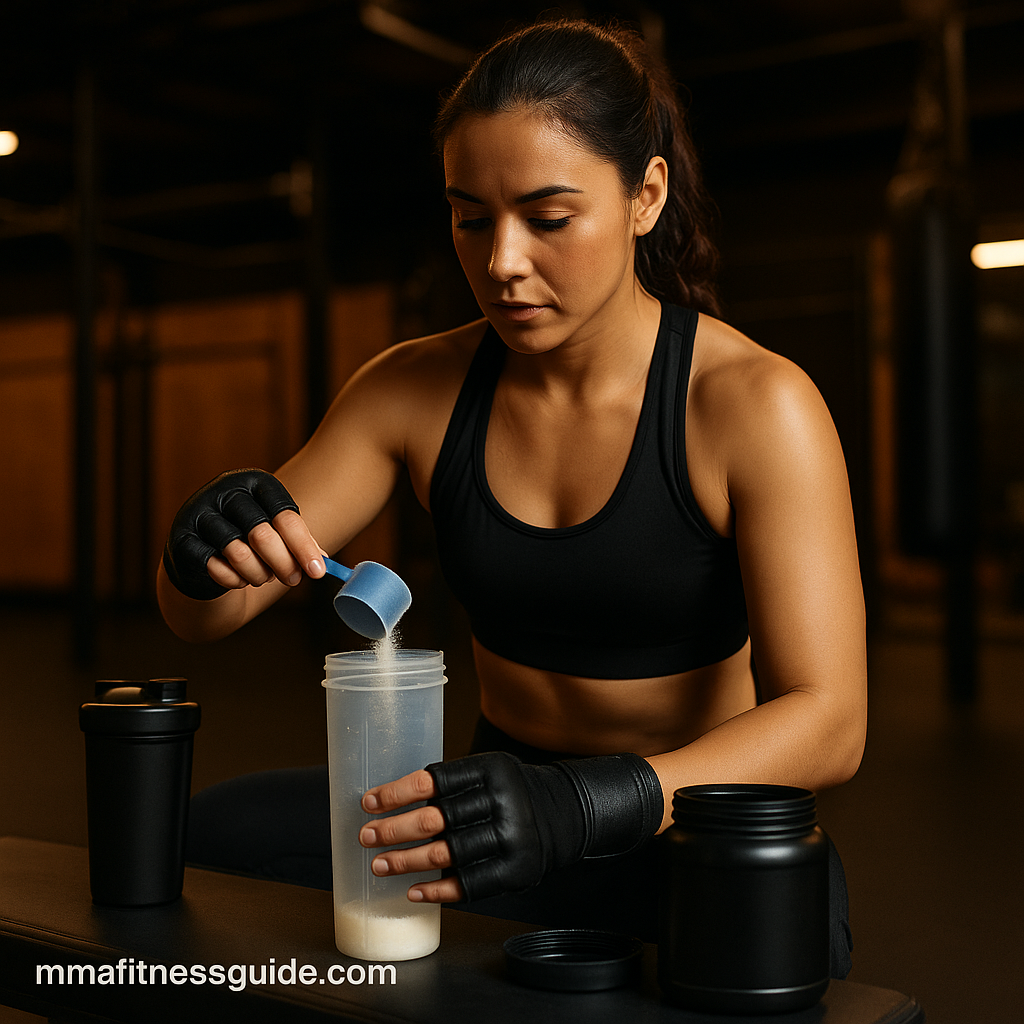
10. Whey Protein Powder
Fast, convenient, and ideal right after training.
Benefits:
- Rapid absorption
- High leucine content (muscle-building amino acid)
- Fills protein gaps easily
Best for:
- Post-training shakes
- Busy fighters
- Weight cuts needing precise calories
Additional Protein Sources Worth Including
- Turkey breast
- Shrimp
- Bison
- Black beans
- Edamame
- Low-fat cheese sticks
- Vegan protein powder (pea, rice, hemp blends)
A varied protein intake offers the best results for recovery and long-term performance.
How to Structure Protein Intake for Maximum Performance
Timing matters, but consistency matters more. Here’s a simple plan fighters can follow:
Morning
Eggs, Greek yogurt, cottage cheese, tofu scramble, or whey smoothie.
Pre-training
Something light: yogurt, eggs, tofu, or a small shake.
Post-training
Fast protein + carbs: whey shake, tuna sandwich, chicken and rice bowl.
Evening
Chicken, salmon, lean beef, lentils, or tempeh.
Before bed
Cottage cheese or casein if training was intense.
Your goal is to include 20–40g of protein at each meal to optimize muscle repair throughout the day.
Final Tips for Protein Success
- Eat protein at every meal, not just after training
- Mix animal and plant sources for a full nutrient profile
- Prep meals ahead to avoid under-eating
- Use shakes as supplements, not replacements
- Increase intake slightly during heavy sparring weeks
Fueling consistently with high-quality protein helps martial artists recover faster, train harder, and perform at a higher level — both in practice and on fight night.