Introduction
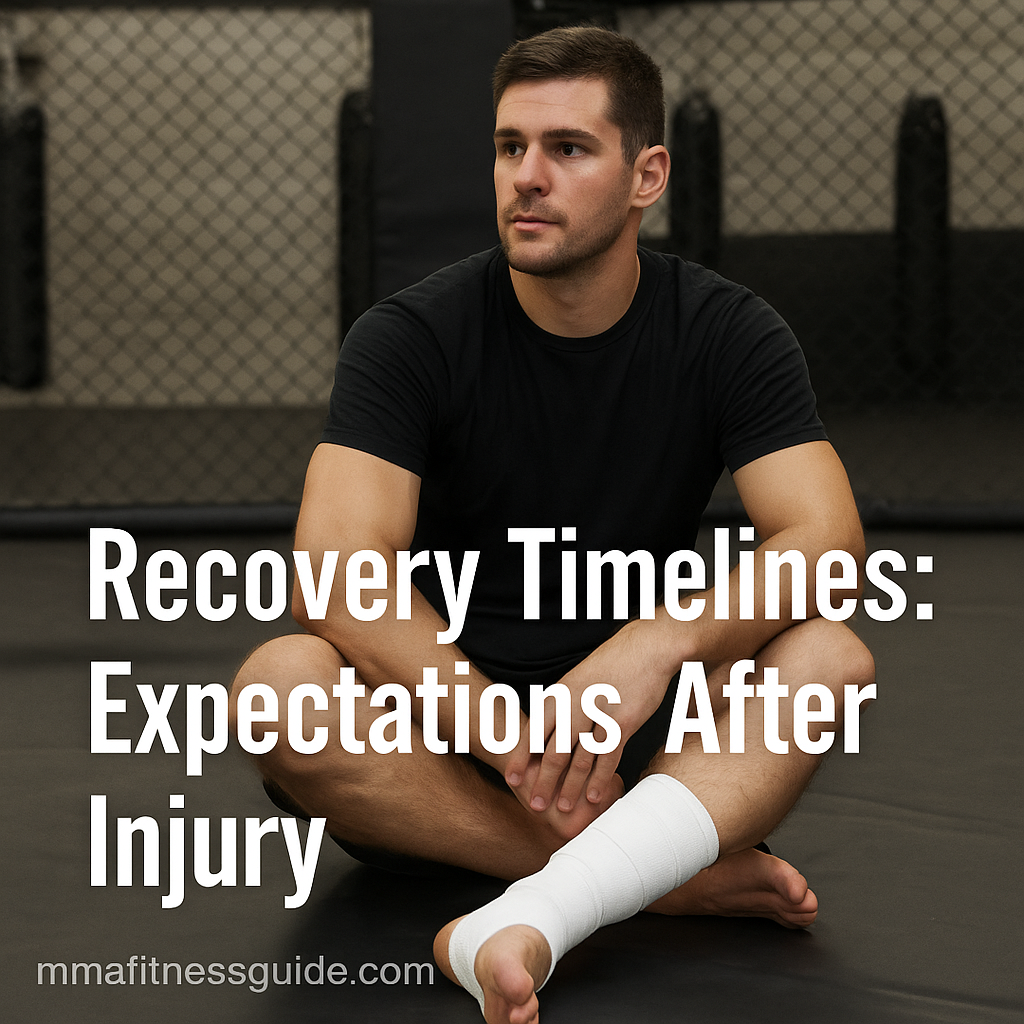
Injuries affect more than just the body—they challenge identity, confidence, and motivation. For MMA athletes, time away from training or competition can feel isolating and mentally exhausting. While physical rehabilitation is essential, the psychological side of injury and comeback often determines how well an athlete truly returns.
Understanding the mental process behind injury recovery helps fighters rebuild confidence, manage fear, and come back stronger both mentally and physically.
Why Injuries Hit Fighters So Hard Mentally
MMA athletes often tie their identity closely to training and performance. When injury removes that outlet, it can create emotional and psychological strain.
Common mental challenges include:
- Loss of routine and structure
- Fear of losing skill, conditioning, or relevance
- Frustration from inactivity
- Anxiety about re-injury
- Identity disruption
These reactions are normal and experienced by fighters at every level.
The Emotional Phases of Injury Recovery
Most athletes move through recognizable emotional stages after injury.
Initial Shock and Frustration
Immediately after injury, fighters may feel disbelief, anger, or denial—especially if the injury disrupts a fight camp or momentum.
Low Motivation and Doubt
As time away from training extends, motivation often dips. Fighters may question their future, ability, or commitment.
Acceptance and Adjustment
Eventually, many athletes begin to accept the injury and shift focus toward recovery and long-term health.
Renewed Confidence and Purpose
With progress, confidence returns. Fighters often develop a deeper appreciation for training and resilience.
Understanding these phases helps athletes avoid self-judgment during recovery.
Fear of Re-Injury and Hesitation
One of the biggest psychological barriers during a comeback is fear.
Common fears include:
- Hesitating during explosive movements
- Avoiding certain positions or techniques
- Overthinking physical sensations
- Holding back during sparring
Fear does not mean weakness—it means the nervous system is protecting itself. Gradual exposure and confidence-building are key to moving forward.
The Role of Identity in Injury Recovery
Many fighters struggle because injury temporarily removes their primary identity.
Helpful mindset shifts include:
- Viewing recovery as part of training
- Separating self-worth from current performance
- Embracing long-term athletic development
- Recognizing value beyond competition
A broader identity supports mental health and resilience.
Rebuilding Confidence After Injury
Confidence is rebuilt through evidence, not reassurance.
Effective confidence-building strategies:
- Tracking small physical improvements
- Gradually reintroducing movements
- Celebrating consistency over intensity
- Using controlled environments before full sparring
Each successful session reinforces trust in the body.
Visualization and Mental Rehearsal
Mental training plays a powerful role in comebacks.
Visualization can help fighters:
- Rehearse movements safely
- Reduce anxiety around re-entry
- Maintain technical sharpness
- Reinforce positive outcomes
Mental reps keep fighters engaged even when physical training is limited.
Managing Comparison and External Pressure
Injured fighters often compare themselves to teammates who are still training.
This can lead to:
- Feelings of falling behind
- Rushing recovery
- Ignoring warning signs
- Increased stress
Focusing on individual timelines and long-term goals protects both mental and physical health.
Support Systems Matter
Recovery is not meant to be done alone.
Strong support may include:
- Coaches who respect recovery timelines
- Teammates who offer encouragement
- Physical therapists and medical professionals
- Mental health or performance coaches
Feeling supported reduces isolation and improves adherence to recovery plans.
Turning Injury Into a Competitive Advantage
Many fighters report unexpected growth during injury recovery.
Positive outcomes may include:
- Improved technical understanding
- Better body awareness
- Stronger discipline and patience
- Enhanced mental toughness
Injury can become a turning point rather than a setback.
Warning Signs of Mental Burnout During Recovery
Some psychological responses require extra attention.
Watch for:
- Persistent hopelessness
- Loss of interest in returning
- Chronic anxiety or irritability
- Sleep disruption linked to injury stress
Seeking professional support is a strength, not a weakness.
Returning to Training With the Right Mindset
A successful comeback prioritizes trust and patience.
Healthy return principles:
- Gradual intensity increases
- Open communication with coaches
- Respect for physical and mental signals
- Focus on process, not immediate performance
Rushing often leads to setbacks—patience builds longevity.
Final Thoughts
The psychology of injury and comebacks is as important as physical rehabilitation in MMA. Fighters who address fear, identity, confidence, and mindset alongside physical recovery return more resilient and self-aware.
Injury does not define a fighter—but how they respond to it often does. With the right mental approach, setbacks can become foundations for stronger, more sustainable careers.