MMA fighters discussing creatine use during training with a clearly labeled supplement container.
Introduction
Creatine is one of the most researched and widely used performance supplements in combat sports. For MMA athletes, where explosive power, strength, and recovery are critical, creatine can be a valuable tool when used correctly.
However, timing, dosage, and training phase matter. Understanding when to use creatine in MMA training—and when to avoid it—can help fighters maximize benefits without compromising weight management or performance.
MMA fighters and trainers performing partner pad drills to improve timing, technique, and conditioning.
Introduction
Partner workouts are a cornerstone of effective MMA training. From pad work and grappling drills to conditioning circuits, training with a partner improves timing, accountability, and fight realism in ways solo workouts cannot. When structured correctly, partner workouts help fighters build skill, conditioning, and mental toughness while strengthening coach–athlete relationships.
For trainers, partner-based sessions also create dynamic, engaging environments that mirror real fight demands.
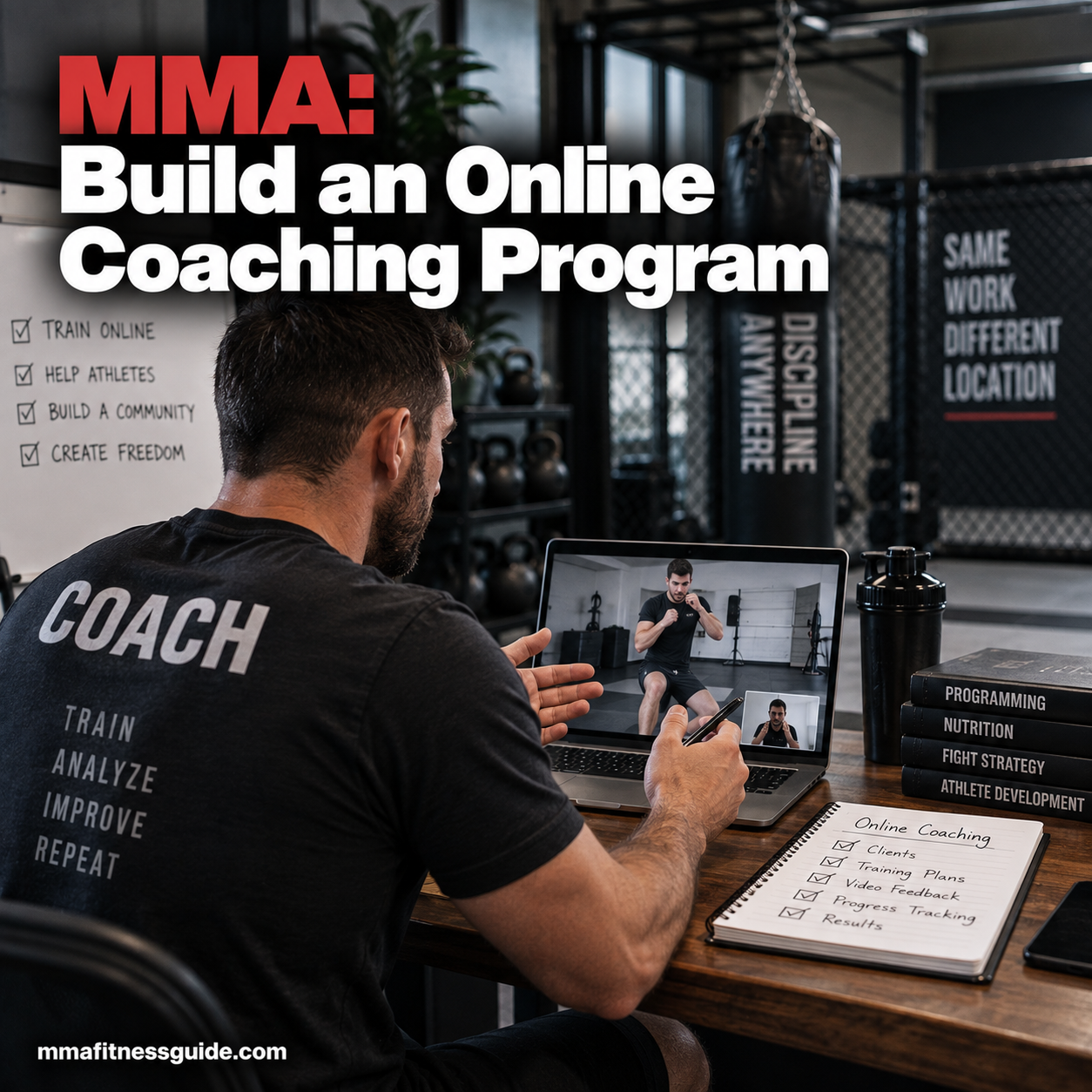
Online MMA coaching can combine structured training plans, video feedback, progress tracking, and scheduled check-ins for athletes training remotely.
An MMA coach who normally works with 20 or 30 athletes at a local gym can use online coaching to work with clients in other cities, states, or countries. Training plans can be delivered digitally, technique videos can be reviewed remotely, and progress can be discussed through scheduled check-ins.
That opens several possibilities. A strength and conditioning coach could sell monthly fight-camp programming. A striking coach could provide video analysis to amateur fighters. A retired competitor could build a beginner MMA fitness program around lessons learned during years of training.
The challenge is turning that knowledge into a service athletes can actually follow. That means deciding who the program is for, what clients receive, how progress is measured, how feedback works, and how much personal access is included.
Walking, stretching, mobility work, and other enjoyable activities can keep you moving between harder training sessions.
Introduction
Some days, movement might mean an hour of MMA training. On others, it could be a 20-minute walk, a few rounds of relaxed shadowboxing, or stretching your hips and shoulders while dinner cooks.
All of those days count.
When every activity has to burn a certain number of calories, improve performance, or leave you exhausted, staying active can start feeling like another obligation. Giving yourself more ways to move changes that relationship.
Walking somewhere you enjoy, practicing a technique because it feels good, playing a sport with friends, or doing mobility work after sitting all day can make physical activity something you naturally return to.
The goal is to find forms of movement that leave you glad you did them.
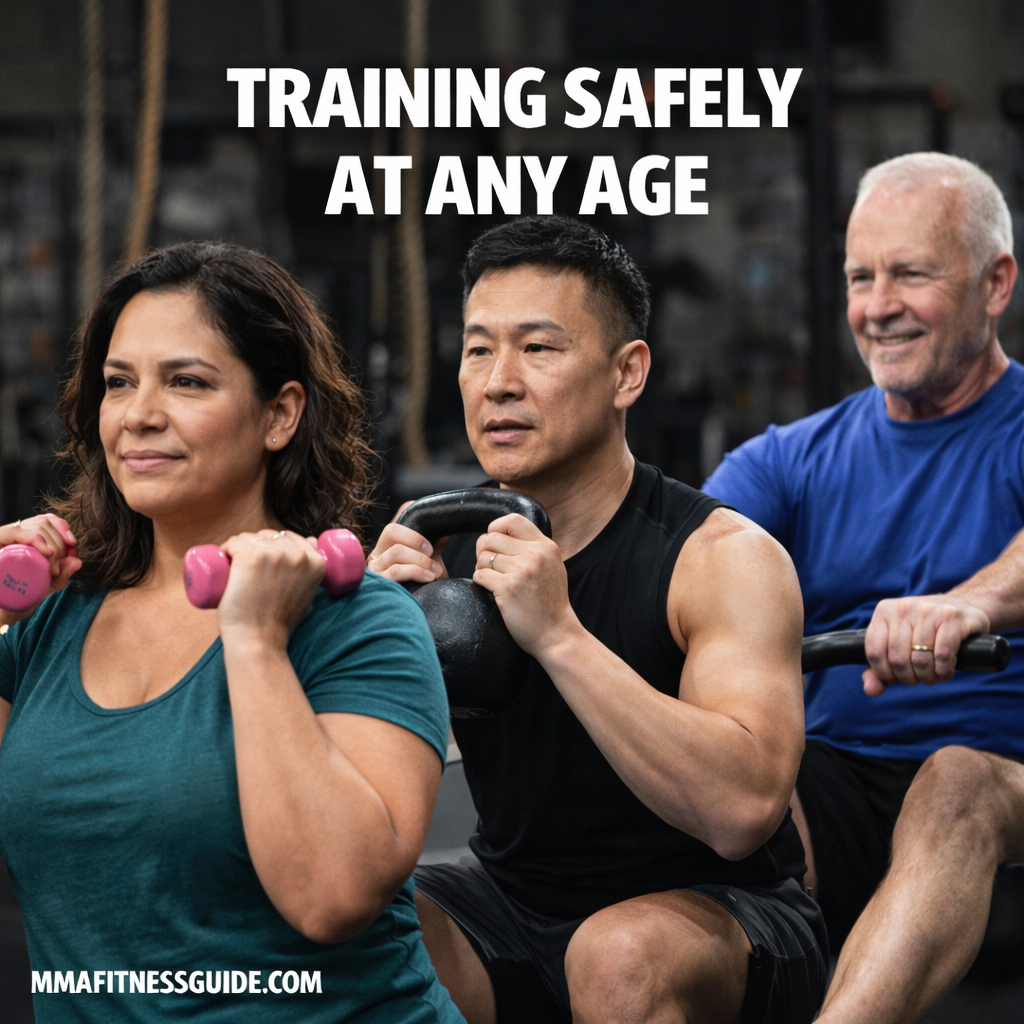
Adults of different ages training safely with strength exercises in a gym environment.
Introduction
Starting or continuing fitness training at any age is one of the best investments you can make in your long-term health. Whether you are new to exercise, returning after time off, or adapting your training as you get older, safety should always come first.
Training safely does not mean training lightly. It means understanding your body, respecting recovery, and building strength in a way that supports longevity, confidence, and consistent progress.
An iconic MMA fight night moment capturing the intensity of walkouts and unforgettable octagon experiences.
Introduction
Few moments in combat sports are as emotionally charged as a fighter’s walkout or a defining fight night moment. Before the first punch is thrown, walkouts set the tone—revealing confidence, intimidation, culture, and mindset. Inside the cage or ring, iconic moments become etched into history, shaping legacies and defining eras.
From legendary entrances to unforgettable finishes, these moments are why fight fans remember names, not just records.
MMA fighters having a focused discussion with a coach about managing expectations and mental performance.
Introduction
In combat sports and high-performance training environments, expectations are everywhere. Coaches push for progress. Teammates set standards through effort and results. While expectations can motivate growth, they can also create pressure, stress, and self-doubt if not managed properly.
Learning how to manage expectations from coaches and peers is a critical mental skill. It helps you stay confident, focused, and mentally healthy while continuing to improve as an athlete.
MMA fighters meeting with a sports medicine specialist to evaluate an injury and plan safe recovery. mmafitnessguide.com.
Introduction
Athletes, fitness enthusiasts, and active individuals often push their bodies hard. Some soreness is normal, but persistent pain or specific red-flag symptoms can signal an injury that needs expert evaluation. A sports medicine specialist focuses on diagnosing, treating, and preventing activity-related injuries so you can heal properly and return to training safely.
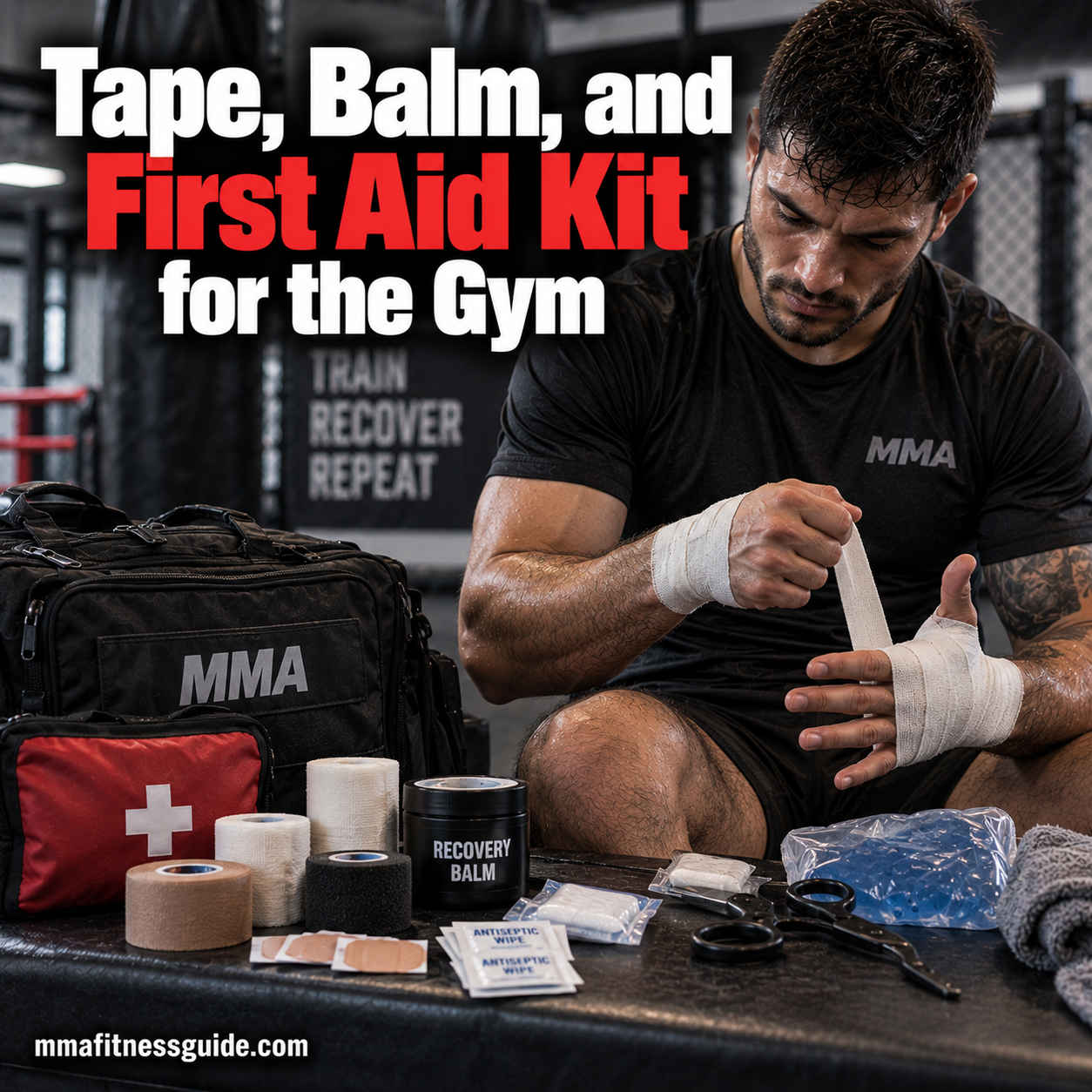
Athletic tape and basic first aid supplies can help MMA athletes handle minor cuts, abrasions, and common training issues until further care is needed.
A split knuckle during bag work, a scraped knee from the mat, or a finger bent awkwardly during grappling can bring a training session to an early stop. These aren’t dramatic fight-night injuries—they’re the smaller problems that regularly show up after hours of striking, wrestling, and rolling.
Keeping athletic tape, wound-care supplies, disposable gloves, gauze, and a few basic recovery products in your gym bag means you can deal with minor issues promptly instead of searching the gym for supplies. Tape can provide temporary support or protect vulnerable skin, while a properly stocked first aid pouch gives you clean supplies for handling small cuts and abrasions.
The goal isn’t to patch up an injury so you can ignore it. It’s to have the right supplies for minor problems, recognize when something requires more than basic first aid, and keep cuts and shared training surfaces as hygienic as possible.
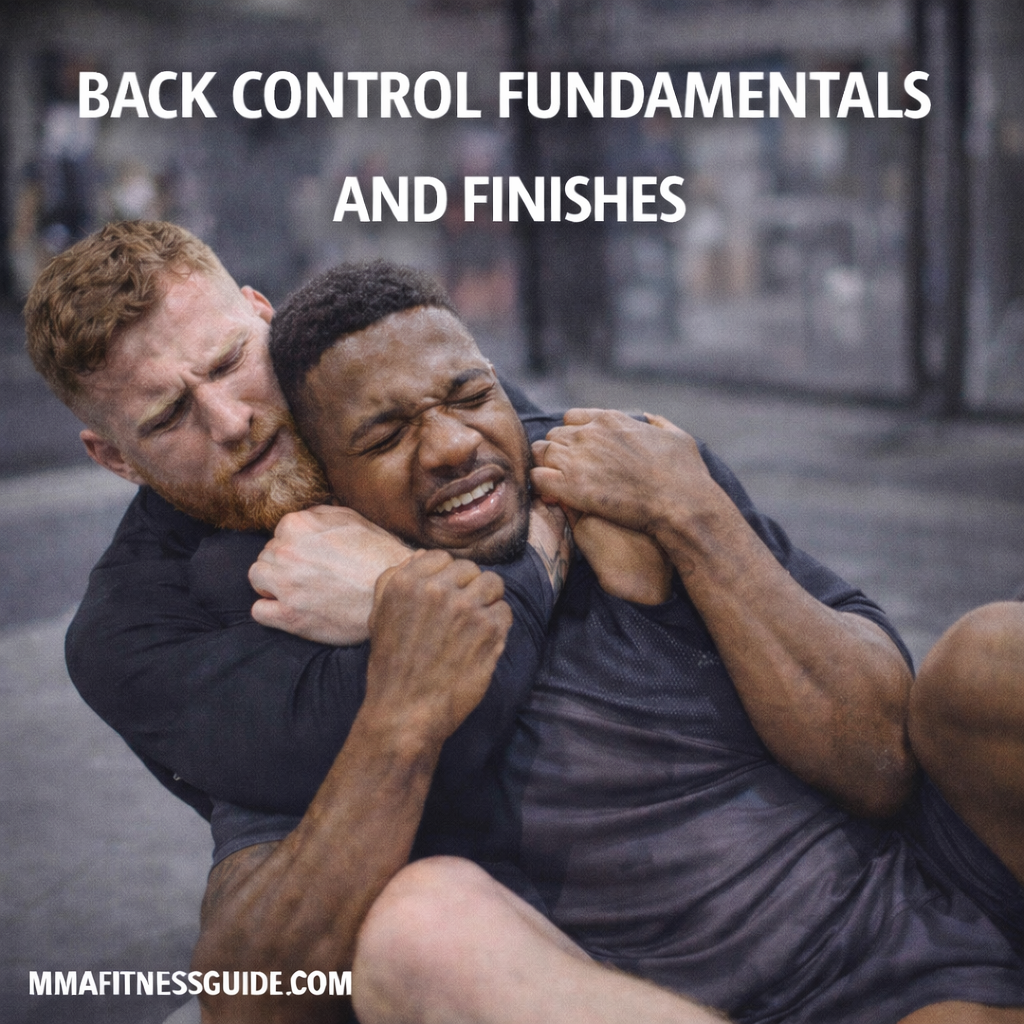
MMA fighters drilling back control fundamentals and submission finishes during grappling training.
Back control is one of the most dominant positions in MMA and grappling. When you control an opponent’s back, you limit their offense, control their movement, and open the door to high-percentage finishes. At every level of MMA, fighters who understand back control fundamentals consistently outperform those who rely only on strength or speed.
This guide covers the essential principles of back control, common mistakes, and the most effective finishes fighters should master.