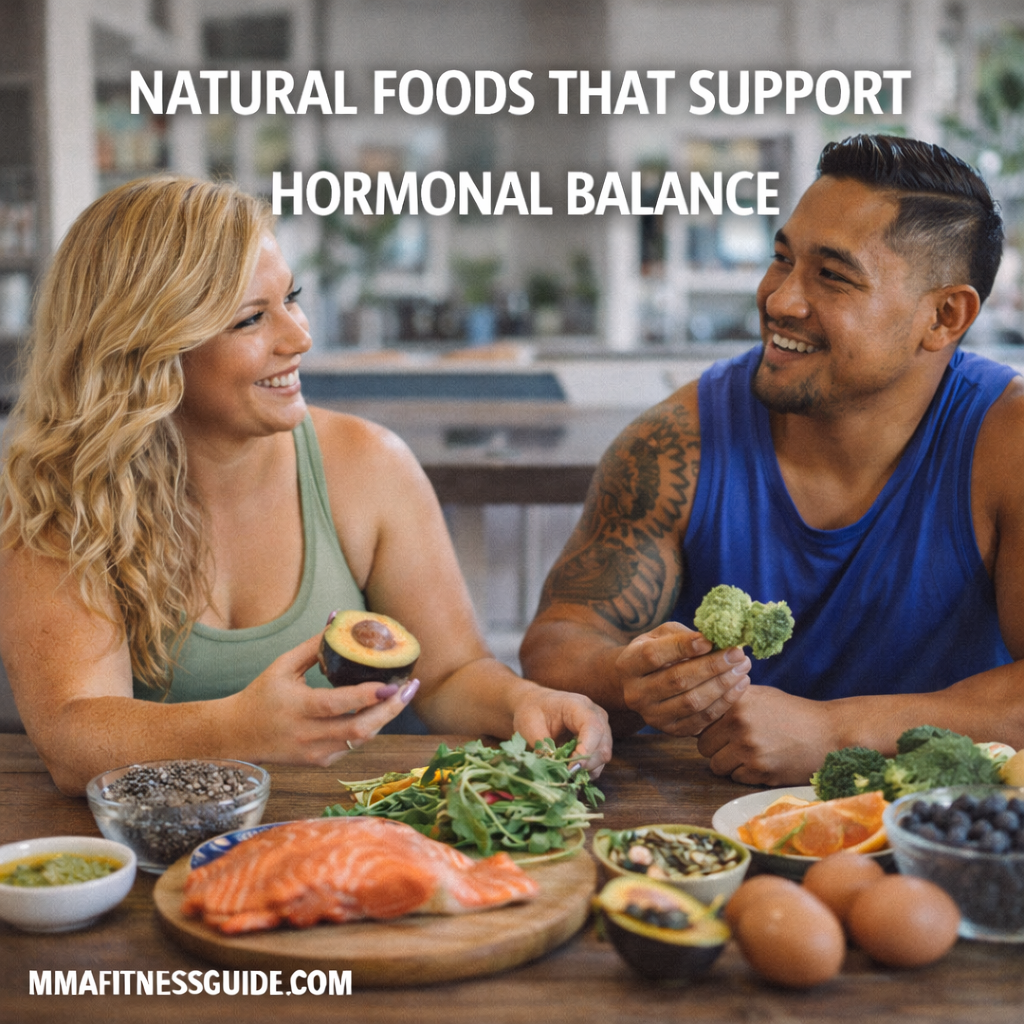
Introduction
A fighter increases training volume, cuts calories to make weight, and starts sleeping fewer hours to fit in extra sessions. Within a few weeks, recovery slows, energy levels drop, and workouts that once felt manageable become exhausting. These changes may reflect inadequate fueling and accumulated stress, both of which can affect normal hormonal function.
Hormones such as testosterone, estrogen, cortisol, insulin, and thyroid hormones help regulate metabolism, muscle repair, reproduction, and the body’s response to physical stress. Consistently eating too little, restricting entire food groups, or failing to recover between demanding sessions can interfere with these processes.
Supporting hormonal health starts with meeting your body’s nutritional and energy requirements. Foods such as fatty fish, eggs, whole grains, legumes, vegetables, and nuts provide protein, essential fats, vitamins, and minerals involved in normal physiological function.
For MMA athletes, the goal isn’t to boost individual hormones through specific foods. It’s to maintain adequate nutrition, avoid prolonged underfueling, and establish recovery habits that support normal hormonal function throughout training and competition.
Why Hormonal Balance Matters for Performance
Hormones regulate nearly every system in the body.
Balanced hormones support:
- Stable energy levels
- Muscle growth and repair
- Fat metabolism
- Sleep quality
- Stress management
- Libido and motivation
When hormones are out of balance, performance and recovery suffer.
Common Causes of Hormonal Disruption in Athletes
Athletes place high demands on their bodies.
Common contributors to imbalance include:
- Chronic calorie restriction
- Excessive training volume
- Poor sleep habits
- High stress levels
- Inadequate fat or micronutrient intake
Nutrition is one of the most controllable factors.
The Role of Whole Foods in Hormonal Health
Whole foods provide nutrients in bioavailable forms.
They help by:
- Supplying essential vitamins and minerals
- Supporting gut health
- Reducing inflammation
- Stabilizing blood sugar
- Supporting hormone production pathways
Processed foods often disrupt these systems.
Healthy Fats That Support Hormone Production
Dietary fats are essential for hormone synthesis.
Best Natural Fat Sources
Include:
- Avocados
- Olive oil
- Nuts and seeds
- Fatty fish
- Whole eggs
Low-fat diets can negatively affect hormonal health over time.
Omega-3 Fatty Acids
Omega-3s are especially important.
Benefits include:
- Reduced inflammation
- Improved insulin sensitivity
- Support for testosterone and estrogen balance
- Enhanced recovery
Sources include salmon, sardines, flaxseeds, and chia seeds.
Protein-Rich Foods That Support Balance
Protein supports muscle repair and hormonal signaling.
Quality Protein Sources
Focus on:
- Lean meats
- Poultry
- Fish
- Eggs
- Greek yogurt
- Legumes
Consistent protein intake helps regulate appetite hormones.
Carbohydrates and Hormonal Stability
Carbs affect insulin, cortisol, and thyroid hormones.
Smart Carb Choices
Choose:
- Rice
- Potatoes
- Oats
- Fruit
- Whole grains (in moderation)
Adequate carbs help reduce stress hormone overload in active individuals.
Micronutrients That Influence Hormones
Certain vitamins and minerals are especially important.
Zinc
Supports testosterone production and immune function.
Found in:
- Red meat
- Pumpkin seeds
- Shellfish
- Beans
Magnesium
Helps regulate stress hormones and sleep.
Found in:
- Leafy greens
- Nuts
- Seeds
- Whole grains
Vitamin D
Supports hormone regulation and mood.
Sources include:
- Sunlight exposure
- Fatty fish
- Egg yolks
- Fortified foods
Vegetables That Support Hormone Detoxification
Cruciferous vegetables support hormone metabolism.
Include:
- Broccoli
- Cauliflower
- Brussels sprouts
- Kale
- Cabbage
These vegetables help the body process and clear excess hormones.
Gut Health and Hormonal Balance
Gut health influences hormone regulation.
Support it with:
- Fermented foods
- Fiber-rich vegetables
- Yogurt or kefir
- Balanced meals
A healthy gut improves nutrient absorption and hormone signaling.
Hydration and Hormonal Function
Dehydration increases stress hormones.
Proper hydration helps:
- Regulate cortisol
- Support digestion
- Improve energy levels
- Enhance recovery
Water intake matters as much as food quality.
Foods and Habits That Disrupt Hormonal Balance
Limit:
- Highly processed foods
- Excessive sugar intake
- Chronic alcohol consumption
- Extreme dieting
- Skipping meals regularly
Consistency supports stability.
Timing and Consistency Matter
What you eat matters — but so does when.
Helpful practices include:
- Regular meal timing
- Balanced meals with protein, carbs, and fats
- Avoiding long periods of underfueling
- Supporting recovery nutrition
Hormones thrive on routine.
Individual Differences Matter
Hormonal responses vary.
Factors include:
- Age
- Sex
- Training load
- Stress levels
- Sleep quality
Experiment gradually and monitor how you feel.
Final Thoughts
Hormonal balance is a foundation of long-term performance, recovery, and overall health. Natural, whole foods provide the building blocks your body needs to regulate hormones effectively — without extreme diets or quick fixes.
By prioritizing quality nutrition, adequate energy intake, and consistency, MMA athletes can support hormonal health naturally and sustainably. Food isn’t just fuel — it’s information that guides how your body adapts, recovers, and performs.