
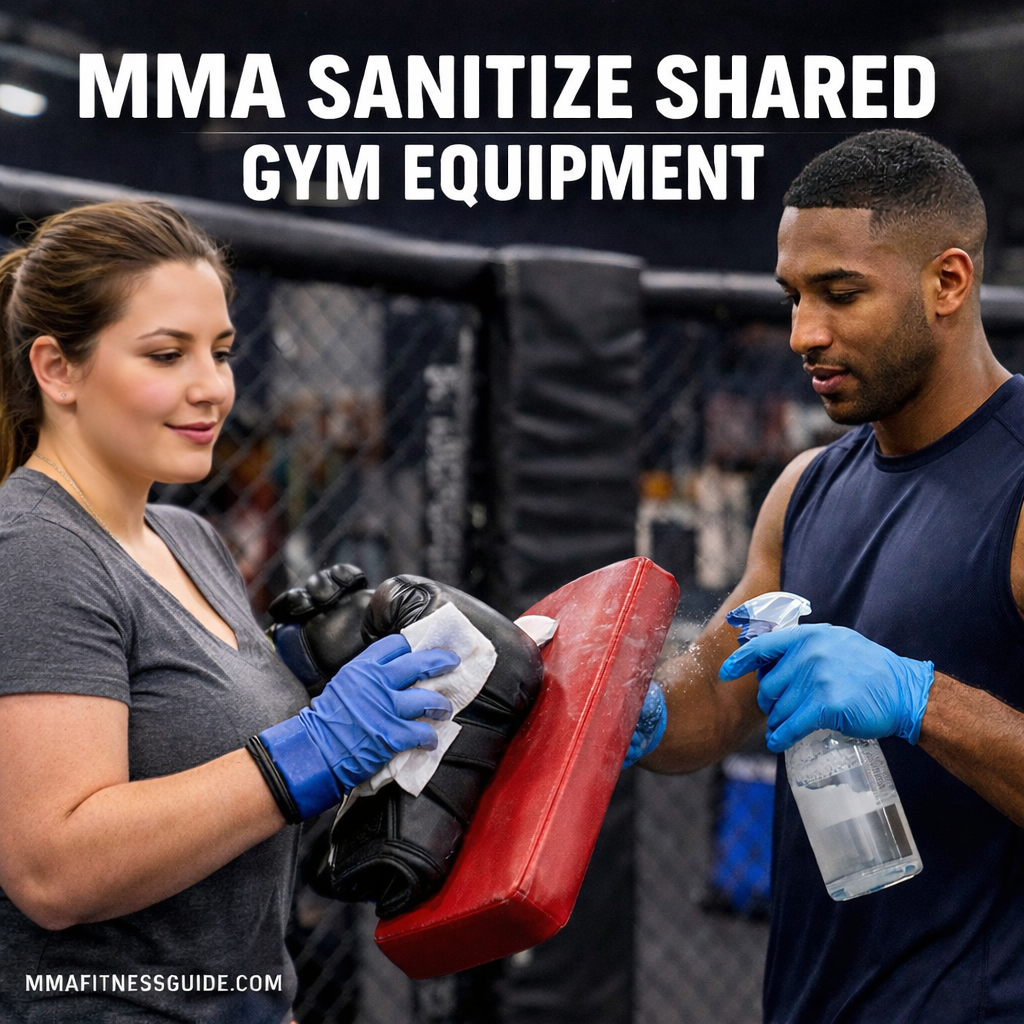
Shared gym equipment is part of everyday life for MMA athletes. Gloves, mats, pads, cages, and strength equipment are used by dozens of fighters daily, creating the perfect environment for bacteria, fungi, and viruses to spread. Learning how to properly sanitize shared MMA gym equipment isn’t just about cleanliness—it’s essential for injury prevention, skin health, and long-term training consistency.
This guide explains why sanitation matters, what risks exist in MMA gyms, and how fighters and gym owners can effectively sanitize shared equipment without damaging gear.
Why Sanitizing MMA Gym Equipment Is Critical
MMA training involves close contact, sweat, abrasions, and frequent skin-to-surface exposure. When equipment isn’t sanitized properly, infections spread fast.
Common risks of unsanitary equipment include:
- Staph infections (including MRSA)
- Ringworm and other fungal infections
- Viral skin conditions
- Open cuts becoming infected
- Respiratory illness from shared surfaces
Because MMA athletes train repeatedly throughout the week, even minor exposure can turn into a serious issue if sanitation is ignored.
High-Risk Shared Equipment in MMA Gyms
Some equipment carries a much higher contamination risk due to repeated skin contact.
Training Mats
Mats absorb sweat, skin cells, and bacteria with every session.
Risk factors:
- Bare skin contact
- Ground grappling
- Minor cuts and abrasions
Mats should be cleaned multiple times per day in busy gyms.
Gloves and Mitts
Shared gloves and pads trap moisture and heat, allowing bacteria to thrive.
Common issues:
- Strong odors caused by bacterial buildup
- Skin infections from repeated hand contact
- Slow drying between uses
Headgear and Shin Guards
Shared protective gear is often overlooked but carries high risk.
Problems include:
- Sweat-soaked padding
- Direct face and leg contact
- Rare deep cleaning cycles
Cages, Walls, and Railings
These surfaces are touched constantly during MMA rounds.
Risk areas:
- Cage walls during clinch work
- Padding on posts
- Door handles and railings
What To Use to Sanitize MMA Equipment Safely
Not all cleaning products are safe for MMA gear. Harsh chemicals can degrade padding, leather, and synthetic materials.
Safe Cleaning Solutions
Effective and gear-friendly options include:
- Diluted disinfectant sprays approved for athletic equipment
- Alcohol-based wipes for hard surfaces
- Vinegar-based solutions for light daily cleaning
- Mild soap and warm water for washable items
Avoid bleach unless properly diluted and manufacturer-approved.
Antibacterial vs Antifungal Products
Because MMA gyms deal with both bacteria and fungi, products should:
- Kill a broad spectrum of microbes
- Be safe for frequent use
- Dry quickly to reduce moisture buildup
Using products labeled for athletic or wrestling mats is ideal.
How Fighters Should Sanitize Shared Equipment
Even when gyms clean regularly, individual fighters should take responsibility.
Before Training
Simple steps reduce exposure:
- Wipe down gloves or pads before use
- Inspect mats for visible moisture or dirt
- Cover open cuts with athletic tape
After Training
Post-training sanitation is crucial.
Best practices:
- Wipe down all shared gear you used
- Wash hands immediately after training
- Shower as soon as possible
- Change out of training clothes promptly
Proper Mat Cleaning Schedule for MMA Gyms
A consistent mat sanitation schedule keeps infections under control.
Recommended frequency:
- After every class session
- At minimum, twice daily in high-traffic gyms
- Deep cleaning weekly
Mats should be fully dry before the next class begins.
Sanitizing Gloves and Pads Between Uses
Shared gloves and pads require special attention due to moisture retention.
Effective steps:
- Spray interior and exterior surfaces
- Allow full air drying
- Use fans or ventilation
- Rotate equipment to allow drying time
Never store damp gloves or pads in sealed containers.
Personal Hygiene Rules That Support Equipment Sanitation
Clean equipment alone isn’t enough without good hygiene.
Fighters should:
- Keep fingernails and toenails trimmed
- Avoid training with active skin infections
- Wear clean training gear every session
- Use personal towels and water bottles
Common Sanitizing Mistakes in MMA Gyms
Avoiding these mistakes improves gym safety immediately.
Common errors:
- Skipping cleaning between classes
- Using products that damage mats or padding
- Allowing equipment to remain wet
- Assuming shared gear is “clean enough”
Consistency matters more than intensity when it comes to sanitation.
Creating a Cleaner MMA Gym Culture
Gyms with strong sanitation habits experience:
- Fewer infections
- Better member retention
- Higher trust from athletes
- Fewer training disruptions
Posting cleaning protocols and encouraging shared responsibility helps maintain standards.
Final Thoughts
Sanitizing shared MMA gym equipment is a fundamental part of training, not an optional extra. With proper cleaning routines, safe products, and athlete accountability, gyms can dramatically reduce infection risk while extending the life of expensive equipment.
Clean gear keeps fighters healthy, training consistent, and focused on performance—not setbacks.