Turning Passion into Partnership
Every fighter dreams of going pro — but the journey often starts with financial struggle. Gym fees, equipment, travel, and nutrition add up fast.
That’s where sponsorships come in.
Even as an amateur MMA fighter, you can attract sponsors who help fund your training, promote your image, and support your rise in the sport.
The key? Treat your fighting career like a brand, not just a hobby.
Why Sponsors Invest in Fighters
Companies don’t sponsor fighters just for wins — they sponsor them for exposure and connection.
When you represent a brand authentically and professionally, you offer them access to a community of loyal, engaged fans.
Sponsors want fighters who:
- Are consistent and reliable
- Promote a positive, disciplined image
- Engage with followers online
- Represent the sport with integrity
If you can do that — even without a pro record — you have something valuable to offer.
Step 1: Build Your Personal Brand
Before you reach out to any sponsor, you need to define who you are as an athlete.
Ask yourself:
- What makes me different from other fighters?
- What values do I represent?
- What kind of audience do I want to connect with?
Then, make it visible:
- Create a clean, professional Instagram or TikTok page dedicated to your training.
- Post highlights, progress, and personal stories.
- Use consistent branding — same profile photo, tone, and captions.
- Show discipline and authenticity, not just hype.
Brands notice fighters who carry themselves professionally both inside and outside the cage.
Step 2: Start Local
Don’t wait for big-name companies. Start with local businesses that align with your lifestyle:
- Gyms and supplement stores
- Meal prep services or restaurants
- Local apparel companies
- Chiropractors or recovery clinics
These small partnerships are often the easiest to secure — and they build your resume for future sponsorships.
Example: Offer to wear their logo on your shorts, tag them in social media posts, or promote their business during local events.
Step 3: Create a Fighter Media Kit
A media kit is your sponsorship resume. It should include:
- A short bio and fight history
- Professional photos
- Social media statistics (followers, engagement rate)
- Past partnerships or shoutouts
- Contact info and proposal details
Use Canva or a free template to design it.
Keep it clean, organized, and easy to read — sponsors appreciate clarity.
Step 4: Pitch Professionally
When reaching out, treat every message like a business proposal.
Email template example:
Subject: Partnership Opportunity with [Your Name], Local MMA Athlete
Hi [Name],
I’m an amateur MMA fighter training at [Gym Name] in [City]. I’m currently preparing for my next competition and looking to represent strong local brands that align with the discipline and spirit of martial arts.I’d love to discuss how we can collaborate — whether through social media promotion, wearing your logo in events, or creating athlete content that supports your brand.
Attached is my media kit for your review. Thank you for your time and consideration.
— [Your Name]
Short, clear, and professional.
Step 5: Offer Value, Don’t Just Ask
The biggest mistake fighters make? Asking for free gear or money without showing what they’ll give in return.
Instead, think about what value you bring to the sponsor:
- Exposure to your growing fanbase
- Local visibility at gyms and events
- Social media content promoting their products
- Appearances or shoutouts
Sponsorships are partnerships — always show what’s in it for them.
Step 6: Be Consistent and Reliable
Once you land a sponsor, deliver more than you promise.
- Tag them in your posts regularly.
- Show gratitude publicly.
- Keep your content professional and positive.
- Represent their brand well, both in and out of the gym.
Your professionalism builds trust — and that’s what keeps sponsors long-term.
Step 7: Document Your Journey
Post training videos, behind-the-scenes content, and fight-night clips.
Even if you’re still growing, authenticity and effort go a long way.
What to share:
- Training progress
- Fight announcements and weigh-ins
- Motivation and recovery insights
- Shoutouts to sponsors
The more consistent your story, the more appealing you are to brands looking for genuine ambassadors.
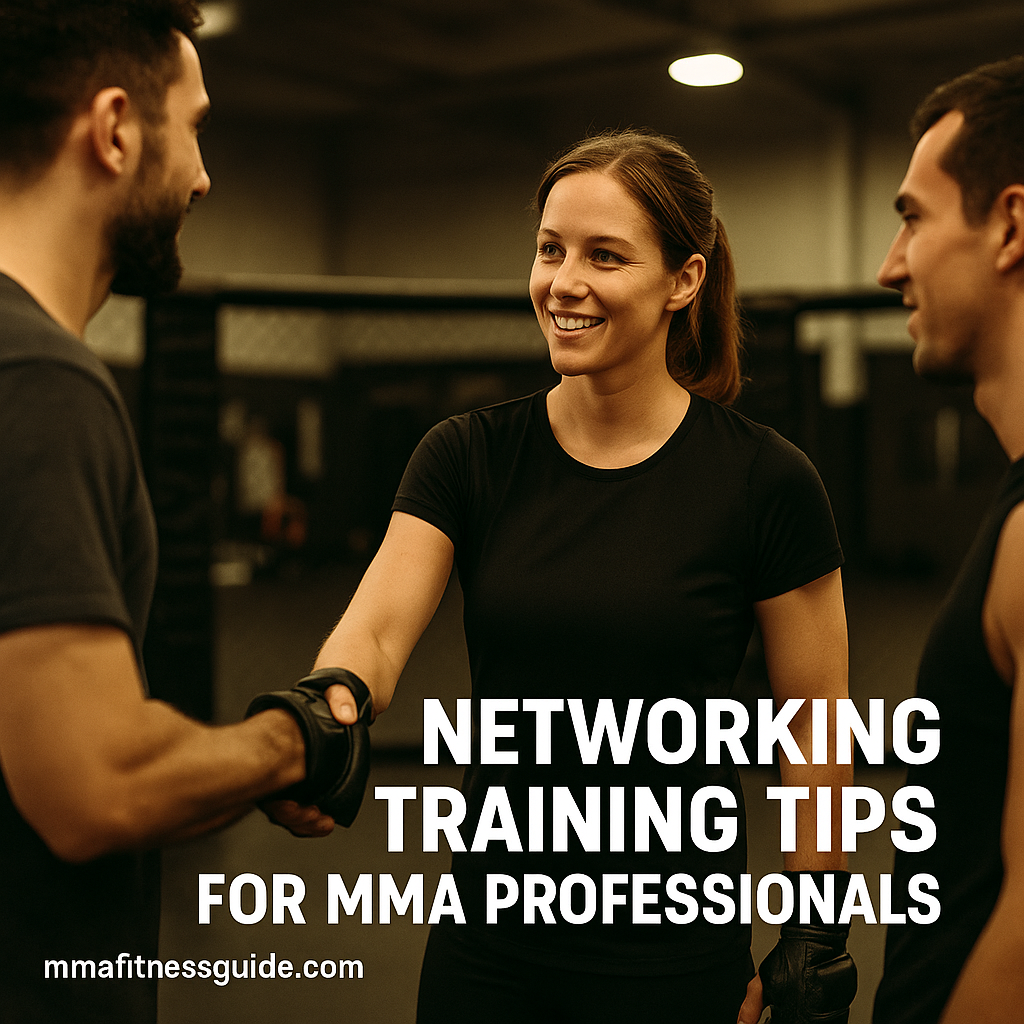
Step 8: Network at Events
Attend local fight nights, seminars, or expos.
Talk to vendors, gym owners, and fellow athletes — sponsorships often start with conversations, not emails.
Bring:
- A few business cards
- A positive, confident attitude
- Knowledge of your own brand and audience
Face-to-face connections leave lasting impressions.
Step 9: Stay Authentic
Don’t chase every sponsor. Partner only with brands you genuinely believe in.
Fans can tell when you’re authentic — and authenticity builds lasting reputation.
When you represent products or services you actually use, your promotion becomes effortless and real.
Key Takeaways
- Build your personal brand before approaching sponsors.
- Start small with local businesses and grow your portfolio.
- Create a professional fighter media kit.
- Offer real value — sponsorships are partnerships.
- Stay authentic and consistent.
Sponsorships aren’t just about money — they’re about relationships.
As Georges St-Pierre said,
“Respect and consistency are worth more than any belt.”
Build both, and the right sponsors will find you.