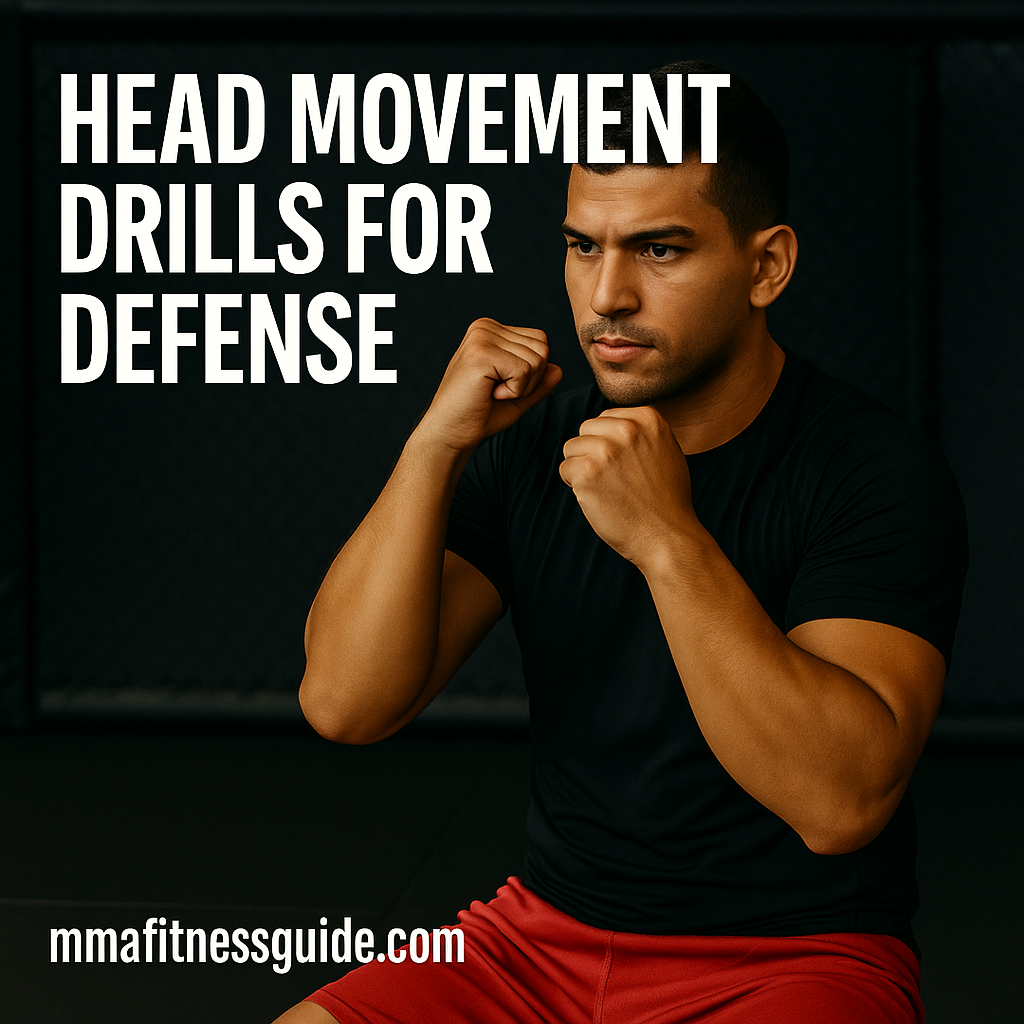
Head movement is one of the most effective defensive tools in striking. Whether you train MMA, boxing, Muay Thai, or kickboxing, slipping, rolling, and weaving help you avoid punches, counter faster, and stay safe during exchanges. Good head movement isn’t about wild motions — it’s about small, efficient angles that make your opponent miss while keeping you balanced and ready to strike back.
These drills help you build instinctive defense, sharper timing, and better reaction speed.
Why Head Movement Matters in MMA
Head movement gives you several key advantages:
- Avoid incoming punches without wasting energy
- Create counterstrike opportunities
- Stay balanced for pivots and angles
- Reduce overall damage taken in sparring
- Make your defense unpredictable
- Improve timing and reaction speed
Even small improvements in your slips and rolls can completely change how opponents attack you.
Key Principles of Good Head Movement
Before jumping into drills, understand the fundamentals:
Stay relaxed
Tension slows your reactions and makes movement stiff.
Keep your hands up
Head movement should work with your guard, not replace it.
Move from your legs and hips
Good slips come from your base, not neck-only movement.
Keep motions small
Over-slipping leaves you off-balance and vulnerable.
Maintain vision
Never look away — always track your opponent’s centerline.
Essential Head Movement Drills for Fighters
These drills build timing, rhythm, and natural defensive reactions.
Slip Line Drill
One of the simplest and most effective drills.
How to do it
- Hang a rope or wrap a hand wrap across two points
- Stand under the line
- Slip left and right while keeping your stance
- Add rolls under the line
Benefits
- Improves timing
- Trains small, efficient movements
- Builds posture and balance
Start slow, then gradually add footwork.
Mirror Shadowboxing
Shadowboxing with focus on head movement sharpens technique.
How to do it
- Face a mirror
- Throw light punches
- Slip, roll, and weave after each strike
- Watch your form
Benefits
- Corrects posture
- Builds fluidity
- Helps you see mistakes instantly
Great for technical rounds.
Slip and Counter Drill
Defense sets up offense — this drill teaches you both.
How to do it
- Throw a jab
- Slip as if avoiding a jab
- Counter with cross, hook, or body shot
Benefits
- Builds muscle memory
- Improves counter timing
- Creates natural defensive reactions
This drill directly transfers to sparring.
Partner Feint Drill
A great low-contact drill for timing.
How to do it
- Partner throws light feints (jabs, crosses)
- You respond with small slips or rolls
- Add light counters
Benefits
- Develops real-time reactions
- Helps you read shoulder and hip cues
- Builds defensive instincts
Keep it light — this drill focuses on timing, not speed.
Double-End Bag Head Movement
The double-end bag mimics real punch rhythm and unpredictability.
How to do it
- Strike the bag lightly
- Slip or roll as it swings back
- Add footwork and angles
Benefits
- Improves reaction speed
- Trains timing while under movement pressure
- Forces clean technique
Short rounds (1–2 minutes) work best.
Roll Under Hooks Drill
Perfect for learning how to avoid looping shots.
How to do it
- Imagine a hook coming from either side
- Bend at the knees
- Roll under the punch
- Pop up ready to counter
Benefits
- Builds hip mobility
- Strengthens legs
- Keeps your base stable
Practice both left and right sides.
Defensive Footwork and Head Movement Flow
Combine slips, pivots, and angles.
How to do it
- Slip → pivot
- Roll → step out
- Jab → slip → angle
- Add light strikes
Benefits
- Builds fluid transitions
- Improves cage movement
- Helps you stay unpredictable
This drill ties everything together.
Tips to Improve Head Movement Faster
- Stay loose in the shoulders and neck
- Keep your stance centered
- Don’t slip too far off the centerline
- Pair head movement with footwork
- Drill slowly before speeding up
- Visualize real punches coming at you
Consistency beats intensity — small daily reps build instinctive defense.
Final Takeaway
Head movement is one of the most valuable defensive tools in MMA. With the right drills, you can slip punches, create angles, and counter with power while taking far less damage in training and competition. Practice these movements slowly, stay relaxed, and focus on efficiency — your defense and counter game will skyrocket.