Introduction
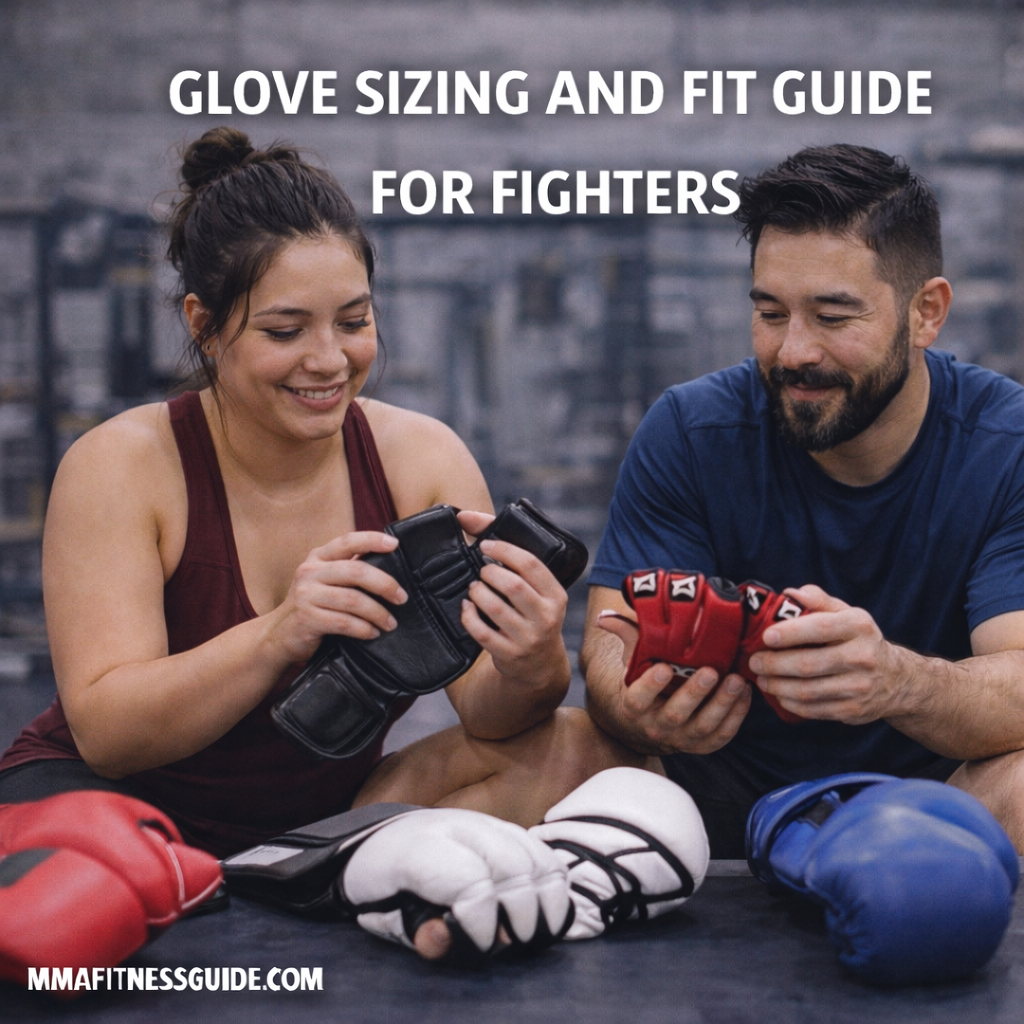
Choosing the right gloves is one of the most important equipment decisions a fighter can make. Proper glove sizing and fit affect performance, comfort, safety, and long-term hand health. Gloves that are too tight restrict movement and circulation, while gloves that are too loose increase injury risk and reduce striking control.
This guide breaks down glove sizing, fit considerations, and common mistakes so fighters can train and compete with confidence.
Why Proper Glove Fit Matters
Gloves are not just padding—they are protective tools designed to support the hand and wrist during impact.
Properly fitted gloves help:
- Reduce hand and wrist injuries
- Improve striking accuracy
- Enhance grip and control
- Maintain comfort during long sessions
- Extend glove lifespan
Poor fit can lead to chronic hand pain and performance issues.
Types of Gloves Fighters Use
Different training situations require different gloves.
Common glove types include:
- MMA sparring gloves
- MMA competition gloves
- Boxing gloves
- Bag gloves
- Hybrid training gloves
Each type uses different sizing standards.
Understanding Glove Sizing Systems
Gloves are sized in two main ways.
Weight-Based Sizing (Ounces)
Boxing gloves are typically sized by weight.
Common sizes:
- 8 oz: Competition or light training
- 10 oz: Pad work and lighter bag work
- 12 oz: Technical training
- 14–16 oz: Sparring and protection
Heavier gloves provide more padding and protection.
Hand Measurement and Fit-Based Sizing
MMA gloves often use:
- Small, Medium, Large, Extra Large sizing
- Hand circumference measurements
- Bodyweight ranges
Always check the brand’s sizing chart, as fit varies.
How to Measure Your Hand Correctly
Accurate measurements improve glove selection.
Steps:
- Measure dominant hand
- Wrap a tape around the knuckles (excluding the thumb)
- Keep the hand relaxed
- Compare measurement to the manufacturer’s chart
Wrist circumference may also be required.
Proper Glove Fit Checklist
A properly fitted glove should:
- Feel snug but not restrictive
- Allow full fist closure
- Keep fingers aligned naturally
- Support the wrist securely
- Stay in place during movement
There should be no numbness or excessive pressure.
Finger Length and Compartment Fit
Finger placement matters, especially in MMA gloves.
Watch for:
- Fingers fully reaching glove tips
- No bending or cramping
- Natural finger separation
Short finger compartments reduce grip and comfort.
Wrist Support and Closure Systems
Wrist support plays a major role in injury prevention.
Common closure types:
- Velcro straps
- Lace-up gloves
- Hybrid lace-to-velcro systems
Straps should feel secure without cutting circulation.
Glove Fit for Sparring vs Bag Work
Different activities require different fits.
Sparring gloves:
- Slightly roomier
- More padding
- Increased protection
Bag gloves:
- Tighter fit
- Denser padding
- Better feedback
Avoid using one glove type for everything.
Common Glove Fit Mistakes Fighters Make
Avoid these common errors:
- Buying gloves too small for aesthetics
- Ignoring brand-specific sizing
- Using worn-out gloves too long
- Over-tightening wrist straps
- Training with numb or tingling fingers
Comfort and protection come first.
Breaking In New Gloves
New gloves often feel stiff at first.
Break-in tips:
- Use light training sessions initially
- Flex gloves gently by hand
- Avoid soaking or excessive heat
- Allow gloves to air dry fully
Proper break-in improves comfort and longevity.
When to Replace Your Gloves
Gloves don’t last forever.
Signs replacement is needed:
- Padding feels compressed
- Wrist support weakens
- Cracks or tears appear
- Persistent odor despite cleaning
Worn gloves increase injury risk.
Choosing Gloves for Competition
Competition gloves are typically regulated.
Important considerations:
- Promotion-approved models
- Proper size and weight
- Secure wrist closure
- No internal damage
Always verify rules before competition.
Hygiene and Glove Fit
Poor hygiene affects fit and safety.
Best practices:
- Air dry gloves after training
- Use glove deodorizers
- Clean interior regularly
- Avoid storing in sealed bags
Clean gloves maintain shape and comfort.
Brand Differences in Sizing
Not all gloves fit the same.
Differences may include:
- Narrow vs wide hand profiles
- Longer or shorter finger compartments
- Softer or stiffer padding
Trying gloves on when possible is ideal.
Final Thoughts
Glove sizing and fit are critical for fighter safety, performance, and longevity. The right gloves feel like an extension of your hands—secure, comfortable, and supportive without distraction. Taking the time to measure correctly, understand glove types, and avoid common mistakes pays off every time you train or compete.
Protect your hands. They’re one of your most valuable tools.