Introduction
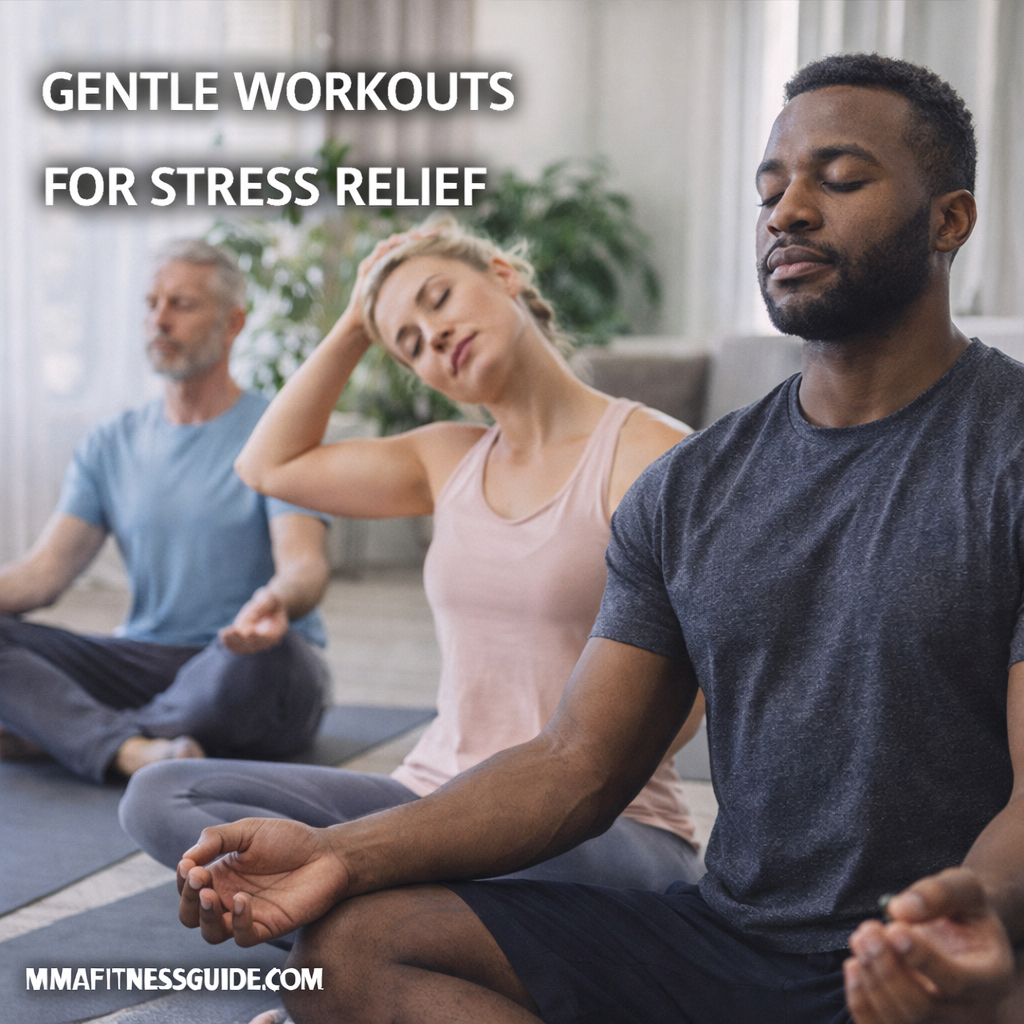
Exercise doesn’t have to be intense to be effective—especially when stress relief is the goal. Gentle workouts help calm the nervous system, release physical tension, and improve mood without exhausting the body. For beginners, these low-impact movements provide a safe, accessible way to manage stress while building healthy habits.
Gentle workouts focus on consistency, comfort, and connection to the body rather than pushing limits.
How Gentle Movement Reduces Stress
Stress affects both the mind and body.
Gentle exercise helps by:
- Lowering cortisol levels
- Improving circulation
- Releasing muscle tension
- Supporting nervous system regulation
- Encouraging mindful awareness
Movement signals safety to the body, allowing stress to unwind naturally.
Why Beginners Benefit from Gentle Workouts
High-intensity exercise can sometimes increase stress for beginners.
Gentle workouts:
- Reduce intimidation and pressure
- Lower injury risk
- Encourage consistency
- Build confidence through comfort
The goal is to feel better after movement—not depleted.
Walking for Stress Relief
Walking is one of the most effective stress-relief exercises.
Benefits include:
- Easy accessibility
- Rhythmic movement
- Improved mood and clarity
- Low joint impact
Even short walks can significantly reduce mental tension.
Stretching and Mobility Exercises
Gentle stretching releases stored tension.
Helpful focus areas include:
- Neck and shoulders
- Hips and lower back
- Hamstrings and calves
Move slowly and breathe deeply during stretches.
Yoga for Relaxation
Beginner-friendly yoga promotes relaxation and body awareness.
Benefits include:
- Improved flexibility
- Controlled breathing
- Mind-body connection
- Reduced anxiety
Gentle yoga styles emphasize comfort over intensity.
Breathing-Based Movement
Breath-led movement enhances relaxation.
Examples include:
- Slow flow stretches
- Seated mobility with breathing
- Controlled transitions between poses
Breathing guides the pace and reduces mental chatter.
Tai Chi and Flow-Based Exercises
Tai Chi and similar practices emphasize fluid motion.
Benefits include:
- Calm, meditative movement
- Improved balance
- Reduced mental noise
- Enhanced coordination
These practices are ideal for stress management.
Light Strength Training for Calm Focus
Strength training doesn’t need to be intense.
Gentle strength options include:
- Bodyweight exercises
- Light resistance bands
- Controlled tempo movements
Focus on form and breathing rather than exertion.
Low-Impact Cardio Options
Gentle cardio improves mood without overstimulation.
Options include:
- Stationary cycling
- Swimming
- Elliptical machines
Maintain a pace where breathing remains comfortable.
Creating a Stress-Relief Workout Routine
Consistency matters more than duration.
Beginner guidelines:
- 10–30 minutes per session
- 3–5 days per week
- Comfortable pace
- Flexible scheduling
Short sessions are still effective.
Listening to Your Body
Gentle workouts emphasize awareness.
Pay attention to:
- Muscle tension
- Breathing rhythm
- Energy levels
- Emotional response
Stop or modify movements that increase discomfort.
Combining Movement with Mindfulness
Mindfulness amplifies stress relief.
Try:
- Focusing on breath during movement
- Noticing physical sensations
- Letting go of performance goals
Presence enhances relaxation.
Gentle Workouts at Home vs Outdoors
Environment affects stress reduction.
At home:
- Quiet and familiar
- Easy to control pacing
Outdoors:
- Fresh air
- Natural light
- Mood-boosting scenery
Choose what feels most calming.
Common Mistakes Beginners Make
Avoid these stress-increasing habits:
- Turning gentle workouts into intense sessions
- Comparing yourself to others
- Ignoring discomfort
- Skipping recovery
Stress relief comes from ease, not effort.
When Gentle Workouts Are Most Helpful
Gentle movement is especially beneficial:
- After long workdays
- During high-stress periods
- While recovering from illness or injury
- On rest days from harder training
They support balance and recovery.
Building a Long-Term Stress-Relief Habit
Sustainability is key.
Helpful tips:
- Schedule movement into your day
- Choose activities you enjoy
- Keep expectations realistic
- Celebrate consistency
Enjoyment fuels consistency.
Final Thoughts
Gentle workouts offer powerful stress relief without overwhelming the body or mind. For beginners, these movements create a safe entry point into fitness while supporting emotional well-being. By prioritizing comfort, breathing, and awareness, gentle exercise becomes a tool for resilience—not pressure.
Stress doesn’t require force to release—sometimes, it simply needs movement and patience.