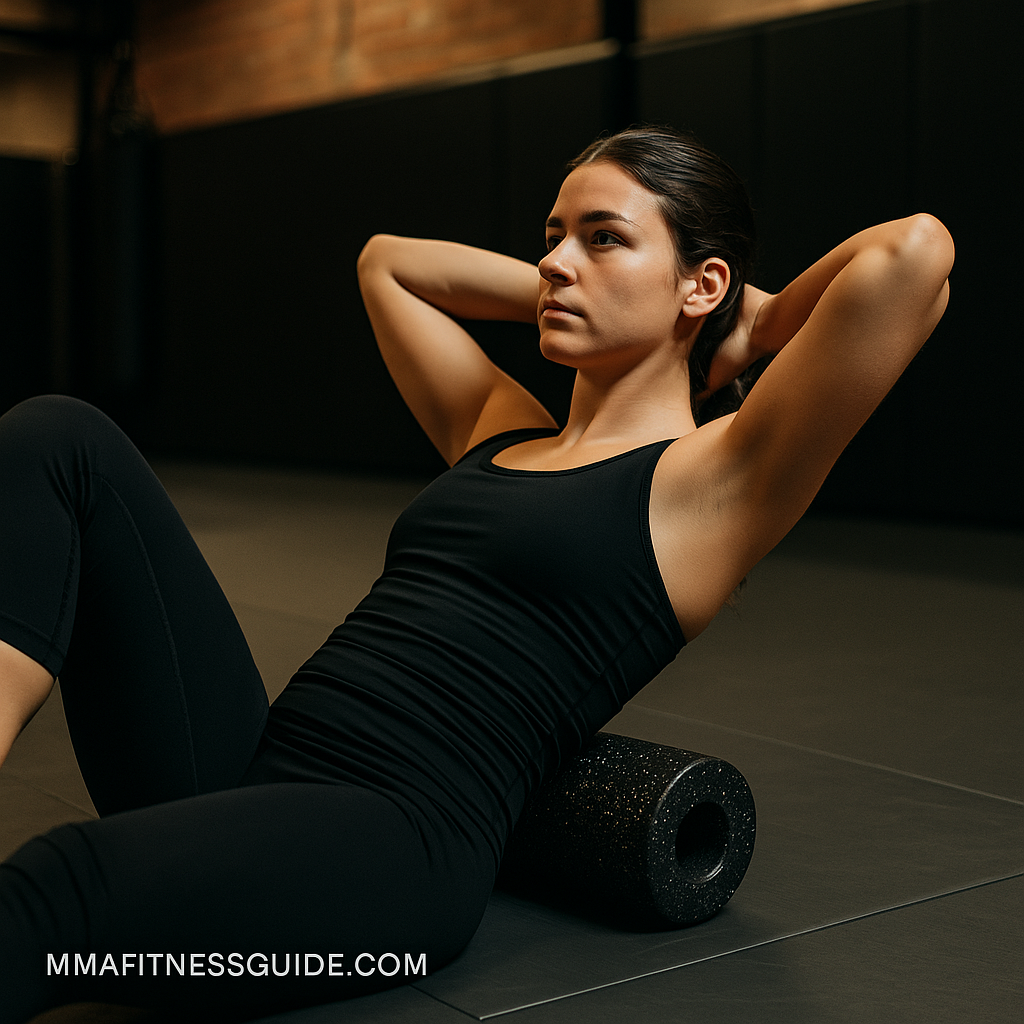
Recover Like a Pro Fighter
Recovery is where progress happens. Every punch, kick, and grapple taxes your muscles — and without proper recovery, tightness and soreness can slow you down.
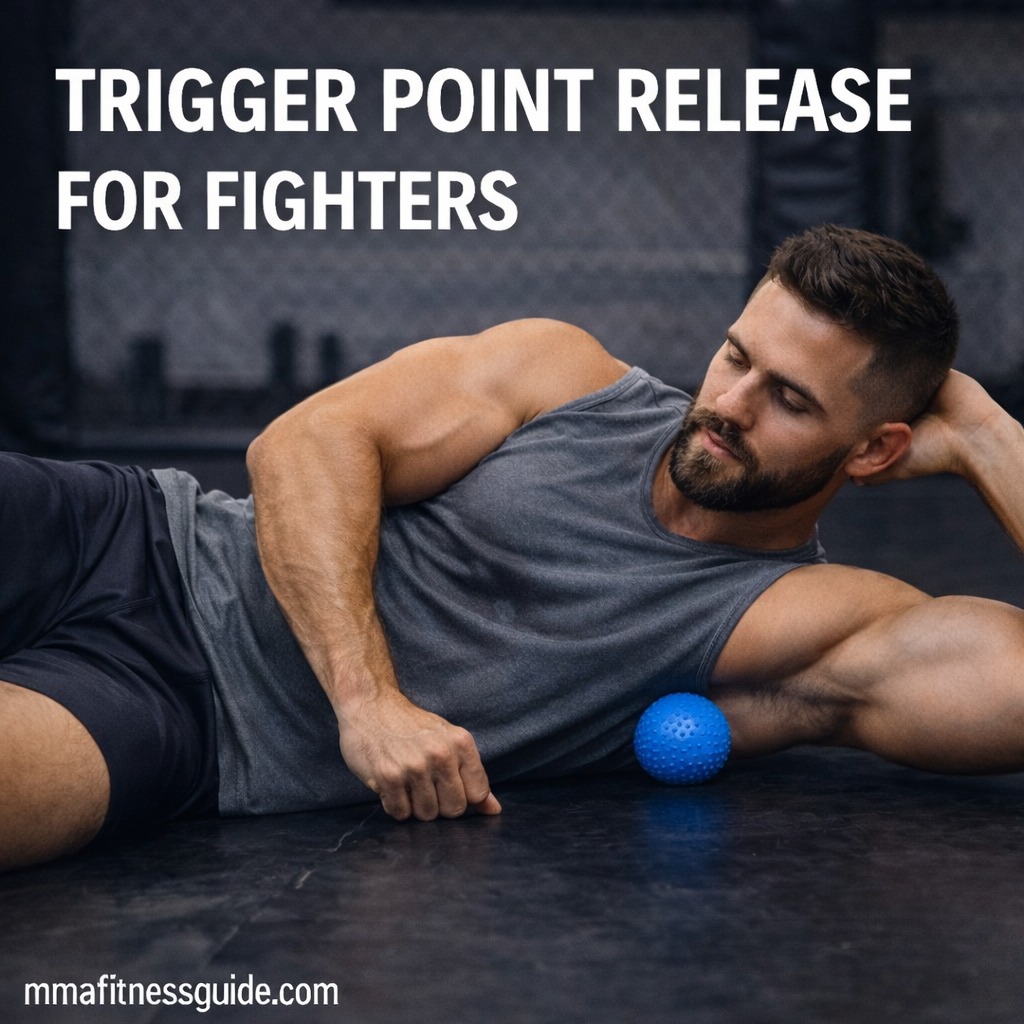
That’s where foam rolling comes in. Also known as self-myofascial release, foam rolling is one of the most effective and affordable tools for keeping your body loose, mobile, and ready for action.
Whether you’re training Muay Thai, BJJ, or MMA conditioning, foam rolling can improve flexibility, reduce pain, and help you perform at your best.
Why Foam Rolling Works
Foam rolling targets fascia — the connective tissue that wraps around your muscles.
After intense training, this tissue can become tight or knotted, limiting mobility and increasing the risk of injury.
Foam rolling helps by:
- Breaking down adhesions (“knots”) in the muscle tissue
- Improving blood flow and nutrient delivery
- Reducing post-training soreness
- Increasing flexibility and range of motion
- Aiding overall recovery between sessions
It’s like giving your muscles a mini deep-tissue massage — anytime, anywhere.
When to Foam Roll
You can use foam rolling as part of both your warm-up and cool-down routines:
- Before training: Loosens tight areas and prepares muscles for explosive movement.
- After training: Helps release tension and promotes faster recovery.
- On rest days: Keeps muscles pliable and prevents stiffness.
Aim for 10–15 minutes total per session.
Key Areas for Martial Artists
Let’s go through the top zones every fighter should target — from feet to shoulders.
1. Calves and Ankles
Tight calves restrict ankle mobility, affecting your stance, balance, and kicking technique.
How to roll:
- Sit with one leg over the other, roller under your calf.
- Roll from Achilles tendon to just below the knee.
- Rotate foot side to side to find tight spots.
- Spend 30–60 seconds per leg.
Pro tip: Use a lacrosse ball for smaller trigger points around the ankle joint.
2. Quadriceps (Front Thighs)
From sprawls to kicks, your quads take constant impact. Foam rolling them releases deep tension.
How to roll:
- Lie face down with roller under one thigh.
- Roll from hip crease to just above the knee.
- Pause and breathe on any sore spots.
Optional: Bend your knee slightly while rolling to increase pressure.
3. IT Band (Outer Thigh)
The iliotibial band stabilizes your knees during movement — but it’s prone to tightness.
How to roll:
- Lie on your side, roller under the outer thigh.
- Roll slowly from hip to just above the knee.
- Use your arms and top leg for support.
Caution: It may feel uncomfortable at first — go slow and breathe through it.
4. Glutes and Hips
Tight glutes reduce kicking height and hip mobility.
How to roll:
- Sit on the roller and cross one ankle over the opposite knee.
- Lean slightly toward the side of the raised leg.
- Roll in small circles for 30–60 seconds.
Bonus: Try rolling the hip flexors (front of the hips) to improve posture and mobility.
5. Back and Lats
A flexible back and strong lats help you absorb strikes and maintain posture during grappling.
How to roll:
- Place roller under your mid-back.
- Cross your arms and lift your hips slightly.
- Roll from mid-back to upper back — avoid the lower spine.
- For lats, turn to your side and roll from underarm to mid-rib area.
This releases tension from clinch work and grappling positions.
6. Shoulders and Chest
Striking and grappling tighten your shoulders and chest over time, leading to rounded posture.
How to roll:
- Lie face down with roller under one shoulder or upper chest.
- Move slowly across the muscle, pausing on tight areas.
- Combine with gentle stretches afterward.
For smaller areas like the rotator cuff, use a lacrosse or massage ball instead of a roller.
Foam Rolling Routine (10-Minute Example)
- Calves – 1 min each side
- Quads – 1 min each side
- Glutes – 1 min each side
- IT Band – 1 min each side
- Back and Lats – 2 mins
- Shoulders and Chest – 2 mins
Perform before bed or after training for best results.
Common Mistakes to Avoid
- Rolling too fast (take it slow and controlled)
- Holding breath (breathe through discomfort)
- Rolling directly over joints or bones
- Overdoing sore areas — moderation is key
Recovery Tip
Combine foam rolling with stretching, hydration, and sleep for a complete recovery plan.
Foam rolling alone isn’t magic — it works best as part of a consistent recovery routine.
Key Takeaways
- Foam rolling improves mobility, reduces soreness, and prevents injuries.
- Focus on key areas: calves, quads, IT band, glutes, and back.
- Roll slowly, breathe deeply, and stay consistent.
- Make it part of your daily warm-up or cooldown routine.
As Anderson Silva once said,
“The body is a weapon — take care of it like one.”
Foam rolling helps you sharpen that weapon, keeping you flexible, fast, and fight-ready.