
Introduction
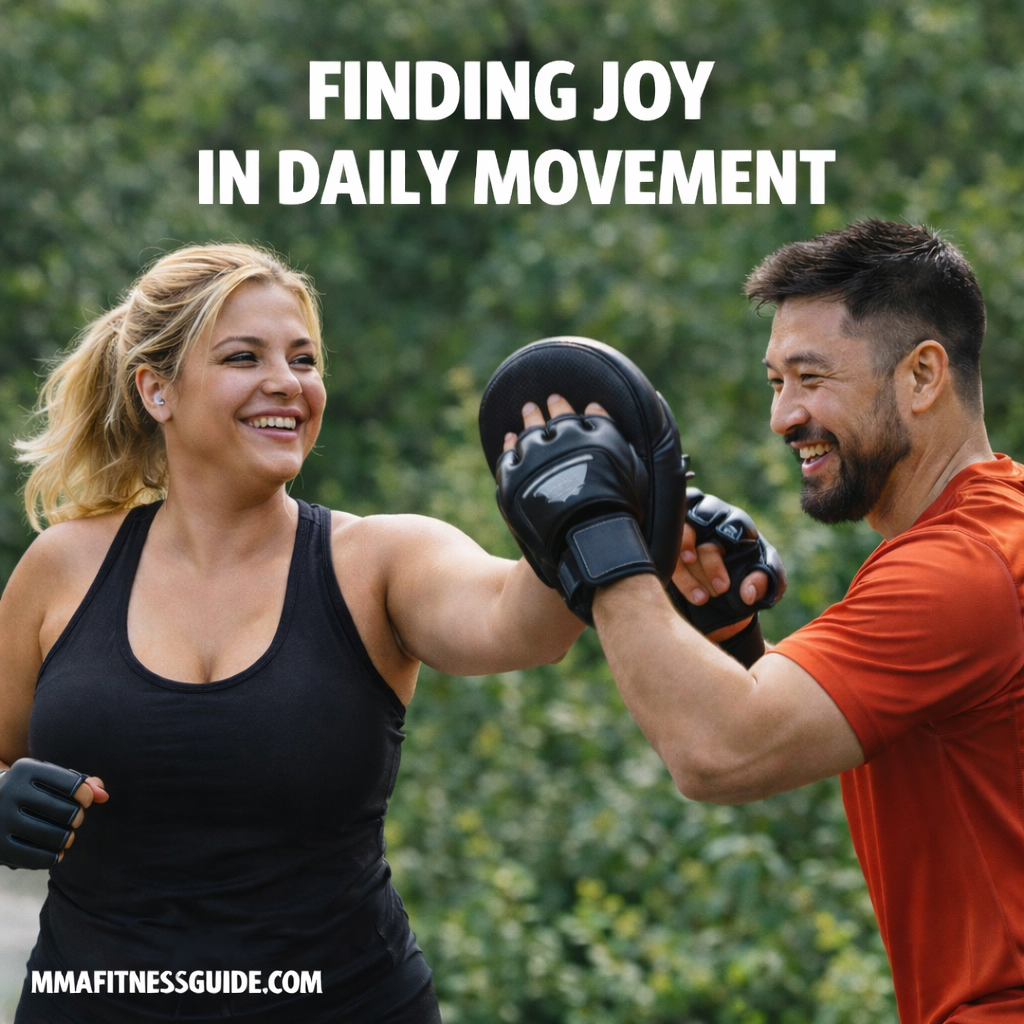
Movement does not have to feel like a chore, a punishment, or something you force yourself to do. At its best, daily movement can be a source of energy, clarity, and joy. Whether it’s a walk outside, light training, stretching, or playful activity, movement is one of the most powerful tools for improving both physical and mental well-being.
Finding joy in daily movement is about shifting perspective—from obligation to opportunity—and building habits that feel sustainable and rewarding.
Why Daily Movement Matters
Daily movement supports far more than physical fitness. Even small amounts of consistent activity have wide-reaching benefits.
Regular movement helps:
- Improve mood and reduce stress
- Increase energy and focus
- Support joint health and mobility
- Improve sleep quality
- Build long-term consistency
Movement doesn’t need to be intense to be effective. Consistency matters more than intensity.
Redefining What “Movement” Means
Many people associate movement only with workouts or gym sessions. This narrow definition can make staying active feel overwhelming.
Daily movement can include:
- Walking outdoors or around your neighborhood
- Stretching or mobility work
- Dancing, hiking, or playing sports
- Light strength training or bodyweight exercises
- Physical hobbies like gardening or cleaning
When movement is flexible, it becomes easier to enjoy.
Letting Go of All-or-Nothing Thinking
One of the biggest barriers to joyful movement is perfectionism.
Common traps include:
- Feeling a workout “doesn’t count” unless it’s intense
- Skipping movement entirely if time is limited
- Comparing your activity level to others
- Feeling guilty for resting
Replacing all-or-nothing thinking with a mindset of “something is better than nothing” creates freedom and consistency.
Finding Movement You Actually Enjoy
Joy comes from alignment, not obligation.
Ask yourself:
- What types of movement feel energizing?
- Do you prefer solo or social activities?
- Indoor or outdoor movement?
- Structured routines or spontaneous activity?
Enjoyment increases adherence. If you dread an activity, it’s unlikely to become a lasting habit.
The Role of Environment in Motivation
Your surroundings can either support or drain your motivation to move.
Helpful environment shifts include:
- Walking in natural settings when possible
- Creating a clutter-free space for movement at home
- Wearing comfortable, confidence-boosting clothing
- Choosing music or podcasts you enjoy
Small environmental changes can make movement feel inviting instead of forced.
Using Movement as Stress Relief, Not Stress
Movement should help regulate stress, not add to it.
Joyful movement often:
- Feels grounding rather than exhausting
- Improves mood instead of creating pressure
- Supports recovery instead of burnout
- Leaves you feeling better afterward
Listening to your body’s signals helps you choose the right type of movement each day.
Building a Daily Movement Habit
Consistency grows when habits are simple and realistic.
Strategies for daily movement:
- Set a minimum baseline (5–10 minutes)
- Attach movement to existing routines
- Focus on how movement makes you feel afterward
- Celebrate consistency, not performance
Habits built on enjoyment are easier to maintain long term.
Movement as a Form of Self-Connection
Daily movement can be a way to reconnect with your body and mind.
Benefits include:
- Increased body awareness
- Improved emotional regulation
- Greater appreciation for what your body can do
- Reduced self-criticism
When movement becomes a form of self-care, motivation shifts naturally.
Overcoming Low-Motivation Days
Motivation fluctuates. That’s normal.
On low-energy days:
- Choose gentler movement
- Shorten the duration
- Focus on mobility or walking
- Remove expectations
Showing up in a small way keeps the habit alive without forcing intensity.
Letting Joy Be the Goal
Not every movement session needs a measurable outcome.
Joy-centered movement focuses on:
- Feeling present in your body
- Enjoying the process
- Moving for pleasure, not punishment
- Valuing mental benefits as much as physical ones
When joy becomes the goal, movement becomes something you look forward to.
Final Thoughts
Finding joy in daily movement is not about doing more—it’s about doing what feels right for you. By redefining movement, releasing pressure, and listening to your body, you can build an active lifestyle that supports both your physical health and emotional well-being.
Movement is not something you have to earn. It’s something you get to enjoy.