Your trusted source for MMA fitness, nutrition, and fighter-level health.
Category: Martial Arts Styles & Technique
Martial Arts Styles & Technique breaks down striking, grappling, defensive systems, and stylistic approaches used in MMA. Articles focus on fundamentals, style development, technique balance, and applying martial arts concepts effectively in training.
Male MMA fighter executing a powerful judo hip throw during training, demonstrating technique and control.
From the Dojo to the Octagon
Judo’s influence on MMA is undeniable. Long before grappling became mainstream, judo practitioners were demonstrating how leverage, timing, and technique could overpower raw strength.
From Ronda Rousey’s lightning-fast armbar setups to Karo Parisyan’s hip tosses, judo has repeatedly proven that throws can change the course of a fight — fast.
Let’s explore the judo techniques that truly translate into mixed martial arts competition.
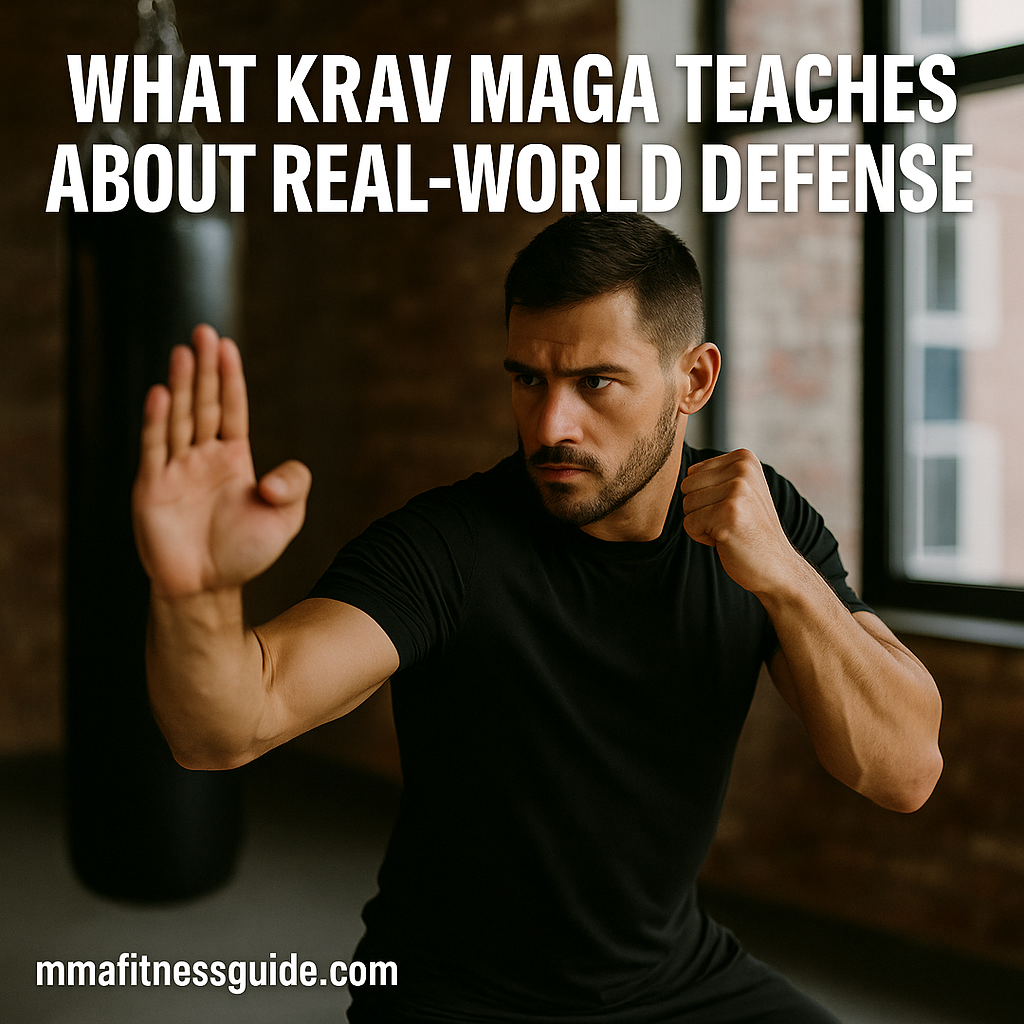
Male MMA fighter training self-defense techniques inspired by Krav Maga to improve awareness and real-world readiness.
Beyond the Gym: The Reality of Self-Defense
Most martial arts focus on competition — rounds, points, and rules. Krav Maga is different. Born out of necessity, it’s a real-world combat system designed for one purpose: survival.
Developed by Imi Lichtenfeld for the Israeli Defense Forces, Krav Maga combines techniques from boxing, wrestling, judo, and street fighting. It’s direct, practical, and brutally efficient — built for real-life threats, not tournament trophies.
For MMA athletes, studying Krav Maga adds a layer of awareness and adaptability that can carry over to both training and life.
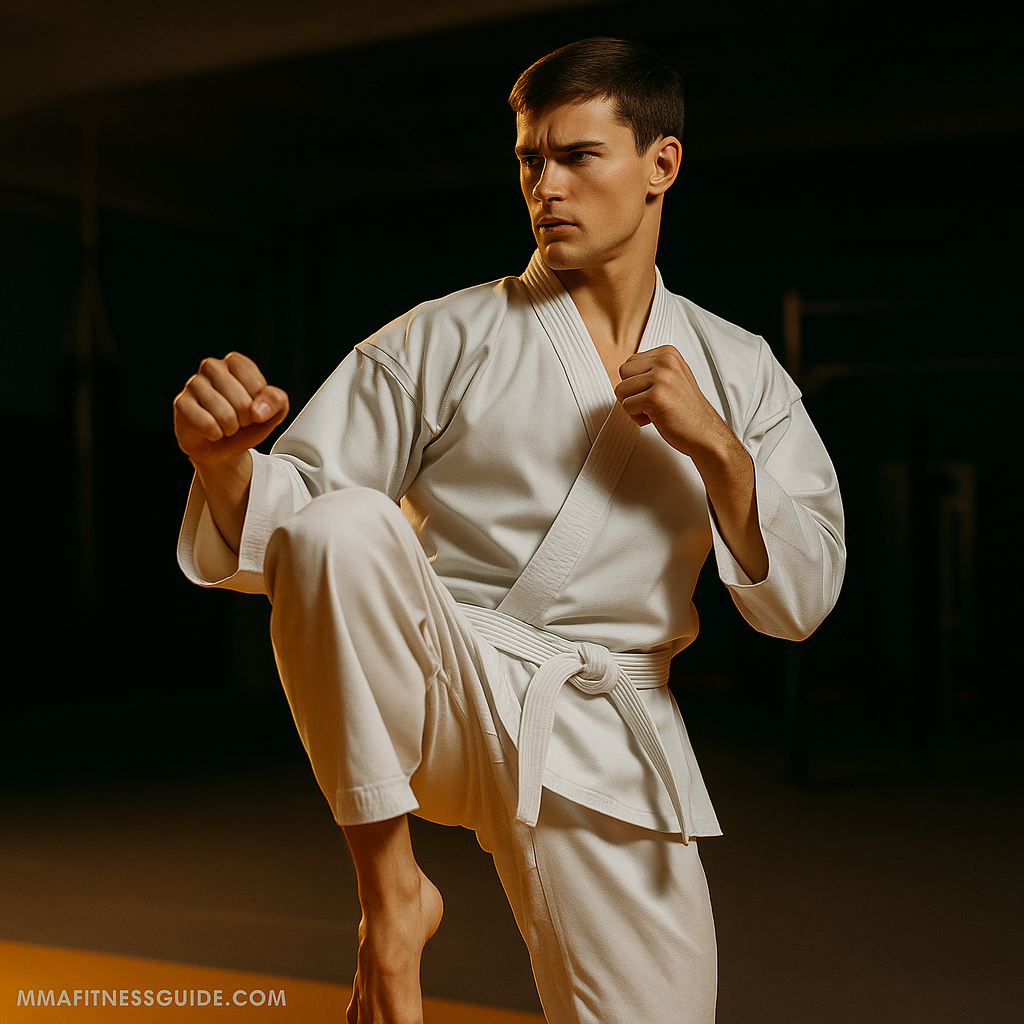
Male martial artist posing in a balanced stance symbolizing precision, control, and adaptability in modern MMA.
From Dojang to Octagon
Tae Kwon Do is known for its speed, precision, and spectacular kicking techniques — but can those flashy moves actually work in MMA?
The answer is yes — when adapted for real fight conditions. Modern mixed martial artists like Anthony Pettis, Edson Barboza, and Yair Rodríguez have shown that Tae Kwon Do’s explosive kicks can be just as effective in the cage as they are in competition.
Let’s break down which techniques translate best, how to modify them for MMA, and what makes Tae Kwon Do a hidden weapon for creative strikers.
Male MMA athlete training balance and agility through controlled kickwork, reflecting precision and control in martial arts.
The Return of Traditional Techniques
When MMA first exploded in the 1990s, many believed traditional martial arts like Karate had no place in the cage.
But time — and elite fighters like Lyoto Machida, Stephen “Wonderboy” Thompson, and Georges St-Pierre — proved everyone wrong.
Karate’s emphasis on timing, distance control, and precision has made it a secret weapon in modern MMA. It’s not about flashy kata or point fighting — it’s about translating centuries of striking wisdom into cage efficiency.
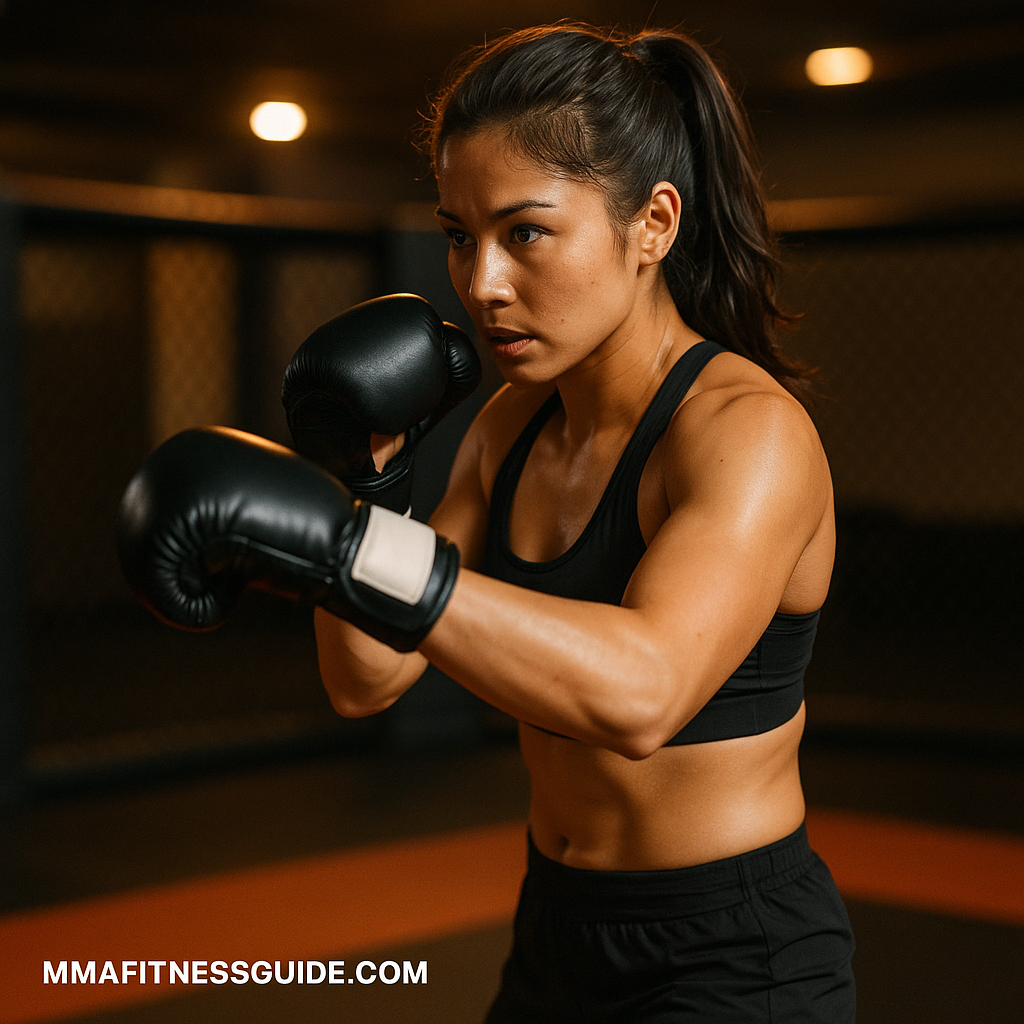
Female MMA fighter practicing boxing combinations and defensive movement, showing precision and focus in MMA striking training.
Why Boxing Is Essential for MMA
While mixed martial arts blends many styles, boxing remains one of the most important striking foundations. It teaches precision, timing, defense, and controlled aggression — all crucial for both stand-up exchanges and takedown setups.
But boxing for MMA isn’t exactly the same as traditional boxing. The stance, range, and defensive tactics must adapt to the threat of kicks, knees, and takedowns. Learning to integrate these techniques can make the difference between a good striker and a truly complete fighter.
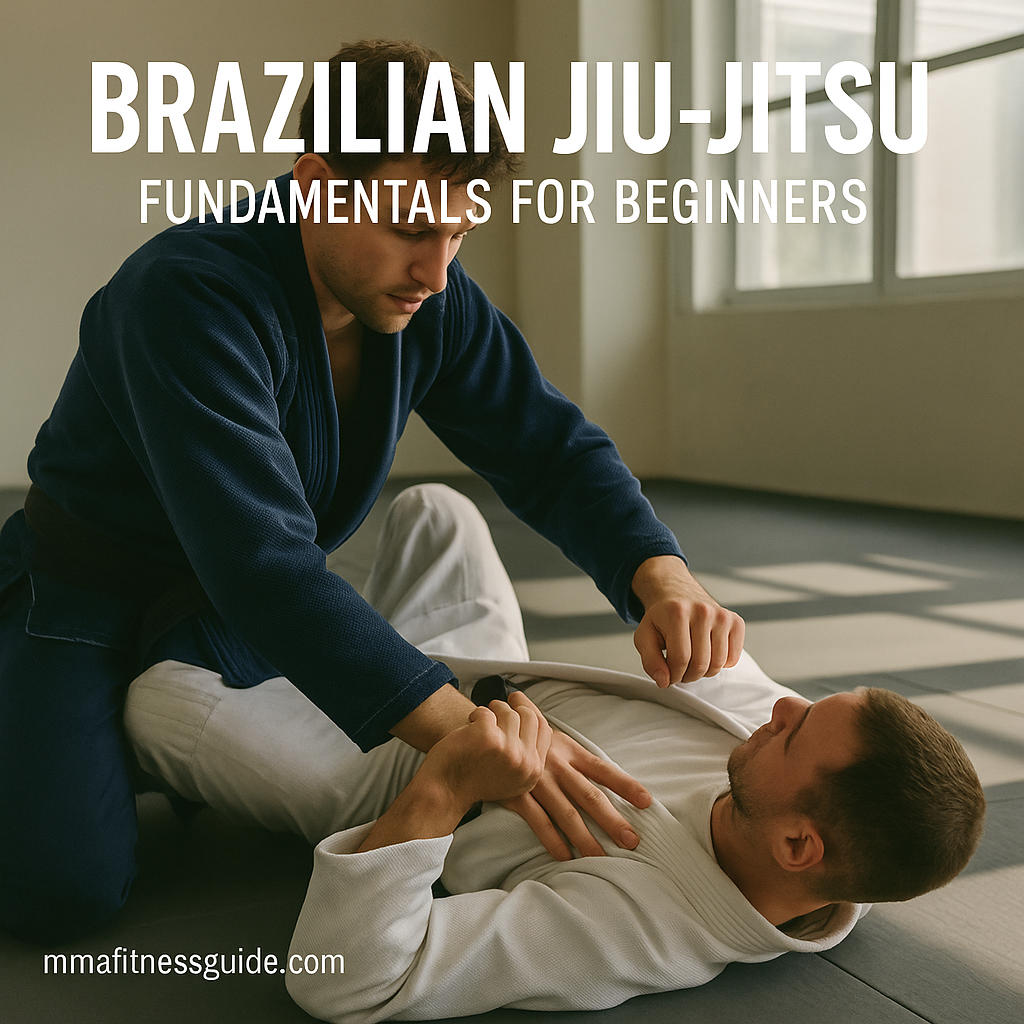
Two beginners practicing Brazilian Jiu-Jitsu fundamentals in a bright dojo, focusing on technique and control.
The Gentle Art: Where Technique Beats Strength
Brazilian Jiu-Jitsu (BJJ) is often called “the gentle art,” but don’t let the name fool you — it’s one of the most effective and technical martial arts in the world. Rooted in leverage, control, and precision, BJJ teaches smaller or less powerful practitioners to overcome larger opponents using skill and strategy rather than brute force.
Whether you’re training for MMA, self-defense, or pure fitness, mastering the fundamentals of BJJ gives you a foundation for life — balance, patience, and awareness.
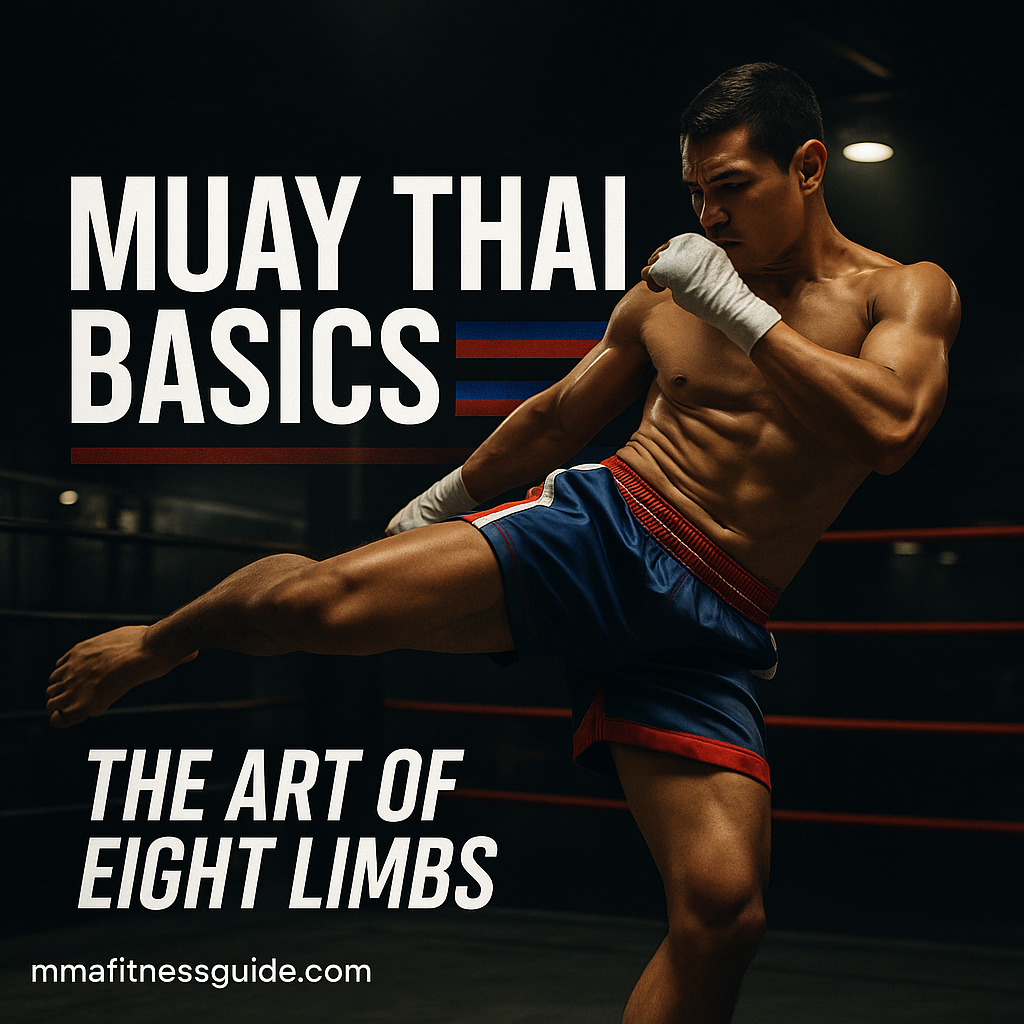
A Muay Thai fighter demonstrates the art of eight limbs — mastering punches, kicks, elbows, and knees for total-body power.
Muay Thai, often called the “Art of Eight Limbs,” is one of the most effective and respected striking systems used in modern mixed martial arts and combat fitness training. Known for its use of fists, elbows, knees, and shins, Muay Thai develops full-body strength, endurance, balance, and mental toughness through disciplined, high-intensity movement.
For MMA fitness enthusiasts, Muay Thai is more than a fighting style — it is a complete conditioning system. Its emphasis on coordinated strikes, controlled breathing, and repetitive drills makes it an excellent foundation for improving cardiovascular health, muscular endurance, and overall athletic performance. Whether you are new to MMA-inspired fitness or looking to enhance your current training routine, Muay Thai offers scalable benefits for all experience levels.
This guide explains the fundamentals of Muay Thai, why it plays such a major role in MMA fitness, and how it can be trained safely and effectively as part of a conditioning-focused workout program.