Your trusted source for MMA fitness, nutrition, and fighter-level health.
Author: mmafitnessguide
MMA Fitness Guide is an independent digital publication producing editorial content focused on mixed martial arts training, fitness fundamentals, injury prevention, performance nutrition, and mindset development. Articles are created through research and practical training principles with an emphasis on clarity, safety, and long-term consistency. Some visual assets may be AI-assisted for illustrative purposes, and all content is intended for informational use only, not as a substitute for professional coaching or medical advice.
Male MMA athlete drilling footwork to create striking angles.
Great fighters don’t just move — they disappear, reappear, and strike from angles opponents never see coming. Footwork is the engine behind this. Whether you’re cutting off the cage, slipping out of danger, or opening up counterstrike paths, mastering angles turns your movement into a weapon.
Male MMA athlete fueling training with a plant-based diet.
More MMA athletes are turning to plant-based nutrition to improve endurance, recovery, and overall performance. While old-school training culture often emphasized meat-heavy diets, today’s fighters are proving that you can fuel strength and explosiveness with plants — and do it without sacrificing power.
Female MMA athlete training reaction speed during shadowboxing.
Reaction time can be the difference between slipping a punch or eating it. Whether you’re counterstriking, defending takedowns, or finding openings during scrambles, faster reactions make every technique sharper and every decision smarter. The good news? Reaction time isn’t genetic destiny — it’s a trainable skill.
A gym owner reviewing budgeting and cash flow to keep his small MMA gym running smoothly.
Introduction
Running a small MMA gym is rewarding, but it’s also a real financial challenge. Most owners are passionate coaches first and business managers second — which means budgeting, forecasting, and cash flow often get pushed aside until problems appear.
But the truth is simple: the more predictable your money becomes, the more stable your gym becomes. You train better athletes, offer more programs, and reduce stress when you have a clear financial plan. This guide breaks down practical budgeting and cash flow strategies tailored specifically for small MMA gyms.
A reflective moment symbolizing how setbacks can fuel a stronger growth mindset in both training and life.
Introduction
Everyone wants to win — in training, in competition, and in life. But the truth is, the moments that shape you most aren’t the victories. They’re the losses. The times you fell short. The times you made mistakes. The times you questioned yourself.
Losses sting, but they also teach. And adopting a growth mindset — the belief that you can improve through effort, learning, and resilience — transforms setbacks into stepping stones. Whether you’re a fighter in the gym or just someone trying to get better in daily life, the lessons from losses can be some of the most powerful tools for progress.
A beginner-friendly visual promoting simple nutrition habits to support new training routines.
Introduction
Starting a new fitness routine is exciting — but it can also feel overwhelming, especially when nutrition enters the mix. You want more energy, better results, and healthier habits, but you don’t want complicated meal plans or strict diets. The truth is, beginners don’t need perfection. They need simple, repeatable nutrition habits that support training and build long-term consistency.
Whether you’re hitting MMA classes, running, lifting, or just getting active again, these easy nutrition tips will help fuel your progress and make your new fitness lifestyle feel natural.
A seasoned wrestler representing the powerful grappling dynasties that shaped modern MMA.
Introduction
Wrestling has always been one of the strongest foundations in MMA. It shapes champions, determines who controls the grappling exchanges, and creates fighters who can dictate where the fight goes. But behind many great wrestlers are families, cultures, and dynasties that have produced generation after generation of elite combat athletes.
From Dagestani mountain camps to American college rooms, these wrestling dynasties have influenced MMA more than almost any other force. Here’s how they shaped the sport — and the fighters dominating it today.
A fighter practicing mental control and channeling aggression with purpose during training.
Introduction
Aggression is part of combat. It’s natural to feel a surge of intensity, anger, or adrenaline when you’re fighting, sparring, or competing. But in MMA, aggression alone doesn’t win fights — control does.
The best fighters in the world aren’t just tough. They’re composed. They know how to tap into aggression without letting it take over. Understanding the psychology behind aggression and control can help you perform better, stay calm in the cage, and fight with purpose instead of emotion.
Here’s how fighters build the mental skill of controlled aggression.
A fighter evaluating whether minor pain is safe to train through during MMA sessions.
Introduction
Every fighter has felt it — a nagging ache, a tight joint, or a small pinch during warm-ups. In MMA, “minor pain” is almost a normal part of training. But knowing when to push through and when to back off is one of the most important skills for long-term success.
Ignore the wrong pain, and you can turn a small issue into a real injury. Rest too often, and you miss out on valuable training. This guide breaks down how to judge pain, protect your body, and train smart without derailing your progress.
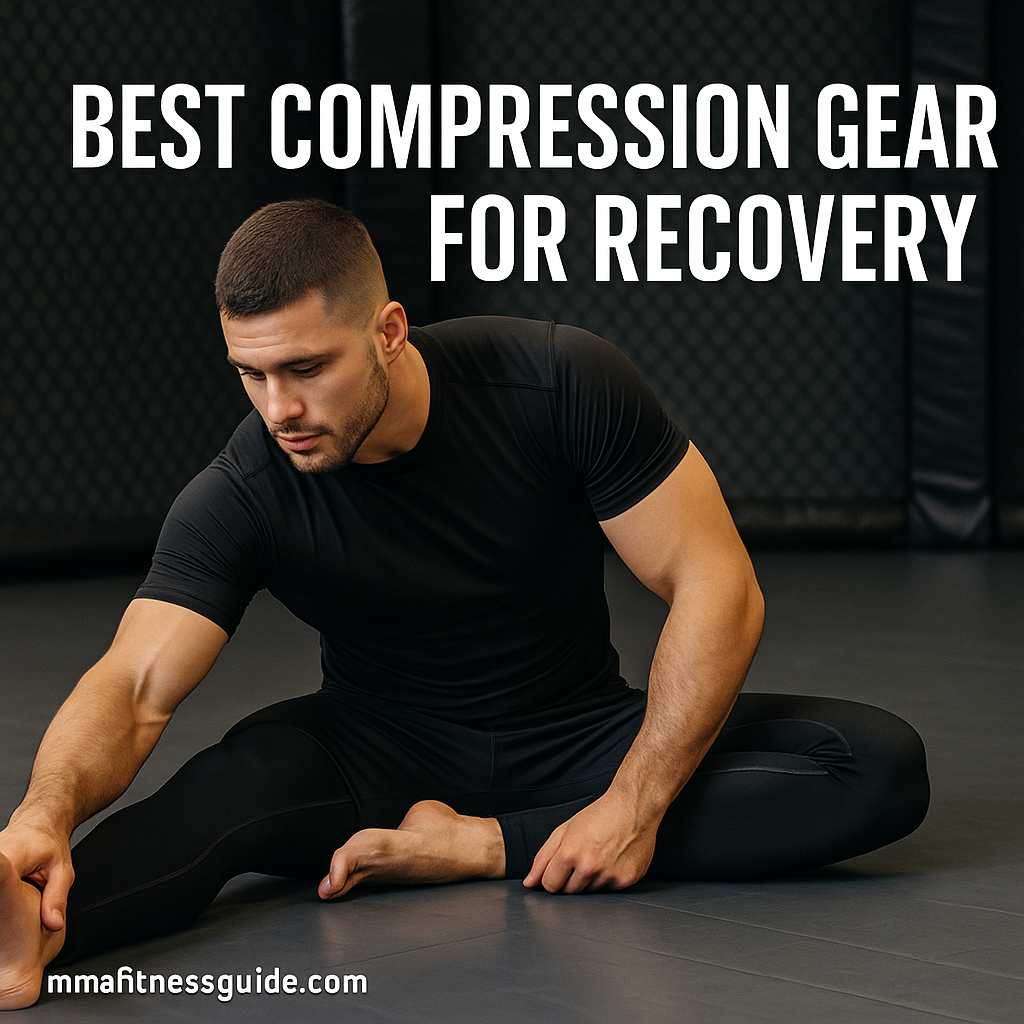
A fighter using compression gear to support faster recovery and reduce post-training soreness.
Introduction
Between grappling rounds, hard sparring, and strength training, MMA takes a serious toll on your muscles and joints. Recovery isn’t optional — it’s part of what allows you to show up stronger for your next session. One of the simplest tools to boost recovery is compression gear.
From tights to sleeves to socks, compression equipment helps improve circulation, reduce swelling, and support your muscles so you bounce back faster. Whether you’re a beginner or an experienced fighter, smart use of compression gear can make a noticeable difference in how you feel the next day.
Here’s the gear worth adding to your recovery routine.