MMA Eat for Muscle Gain Without Bulking Too Much

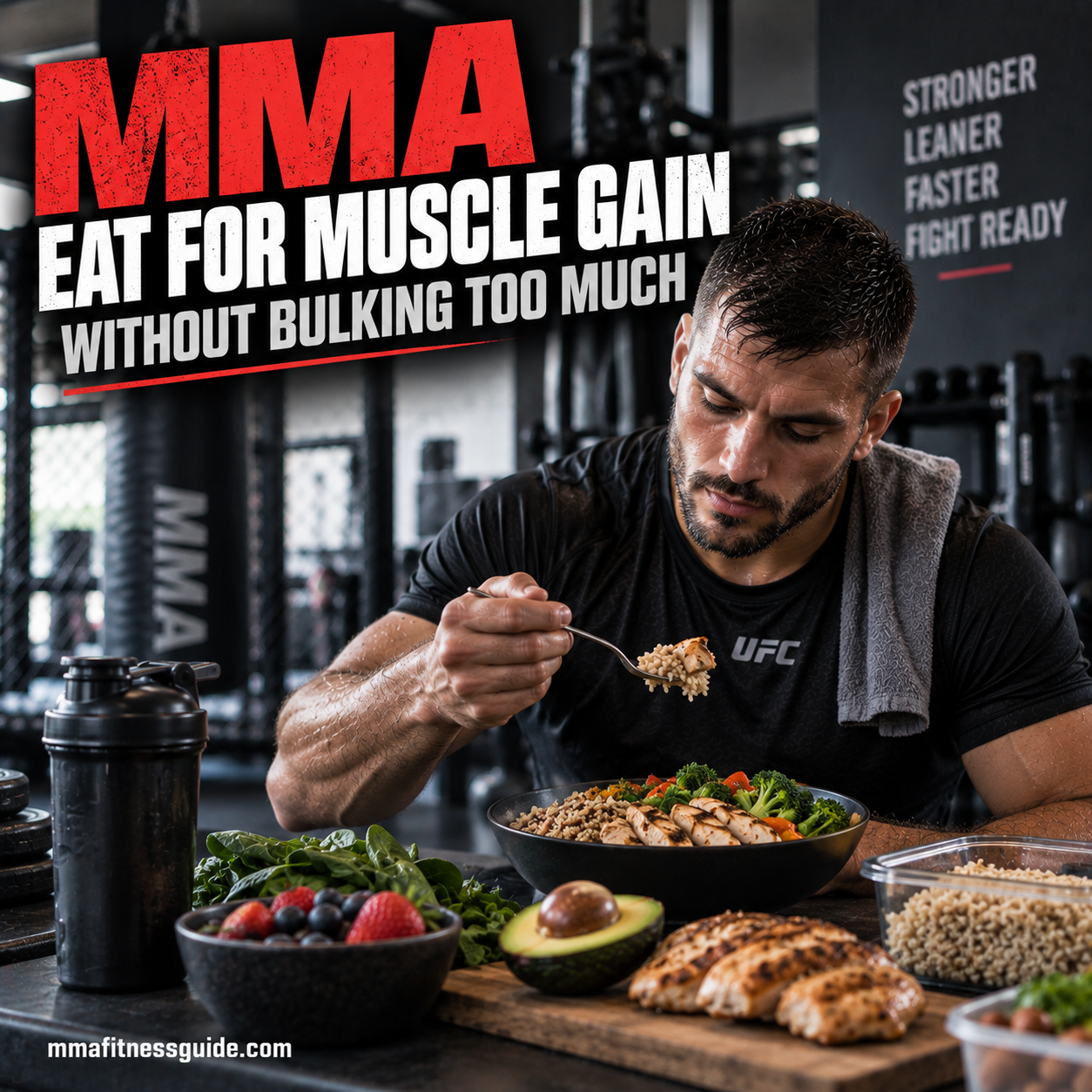
MMA fighter eating a balanced meal of grilled chicken, rice, and vegetables after training to support gradual muscle gain.
Adequate protein, carbohydrates, and a controlled calorie surplus can help MMA fighters build muscle while managing body weight.

Adding five pounds of muscle might help a fighter improve strength in the clinch, generate more force during takedowns, or maintain control on the ground. However, gaining weight too quickly can also change how an athlete moves, increase the energy required for certain activities, and complicate weight-class management.

Unlike bodybuilding, MMA requires athletes to balance muscle development with conditioning, mobility, technical skills, and competition weight. Additional muscle is only useful when it contributes to performance without creating problems elsewhere.

The goal is to gain muscle gradually while maintaining the ability to train, recover, and compete effectively. A modest calorie surplus, adequate protein, sufficient carbohydrates, and progressive strength training provide a practical starting point.

The following nutrition strategies can help fighters increase muscle mass while monitoring body weight, conditioning, and performance throughout the process.

Continue reading “MMA Eat for Muscle Gain Without Bulking Too Much”
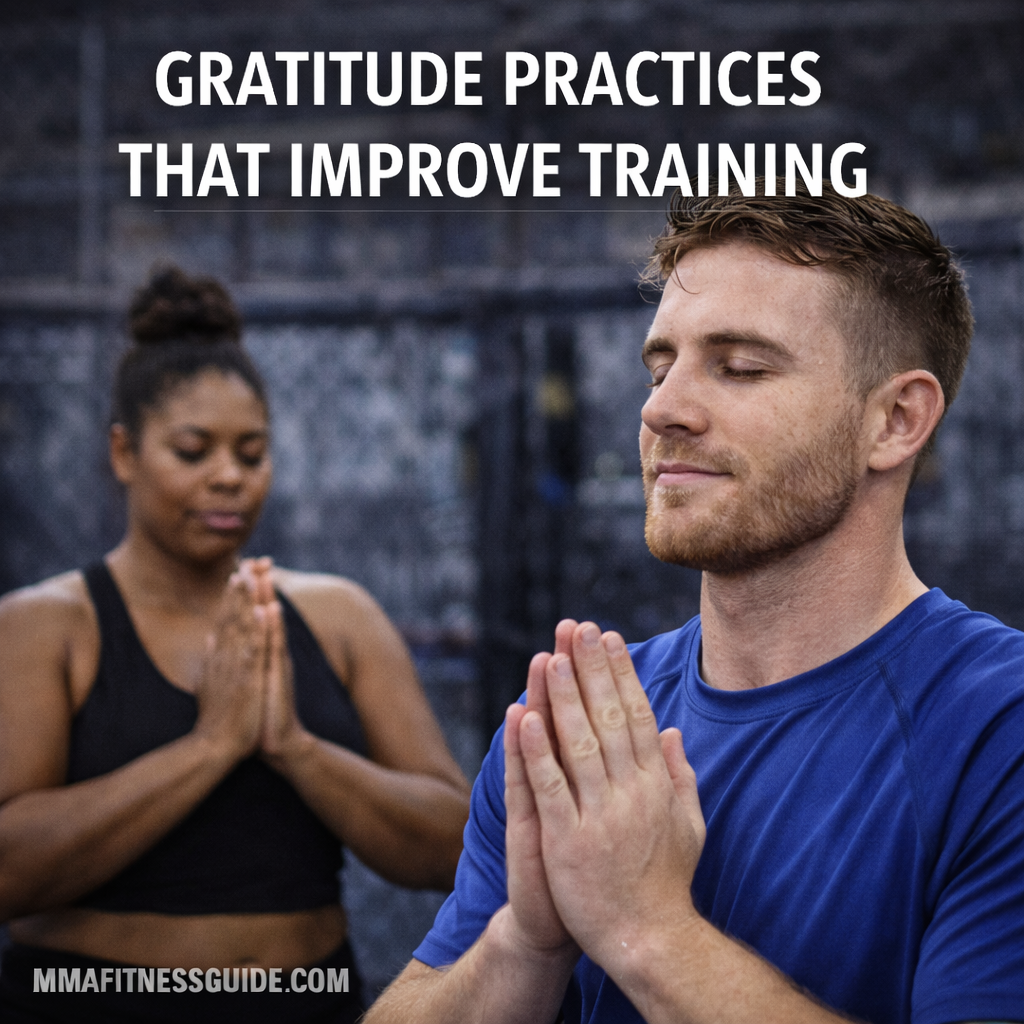

Gratitude Practices That Improve Training

MMA athlete writing in a gratitude journal after training inside a combat sports gym.
A brief post-training reflection can help athletes recognize progress, learn from difficult sessions, and appreciate the people who contribute to their development.

After a frustrating sparring session, it’s easy to replay the punches you ate, the takedown you couldn’t finish, or the rounds where your conditioning fell apart. What’s harder is noticing that a skilled teammate gave you honest work, your coach spotted something you can fix, and you walked away knowing exactly where you need to improve.

That shift in attention is where gratitude can become useful for an athlete.

It doesn’t mean pretending a bad session was good or lowering your competitive standards. It means recognizing what training is giving you alongside what still needs work.

A brief post-training reflection, thanking a training partner, or acknowledging one small improvement can help keep difficult sessions and setbacks in perspective. Practiced consistently, gratitude becomes less about forced positivity and more about developing a healthier, steadier relationship with training.

Continue reading “Gratitude Practices That Improve Training”

Hydration Basics for New Athletes

MMA athlete drinking water after a sweaty training session in a combat sports gym.
Fluid needs vary with training intensity, sweat rate, temperature, and workout duration, making regular hydration an important part of an athlete’s routine.

Halfway through an MMA class, dehydration can become difficult to ignore. Your mouth feels dry, the room seems hotter, your concentration starts slipping, and the rounds feel harder than they did at the beginning.

Sweating during boxing, grappling, conditioning, or strength training means losing both water and electrolytes. How much you lose depends on the workout, your individual sweat rate, the temperature, humidity, clothing, and how long you’re training.

For beginners, the practical goal isn’t to calculate every ounce. Arrive reasonably hydrated, drink according to your needs during training, and replace the fluid you’ve lost afterward.

Continue reading “Hydration Basics for New Athletes”

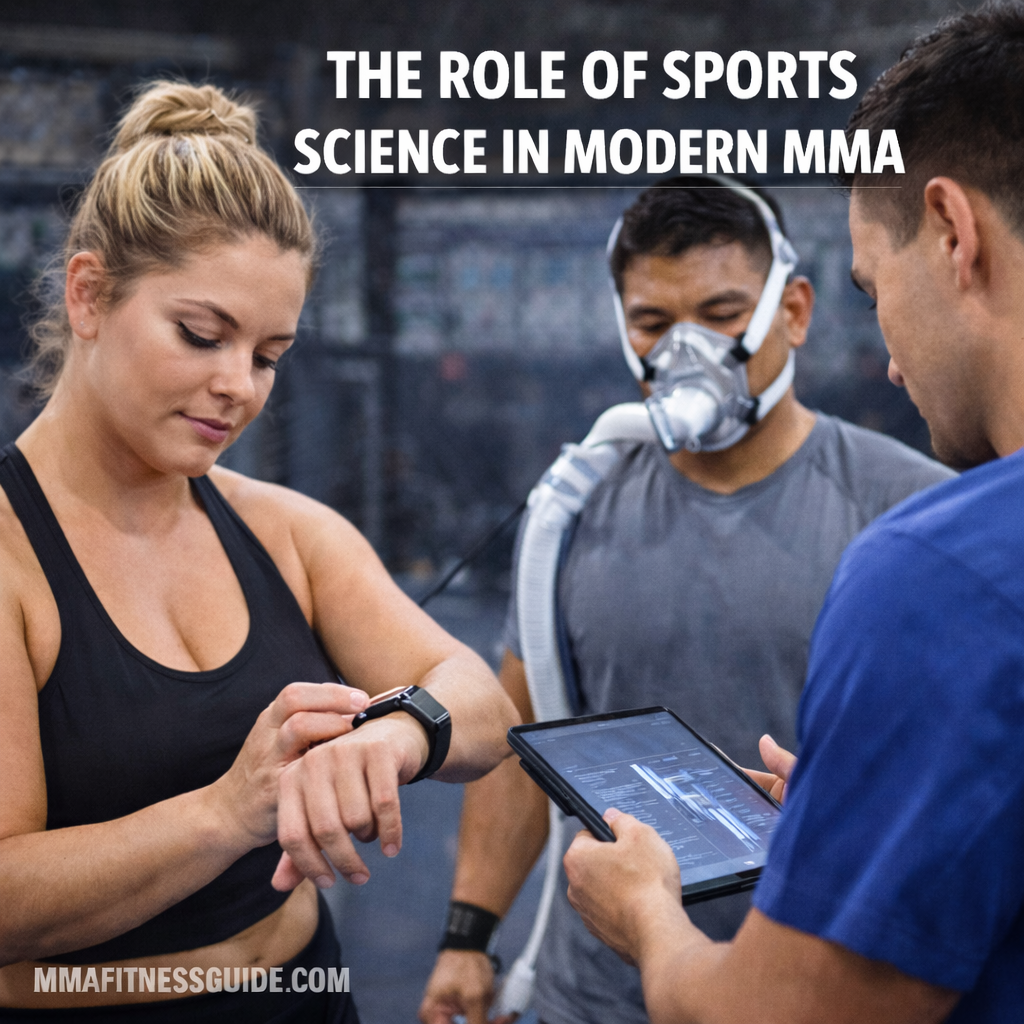
The Role of Sports Science in Modern MMA

MMA athletes using sports science technology in a gym, including smartwatch tracking and performance data analysis during training.
MMA fighters using modern sports science tools to track performance and recovery during training.

Modern MMA is no longer driven by toughness alone. While grit and experience still matter, today’s elite fighters are supported by sports science at nearly every stage of training and competition. From strength and conditioning to recovery, nutrition, and data tracking, science has reshaped how fighters prepare and how long they stay competitive.

Understanding the role of sports science in MMA helps explain why fighters are faster, more durable, and more strategic than ever before — and why longevity is becoming a realistic goal instead of an exception.

Continue reading “The Role of Sports Science in Modern MMA”

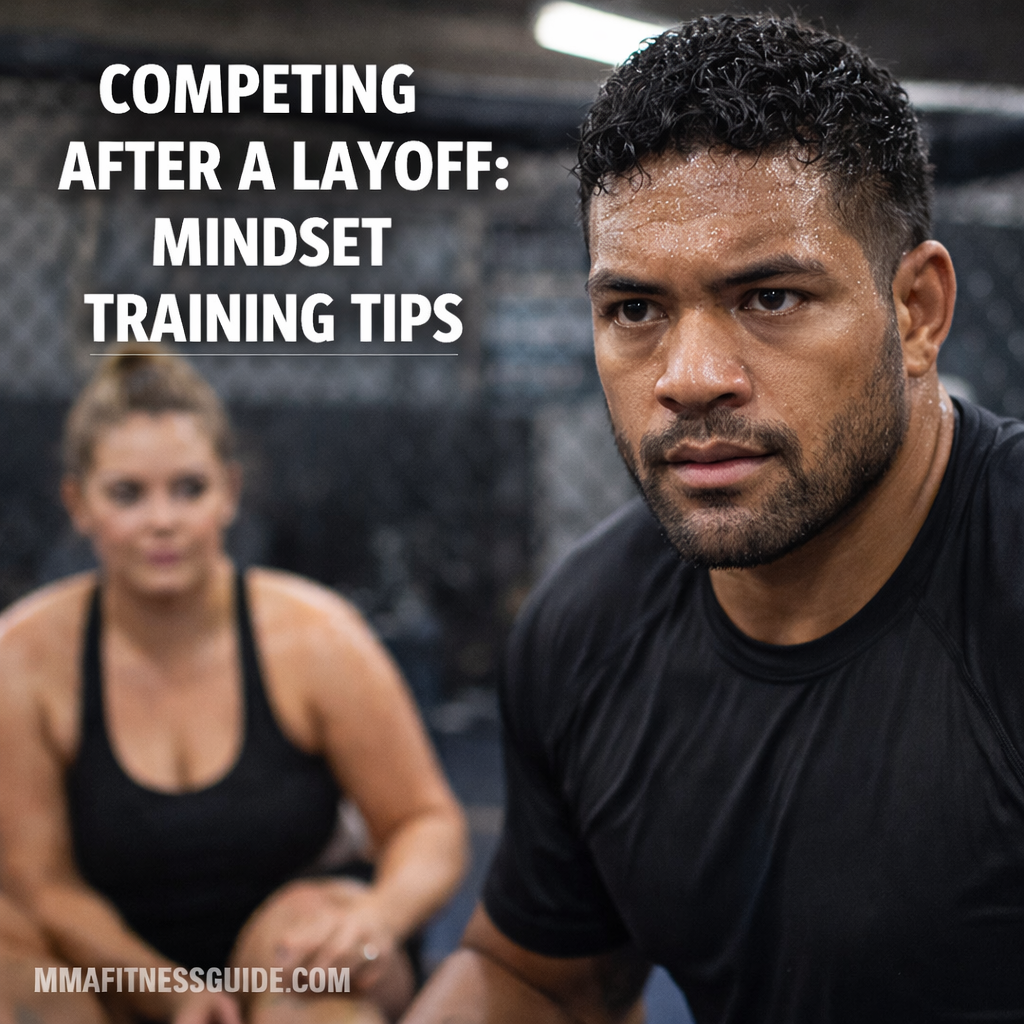
Competing After a Layoff: Mindset Training Tips

MMA fighter focused during training with a female fighter in the background, representing mindset preparation after a competition layoff.
An MMA fighter refocusing during training while preparing mentally to compete after time away.

Returning to competition after a long layoff is one of the toughest mental challenges a fighter can face. Whether the break came from injury, burnout, life responsibilities, or lost motivation, stepping back into the competitive arena often brings doubt, pressure, and fear of underperforming.

The physical side of returning gets most of the attention, but mindset determines how well you actually perform. This guide focuses on mindset training strategies to help fighters rebuild confidence, manage expectations, and compete effectively after time away.

Continue reading “Competing After a Layoff: Mindset Training Tips”

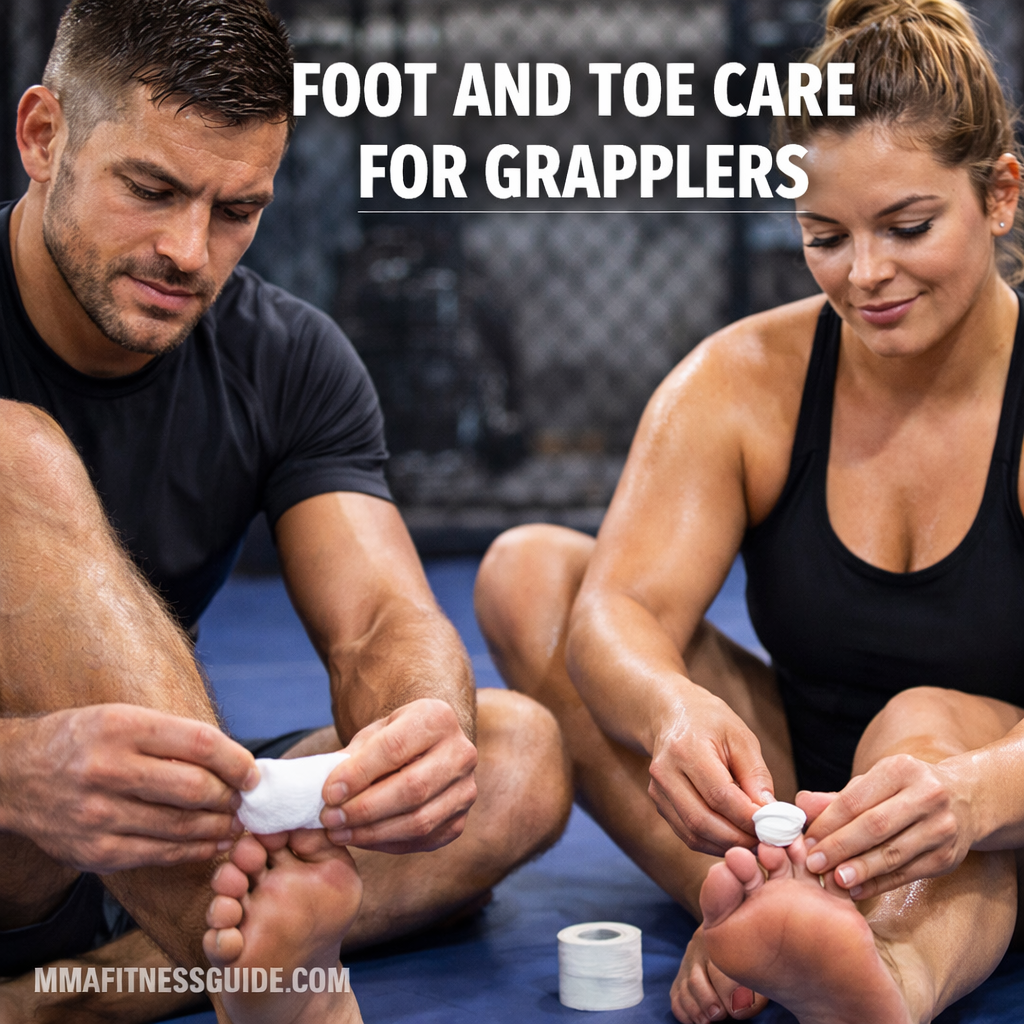
Foot and Toe Care for Grapplers

Male and female grapplers taping and treating their feet after training to prevent injuries and infections.
Two grapplers performing foot and toe care on the mats after training.

Foot and toe injuries are some of the most common — and most ignored — problems in grappling sports. Brazilian Jiu-Jitsu, wrestling, judo, and MMA grappling place constant stress on the feet through gripping, posting, twisting, and mat friction. Small issues can quickly turn into chronic pain, infections, or performance-limiting injuries if not addressed early.

Proper foot and toe care isn’t just about hygiene. It’s about maintaining balance, grip, mobility, and longevity on the mats. This guide covers essential foot care practices every grappler should follow.

Continue reading “Foot and Toe Care for Grapplers”

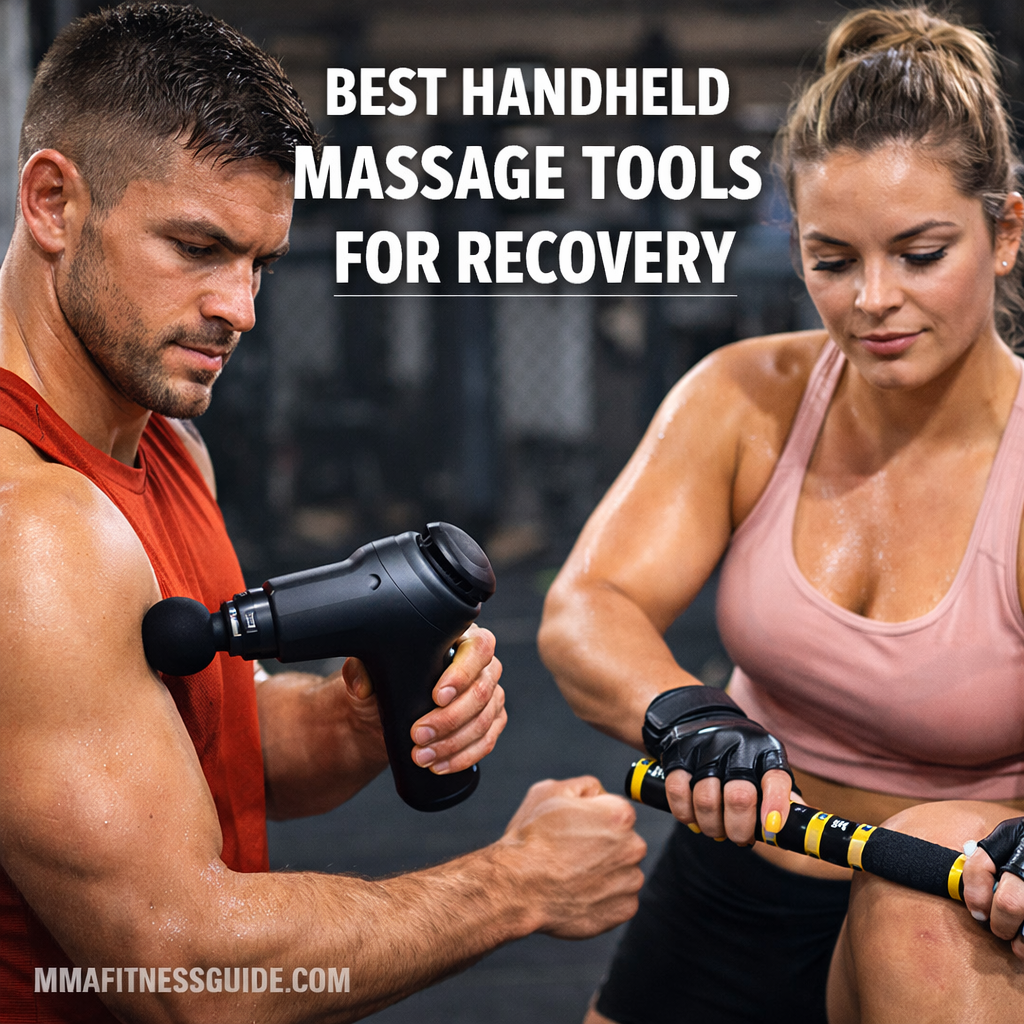
Best Handheld Massage Tools for Recovery

MMA fighter using a handheld percussion massage gun on his leg after training
Handheld massage tools can help MMA fighters manage muscle tightness and soreness between demanding training sessions.

A hard week of MMA training can leave the forearms tight from grappling, the hips stiff from wrestling, and the shoulders sore from hours of striking and clinch work. When those areas stay tight between sessions, movement can feel restricted and the next workout often starts before the body feels fully recovered.

Handheld massage tools give fighters a practical way to work on sore or tight muscles between training sessions. Percussion guns can cover larger muscle groups such as the quads and glutes, while massage sticks and trigger-point tools offer more control around the forearms, calves, shoulders, and other frequently stressed areas.

Used with sensible pressure and alongside sleep, hydration, nutrition, and mobility work, these tools can become a useful part of an MMA recovery routine—especially during periods of frequent or high-intensity training.

Continue reading “Best Handheld Massage Tools for Recovery”

MMA: Close Distance Against Longer Opponents

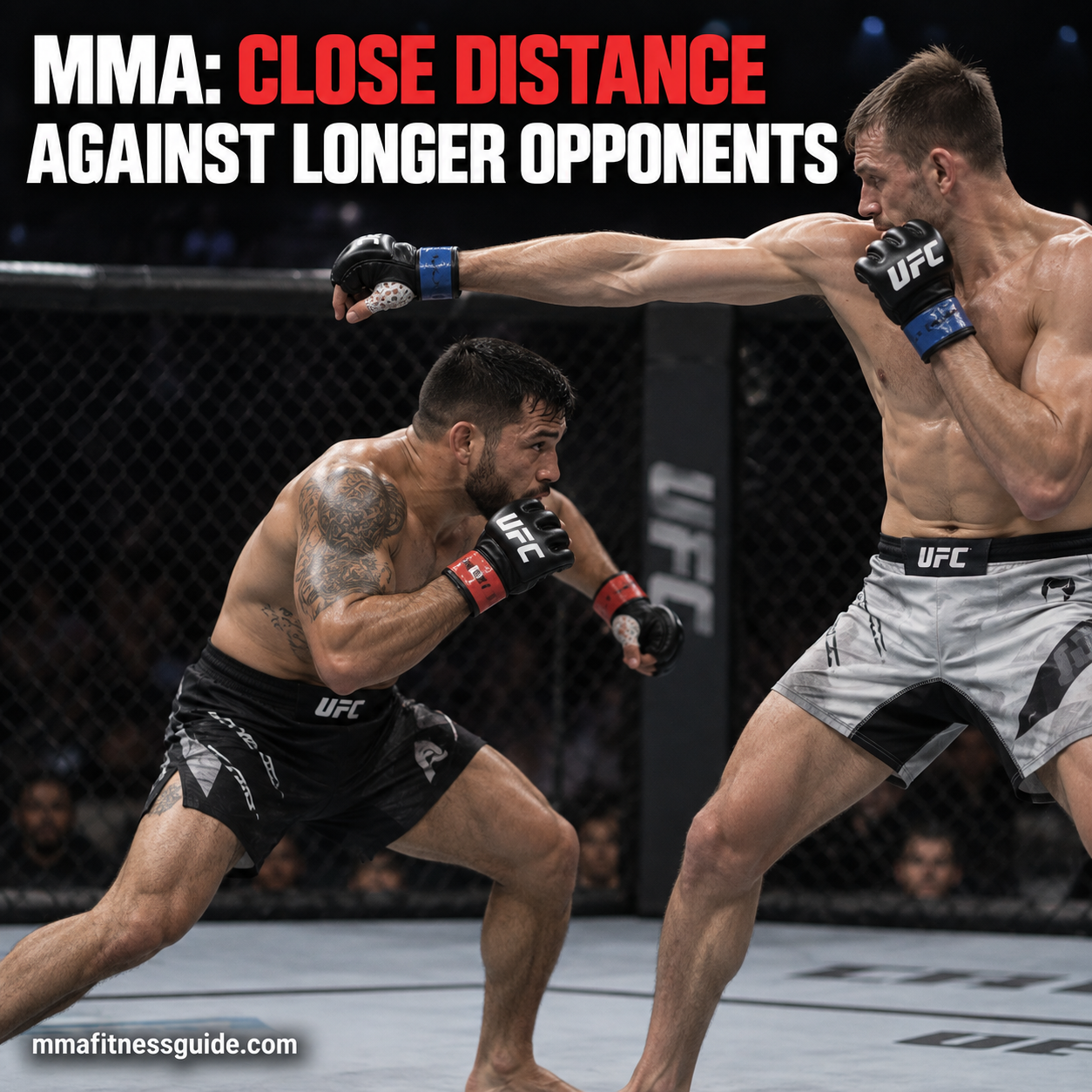
Shorter MMA fighter closing distance against a taller opponent throwing a long jab inside the cage.
Closing distance with timing, angles, and defensive movement can help shorter MMA fighters get past an opponent’s reach advantage.

A longer opponent wants to keep you exactly where their jab, teep, and straight punches can reach you while yours fall short. Stay there too long, and every attempt to attack becomes an entry they can see coming.

The solution isn’t to rush forward. A shorter fighter has to take away space without giving the opponent a clean target—using feints to trigger reactions, angles to avoid the centerline, and strikes or takedown threats to cover the entry.

Once you get past the end of their punches and kicks, the matchup changes. Hooks, body shots, clinch work, wrestling, and cage pressure can force a longer fighter to operate at a range where their reach provides far less protection.

Continue reading “MMA: Close Distance Against Longer Opponents”

The Truth About Energy Drinks for Fighters

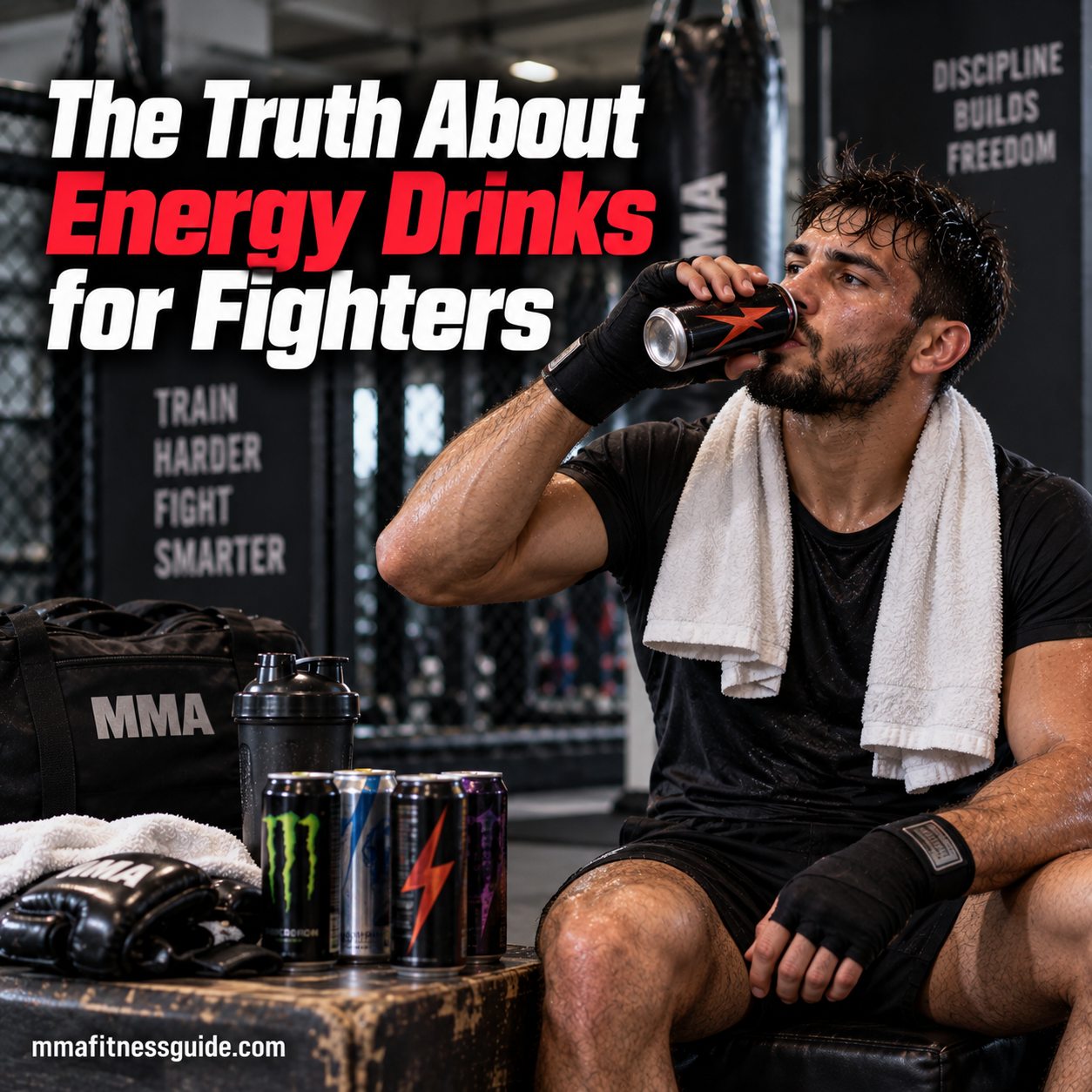
MMA fighter drinking an energy drink after training in a combat sports gym, with several energy drink cans and training equipment nearby.
Energy drinks may temporarily improve alertness, but caffeine intake and timing can affect a fighter’s sleep, recovery, and training routine.

It’s 6 p.m., you’ve already put in a full day at work, and sparring starts in 30 minutes. You’re exhausted, so you grab an energy drink on the way to the gym. Twenty minutes later, you feel more alert and ready to train. But when it’s time to sleep, you’re still wide awake—and tomorrow’s morning session is only a few hours away.

Energy drinks can temporarily improve alertness and reduce perceived fatigue, largely because of their caffeine content. However, the same stimulation that helps you push through a demanding workout can interfere with sleep, increase jitters, or mask how tired you actually are. For MMA fighters, boxers, and grapplers balancing intense training with weight management and recovery, those trade-offs deserve attention.

The real question isn’t whether energy drinks work—it’s whether their short-term benefits fit your overall training and recovery needs. Caffeine dose, timing, individual tolerance, and the ingredients in each drink all influence the outcome. Knowing when an energy drink might be useful, when it could interfere with recovery, and when food, hydration, or rest would serve you better can help you make more informed choices before your next session.

Continue reading “The Truth About Energy Drinks for Fighters”

Periodization Training for Martial Artists

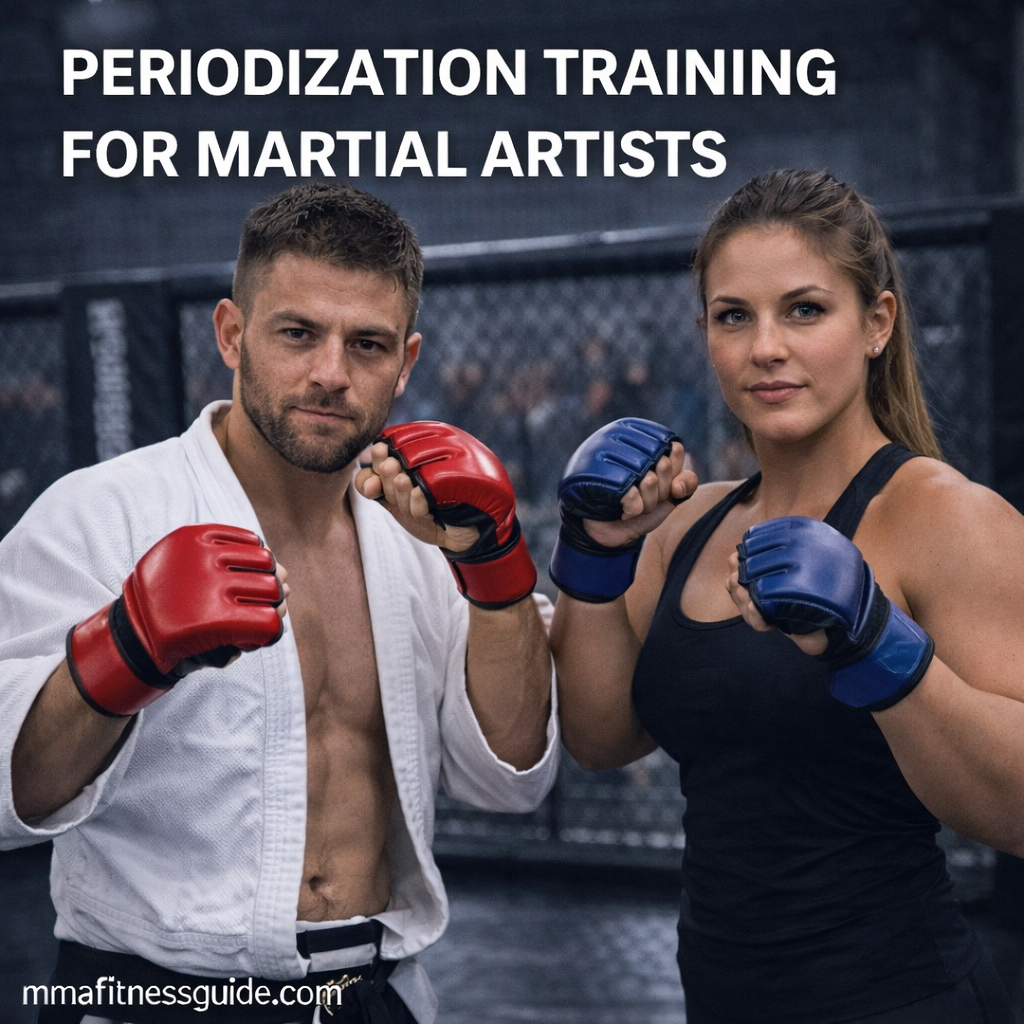
MMA fighter using a periodized training plan for strength, conditioning, skill development, and recovery.
Periodization organizes martial arts training into phases that balance skill work, strength, conditioning, intensity, and recovery.

Martial artists have to balance technical practice, sparring, strength work, conditioning, mobility, and recovery. When every week is treated as a hard week, fatigue can accumulate faster than the body can adapt.

Periodization gives that workload structure.

Instead of repeating the same training volume and intensity throughout the year, periodization divides training into phases. Each phase emphasizes particular qualities while other areas are maintained. A fighter might spend several weeks developing aerobic capacity and strength before shifting toward explosive power, harder rounds, and more fight-specific conditioning.

For MMA fighters and other martial artists, this approach helps organize competing training demands without trying to push every physical quality at maximum intensity at the same time.

Continue reading “Periodization Training for Martial Artists”