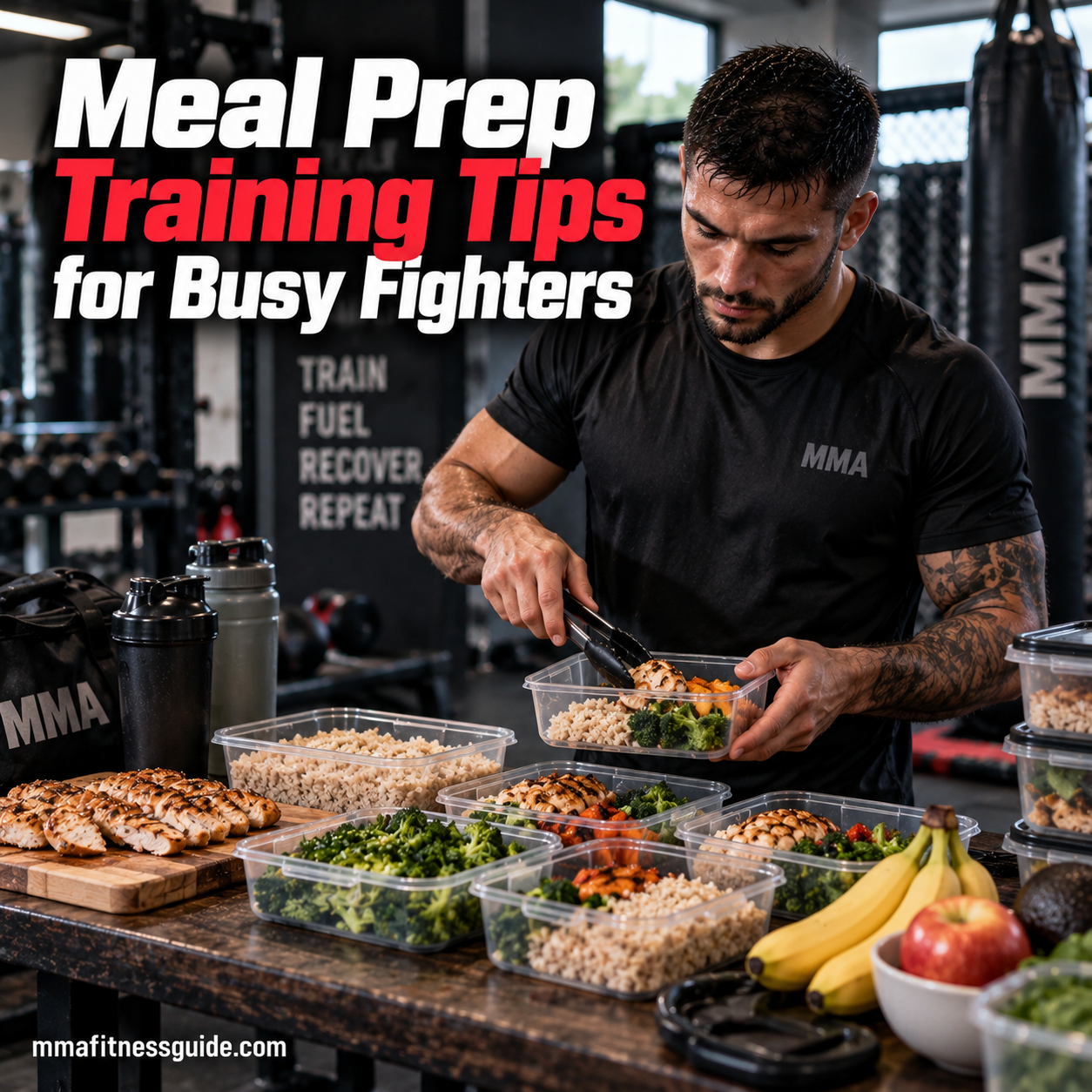

Nutrition plays a critical role in MMA fitness and training performance. While strength and conditioning build physical capability, proper nutrition supports energy levels, recovery, endurance, and long-term progress. For MMA fighters and MMA fitness enthusiasts, meal planning helps ensure the body is properly fueled for demanding workouts.
MMA meal plans are not about extreme dieting or rapid weight changes. Instead, they focus on balanced nutrition that supports training intensity, muscle recovery, and overall health. Because individual needs vary, meal planning should be flexible, sustainable, and aligned with personal goals.
This guide explains the fundamentals of meal planning for MMA fitness, outlines key nutritional principles, and provides general meal structure examples suitable for different training levels.
Why Nutrition Matters in MMA Fitness
MMA training places significant demands on the body. High-intensity workouts, conditioning circuits, and strength training require consistent energy and effective recovery. Nutrition helps support these demands by:
- Providing fuel for training sessions
- Supporting muscle repair and recovery
- Maintaining energy and focus
- Helping regulate body composition
- Reducing fatigue and overtraining risk
Without adequate nutrition, performance and recovery may suffer, even with well-structured training programs.
General Nutrition Principles for MMA Fighters
Rather than following rigid meal plans, many MMA athletes focus on core nutritional principles that can be adapted to individual needs.
Key principles include:
- Balanced intake of carbohydrates, protein, and fats
- Adequate hydration throughout the day
- Consistent meal timing around training
- Emphasis on whole, minimally processed foods
These principles form the foundation of sustainable MMA nutrition.
Macronutrients Explained
Understanding macronutrients helps build balanced meals that support MMA fitness.
Carbohydrates
Carbohydrates are the body’s primary energy source during high-intensity training. They help fuel workouts and replenish energy stores afterward.
Common sources include:
- Rice, oats, and potatoes
- Fruits and vegetables
- Whole-grain breads and pasta
Protein
Protein supports muscle repair and recovery. Regular protein intake throughout the day helps maintain muscle mass and support adaptation to training.
Common sources include:
- Lean meats and poultry
- Fish and eggs
- Dairy products
- Plant-based proteins
Fats
Dietary fats support hormone function and long-term energy needs. Healthy fat intake should be balanced rather than excessive.
Common sources include:
- Nuts and seeds
- Avocados
- Olive oil
- Fatty fish
Hydration and Electrolytes
Hydration is often overlooked but plays a major role in training performance and recovery. Dehydration can reduce endurance, strength, and focus.
General hydration considerations:
- Drink water consistently throughout the day
- Increase intake around training sessions
- Replace fluids lost through sweat
For longer or more intense sessions, electrolytes may help maintain balance, especially in hot environments.
Structuring Meals Around Training
Meal timing can influence how you feel during workouts and how well you recover afterward.
Pre-Workout Meals
Pre-training meals typically focus on:
- Easily digestible carbohydrates
- Moderate protein
- Low fat
These meals help provide energy without causing discomfort.
Post-Workout Meals
Post-training nutrition supports recovery by:
- Replenishing energy stores
- Providing protein for muscle repair
- Supporting hydration
Eating a balanced meal within a reasonable time after training can aid recovery.
Sample Meal Structure for MMA Fitness
These examples illustrate general meal structure rather than exact prescriptions.
Sample Training Day Structure
- Breakfast: Balanced meal with carbohydrates and protein
- Midday meal: Moderate portion supporting energy needs
- Pre-training snack: Light, easily digestible foods
- Post-training meal: Protein-focused with carbohydrates
- Evening meal: Balanced, nutrient-dense foods
Portion sizes and food choices should be adjusted based on individual needs and training volume.
Meal Planning for Different Training Levels
Beginner Training Context
Beginners should focus on consistency rather than complexity. Simple, balanced meals and adequate hydration are usually sufficient.
Avoid extreme dietary changes and focus on building sustainable habits.
Intermediate Training Context
Intermediate trainees may benefit from more structured meal timing and increased awareness of macronutrient balance.
As training volume increases, recovery nutrition becomes more important.
Advanced Training Context
Advanced MMA fitness training places greater demand on nutrition. Meal planning at this level often requires careful attention to fueling, hydration, and recovery strategies.
Professional guidance may be helpful for athletes training at higher intensity levels.
Common Nutrition Mistakes in MMA Fitness
Some common mistakes include:
- Skipping meals
- Under-fueling before training
- Over-restricting calories
- Relying heavily on processed foods
- Ignoring hydration
Balanced, consistent nutrition is more effective than extreme approaches.
Training Safety and Nutrition Notice
Nutritional needs vary based on individual factors such as age, body composition, activity level, and health status. The information provided here is for general educational purposes only and is not intended as medical or dietary advice. Always consult a qualified healthcare or nutrition professional before making significant changes to your diet.
Final Thoughts
Meal planning is a powerful tool for supporting MMA fitness training. By focusing on balanced nutrition, consistent habits, and adequate hydration, MMA fighters and fitness enthusiasts can support performance, recovery, and long-term health.
Rather than chasing extreme diets, sustainable meal planning allows nutrition to work alongside training as part of a complete MMA fitness lifestyle.