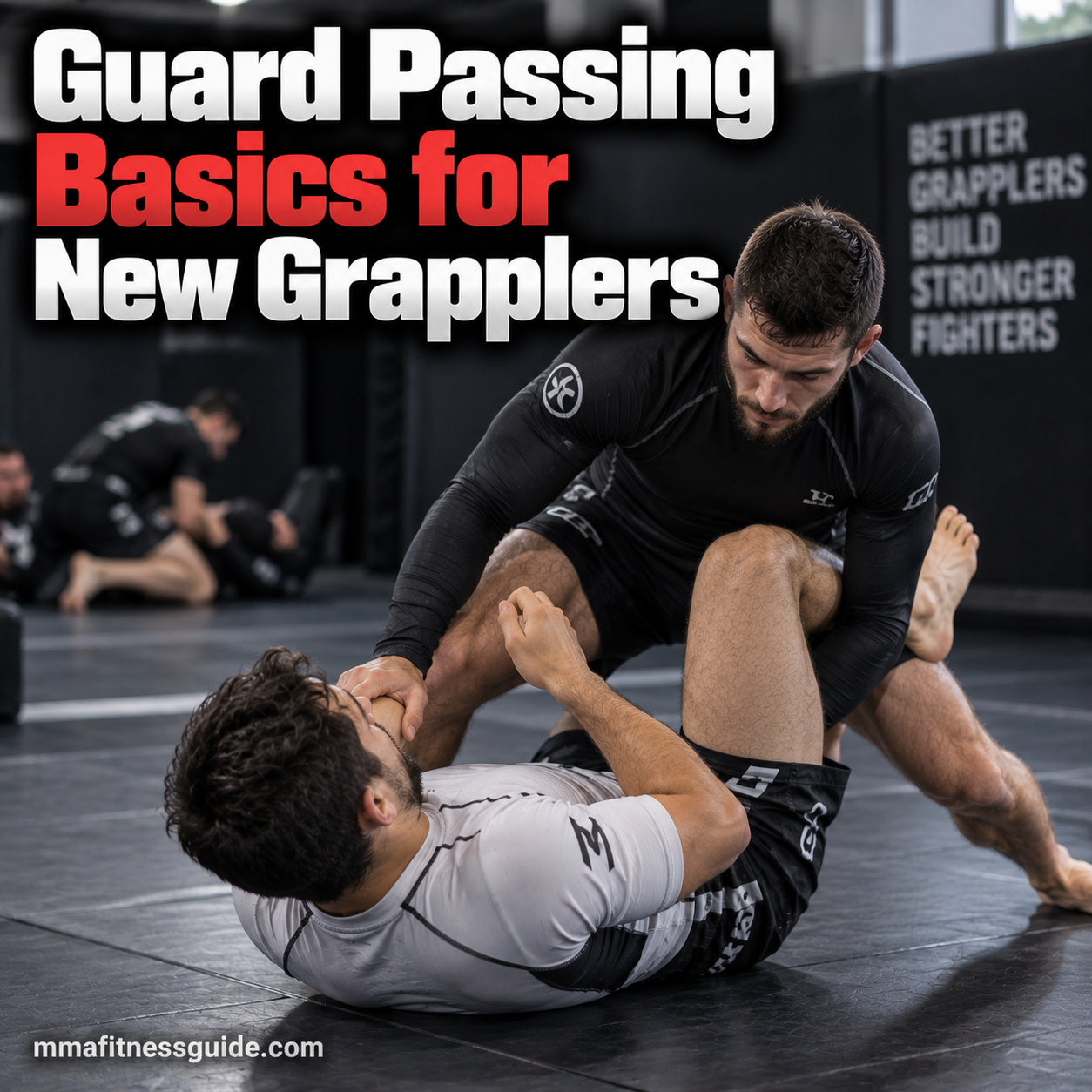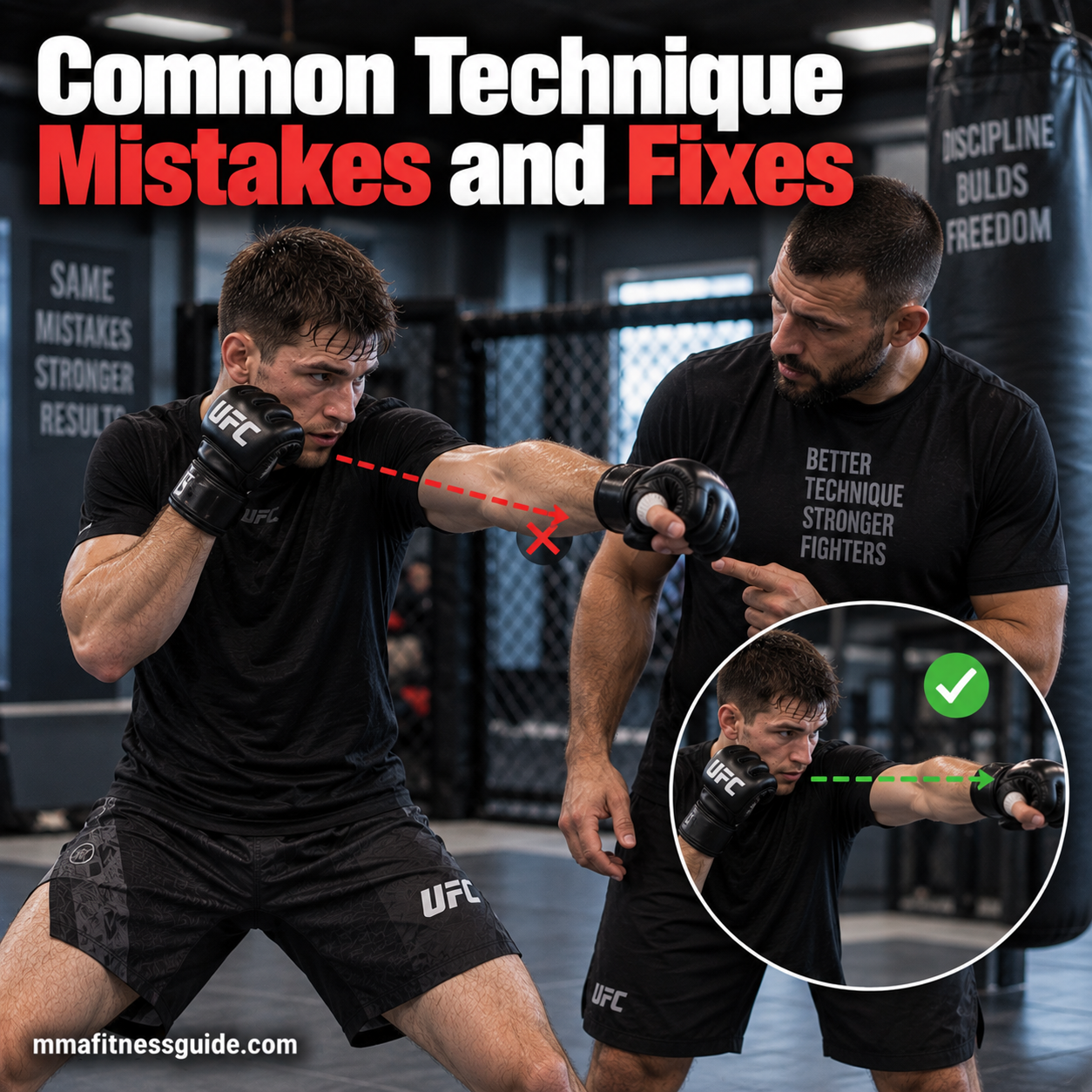
A punch that leaves your hand too low, a takedown attempted with your hips too far away, or a submission chased before securing position may seem like small mistakes during drilling. Repeat them hundreds of times, however, and they can become the movements you automatically fall back on during sparring.
Technical problems often aren’t caused by a lack of effort. They develop when speed, power, or repetition gets added before the underlying mechanics are consistent. Fatigue and pressure can make those weaknesses even easier to see.
The solution is usually specific rather than complicated: identify where the movement breaks down, isolate that part of the technique, slow it down, and rebuild it with better positioning. From striking and footwork to grappling and training habits, small corrections can change how efficiently a technique works.
Why Technique Errors Persist
Technique mistakes usually develop for a few key reasons:
- Rushing progress without mastering fundamentals
- Training fatigued without proper form awareness
- Lack of feedback from coaches or partners
- Overemphasis on power instead of efficiency
- Copying advanced techniques too early
Correcting errors early prevents bad habits from becoming ingrained.
Striking Technique Mistakes
Overcommitting on Punches and Kicks
Many fighters put too much weight and momentum into strikes, leaving themselves off-balance.
Common signs include:
- Falling forward after punches
- Slow recovery to guard
- Poor defensive positioning
Fix:
- Focus on balance and stance integrity
- Emphasize snap and recoil rather than full power
- Practice shadowboxing with controlled tempo
Power should come from timing and mechanics, not overextension.
Dropping the Guard After Striking
This mistake exposes the head during exchanges.
Fix:
- Drill punch-and-return movements
- Keep elbows tucked and hands high after every strike
- Slow combinations down until guard recovery becomes automatic
Defense should be built into every offensive movement.
Telegraphing Strikes
Telegraphing makes strikes easy to read and counter.
Common causes:
- Tensing before striking
- Big wind-ups
- Predictable rhythms
Fix:
- Relax shoulders and arms
- Reduce unnecessary motion
- Mix timing and feints into combinations
Efficiency beats obvious power.
Grappling Technique Mistakes
Relying on Strength Instead of Position
Using strength to force submissions or escapes often fails against skilled opponents.
Fix:
- Prioritize leverage and angles
- Improve hip movement and weight distribution
- Drill techniques slowly to understand mechanics
Good grappling feels effortless when done correctly.
Poor Base and Balance
A weak base makes sweeps, takedowns, and escapes easier for your opponent.
Fix:
- Widen stance slightly when needed
- Keep hips low and centered
- Maintain active posting with hands or feet
Balance is the foundation of effective grappling.
Chasing Submissions Without Control
Going for submissions too early can lead to losing position.
Fix:
- Secure dominant position first
- Apply pressure before attacking
- Use submissions as transitions, not isolated goals
Control creates submission opportunities.
Footwork and Movement Errors
Standing Flat-Footed
Flat-footed movement limits speed and reaction time.
Fix:
- Stay light on the balls of your feet
- Practice lateral movement drills
- Incorporate footwork into warm-ups
Movement should be active, not static.
Moving Straight Back Only
Backing straight up limits escape options and invites pressure.
Fix:
- Use angles instead of straight retreats
- Combine lateral steps with pivots
- Practice circling under pressure
Angles create safety and counter opportunities.
Training Habit Mistakes
Skipping Fundamentals
Advanced techniques won’t compensate for weak basics.
Fix:
- Regularly drill jabs, footwork, posture, and frames
- Treat fundamentals as maintenance, not beginner work
- Revisit basics during every training phase
High-level fighters never stop refining fundamentals.
Ignoring Recovery and Mobility
Poor recovery leads to sloppy technique.
Fix:
- Incorporate mobility work
- Address tight hips, shoulders, and ankles
- Train technique when fresh whenever possible
Healthy joints support clean movement.
How to Fix Technique Mistakes Faster
To accelerate improvement:
- Film your training sessions
- Ask coaches for specific feedback
- Drill mistakes in isolation
- Slow techniques down before speeding up
- Focus on quality reps over quantity
Awareness is the first step to correction.
Final Thoughts
Technique mistakes are a natural part of martial arts development, but leaving them unaddressed limits progress. By identifying common errors and applying simple fixes, you can improve efficiency, reduce injury risk, and perform with greater confidence.
Train patiently, respect fundamentals, and focus on precision—your skills will continue to evolve as a result.