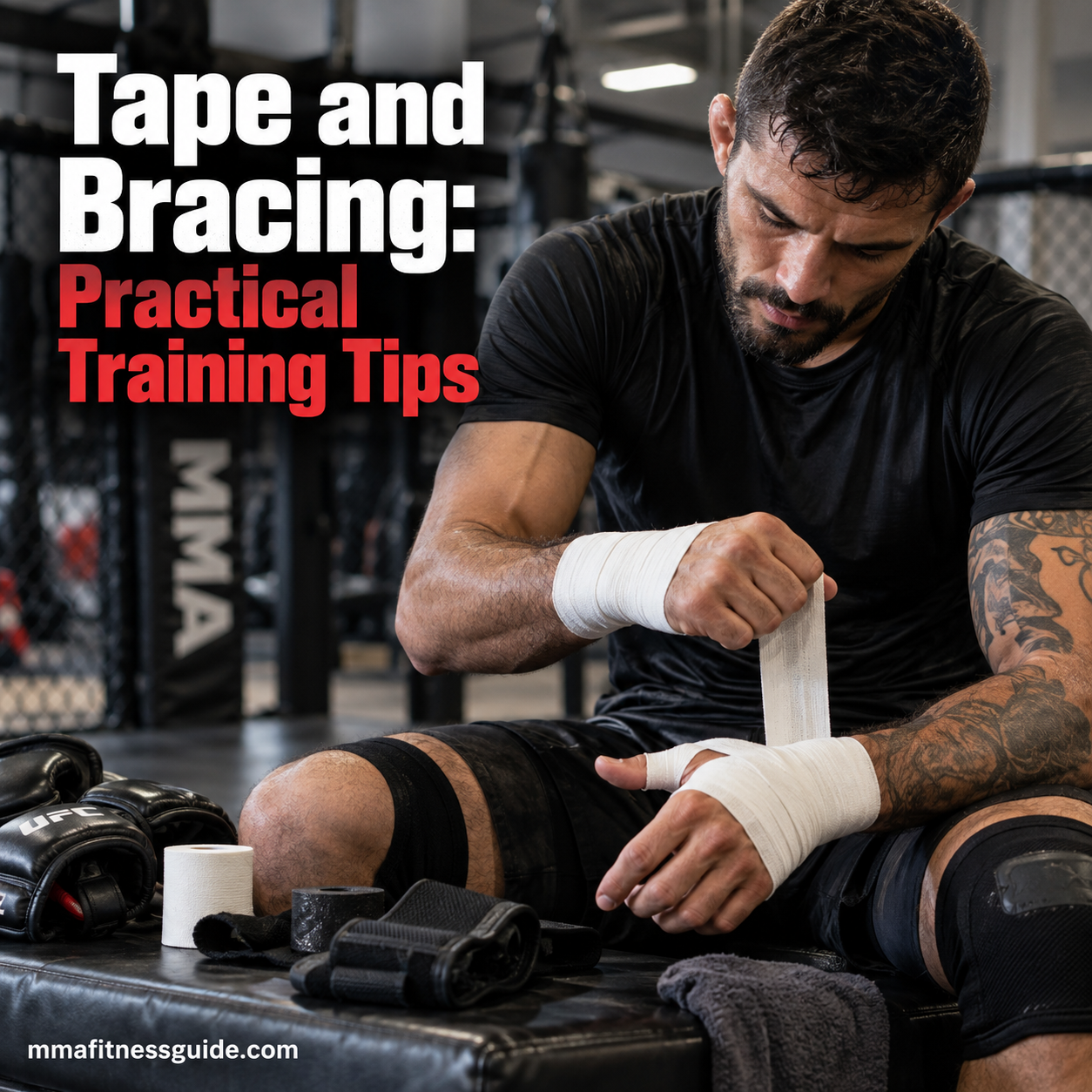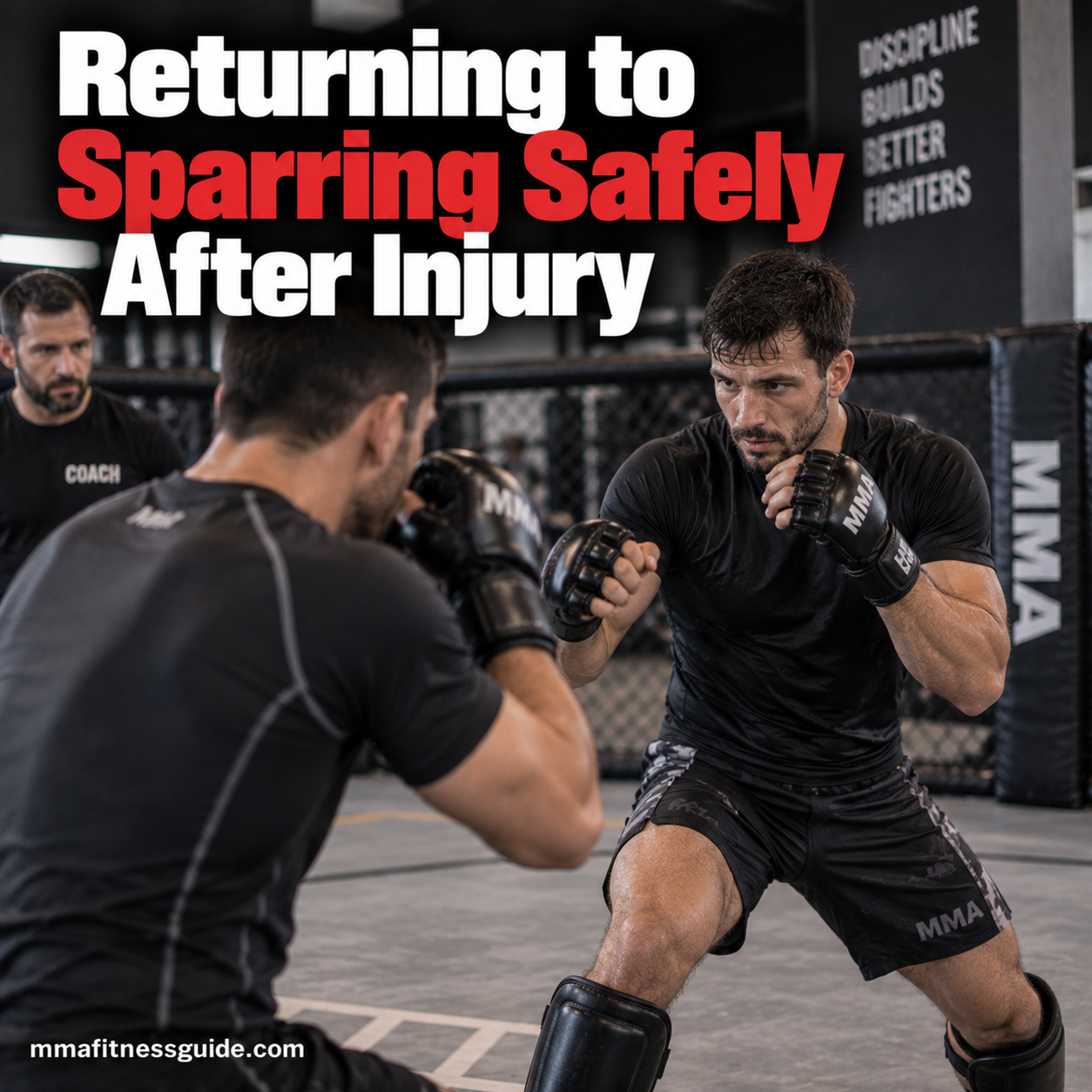

A shoulder repeatedly absorbing pressure during grappling, a knee rotating through takedowns, or an ankle constantly changing direction during footwork can accumulate stress long before an athlete notices pain. MMA exposes joints and connective tissues to striking, wrestling, scrambling, impact, and awkward positions week after week.
Prehab targets the areas that have to tolerate that workload. Exercises for shoulder stability, hip and knee control, core strength, neck conditioning, and ankle stability can be worked into regular training before minor weaknesses begin interfering with performance.
The aim is practical: strengthen vulnerable areas, maintain useful movement, and build a body that can handle repeated MMA training with fewer interruptions.
What Prehab Really Means
Prehab isn’t physical therapy for injured athletes—it’s proactive care for healthy ones.
Prehab focuses on:
- Strengthening vulnerable areas
- Improving joint stability
- Enhancing mobility and control
- Correcting movement imbalances
- Reducing injury risk
Think of prehab as training your weakest links.
Why Prehab Matters in MMA
MMA stresses the body in unpredictable ways.
Common injury-prone areas include:
- Shoulders
- Knees
- Hips
- Lower back
- Neck
Prehab prepares these areas to handle repeated impact, rotation, and load.
Prehab vs Warm-Ups vs Rehab
These are related but distinct.
- Warm-ups prepare the body for a session
- Prehab builds long-term joint and tissue resilience
- Rehab restores function after injury
Prehab bridges the gap between training and recovery.
Core Principles of Effective Prehab
Prehab routines work best when they follow simple rules.
Key principles:
- Low load, high control
- Focus on quality over fatigue
- Consistency over intensity
- Progressive difficulty
- Pain-free execution
Prehab should feel easy enough to do often.
Shoulder Prehab for MMA
The shoulders endure striking, clinching, and grappling stress.
Key Shoulder Prehab Exercises
Effective options include:
- Scapular push-ups
- Band external rotations
- Y-T-W raises
- Controlled shoulder circles
These movements improve stability and rotator cuff strength.
Hip and Knee Prehab
Lower-body resilience supports takedowns and movement.
Hip and Knee Focus Areas
Prioritize:
- Hip mobility and control
- Glute activation
- Knee tracking awareness
- Single-leg stability
Exercises such as step-downs, hip airplanes, and glute bridges build support.
Spine and Core Prehab
The spine transfers force in nearly every MMA movement.
Core Stability Over Crunches
Effective spine prehab includes:
- Dead bugs
- Bird dogs
- Pallof presses
- Side planks
These train stability without excessive spinal strain.
Neck Prehab for Contact Sports
Neck strength reduces injury risk and improves durability.
Safe neck prehab options:
- Isometric holds
- Controlled flexion and extension
- Partner resistance drills
- Postural alignment work
Neck training should always be gradual and controlled.
Ankle and Foot Prehab
Foot and ankle stability often gets overlooked.
Key focus areas:
- Ankle mobility
- Balance training
- Calf strength
- Foot intrinsic muscles
Simple balance drills improve overall movement quality.
How to Structure a Prehab Routine
Keep routines short and consistent.
Recommended structure:
- 10–20 minutes
- 3–5 exercises
- 2–4 sets each
- Low to moderate repetitions
Prehab fits well at the end of training or on recovery days.
Weekly Prehab Frequency
Most athletes benefit from:
- 3–5 prehab sessions per week
- Daily micro-routines for problem areas
- Rotation of focus areas across the week
Consistency builds resilience faster than volume.
Common Prehab Mistakes to Avoid
Avoid:
- Treating prehab like a workout
- Rushing through movements
- Ignoring technique
- Skipping prehab when busy
- Only doing prehab after pain appears
Prehab works best before problems arise.
Prehab for Beginners vs Advanced Athletes
Prehab should match experience level.
Beginners:
- Focus on basic stability
- Use bodyweight and light resistance
- Learn movement awareness
Advanced athletes:
- Progress complexity gradually
- Address specific weak links
- Maintain consistency year-round
Everyone benefits from prehab—regardless of level.
Measuring Prehab Progress
Progress isn’t measured by soreness.
Positive signs include:
- Improved movement control
- Reduced joint discomfort
- Better recovery between sessions
- Increased training consistency
Resilience is built quietly.
Integrating Prehab Into MMA Training
Prehab works best when it’s non-negotiable.
Integration tips:
- Attach prehab to existing routines
- Keep it short
- Focus on quality
- Track consistency, not load
Prehab supports training—it shouldn’t compete with it.
Final Thoughts
Prehab routines build resilience by strengthening weak links before they break. In MMA, where unpredictability is constant, proactive joint care and movement quality protect longevity and performance. By committing to simple, consistent prehab work, fighters reduce injury risk and train with greater confidence over the long term.
Resilience isn’t built through intensity alone—it’s built through preparation.