Every fighter has a side they trust when things get difficult. It’s the hand that fires first, the direction they naturally pivot, and the side they instinctively use to defend or escape. That preference can become a problem when an opponent recognizes it.
In MMA, relying too heavily on your dominant side can make your attacks easier to anticipate and leave you uncomfortable when exchanges, scrambles, or positioning force you the other way. Developing your weaker side gives you more options without taking away the weapons you already do well.
The goal isn’t to become perfectly ambidextrous. It’s to make your weaker hand, footwork, defense, and grappling movements reliable enough that you can use them when the fight demands it.
Why Fighters Develop a Weak Side
Most people are naturally dominant on one side of the body.
Common reasons weak sides develop include:
- Hand dominance from daily life
- Early training habits
- Favoring comfort over challenge
- Defensive confidence on one side
- Injury history influencing movement
Over time, this imbalance becomes ingrained unless addressed intentionally.
The Risks of Ignoring Your Weak Side
Neglecting your weak hand and side creates exploitable weaknesses.
Potential downsides include:
- Predictable striking patterns
- Reduced defensive options
- Poor balance during transitions
- Increased injury risk
- Limited adaptability against skilled opponents
Balanced fighters are harder to read and harder to control.
Balance Starts With Symmetry, Not Perfection
Training your weak side doesn’t mean it must equal your strong side.
The real goals are:
- Functional competence
- Better coordination
- Improved balance and posture
- Reduced reliance on one-sided habits
Small improvements on the weak side create big gains overall.
How Weak-Side Training Improves MMA Performance
Developing your non-dominant side supports multiple areas of fighting.
Benefits include:
- Stronger defensive reactions
- More fluid stance switching
- Better scrambling and grappling balance
- Improved footwork and angles
- Greater confidence under pressure
Balance translates directly to efficiency.
Weak Hand Training for Striking
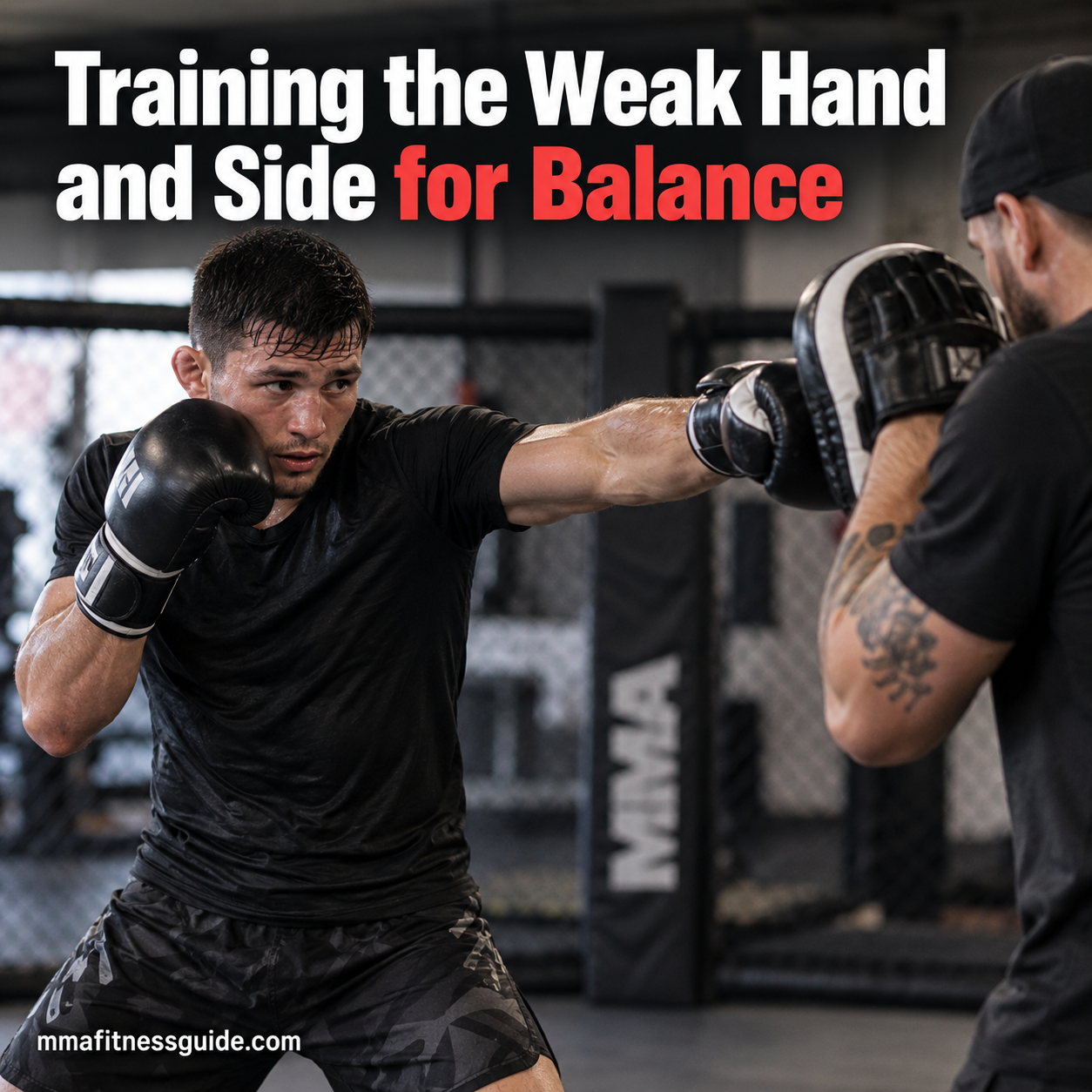
Develop the Jab or Lead Hand First
The weak hand is often the lead hand.
Focus on:
- Accuracy over power
- High repetition drilling
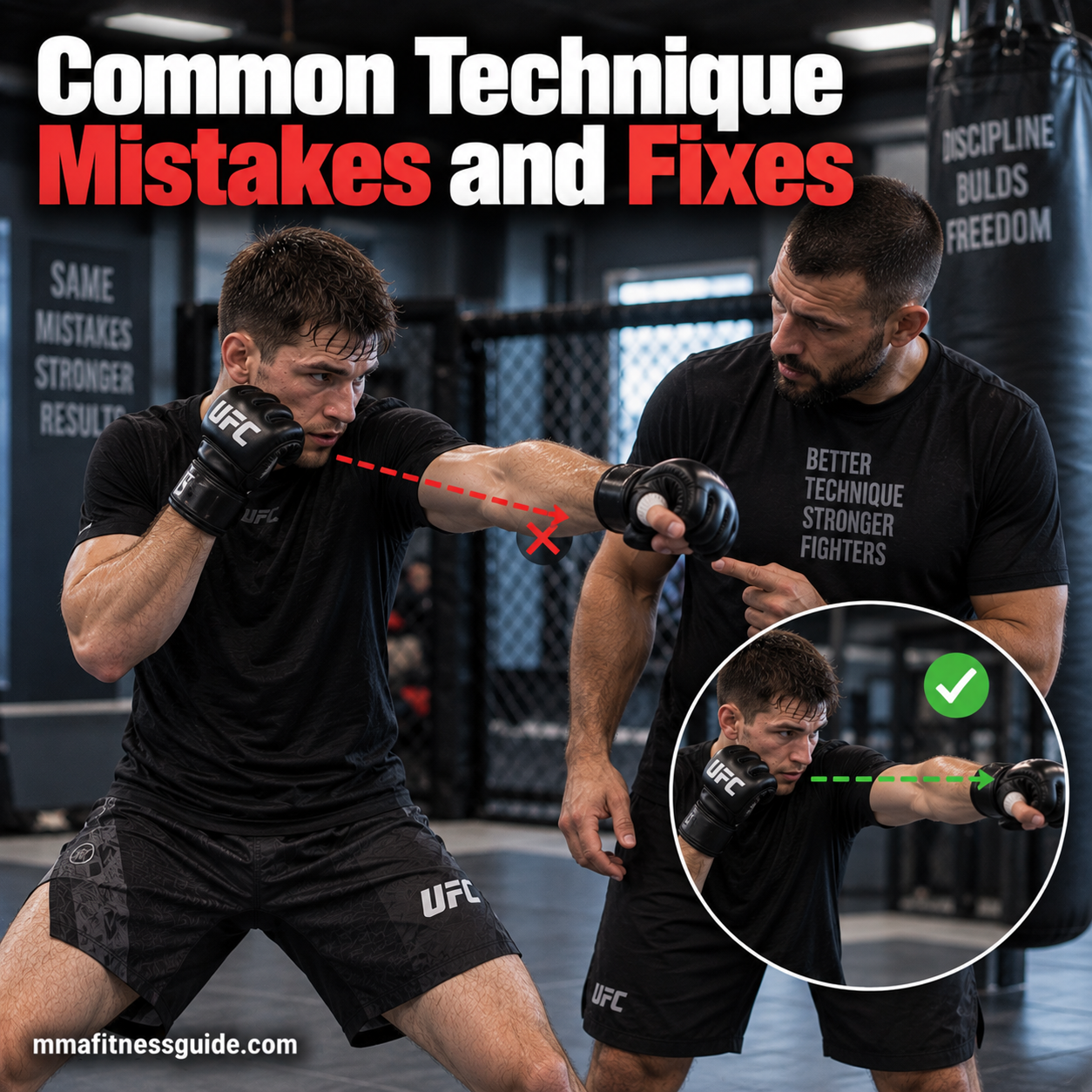
- Clean mechanics
- Relaxed delivery
A reliable weak-side jab controls distance and disrupts opponents.
Use Technical Rounds for Weak-Side Striking
Dedicate rounds to weak-side focus.
Examples:
- Jab-only rounds
- Lead-hand combinations
- Reduced power sparring
- Pad rounds emphasizing the weak hand
Lower intensity allows learning without frustration.
Weak Side Training for Defense
Defense is often where imbalance shows first.
Improve weak-side defense by:
- Practicing blocks and parries on that side
- Drilling head movement toward the weak side
- Training shell and guard positions evenly
- Working mirror drills
Strong defense builds confidence in weak-side exchanges.
Grappling and Weak-Side Balance
In grappling, imbalance can be costly.
Key areas to address:
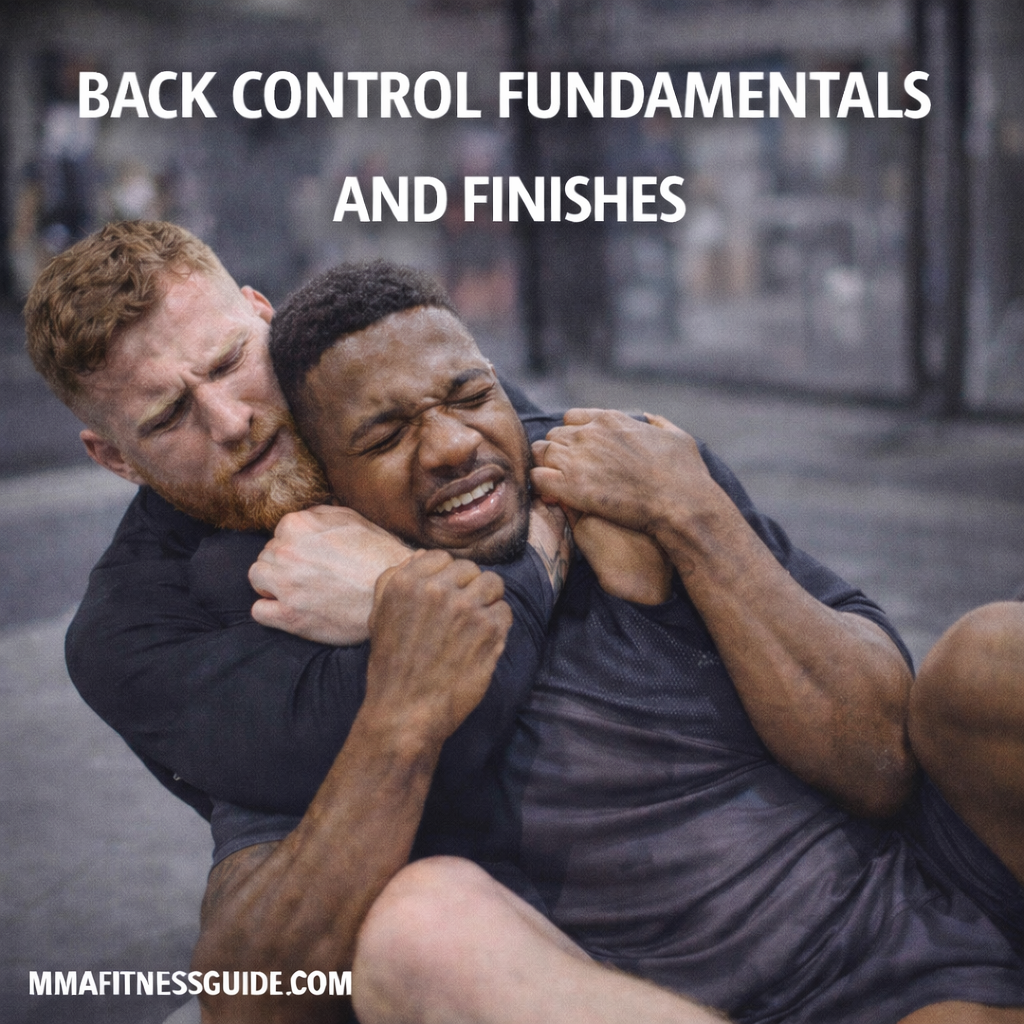
- Posting with the weak arm
- Finishing submissions on both sides
- Passing guard in both directions
- Escaping to both sides
Balanced grappling reduces panic in scrambles.
Footwork and Stance Awareness
Weak-side training isn’t just upper body.
Footwork focus areas include:
- Pivoting both directions
- Circling toward the weak side
- Stance switching drills
- Shadowboxing evenly
Footwork creates the foundation for balanced striking and defense.
Drills to Build Weak-Side Coordination
Simple drills work best.
Effective options include:
- Shadowboxing with weak-side emphasis
- One-arm pad or bag work
- Slow-motion technique reps
- Mirror drills
- Controlled sparring constraints
Consistency beats complexity.
Strength and Conditioning for Weak-Side Support
Physical imbalances often reinforce technical ones.
Helpful strength work includes:
- Unilateral lifts
- Single-leg balance exercises
- Single-arm pushing and pulling
- Core rotation both directions
Strength symmetry supports technical balance.
How Often to Train the Weak Side
Weak-side training should be consistent, not overwhelming.
General guidelines:
- Include weak-side work in every session
- Dedicate 10–30% of technical time
- Use lower intensity for learning
- Gradually increase complexity
Small daily exposure adds up.
Avoid These Common Weak-Side Training Mistakes
Watch out for:
- Expecting immediate results
- Training only power instead of control
- Abandoning weak-side work too early
- Letting frustration dictate effort
- Ignoring weak-side defense
Patience is part of the process.
Mental Benefits of Weak-Side Training
Weak-side work builds more than skill.
Mental benefits include:
- Increased confidence
- Reduced panic in bad positions
- Better problem-solving under stress
- Stronger overall fight IQ
Discomfort during training creates adaptability in competition.
Learning From Fighters Who Embrace Balance
Many elite fighters are known for balance.
Common traits:
- Comfort switching stances
- Equal defensive awareness
- Ability to attack from multiple angles
- Calmness when forced off-plan
Balance makes fighters unpredictable.
Final Thoughts
Training the weak hand and side for balance is one of the smartest long-term investments a martial artist can make. You don’t need to abandon your strengths—but by raising the floor on your weak side, you become more complete, adaptable, and resilient.
Balanced fighters don’t just hit harder—they move better, defend smarter, and last longer in the game.