Introduction
Hydration is not just about how much water you drink. What you eat also contributes to fluid intake, electrolyte replacement, muscle repair, and energy restoration after MMA training.
A fighter can lose substantial amounts of sweat during a demanding wrestling session, especially in a hot gym. That sweat contains water and electrolytes, particularly sodium. At the same time, intense exercise uses stored carbohydrates and places stress on muscles that need adequate nutrition to recover.
Drinking water helps replace lost fluid, but it does not address every recovery requirement.
A balanced post-training meal can provide carbohydrates to replenish glycogen, protein to support muscle repair, and sodium to replace sweat losses. Fruits, vegetables, dairy products, soups, and other water-rich foods can also contribute to daily hydration.
However, there is no single food that guarantees faster recovery. Fluid needs depend on training intensity, environmental conditions, individual sweat rate, and how soon the next session begins.
A fighter completing two demanding workouts in one day may need a more deliberate recovery strategy than someone finishing a short technical session.
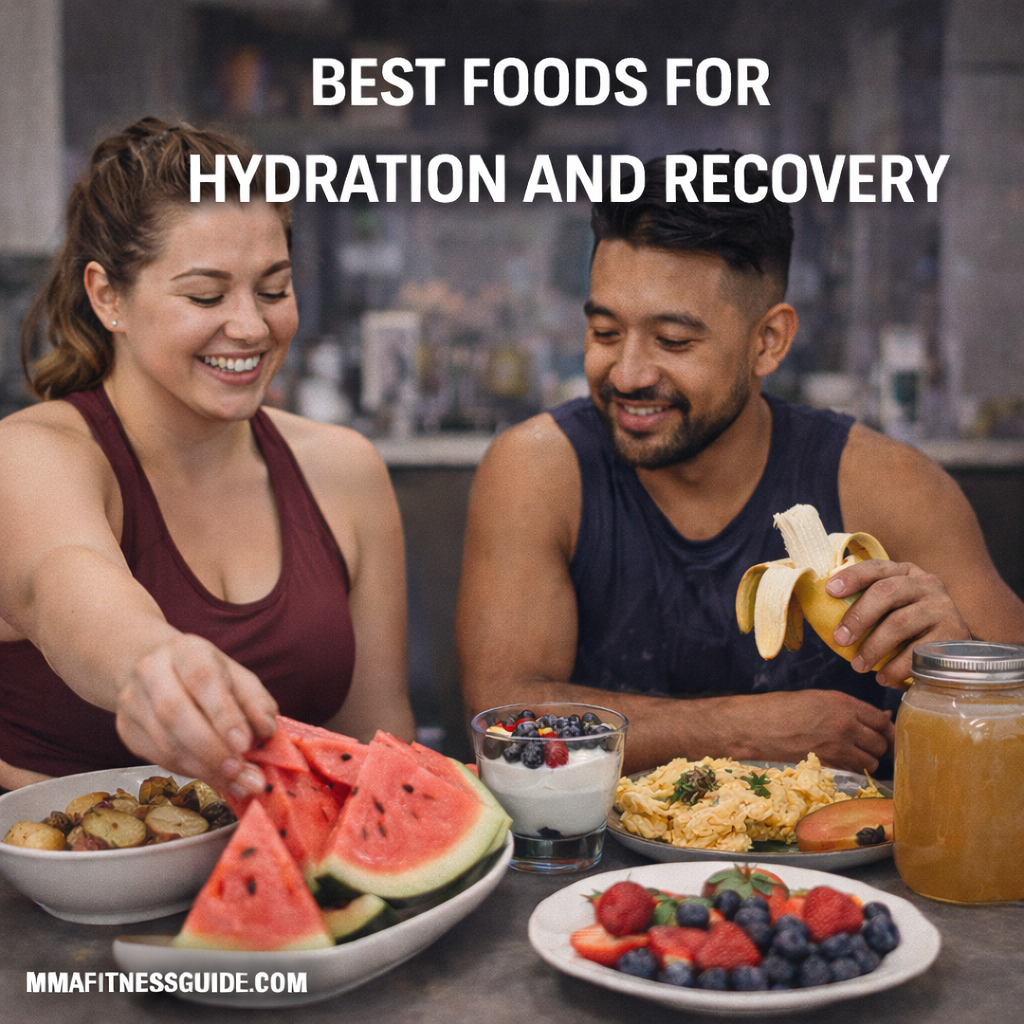
This guide explains the best foods for hydration and recovery, how different nutrients contribute to the process, and how MMA athletes can combine ordinary foods into practical meals that support consistent training.
Why Food Matters for Hydration
Water is the foundation of hydration, but food contributes to the process in several important ways.
Many fruits and vegetables contain substantial amounts of water. Milk, yogurt, soups, and cooked foods can also contribute meaningful fluid.
Food supplies electrolytes and energy that plain water does not provide.
For athletes who have lost substantial amounts of sweat, consuming sodium alongside fluids can help replace losses and support fluid retention.
Carbohydrates are important for restoring muscle glycogen, while protein supports muscle repair and adaptation.
These are related recovery processes, but they serve different purposes.
Water Is Still Essential
Water alone is sufficient for many short or relatively easy training sessions, especially when the athlete begins adequately hydrated and eats normal meals afterward.
Additional sodium becomes more important when sweat losses are substantial, exercise is prolonged, or rapid rehydration is necessary before another session.
There is no need to add electrolytes to every glass of water.
Food Contributes to Total Fluid Intake
A bowl of watermelon, a serving of yogurt, or a vegetable-rich soup contributes fluid alongside the water you drink.
This can be useful for fighters who struggle to consume large volumes of beverages immediately after training.
However, water-rich foods alone may not replace large sweat losses efficiently because their fluid content varies and they can be filling.
Use them as part of a broader hydration strategy.
For more information about planning fluid intake around training, read Hydration Training Tips for Combat Athletes .
Key Nutrients That Support Hydration and Recovery
Effective recovery involves replacing what training has depleted while supplying nutrients for adaptation.
The following nutrients have different but complementary roles.
Sodium: Replacing Sweat Losses
Sodium is the primary electrolyte lost through sweat.
It helps regulate fluid balance and supports normal nerve and muscle function.
Fighters who sweat heavily may need to replace meaningful amounts of sodium, particularly during long sessions in hot environments.
Useful dietary sources include:
- Salted meals.
- Soups and broths.
- Bread and other sodium-containing staples.
- Dairy products.
- Appropriately formulated sports drinks.
Sodium requirements vary considerably.
Fighters with certain medical conditions, including kidney disease or hypertension, may need individualized guidance.
Do not assume that more sodium is always better.
Potassium: Supporting Muscle and Nerve Function
Potassium is essential for normal muscle contraction, nerve signaling, and fluid regulation.
Foods rich in potassium include bananas, potatoes, beans, yogurt, and leafy greens.
Potassium is lost through sweat, but sodium is generally the larger electrolyte replacement concern during heavy sweating.
Eating potassium-rich foods helps maintain adequate overall intake without requiring most healthy fighters to use potassium supplements.
Magnesium: Supporting Normal Muscle Function
Magnesium participates in numerous physiological processes, including energy metabolism and normal muscle and nerve function.
Useful food sources include:
- Pumpkin seeds.
- Almonds.
- Spinach.
- Beans.
- Whole grains.
Magnesium is important for health, but consuming extra magnesium immediately after training has not been established as a way to accelerate recovery in athletes who already have adequate intake.
Food-based intake is generally preferable to unnecessary high-dose supplementation.
Carbohydrates: Restoring Muscle Glycogen
High-intensity MMA training uses muscle glycogen, the stored form of carbohydrate.
After demanding sessions, carbohydrate intake helps replenish those stores.
Useful sources include rice, potatoes, oats, bread, fruit, and pasta.
Carbohydrate replacement becomes particularly important when fighters have limited recovery time between workouts.
Protein: Supporting Muscle Repair
Training creates a stimulus for muscle adaptation, and adequate dietary protein supplies the amino acids needed for muscle protein synthesis.
Eggs, dairy products, poultry, fish, meat, soy foods, and other protein sources can contribute.
Protein does not replace water or electrolytes.
Instead, it addresses a separate component of recovery.
A well-designed post-training meal often combines protein, carbohydrates, fluid, and sodium.
Fruits That Support Hydration
Fruit is a convenient addition to recovery meals because many varieties contain water, carbohydrates, vitamins, and minerals.
Fruit alone is rarely a complete recovery meal after demanding training, but it pairs well with protein-rich foods and fluids.
Watermelon
Watermelon contains approximately 91–92% water, making it a refreshing option after hot training sessions.
It also provides carbohydrates and some potassium.
Why it works for fighters:
- Contributes fluid to daily intake.
- Provides carbohydrates for energy restoration.
- Supplies vitamin C and other nutrients.
- Is convenient as a snack after training.
Watermelon can be particularly appealing when a fighter has a reduced appetite after exercise.
Try combining watermelon with Greek yogurt or a sandwich to create a more substantial recovery snack.
Remember that watermelon is relatively low in sodium and protein.
It cannot replace a complete recovery meal after substantial sweat loss and muscle-damaging exercise.
Oranges and Citrus Fruits
Oranges provide water, carbohydrates, potassium, and vitamin C.
Vitamin C contributes to normal collagen formation and other physiological functions.
However, eating an orange immediately after training does not guarantee faster muscle repair or prevent illness.
Practical ways to use citrus:
- Eat an orange alongside a protein-rich meal.
- Add orange segments to a fruit salad.
- Pair citrus fruit with yogurt.
- Include citrus as part of a post-training snack.
Whole fruit provides fiber, while juice can be easier to consume when appetite is low.
Athletes prone to acid reflux may find acidic fruits or juices uncomfortable and should adjust accordingly.
Berries
Strawberries, blueberries, raspberries, and blackberries provide water, fiber, vitamins, and plant compounds such as polyphenols.
Some research has explored whether polyphenol-rich foods influence exercise-related soreness and recovery, but findings vary by food, dose, and training protocol.
Berries should not be treated as a guaranteed anti-inflammatory treatment or a substitute for adequate recovery.
They are valuable primarily because they contribute to a varied, nutrient-rich diet.
Recovery meal idea:
Combine Greek yogurt, berries, oats, and a small amount of honey.
This provides carbohydrates, protein, fluid, and additional micronutrients in one convenient meal.
Vegetables That Aid Rehydration
Vegetables contribute water, minerals, fiber, and other nutrients.
They are particularly useful as part of substantial meals, although very large servings of raw vegetables immediately before or after intense exercise may cause digestive discomfort in some fighters.
Cucumbers
Cucumbers contain approximately 95% water.
Their mild flavor and high water content make them easy to incorporate into meals.
Benefits for MMA fighters include:
- Additional fluid intake.
- A refreshing addition to hot-weather meals.
- Small amounts of potassium and other nutrients.
- A convenient way to add vegetables without a large calorie contribution.
Cucumbers work particularly well with rice, chicken, tuna, or other protein-rich foods.
For example, a bowl containing rice, grilled chicken, cucumber, and a lightly salted dressing supplies more complete recovery nutrition than cucumber alone.
Cucumbers are low in sodium, carbohydrates, and protein, so they should complement rather than replace substantial recovery foods.
Leafy Greens
Spinach, kale, and similar vegetables provide potassium, magnesium, folate, and other micronutrients.
They also contain plant compounds that contribute to overall dietary quality.
Leafy greens support normal physiological function, but eating them after training does not automatically accelerate muscle recovery.
Their greatest value comes from regular inclusion in a balanced diet.
Practical options include:
- Spinach in an egg and potato breakfast.
- Cooked kale alongside rice and salmon.
- Leafy greens in a chicken sandwich.
- A small serving of spinach blended into a smoothie.
Cooked greens may be easier to tolerate than a large raw salad immediately after demanding exercise.
Protein-Rich Foods for Recovery
Hydration is only one part of post-training recovery.
MMA places considerable demands on muscles through striking, wrestling, grappling, and strength training.
Adequate protein supports muscle repair and adaptation.
Protein-rich foods that also contain water can be particularly convenient.
Greek Yogurt
Greek yogurt provides substantial protein along with water, calcium, and potassium.
Depending on the product, it may also contain live bacterial cultures.
Its combination of nutrients makes it a practical recovery food, particularly when appetite is low.
Why fighters may find it useful:
- Provides high-quality protein.
- Contributes fluid.
- Supplies calcium and potassium.
- Requires little preparation.
- Combines easily with carbohydrate-rich foods.
Try a bowl of Greek yogurt with berries, banana, and oats.
The yogurt supplies protein, while the fruit and oats provide carbohydrates.
However, yogurt is not suitable for everyone. Fighters with lactose intolerance or dairy allergies need appropriate alternatives.
Lactose-free yogurt or fortified soy yogurt may be useful, depending on individual needs.
Eggs
Eggs provide high-quality protein and essential amino acids.
They are also convenient, affordable, and easy to incorporate into meals.
However, eggs are not particularly effective as a stand-alone hydration food.
Their recovery value comes primarily from their protein and nutrient content.
Pair eggs with carbohydrate-rich foods and fluids.
Example recovery breakfast:
- Two or three eggs.
- Roasted or boiled potatoes.
- Cooked spinach.
- A piece of fruit.
- Water or milk.
Adjust portions according to training demands and total daily nutrition requirements.
Other Useful Protein Sources
Fighters should not rely exclusively on eggs and yogurt.
Additional options include lean poultry, fish, tofu, beans, and appropriately selected protein shakes.
Milk is another convenient option because it contains water, protein, carbohydrates, and electrolytes.
The most important consideration is consuming sufficient protein throughout the day rather than searching for one perfect recovery food.
For more meal options, explore Top Recovery Foods After Intense MMA Training .
Foods That Restore Electrolytes
Electrolytes help regulate fluid balance, nerve signaling, and muscle function.
Sweat contains several electrolytes, but sodium is generally the primary mineral requiring attention when substantial sweat losses occur.
Potassium-rich foods remain valuable for overall nutrition.
Bananas
Bananas are a familiar sports nutrition food because they provide carbohydrates and potassium.
They are portable, require no preparation, and are often well tolerated.
A banana can be useful immediately after training when a fighter is not ready for a full meal.
However, bananas do not contain enough sodium to replace substantial sweat losses.
They also provide relatively little protein.
Pair a banana with yogurt, milk, or another protein source, and consume appropriate fluids.
What about muscle cramps?
Potassium is essential for muscle function, but exercise-associated cramps have multiple potential causes.
Fatigue, training intensity, and individual factors may contribute.
Eating a banana does not guarantee that cramps will stop or prevent them from occurring.
Frequent or severe cramping warrants a closer look at training load, hydration, nutrition, and possible medical causes.
Potatoes
Potatoes provide carbohydrates and potassium, making them useful for replenishing energy after demanding training.
They can also contribute sodium when prepared with salt.
A baked or boiled potato paired with lean protein provides a practical recovery meal.
For example:
Baked potato → grilled chicken → cooked vegetables → water.
Potatoes are especially convenient for fighters who prefer ordinary meals instead of relying heavily on sports nutrition products.
Preparation matters.
A potato served with moderate seasoning may feel more comfortable immediately after exercise than a very large portion of fried potatoes with a heavy sauce.
Bone Broth
Bone broth contributes fluid and may provide sodium, depending on the product and preparation method.
It can be useful when a fighter prefers something warm and savory after training.
However, mineral and protein content vary considerably between products.
Some broths contain substantial sodium, while others contain relatively little.
Bone broth is also frequently marketed as a joint-recovery product because it may contain collagen-derived proteins.
Evidence does not establish that drinking ordinary bone broth reliably repairs joints or prevents combat-sport injuries.
Treat it primarily as a food and fluid source rather than a medical recovery supplement.
A broth-based soup containing potatoes, vegetables, and chicken can provide a more complete recovery meal.
Why Sodium Matters More After Heavy Sweating
A fighter who loses substantial sweat during a long session may need more than water and potassium-rich fruit.
Sodium helps replace the main electrolyte lost through sweat and supports retention of consumed fluid.
Normal salted meals can often contribute meaningfully to replacement.
For a detailed explanation of sodium, potassium, and other minerals, read The Importance of Electrolytes in Combat Sports .
Hydrating Carbohydrate Sources
Carbohydrates are particularly important for MMA fighters completing repeated high-intensity sessions.
During demanding exercise, the body uses stored glycogen to help supply energy.
Recovery meals should provide sufficient carbohydrates to restore these stores.
Carbohydrates are not interchangeable with water, but carbohydrate-containing foods can contribute to fluid intake and support overall recovery.
Rice
Rice is a practical carbohydrate source because it is easy to prepare in large quantities and pairs well with protein.
Cooked rice also contains water.
White rice may be particularly useful immediately after training for fighters who find high-fiber foods uncomfortable.
Brown rice provides more fiber and may fit better into meals farther away from demanding sessions.
Oats
Oats provide carbohydrates, fiber, and magnesium.
Prepared oatmeal also contains substantial water or milk, depending on the recipe.
A bowl of oatmeal with banana and Greek yogurt provides a combination of carbohydrates, protein, and fluid.
However, fighters who experience bloating after large servings of fiber may prefer smaller portions immediately after exercise.
Quinoa
Quinoa provides carbohydrates, fiber, and some protein.
It works well as the carbohydrate component of a balanced recovery meal.
Combine it with fish, chicken, tofu, or another protein source.
Sweet Potatoes
Sweet potatoes provide carbohydrates, potassium, and beta-carotene.
They are useful in meals containing lean protein and vegetables.
Ordinary potatoes and sweet potatoes are both reasonable choices. Neither needs to be treated as inherently superior for athletic recovery.
Whole-Grain Bread
Whole-grain bread provides carbohydrates and fiber.
Bread can also contribute sodium, depending on the product.
A turkey sandwich with fruit and water is a convenient option for fighters who need to eat between training sessions.
If a high-fiber sandwich causes discomfort, choose a lower-fiber bread when training demands require it.
Smoothies for Hydration and Recovery
Smoothies can be useful when fighters struggle to eat a substantial meal immediately after training.
They combine fluid and nutrients in a format that may be easier to consume.
However, a smoothie is only as useful as its ingredients and serving size.
A drink containing mostly fruit juice may provide carbohydrates but little protein.
A protein shake containing only powder and water may provide protein but insufficient energy for recovery.
A Balanced MMA Recovery Smoothie
Consider combining:
- One banana.
- One cup of milk or a suitable fortified alternative.
- A serving of Greek yogurt.
- A handful of berries.
- Oats, if additional carbohydrates are needed.
Blend until smooth.
This provides a combination of fluid, carbohydrates, and protein.
For athletes with substantial sweat losses, sodium can come from an accompanying salted meal or an appropriately formulated beverage.
Adding salt to every smoothie is unnecessary.
When Smoothies Are Most Useful
Smoothies may be particularly convenient:
- After early morning conditioning.
- Between two training sessions.
- When appetite is temporarily reduced.
- During travel.
- When preparing food is inconvenient.
They should complement a nutritionally adequate diet rather than replace ordinary meals unnecessarily.
Timing Matters for Hydration Foods
Hydration and recovery occur over time.
The most appropriate strategy depends on how dehydrated a fighter is, how demanding the session was, and when the next workout begins.
Immediately After Training
Begin replacing fluid according to thirst, estimated losses, and individual needs.
If you are hungry, consume a familiar snack containing carbohydrates and protein.
For example, Greek yogurt and a banana provide a convenient starting point.
If the session involved substantial sweating, include an appropriate sodium source.
Avoid rapidly consuming excessive amounts of water.
Within One to Two Hours
A substantial recovery meal can help replace energy and provide nutrients for muscle repair.
A practical example is grilled chicken, rice, vegetables, and water.
There is no universal requirement to finish a full meal within a rigid 30-minute window.
However, prompt nutrition becomes more important when another demanding workout is scheduled soon.
Throughout the Rest of the Day
Continue drinking fluids and eating regular meals.
Include fruits, vegetables, carbohydrates, protein, and appropriate sodium sources.
Hydration should be maintained across the day rather than addressed through one enormous post-training drink.
Foods and Drinks to Limit During Recovery
Some foods and beverages may make recovery less comfortable or interfere with important recovery behaviors.
However, broad food categories should not be labeled harmful without considering quantity and context.
Excess Alcohol
Alcohol can interfere with sleep, judgment, and aspects of recovery.
It may also complicate fluid replacement, particularly when consumed in substantial amounts.
Avoid relying on alcoholic beverages for post-training hydration.
Very High-Fat Meals Immediately After Training
Fat is an essential nutrient, but very large high-fat meals can slow stomach emptying and cause fullness.
A fighter who needs to eat before another session may find a moderate-fat meal more comfortable.
There is no need to eliminate dietary fat from recovery nutrition.
Excessive Caffeine
Moderate caffeine consumption does not automatically cause dehydration in habitual users.
However, large doses may produce digestive discomfort, increase nervousness, or interfere with sleep.
Late-day caffeine is particularly worth monitoring.
Highly Processed Foods
Not all processed foods are poor recovery choices.
Bread, yogurt, canned fish, and fortified foods can be useful.
The concern is relying heavily on foods that fail to provide sufficient protein, carbohydrates, fluids, or other nutrients.
Evaluate the nutritional composition of the overall meal rather than judging foods solely by their processing level.
Hydration During Fight Camps vs. Regular Training
Fight camps often involve greater training volume, more demanding conditioning, and increased attention to body weight.
These factors can make hydration planning more complicated.
However, fighters should not automatically increase electrolyte intake simply because they are in camp.
Requirements depend on actual sweat losses, training conditions, and individual circumstances.
During Regular Training
For a typical training day:
- Begin sessions adequately hydrated.
- Drink according to an appropriate individualized plan.
- Eat regular meals containing fluid and electrolytes.
- Replace substantial sweat losses afterward.
Short technical sessions may require little beyond normal meals and water.
During Heavy Fight Camp
Long sessions, hot environments, and multiple daily workouts may require more deliberate fluid and sodium replacement.
A qualified sports dietitian can help estimate individual requirements.
Monitoring changes in body weight before and after representative training sessions may provide useful information about sweat losses, although those measurements must account for fluid consumed and other changes.
During Weight Cutting
Intentional dehydration creates risks that cannot be eliminated through clever food choices.
Severe dehydration can impair cardiovascular function, temperature regulation, cognition, and physical performance.
It can also contribute to serious medical complications.
Do not use water restriction, excessive sweating, or electrolyte manipulation without appropriate professional oversight.
After weigh-ins, recovery should follow an individualized plan rather than uncontrolled consumption of large quantities of fluid.
Read MMA: Avoid Crashing After Cutting Weight for additional recovery considerations.
Simple Post-Training Hydration Meal Ideas
Recovery meals do not need to be complicated.
The most useful meals provide sufficient energy, appropriate protein, fluid, and electrolytes according to the fighter’s needs.
Meal 1: Chicken, Rice, Cucumber, and Fruit
Combine grilled chicken, cooked rice, sliced cucumber, and an orange.
Drink water alongside the meal.
Season appropriately, taking individual sodium requirements into account.
This meal provides protein, carbohydrates, fluid, and micronutrients.
Meal 2: Eggs, Potatoes, and Leafy Greens
Prepare eggs with boiled or roasted potatoes and cooked spinach.
Add a piece of fruit and a beverage.
This combination provides protein, carbohydrates, potassium, and other nutrients.
Meal 3: Greek Yogurt With Berries and Honey
Combine Greek yogurt, berries, oats, and honey.
This works well as a smaller recovery meal when appetite is limited.
Increase the portion or add other foods if energy needs are substantial.
Meal 4: Banana Recovery Smoothie
Blend banana, yogurt, milk, and berries.
Include oats if additional carbohydrates are needed.
Pair the smoothie with a salted meal when substantial sodium replacement is required.
Meal 5: Chicken and Vegetable Soup
Prepare a broth-based soup containing chicken, potatoes, carrots, and other tolerated vegetables.
Serve with bread if additional carbohydrates are needed.
Soup is a convenient way to combine fluid, sodium, protein, and carbohydrates.
For more complete daily nutrition planning, explore Meal Plans for MMA Fighters: What to Eat Daily .
Signs You’re Rehydrating Properly
Hydration status cannot be determined accurately from a single symptom.
However, several observations can help fighters recognize patterns.
Useful indicators include:
- Thirst gradually returning to normal.
- Urine returning toward a typical pale-yellow color.
- Normal urination frequency.
- Body weight returning toward its usual hydrated range.
- Reduced feelings of unusual fatigue or dizziness.
Urine color is imperfect because supplements, medications, and other factors can affect it.
Similarly, muscle cramps, sleep quality, and training performance are influenced by many factors beyond hydration.
Do not assume that every episode of fatigue or cramping indicates an electrolyte deficiency.
Warning Signs of Dehydration
Potential warning signs include intense thirst, very low urine output, dizziness, weakness, and unusually dark urine.
Confusion, fainting, persistent vomiting, or severe symptoms after training require urgent medical attention.
Overhydration can also be dangerous. Headache, nausea, confusion, and other symptoms following excessive fluid consumption may indicate a serious electrolyte disturbance.
Do not attempt to treat severe symptoms by rapidly drinking large amounts of water or taking concentrated electrolyte supplements without medical guidance.
For more context on fluid balance and physical health, see Hydration’s Role in Injury Prevention .
Frequently Asked Questions About Hydration Foods for MMA
What is the best food to eat after sweating heavily?
There is no single best food.
A balanced meal containing carbohydrates, protein, fluid, and appropriate sodium is generally more useful than relying on one ingredient.
Chicken with rice, vegetables, fruit, and water is one practical example.
Is watermelon enough to rehydrate after training?
Watermelon contributes fluid and carbohydrates, but it contains relatively little sodium and protein.
After substantial sweat loss, additional fluids and sodium may be necessary.
Are bananas good for recovery?
Yes. Bananas provide carbohydrates and potassium.
However, they do not replace substantial sodium losses or supply enough protein for complete post-training nutrition.
Do MMA fighters need electrolyte drinks?
Not always.
Normal meals and water may be sufficient after shorter or less demanding sessions.
Electrolyte-containing beverages can be useful during prolonged exercise, substantial sweating, or situations requiring rapid fluid replacement.
Individual needs vary.
Is coconut water better than regular water?
Coconut water provides fluid and potassium, but it is generally relatively low in sodium compared with beverages designed to replace heavy sweat losses.
It can contribute to hydration but is not automatically superior to water or an appropriately formulated sports drink.
How soon should fighters eat after training?
Eating within the first couple of hours is practical for many athletes.
Earlier carbohydrate and protein intake becomes more important when another demanding session is scheduled soon.
Overall daily nutrition remains essential.
Final Thoughts
The best foods for hydration and recovery are not exotic supplements or expensive products marketed specifically to fighters.
Ordinary foods such as watermelon, oranges, yogurt, eggs, potatoes, rice, and vegetables can contribute valuable nutrients.
The key is understanding what each food provides.
Water-rich fruits and vegetables contribute fluid. Sodium helps replace sweat losses. Carbohydrates restore glycogen, while protein supports muscle repair and adaptation.
No single food accomplishes every recovery task.
Build meals that combine these elements, adjust portions to match training demands, and pay attention to individual tolerance.
For fighters completing multiple sessions per day, planning recovery nutrition in advance can make it easier to maintain consistent energy and arrive at the next workout appropriately fueled.
Effective recovery comes from meeting your body’s actual needs, not simply drinking as much water as possible or consuming every electrolyte product available.
Continue Building Your MMA Hydration and Recovery Strategy
Hydration is closely connected to training nutrition, recovery planning, and competition preparation. Explore these related guides to develop a more complete approach.
- Hydration Training Tips for Combat Athletes — Learn how to plan fluid intake around demanding training sessions.
- The Importance of Electrolytes in Combat Sports — Understand how sodium, potassium, and other electrolytes contribute to normal physiological function.
- Top Recovery Foods After Intense MMA Training — Explore additional foods that support energy restoration and muscle recovery.
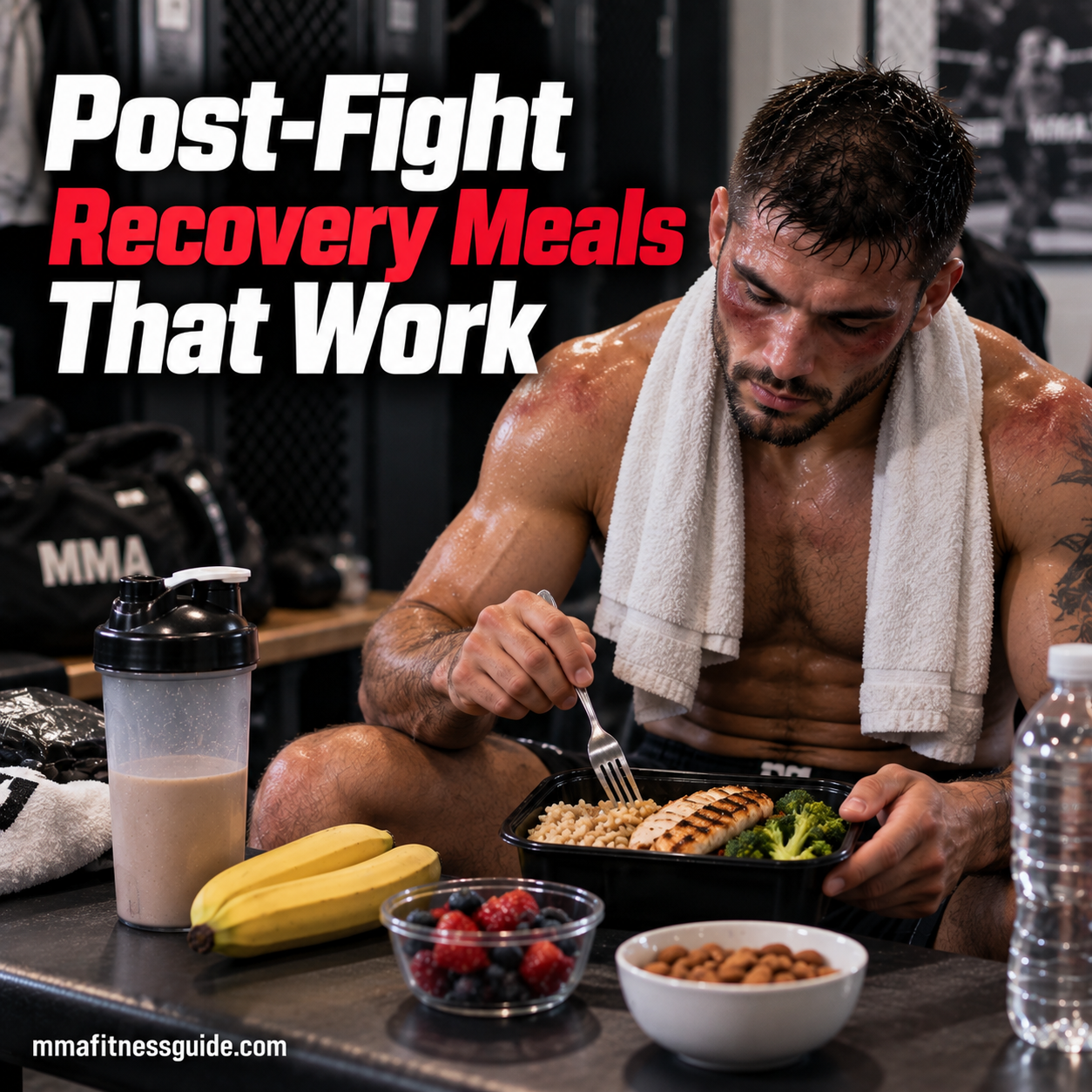
- Post-Fight Recovery Meals That Work — Discover practical meal ideas for the period following competition.
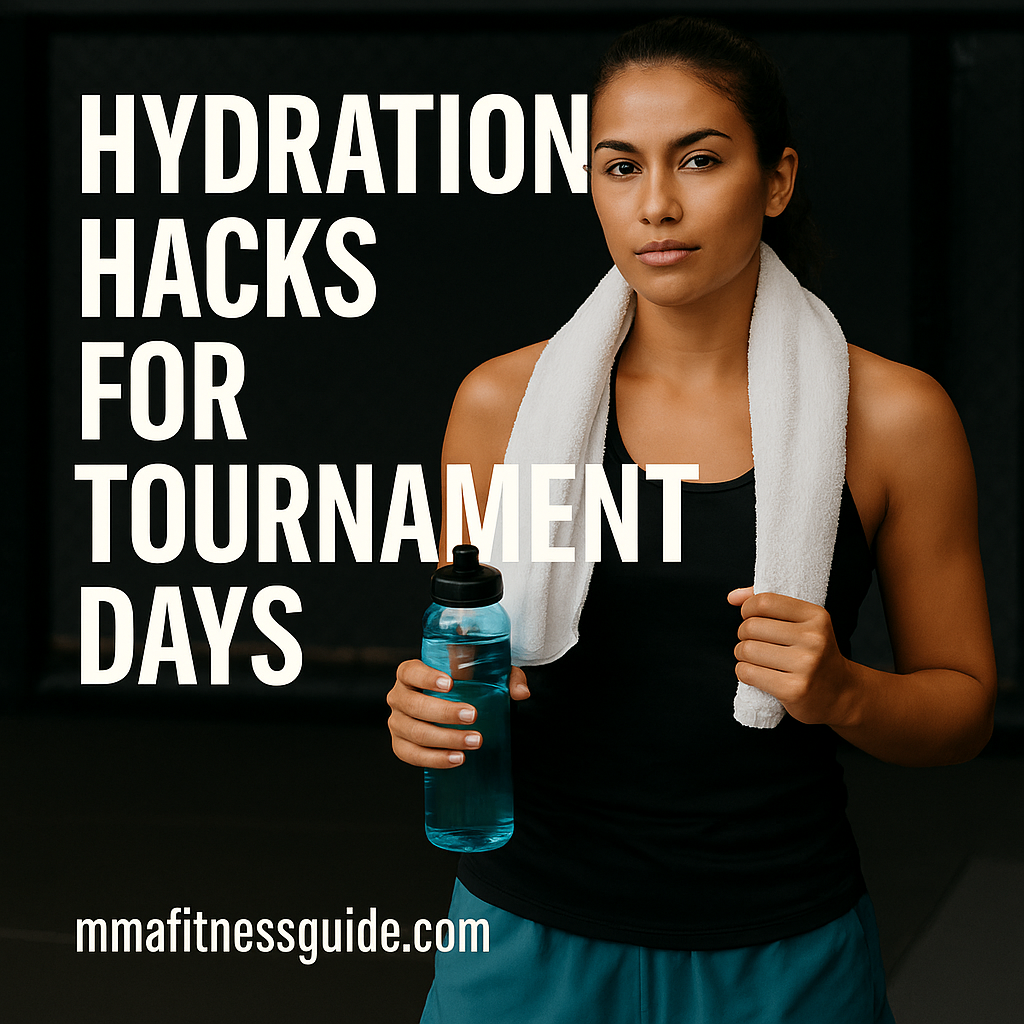
- Hydration Hacks for Tournament Days — Plan hydration and nutrition when multiple matches, travel, and limited recovery time create additional challenges.