Introduction
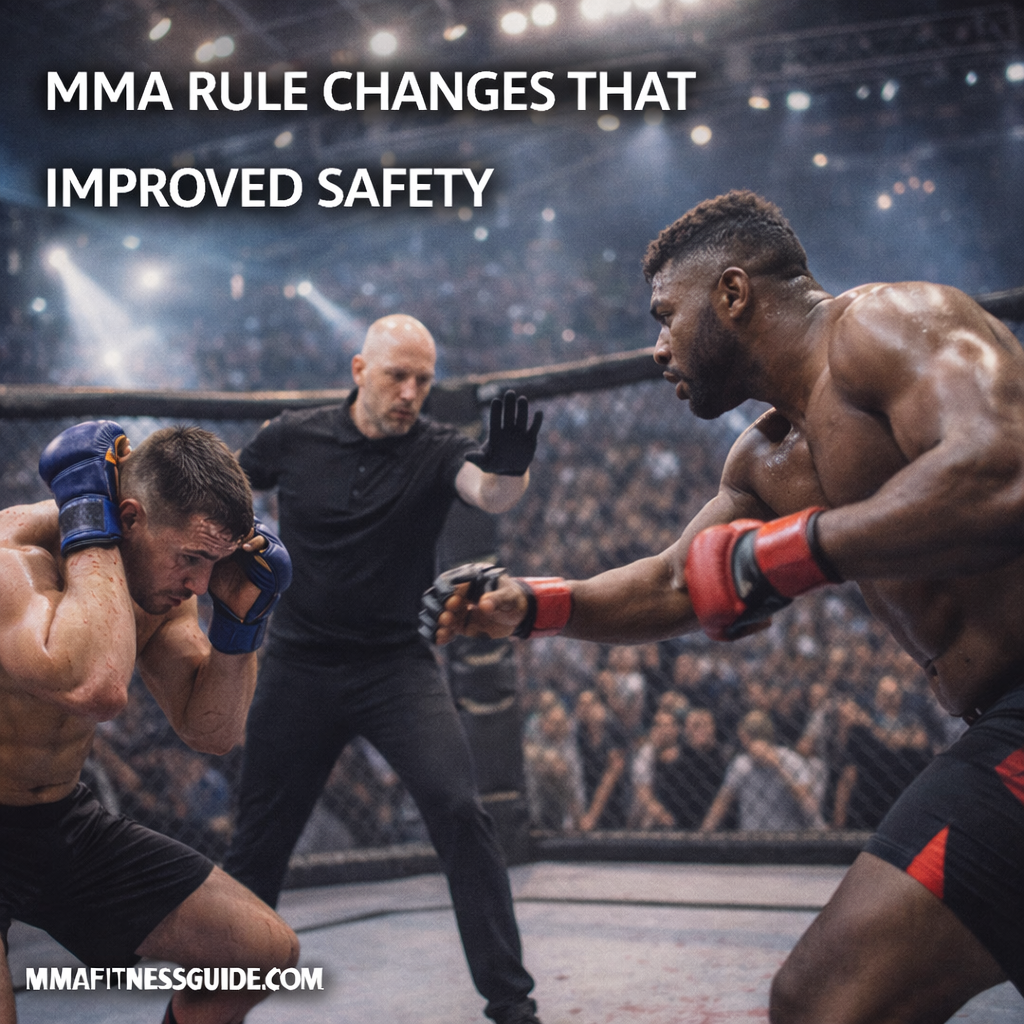
Modern MMA is far safer than its earliest incarnations—not because fighters became less aggressive, but because rules evolved. Early MMA prioritized spectacle and minimal restriction, which brought attention but also serious safety concerns. Over time, rule changes helped legitimize the sport, protect athletes, and allow MMA to grow globally.
Understanding these rule changes reveals how MMA transitioned from controversy to a regulated, professional sport focused on athlete safety and longevity.
The Early Era: Minimal Rules and Maximum Risk
Early MMA events featured very few restrictions.
Characteristics of the early era included:
- No weight classes
- No time limits
- Limited fouls
- Minimal medical oversight
While this showcased realism, it significantly increased injury risk and drew criticism from regulators and media.
Introduction of Weight Classes
One of the most important safety advancements was the introduction of weight classes.
Why weight classes matter:
- Reduce size and strength mismatches
- Lower concussion and injury risk
- Create fairer competition
- Improve athlete longevity
Weight classes transformed MMA from spectacle into structured competition.
Time Limits and Rounds
Unlimited fights posed serious health risks.
The introduction of:
- Timed rounds
- Rest periods between rounds
Helped by:
- Reducing extreme fatigue
- Allowing medical checks
- Improving referee oversight
Rounds protect fighters from prolonged damage.
Mandatory Use of Gloves
Early MMA allowed bare-knuckle fighting.
Glove implementation:
- Reduced facial lacerations
- Protected hands from fractures
- Allowed more consistent striking
- Improved referee control
While gloves don’t eliminate concussions, they reduced surface-level injuries significantly.
Expansion of Illegal Techniques
As MMA evolved, more techniques were banned.
Key prohibited actions include:
- Headbutts
- Groin strikes
- Eye gouging
- Small joint manipulation
- Strikes to the spine and back of the head
These bans eliminated high-risk techniques with limited competitive value.
The Ban on Soccer Kicks and Stomps (in Some Promotions)
Certain techniques were removed in many major promotions.
Safety benefits include:
- Reduced head trauma to grounded fighters
- Improved referee ability to intervene
- Clearer definitions of grounded positions
This change remains debated, but it improved mainstream acceptance.
Unified Rules of Mixed Martial Arts
The adoption of the Unified Rules was a turning point.
Benefits of unified regulation:
- Consistent rules across events
- Standardized fouls and scoring
- Clear expectations for fighters
- Easier regulation by athletic commissions
Uniform rules increased legitimacy and safety.
Medical Suspensions and Post-Fight Monitoring
Modern MMA emphasizes post-fight care.
Key medical safeguards include:
- Mandatory suspensions after knockouts
- Medical clearance before return
- Neurological assessments
- Ringside physicians
These measures reduce cumulative brain trauma.
Improved Referee Training and Authority
Referees now play a central safety role.
Modern referee responsibilities:
- Early stoppages when needed
- Clear communication with fighters
- Protecting unconscious athletes
- Monitoring defensive intelligence
Better officiating prevents unnecessary damage.
Pre-Fight Medical Screening
Today’s fighters undergo rigorous screening.
Common requirements include:
- Blood work
- Eye exams
- Brain imaging (in some regions)
- Physical clearance
These screenings catch issues before they become dangerous.
Fouls for Fence Grabbing and Gloves
Seemingly minor fouls affect safety.
Rules against:
- Fence grabbing
- Glove grabbing
Help by:
- Preventing joint injuries
- Reducing awkward falls
- Maintaining fair positioning
Technical rules protect fighters in subtle ways.
Scoring Criteria Changes
Scoring influences fighter behavior.
Modern judging emphasizes:
- Damage over control
- Effective striking and grappling
- Reduced stalling
This discourages prolonged, low-action positions that can lead to grinding injuries.
Youth and Amateur Rule Sets
Amateur MMA has its own safety-focused rules.
Common amateur protections include:
- Shorter rounds
- No elbows
- Protective gear requirements
These rules create safer developmental pathways.
Ongoing Safety Debates in MMA
Safety evolution is ongoing.
Current discussions include:
- Weight cutting regulations
- Concussion protocols
- Open scoring systems
- Further rule standardization
MMA continues to adapt based on research and experience.
Why Rule Changes Didn’t Ruin the Sport
Some feared safety rules would reduce excitement.
In reality:
- Skill levels increased
- Fighters adapted creatively
- Athleticism improved
- Careers lasted longer
Safety improvements enhanced the sport’s quality.
The Balance Between Realism and Responsibility
MMA remains a combat sport—but a regulated one.
Rules aim to:
- Preserve competition
- Protect athletes
- Maintain public trust
This balance allowed MMA to thrive globally.
Final Thoughts
MMA’s evolution into a safer sport didn’t happen overnight. It required thoughtful rule changes, regulatory oversight, and cultural shifts within the sport. These changes didn’t weaken MMA—they strengthened it, allowing fighters to compete at high levels while protecting their long-term health.
The sport’s future depends on continuing to evolve responsibly, proving that safety and intensity can coexist.