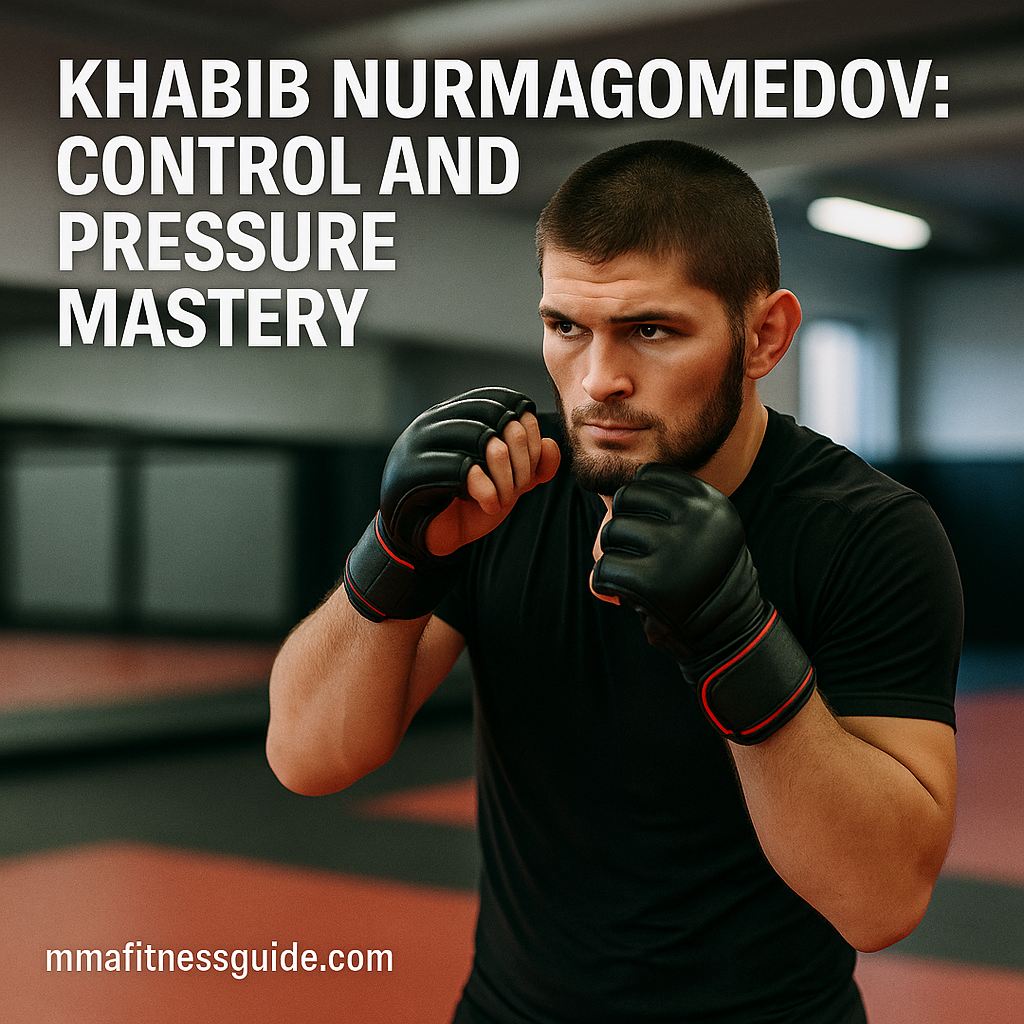
Modern MMA didn’t appear overnight. It evolved through decades of experimentation, cultural exchange, and real-world fighting challenges. At the heart of MMA’s origins is Vale Tudo, a no-holds-barred combat style that tested martial arts in the rawest way possible.
Understanding how Vale Tudo transformed into modern MMA helps explain why today’s fighters train the way they do — and why versatility, conditioning, and adaptability are essential in the sport.
What Is Vale Tudo?
Vale Tudo translates from Portuguese as “anything goes.”
Originating in Brazil in the early 20th century, Vale Tudo matches featured:
- Minimal rules
- Few prohibited techniques
- Matches between different martial arts
- Realistic, often brutal conditions
The goal wasn’t entertainment — it was to determine which fighting styles actually worked.
The Early Days of Style vs Style Fighting
Vale Tudo events often pitted fighters from different disciplines against each other.
Common matchups included:
- Brazilian Jiu-Jitsu vs boxing
- Wrestling vs striking arts
- Capoeira vs judo
- Catch wrestling vs karate
These contests exposed weaknesses in single-style training and rewarded adaptability and toughness.
The Gracie Family and the Rise of Brazilian Jiu-Jitsu
The Gracie family played a pivotal role in Vale Tudo’s evolution.
Their contributions included:
- Refining Brazilian Jiu-Jitsu for real combat
- Emphasizing leverage over strength
- Demonstrating effectiveness against larger opponents
- Promoting ground fighting as a core skill
BJJ’s success in Vale Tudo permanently changed combat sports.
Vale Tudo’s Influence Outside Brazil
As Vale Tudo gained attention, similar concepts emerged worldwide.
Influences appeared in:
- Japan’s shoot-style wrestling
- Pancrase competitions
- Shooto events
- Early hybrid combat promotions
These organizations helped bridge the gap between traditional martial arts and modern MMA.
The Birth of the UFC
In 1993, the Ultimate Fighting Championship introduced Vale Tudo concepts to a global audience.
Early UFC events featured:
- No weight classes
- Minimal rules
- Style vs style matchups
- Tournament formats in one night
The goal was simple: find out which martial art was most effective in a real fight.
Why Early UFC Looked So Different
Early UFC reflected Vale Tudo’s raw roots.
Notable differences included:
- No gloves
- Few time limits
- No rounds
- Minimal referee intervention
These conditions highlighted endurance, grappling control, and mental toughness.
The Shift Toward Rules and Regulation
As MMA grew, regulation became necessary.
Key changes included:
- Introduction of weight classes
- Banning the most dangerous techniques
- Mandatory gloves
- Timed rounds
- Medical oversight
These changes made MMA safer, more athletic, and more sustainable.
The Unified Rules of MMA
The adoption of the Unified Rules marked a turning point.
They standardized:
- Legal and illegal techniques
- Fight duration
- Judging criteria
- Fighter safety protocols
This framework allowed MMA to become a legitimate global sport.
From Specialists to Complete Fighters
Vale Tudo exposed the limits of specialization.
Modern MMA fighters must now master:
- Striking (boxing, Muay Thai)
- Wrestling and takedowns
- Brazilian Jiu-Jitsu
- Conditioning and recovery
- Fight IQ and strategy
The era of single-style dominance ended.
How Vale Tudo Still Shapes MMA Today
Vale Tudo’s influence remains visible.
You can see it in:
- Emphasis on realism in training
- Importance of ground control
- Respect for fight-ending techniques
- Mental toughness culture
- Adaptability across ranges
MMA still values what works under pressure.
Famous Fighters Shaped by the Evolution
Many legendary fighters embody the transition from Vale Tudo principles to modern MMA.
They are known for:
- Complete skill sets
- Calm under chaos
- Tactical adaptability
- Longevity through evolution
Their success reflects MMA’s historical journey.
Final Thoughts
From the raw, rule-light days of Vale Tudo to the highly regulated sport of modern MMA, combat sports have undergone a remarkable transformation. While safety, athleticism, and professionalism have increased, the core question remains the same: what truly works in a fight?
Modern MMA is the refined answer to that question — built on the lessons, successes, and hard realities of Vale Tudo. Understanding this history deepens appreciation for the sport and respect for the fighters who continue to evolve it.