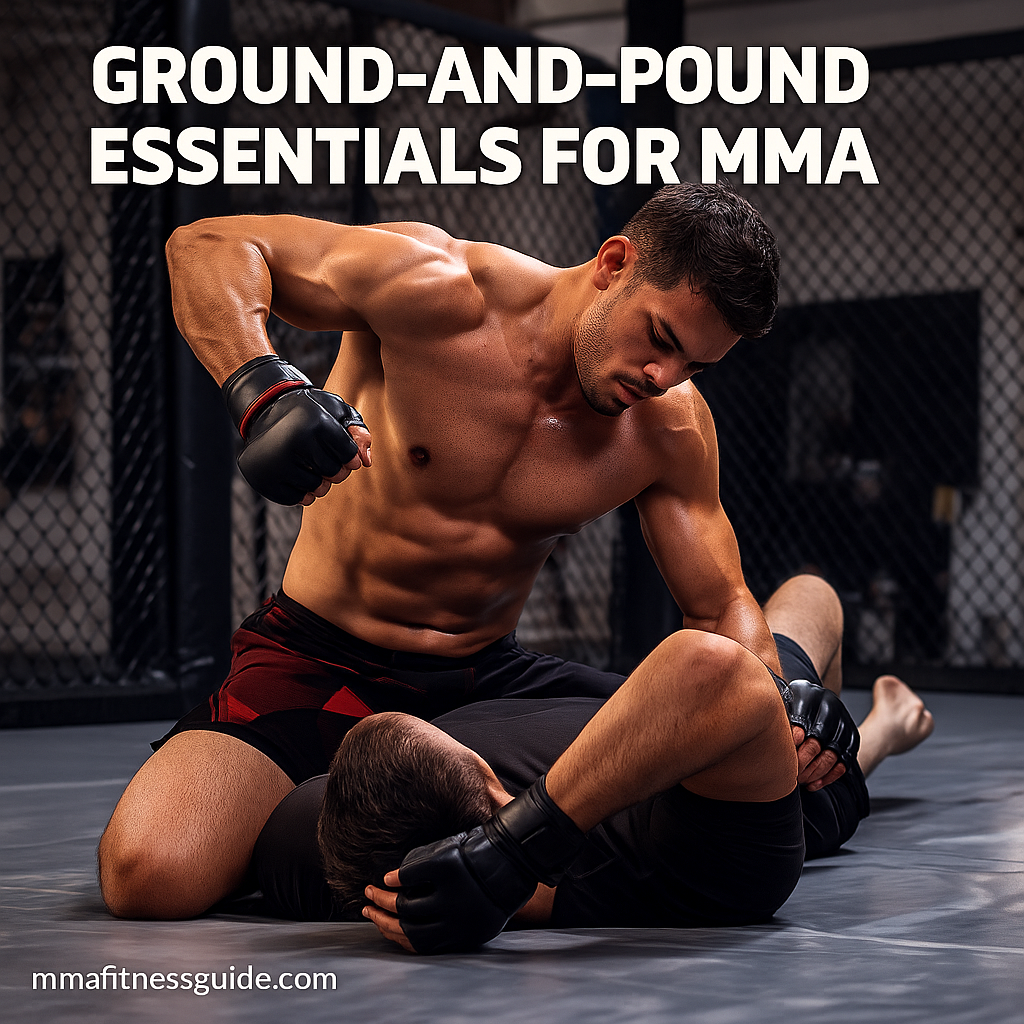
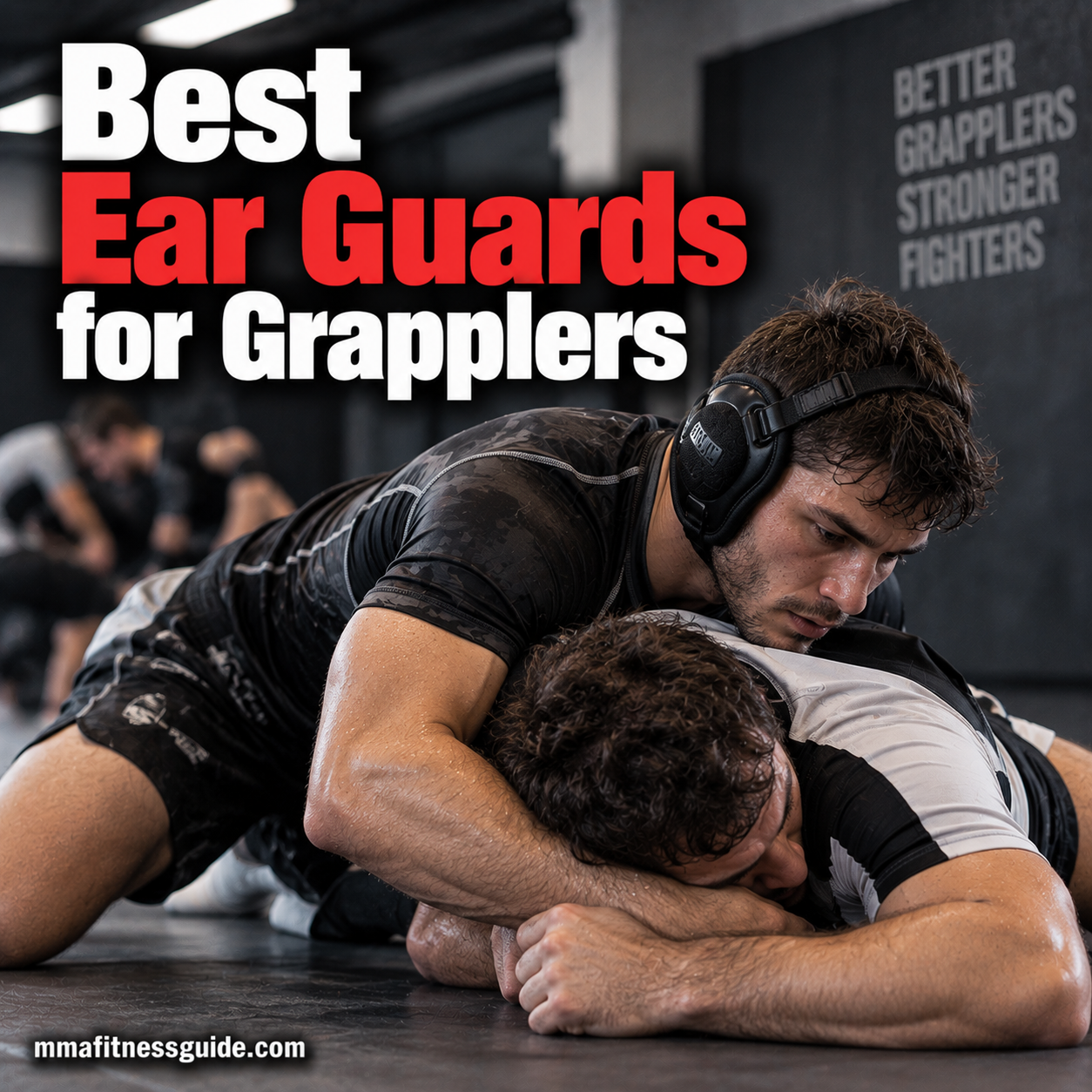
During a tight headlock, takedown scramble, or guard pass, the ear can get folded and pressed between your opponent and the mat. Repeat that friction several times a week and tenderness, bruising, or swelling can make even light contact uncomfortable.
Ear guards create a padded barrier around the outer ear while still allowing the head to move naturally during wrestling, BJJ, judo, and MMA grappling. Soft neoprene designs minimize bulk for rolling, while rigid and hybrid models provide additional structure for takedown-heavy sessions.
Fit matters as much as padding. An ear guard that slides over the eyes, catches during scrambles, or requires constant adjustment quickly becomes another distraction, so look closely at strap design, profile, ventilation, and how securely the guard stays positioned.
Why Ear Guards Matter for Grapplers
Ear guards don’t just prevent cosmetic damage — they help you train safely and consistently. Good ear protection provides:
- Reduced friction during scrambles
- Protection during takedowns and clinch work
- More comfort when rolling heavily
- Prevention of swelling from repeated impact
- A longer window for training without irritation
If you’re rolling multiple times a week or competing in takedown-heavy styles, ear guards are worth considering.
What to Look For in Quality Ear Guards
Not all ear guards are built the same. Here are the features that matter most.
Fit and adjustability
Ear guards should sit snugly without shifting. Adjustable straps help dial in the perfect fit.
Ventilation
Good airflow prevents heat buildup and keeps training comfortable.
Padding
Thicker padding offers better protection but can feel bulkier. Light padding is more breathable but less protective.
Strap design
Some guards use Velcro straps, while others use a compression-style sleeve. Choose based on comfort and movement.
Material durability
High-quality neoprene, reinforced stitching, and strong straps ensure they last through intense rolling.
Low-profile shape
Slimmer ear guards reduce snagging on the mat or your partner’s clothing.
Top Types of Ear Guards for Grapplers
Different training styles call for different designs. Here are the main categories.
Soft Neoprene Ear Guards
These are comfortable, lightweight, and ideal for BJJ practitioners who want low-profile protection.
Great for rolling without feeling bulky.
Best for:
- BJJ
- MMA grappling
- Everyday training
Hard Shell Ear Guards
These offer maximum protection with a tough outer shell that absorbs impact.
Commonly used by wrestlers who train in high-contact scrambles.
Best for:
- Wrestling
- Judo
- High-impact training
Hybrid Ear Guards
A mix of soft padding and a semi-rigid shell. They balance comfort and protection without feeling too heavy.
Best for:
- BJJ competitors
- MMA fighters
- Anyone wanting versatility
How to Choose the Right Ear Guard for You
Choose soft neoprene if:
- You prioritize comfort
- You want minimal bulk
- You roll mostly in BJJ
Choose rigid/hard shell if:
- You wrestle often
- You practice takedown-heavy styles
- You need maximum protection
Choose hybrid if:
- You cross-train
- You want durability and flexibility
- You switch between wrestling and BJJ
Tips for Getting the Best Fit
- Adjust straps before training, not during
- Keep your hair tied back to avoid slipping
- Rinse ear guards after training to prevent odor
- Test movement by rotating your head and shooting a light takedown
- Make sure the padding doesn’t block your hearing
A perfect fit should feel secure but not restrict breathing or mobility.
How to Care for Ear Guards
- Rinse after every session
- Let them air dry completely
- Avoid leaving them in gym bags overnight
- Wash straps if they start to trap sweat
- Replace them when padding gets loose or straps stretch out
Good maintenance keeps them fresh and long-lasting.
Final Takeaway
The best ear guards for grapplers balance protection, comfort, and a snug fit. Whether you prefer soft neoprene for BJJ, a hard shell for wrestling, or a hybrid model for mixed training, choosing the right gear helps keep your ears safe during intense sessions.
Good ear protection is more than comfort — it’s an investment in your longevity on the mats.