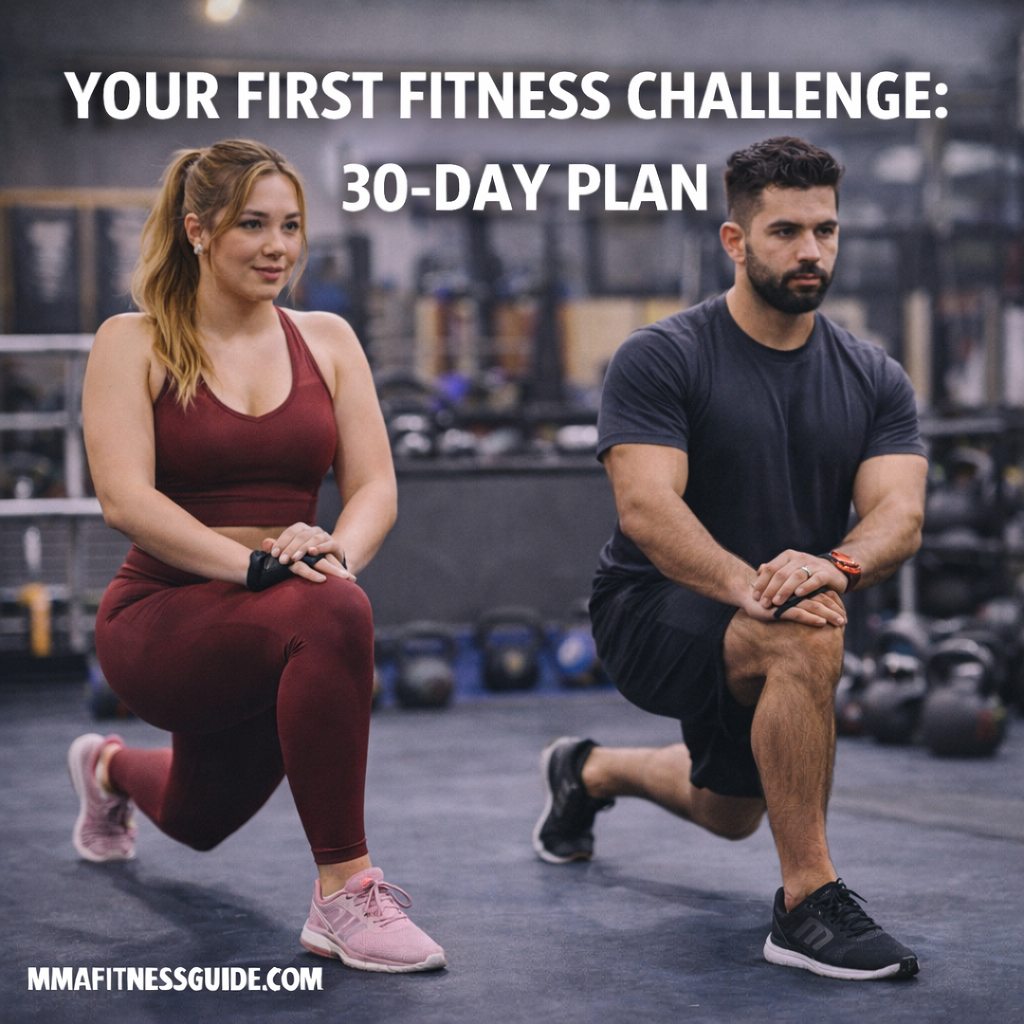
Introduction
Starting a fitness journey can feel overwhelming, especially if you’re unsure where to begin. A 30-day fitness challenge provides structure, motivation, and a clear starting point without requiring perfection. The goal is not extreme transformation—it’s building momentum, consistency, and confidence.
This beginner-friendly 30-day plan focuses on simple habits, manageable workouts, and gradual progress to help you establish a sustainable fitness routine.
Why a 30-Day Fitness Challenge Works
Thirty days is long enough to build habits but short enough to stay focused.
Benefits include:
- Clear daily structure
- Manageable goals
- Improved consistency
- Measurable progress
- Increased motivation
Small daily actions add up faster than occasional intense efforts.
How This 30-Day Plan Is Structured
This challenge prioritizes balance and recovery.
Key components:
- Strength training
- Cardiovascular movement
- Mobility and flexibility
- Rest and recovery
- Mindset development
The plan gradually increases intensity while allowing your body to adapt.
Weekly Overview
Each week builds on the previous one.
- Week 1: Foundation and habit building
- Week 2: Strength and endurance development
- Week 3: Consistency and challenge
- Week 4: Confidence and momentum
Progress comes from repetition, not extremes.
Week 1: Building the Foundation
The focus of Week 1 is showing up consistently.
Daily Goals
- 20–30 minutes of movement
- Focus on form and breathing
- Establish a consistent workout time
Sample Activities
- Bodyweight squats
- Wall or incline push-ups
- Walking or light cycling
- Basic stretching
Rest days are encouraged if soreness appears.
Week 2: Increasing Strength and Endurance
Week 2 introduces slightly more challenge.
Daily Goals
- 25–35 minutes of movement
- Add repetitions or sets
- Introduce light intervals
Sample Activities
- Full or knee push-ups
- Lunges or step-backs
- Planks or core holds
- Brisk walking or short jogs
Intensity remains manageable.
Week 3: Building Consistency
Week 3 focuses on maintaining effort without burnout.
Daily Goals
- 30–40 minutes of movement
- Consistent pace and effort
- Focus on recovery habits
Sample Activities
- Circuit-style bodyweight workouts
- Longer cardio sessions
- Mobility-focused days
Consistency matters more than intensity.
Week 4: Confidence and Momentum
Week 4 reinforces habits and self-belief.
Daily Goals
- 30–45 minutes of movement
- Push personal limits slightly
- Finish feeling strong and confident
Sample Activities
- Full-body circuits
- Longer walks or jogs
- Optional challenge workouts
Celebrate progress, not perfection.
Rest and Recovery Guidelines
Recovery supports progress.
Important recovery habits:
- Sleep 7–9 hours per night
- Stay hydrated
- Stretch after workouts
- Take rest days when needed
Listening to your body prevents setbacks.
Nutrition Basics During the Challenge
Keep nutrition simple and sustainable.
Focus on:
- Regular meals
- Adequate protein intake
- Fruits and vegetables daily
- Hydration throughout the day
Avoid drastic diet changes during your first challenge.
Staying Motivated for 30 Days
Motivation fluctuates—habits carry you through.
Helpful strategies:
- Track workouts on a calendar
- Focus on daily completion, not performance
- Celebrate small wins
- Avoid comparison
Showing up counts.
Common Beginner Mistakes to Avoid
Avoid these common pitfalls:
- Doing too much too soon
- Skipping rest days
- Comparing progress to others
- Expecting instant results
Progress is built, not rushed.
Measuring Progress Beyond the Scale
Progress shows up in many forms.
Track improvements like:
- Increased energy
- Better mood
- Improved sleep
- Strength gains
- Consistency streaks
These changes matter more than weight alone.
What Happens After Day 30?
The end of the challenge is the beginning of consistency.
Next steps may include:
- Repeating the challenge
- Increasing training intensity
- Exploring new fitness styles
- Setting new goals
Momentum is powerful when maintained.
Final Thoughts
Your first 30-day fitness challenge is about building trust with yourself. Each completed day reinforces discipline, confidence, and momentum. By focusing on consistency and sustainability, you set the foundation for long-term fitness success.
You don’t need perfection—you need commitment.