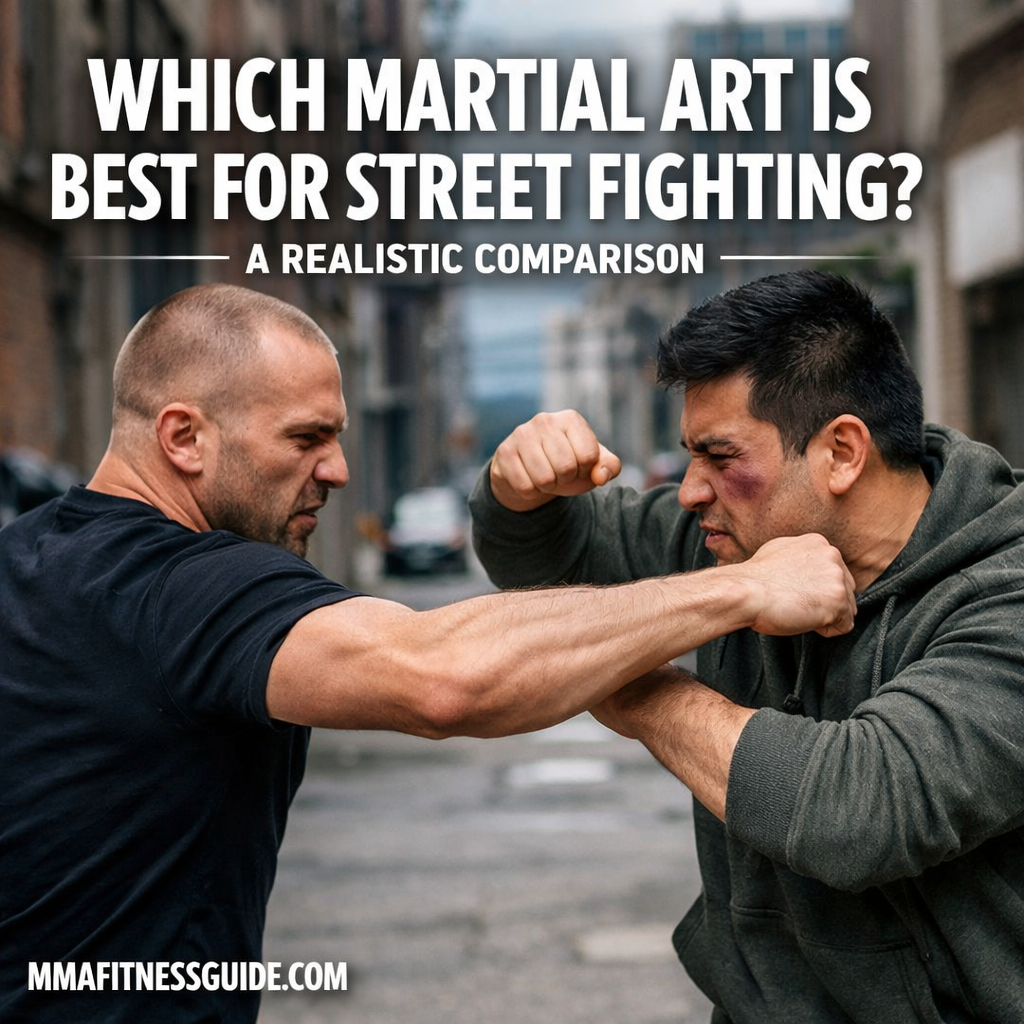
The question of which martial art is “best” for street fighting comes up often—but it’s usually framed the wrong way. Real-world altercations are chaotic, unpredictable, and dangerous. There are no rules, no referees, and often multiple variables such as environment, weapons, surprise, and stress.
This article takes a realistic, safety-focused look at how different martial arts translate to real-world self-defense, what actually matters in street situations, and why mindset and awareness often matter more than style.
This is not about encouraging violence. The goal is understanding practical self-defense, avoidance, and survival.
What Really Matters in a Street Situation
Before comparing styles, it’s important to understand what separates street encounters from sport or dojo training.
Key realities include:
- Unpredictable attacks and angles
- Uneven ground and confined spaces
- Possible multiple attackers
- High adrenaline and stress response
- Potential weapons
- Legal and personal consequences
Because of this, simplicity, adaptability, and situational awareness matter far more than flashy techniques.
Boxing: Simplicity and Striking Fundamentals
Boxing is one of the most practical bases for real-world striking.
Strengths:
- Excellent punching mechanics
- Strong defensive head movement
- Distance control and timing
- Conditioning under pressure
Limitations:
- No kicks, clinch control, or ground defense
- Vulnerable to takedowns without cross-training
Boxing excels at managing range and delivering fast, effective strikes but benefits greatly from grappling knowledge.
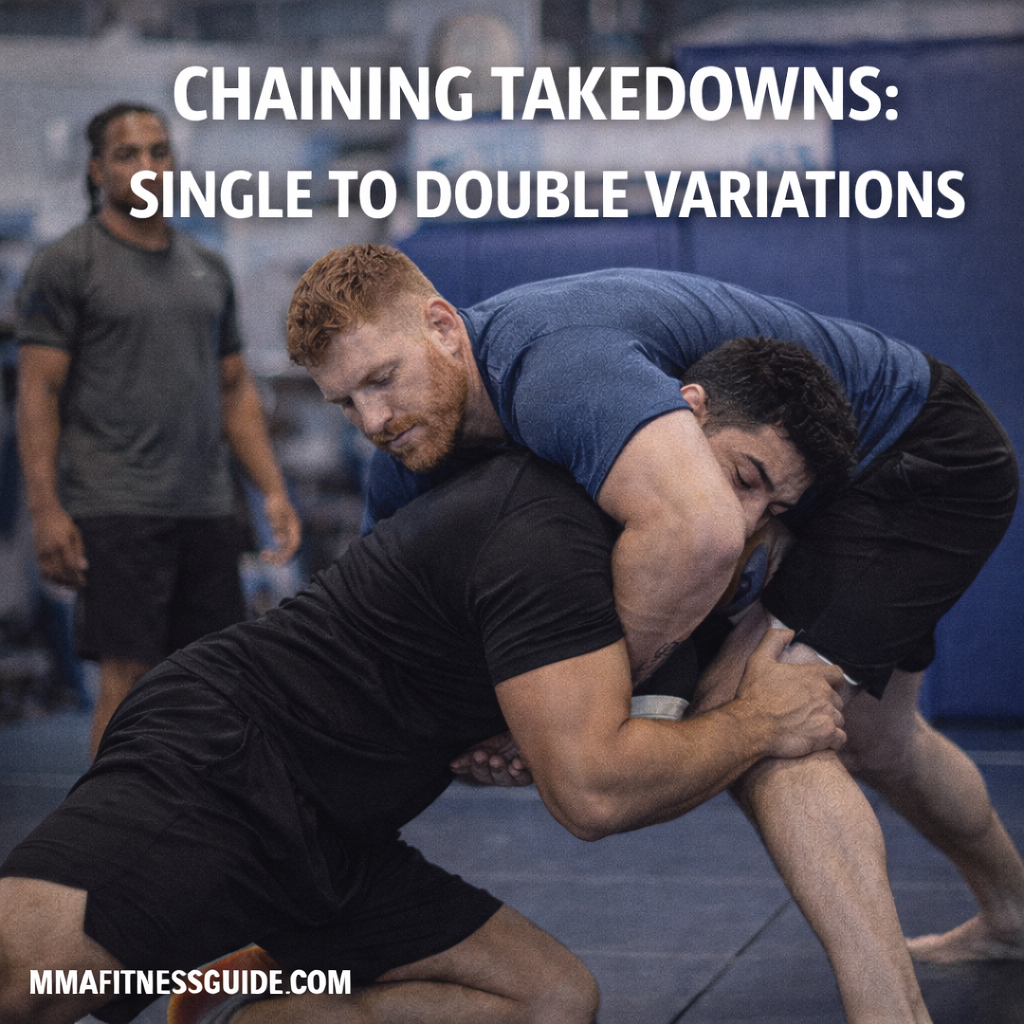
Wrestling: Control and Takedown Ability
Wrestling shines when it comes to physical control.
Strengths:
- Balance and base
- Takedowns and body control
- Ability to dictate where a fight happens
- Strong resistance to being taken down
Limitations:
- No striking
- Ground focus can be risky against multiple attackers
Wrestling is extremely effective for controlling a single opponent but must be used cautiously outside sport settings.
Brazilian Jiu-Jitsu: Ground Control and Submissions
Brazilian Jiu-Jitsu (BJJ) is often cited in street-defense discussions due to its effectiveness against larger opponents.
Strengths:
- Control and submission of attackers
- Energy efficiency
- Strong positional awareness
- Effective when taken to the ground unintentionally
Limitations:
- Ground fighting is dangerous with multiple attackers
- Limited striking emphasis
- Requires awareness of environment and weapons
BJJ is valuable for survival situations but works best when paired with striking and situational awareness.
Muay Thai: Clinch and Close-Range Power
Muay Thai offers devastating close-range tools.
Strengths:
- Clinch control
- Elbows and knees
- Balance and toughness
- Conditioning under pressure
Limitations:
- Less emphasis on grappling defense
- Upright stance can be vulnerable to takedowns
Muay Thai is highly effective in close quarters and pairs well with wrestling or BJJ for balance.
Judo: Throws and Balance Disruption
Judo specializes in using leverage and momentum.
Strengths:
- Powerful throws
- Balance manipulation
- Minimal reliance on strikes
- Effective use of clothing grips
Limitations:
- Requires specific grips
- Less emphasis on striking
- Ground transitions vary by training focus
Judo can end altercations quickly when throws are applied cleanly—but surfaces and surroundings matter greatly.
Krav Maga: Scenario-Based Self-Defense
Krav Maga is designed specifically for real-world threats.
Strengths:
- Focus on awareness and escape
- Weapon defense training
- Stress-based drills
- Simple, direct techniques
Limitations:
- Quality varies widely by school
- Less competitive pressure testing
Krav Maga prioritizes survival, avoidance, and fast decision-making over prolonged engagement.
MMA: The Most Well-Rounded Base
Mixed Martial Arts combines multiple disciplines.
Strengths:
- Striking and grappling integration
- Comfort under pressure
- Adaptability to different ranges
- Realistic sparring experience
Limitations:
- Sport rules still exist
- Not all gyms emphasize self-defense scenarios
MMA provides the broadest skill set for unpredictable situations when paired with awareness and restraint.
So… Which Martial Art Is “Best”?
There is no single best martial art for street situations.
However, the most effective combinations tend to include:
- Basic striking (boxing or Muay Thai)
- Takedown awareness (wrestling or judo)
- Ground survival skills (Brazilian Jiu-Jitsu)
- Situational awareness and escape mindset
The best “style” is one that:
- You train consistently
- Emphasizes simplicity
- Builds confidence under stress
- Teaches when not to engage
What Matters More Than Technique
Even the best martial artist can lose a street encounter due to poor decisions.
Critical factors include:
- Awareness and avoidance
- De-escalation skills
- Knowing when to run
- Understanding legal consequences
- Managing ego
The smartest win is avoiding the fight altogether.
Final Thoughts
Martial arts can improve confidence, discipline, and self-defense ability—but no style guarantees safety in real-world violence. Cross-training, awareness, and restraint matter far more than choosing a single “best” system.
Train to protect yourself, not to prove dominance—and always prioritize walking away when possible.