Introduction
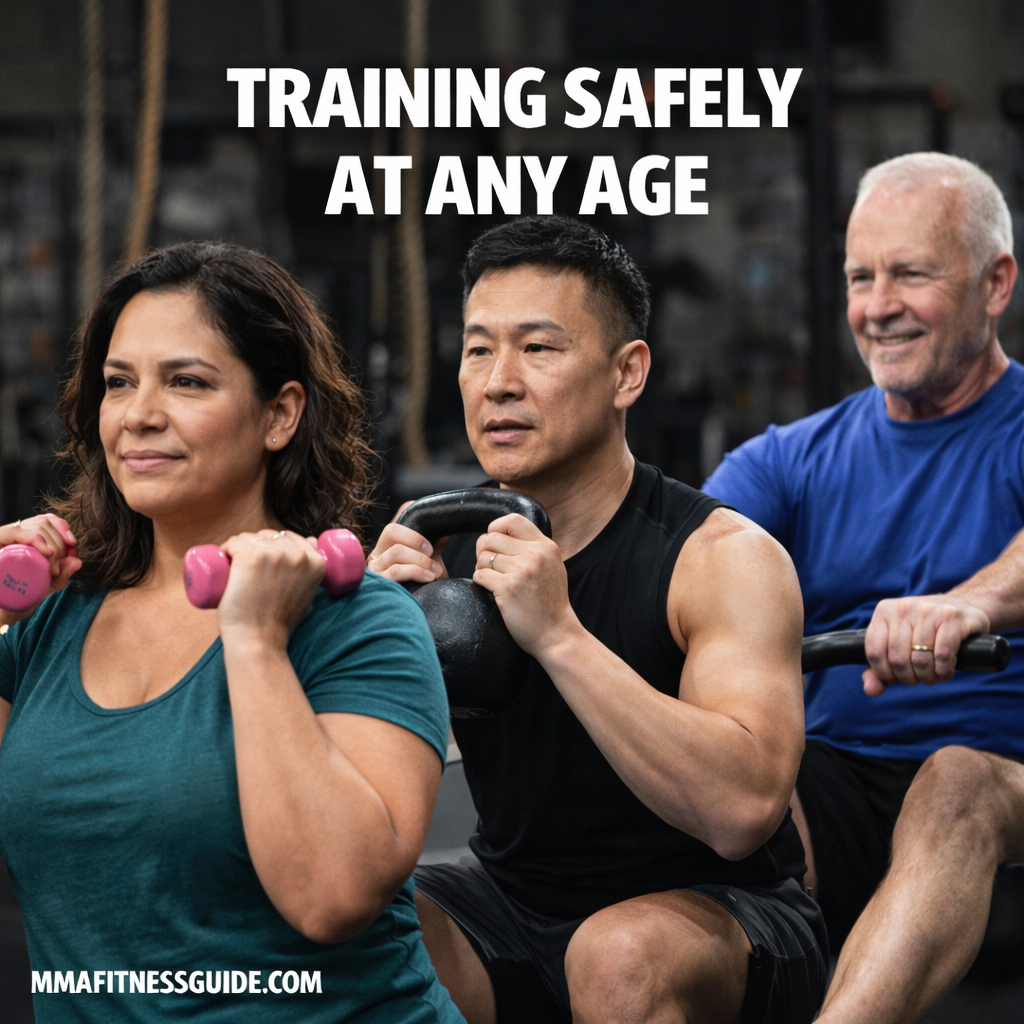
Starting or continuing fitness training at any age is one of the best investments you can make in your long-term health. Whether you are new to exercise, returning after time off, or adapting your training as you get older, safety should always come first.
Training safely does not mean training lightly. It means understanding your body, respecting recovery, and building strength in a way that supports longevity, confidence, and consistent progress.
Why Safe Training Matters More Than Ever
As the body changes with age, recovery speed, joint resilience, and injury tolerance can shift. Ignoring these changes often leads to setbacks that derail consistency.
Safe training helps:
- Reduce the risk of injury
- Improve long-term joint health
- Build sustainable strength and endurance
- Increase confidence in movement
- Support consistency over months and years
Fitness is not about how hard you train once—it’s about how well you train over time.
Understanding Your Starting Point
Before beginning any training program, it is important to understand your current fitness level.
Consider:
- Previous injuries or chronic pain
- Current activity level and daily movement
- Mobility limitations or stiffness
- Balance and coordination
- Cardiovascular conditioning
Honest self-assessment prevents overreaching and allows you to progress intelligently.
Common Training Mistakes Beginners Make
Many beginners, regardless of age, fall into similar traps.
Common mistakes include:
- Doing too much too soon
- Ignoring warm-ups and cool-downs
- Training through pain instead of addressing it
- Prioritizing intensity over technique
- Skipping rest days
Avoiding these mistakes early sets the foundation for long-term success.
The Importance of Proper Warm-Ups
A good warm-up prepares your body and nervous system for movement.
Effective warm-ups should:
- Gradually raise heart rate
- Increase joint mobility
- Activate key muscle groups
- Reinforce proper movement patterns
Even 5–10 minutes of focused preparation can significantly reduce injury risk.
Choosing the Right Type of Training
Safe training looks different depending on age, goals, and experience.
Strength training
Strength training helps preserve muscle, bone density, and joint stability at any age.
Focus on:
- Controlled movements
- Full range of motion
- Moderate loads with good form
- Progressive overload over time
Cardiovascular training
Cardio improves heart health, endurance, and recovery capacity.
Safe options include:
- Walking or incline walking
- Cycling or stationary bikes
- Swimming or rowing
- Low-impact interval training
Mobility and flexibility
Mobility training keeps joints moving freely and reduces stiffness.
Include:
- Dynamic stretching before workouts
- Static stretching after training
- Mobility drills for hips, shoulders, and spine
Listening to Your Body
Pain is not a badge of honor. Learning the difference between effort and injury is essential.
Warning signs to respect:
- Sharp or sudden pain
- Persistent joint discomfort
- Swelling or loss of range of motion
- Lingering soreness lasting several days
- Decreasing performance despite effort
Adjusting early often prevents long breaks later.
Progressing at the Right Pace
Progress should be gradual and consistent.
Safe progression includes:
- Increasing one variable at a time (weight, volume, or intensity)
- Allowing recovery between hard sessions
- Building habits before chasing performance
- Tracking how your body responds
There is no rush. Progress that lasts is progress done right.
Recovery Is Part of Training
Recovery is where adaptation happens.
Key recovery habits:
- Prioritizing sleep
- Staying hydrated
- Eating enough protein and nutrients
- Scheduling rest or active recovery days
- Managing stress outside the gym
Without recovery, even the best training plan breaks down.
Training Safely with Past Injuries
Past injuries do not mean you cannot train—they mean you must train smarter.
Helpful strategies:
- Modify exercises instead of avoiding movement entirely
- Strengthen surrounding muscles for support
- Use tempo and control to reduce joint stress
- Work within pain-free ranges
If unsure, professional guidance can be invaluable.
When to Seek Professional Guidance
Beginners at any age may benefit from expert support.
Consider professional help if:
- You are unsure how to start
- You have a history of injuries
- You experience recurring pain
- You want structured, personalized programming
A qualified coach or specialist can help you build confidence and avoid common pitfalls.
Building a Long-Term Fitness Mindset
Safe training is not about fear—it is about sustainability.
A long-term mindset includes:
- Valuing consistency over intensity
- Respecting recovery as progress
- Focusing on movement quality
- Enjoying the process
Fitness should enhance your life, not limit it.
Final Thoughts
Training safely at any age is both possible and powerful. With the right approach, you can build strength, mobility, and confidence while reducing injury risk. The goal is not to train like you are 20 forever—it is to train in a way that keeps you active, capable, and confident for life.