The Art of Fighting Without an Opponent
Shadowboxing is one of the most underrated — yet essential — training tools in martial arts. It’s where movement meets imagination.
Every strike, slip, and pivot is performed without contact, but the purpose is clear: to refine technique, sharpen timing, and improve body awareness.
Whether you’re a beginner or a seasoned fighter, shadowboxing helps you connect mind and body — preparing you for the rhythm and fluidity of real combat.
What Is Shadowboxing?
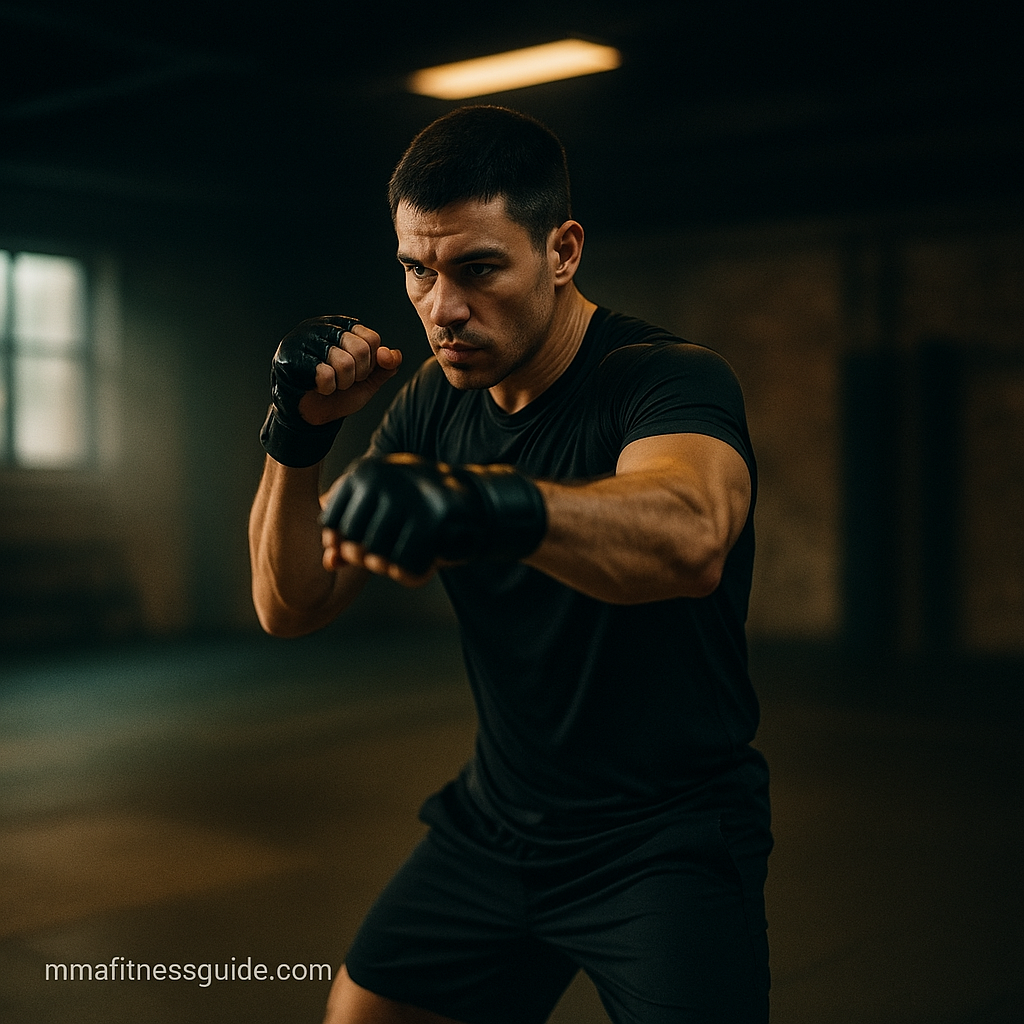
Shadowboxing is a solo training drill where you simulate fighting an invisible opponent. You throw punches, kicks, and defensive moves while visualizing real fight scenarios.
It’s not just about moving — it’s about thinking, reacting, and flowing through imaginary combat situations.
Fighters use it to warm up, practice combinations, and develop the muscle memory that makes movements second nature.
The Benefits of Shadowboxing
1. Technique Perfection
Without the distraction of hitting a bag or opponent, you can focus on form and precision — balance, hand placement, and head movement.
2. Improved Footwork
Shadowboxing helps you build smooth, efficient movement. You can pivot, circle, and control distance freely, making it perfect for refining your cage movement.
3. Enhanced Coordination
Mix punches, kicks, knees, and slips seamlessly. You’ll learn how to blend striking and defense into one fluid motion.
4. Cardiovascular Conditioning
Even without impact, shadowboxing gets your heart rate up.
It’s an excellent low-impact cardio workout for both warm-ups and recovery days.
5. Mental Focus and Visualization
The best fighters don’t just throw combinations — they see opponents.
Visualization improves reaction speed and fight IQ by simulating real scenarios mentally before they happen physically.
6. Confidence Building
When you shadowbox consistently, your movements become instinctive. You start feeling smoother, faster, and more in control — both mentally and physically.
How to Shadowbox Effectively
Step 1: Warm Up
Start with 3–5 minutes of light movement: jumping rope, arm circles, and joint mobility work.
Step 2: Set Your Intent
Before each round, pick a focus area — maybe it’s footwork, combinations, or defense.
Don’t just throw random punches; make each round purposeful.
Step 3: Work in Rounds
Structure your session like a real fight:
- 3 rounds × 3 minutes each
- 1-minute rest between rounds
As you advance, increase intensity or duration.
Step 4: Visualize an Opponent
Imagine your opponent’s attacks and reactions.
Slip, parry, or counter as if the fight is happening right now.
Step 5: Mix Offense and Defense
Combine punches, kicks, and defensive moves in rhythm:
- Jab → Cross → Slip → Hook
- Low kick → Step back → Counter right
- Feint → Jab → Body shot → Pivot out
Keep your feet moving, stay light, and maintain your stance.
Advanced Shadowboxing Variations
1. With Resistance Bands
Attach light bands to your hands or waist to build strength and endurance.
2. Mirror Work
Shadowbox in front of a mirror to self-correct your technique and posture.
3. Weighted Gloves
Use light (1–2 lb) gloves for short intervals to enhance speed and shoulder endurance.
4. Music or Timer Drills
Match your pace to music rhythm or use interval timers to mimic fight tempo.
5. Incorporate Movement Patterns
Add lateral steps, pivots, and stance switches to simulate ring control.
Common Mistakes to Avoid
- Overextending punches – Keep elbows close, maintain guard.
- Standing flat-footed – Always stay on the balls of your feet.
- Lack of intent – Don’t go through the motions; visualize real exchanges.
- Neglecting defense – Every attack should be followed by a slip, roll, or step.
Sample Shadowboxing Routine (15–20 Minutes)
- Round 1: Warm-up pace — focus on form, light movement
- Round 2: Add head movement, slips, and angles
- Round 3: Power round — faster combinations, more footwork
- Round 4: Visualization — imagine specific opponents or fight styles
- Round 5: Cooldown — relaxed flow, breathing, and control
Why Every Fighter Should Shadowbox
Shadowboxing connects your mind, movement, and technique. It’s where you polish fundamentals and develop a flow state that separates good fighters from great ones.
You can do it anywhere — at the gym, in your living room, or outside — and it always makes you sharper.
As Muhammad Ali once said,
“The fight is won or lost far away from witnesses — in the gym and behind the lines.”
Shadowboxing is exactly that — unseen work that builds visible skill.
Key Takeaways
- Shadowboxing builds technique, timing, and mental focus.
- Visualizing an opponent sharpens awareness and control.
- Consistent practice improves fluidity, confidence, and conditioning.
- Mastering shadowboxing makes every other aspect of MMA stronger.