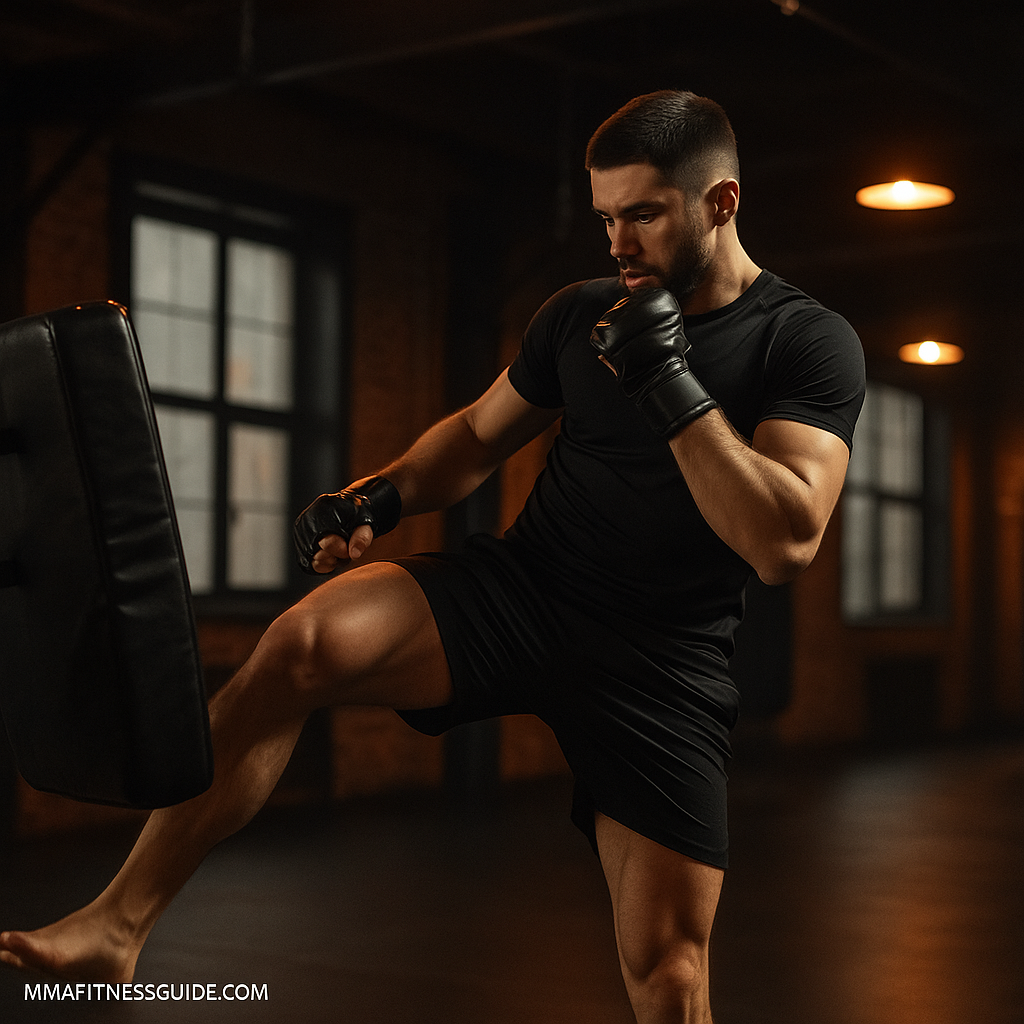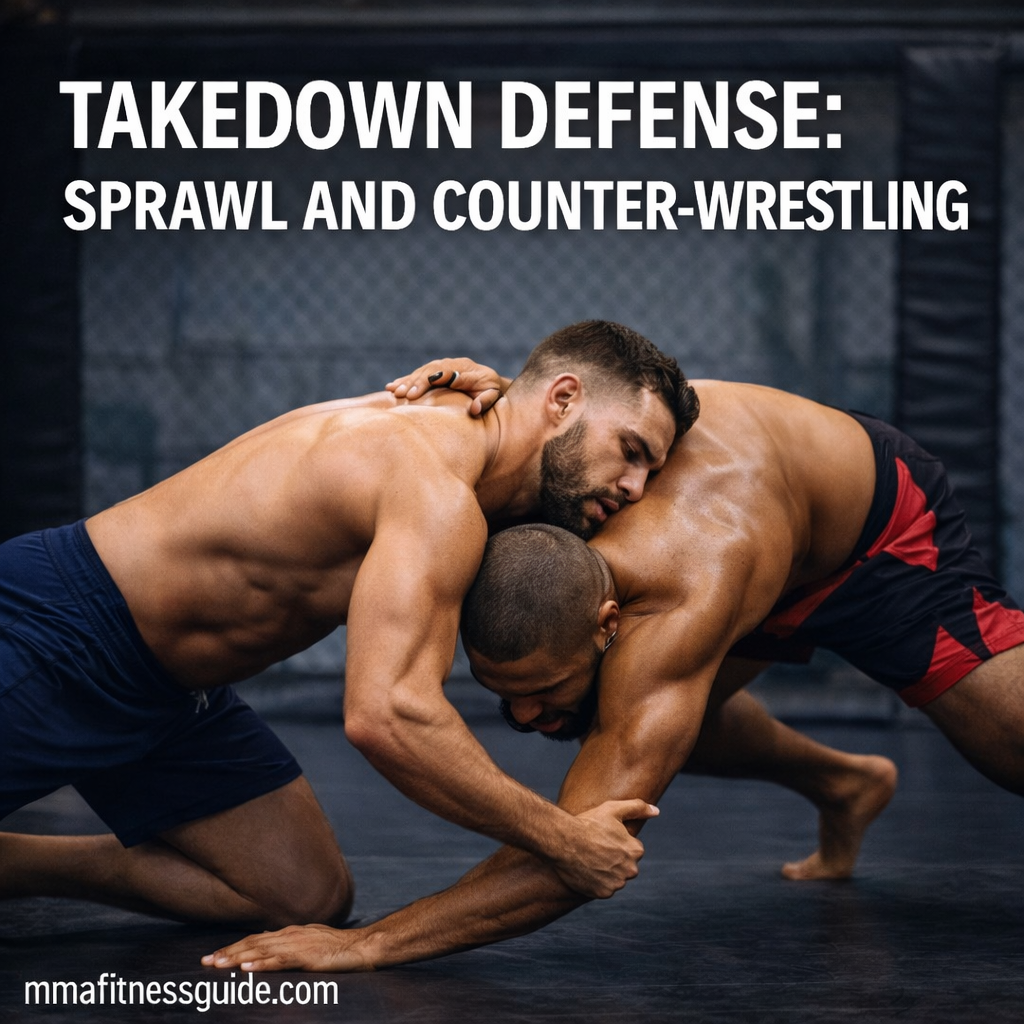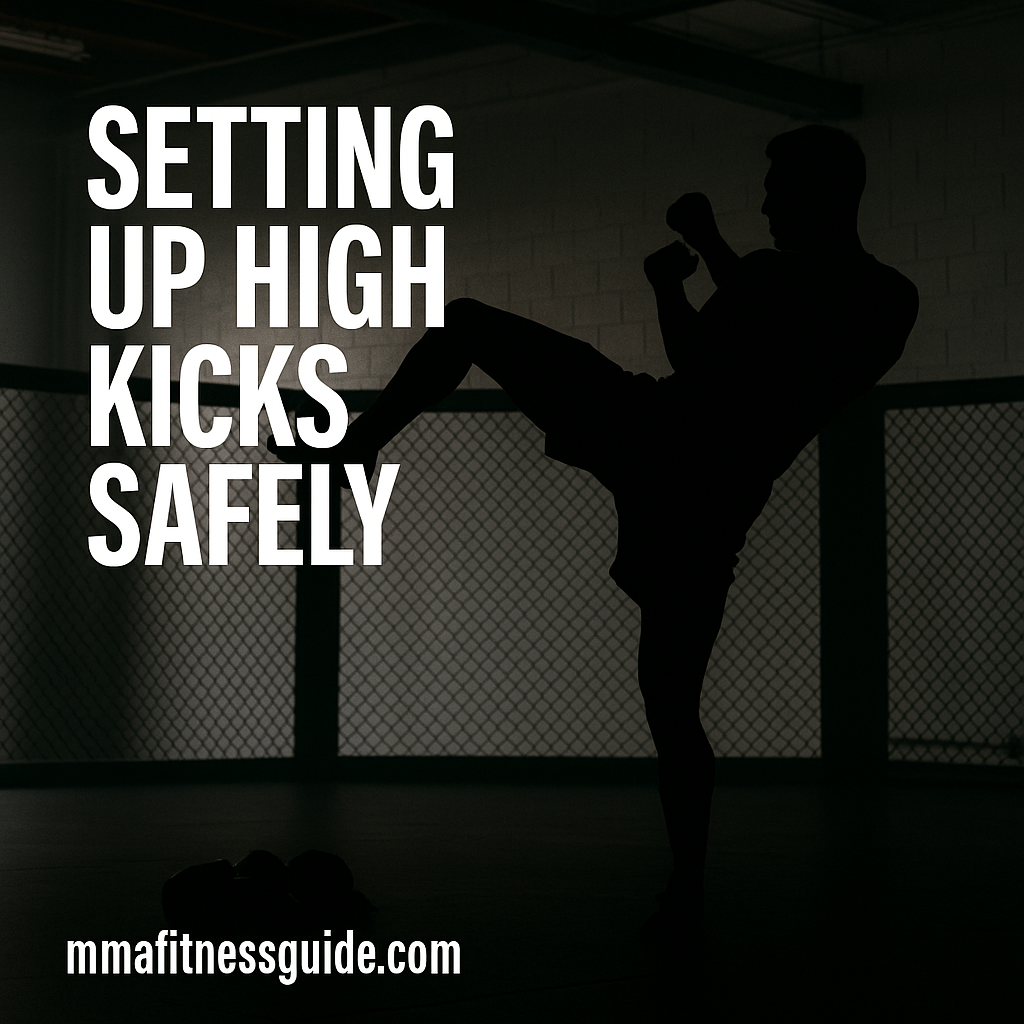
High kicks are some of the most exciting and dangerous techniques in striking arts. When thrown correctly, they can end a fight instantly. When thrown carelessly, they leave you exposed to counters, takedowns, and injuries.
The key isn’t just being flexible — it’s knowing how to set up high kicks safely so your opponent never sees them coming.
This guide breaks down the smartest setups, angles, feints, and timing strategies that help fighters land cleaner kicks without taking unnecessary risks.
Why Safe Setups Matter for High Kicks
Throwing a high kick without preparation is a recipe for:
- Getting your supporting leg swept
- Being punched mid-kick
- Getting caught and taken down
- Losing balance
- Fatiguing quickly
Safe setups turn a risky kick into a high-percentage weapon. The best strikers make high kicks feel effortless because they hide them behind smart movements.
The Fundamentals of Safe High-Kick Setup
Before diving into setups, the basics matter.
Balance comes first
Your supporting leg must be stable before, during, and after the kick.
Keep your guard up
High kicks leave your side open — protect your face.
Don’t stare at the target
Looking directly at the head telegraphs everything.
Use hip and torso rotation
Proper rotation keeps the kick powerful while reducing strain.
Use the right distance
Too close = smothered.
Too far = telegraphed windup.
Keep these fundamentals in mind as you build your setups.
Smart Feints to Mask Your High Kick
Feints hide your intention and force your opponent into predictable reactions.
Jab feint
A small flick of the jab draws the guard forward, exposing the head.
Low-kick feint
Start a low kick, then switch to a high kick on the next strike — classic Muay Thai setup.
Shoulder feint
A slight shoulder drop sells the idea of a punch, opening the head.
Step-in feint
A quick, light step forward makes opponents brace for a body shot, giving you space to kick.
Feints don’t need to be big — tiny movements create huge openings.
Using the Hands to Set Up High Kicks
Your punches are the best way to disguise your kicks.
1–2 to high kick
The right cross makes opponents shell up. When their guard rises, the head kick slides around the outside.
Hook to high-kick
The hook pulls their guard to one side, exposing the opposite angle.
Uppercut to high kick
After reacting to a punch down the middle, opponents often lift their chin — perfect timing for a quick kick.
Body shot to high kick
Attacking the ribs makes opponents lean or drop their elbow, opening their head for the next strike.
Punching before kicking keeps you safe and unpredictable.
Angle Changes That Make High Kicks Safer
Small angles reduce risk and increase the kick’s speed.
Step outside the lead foot
Creates a clean path around the guard.
Pivot before kicking
A sharp pivot loads the hips without telegraphing.
Switch stance
A quick stance switch can change the angle enough to catch the opponent off guard.
L-step
Creates distance while lining your hips for the kick.
Angles make even a slow kick feel fast.
Defensive Layers That Protect You During High Kicks
Even the best setups leave openings — so you must layer defense into your technique.
Keep the opposite hand up
Protects your jaw as you pivot.
Lean your torso slightly
Moves your head off the centerline.
Reset your stance immediately after landing
Never admire your kick — recover fast.
Return your leg quickly
Don’t let your leg hang in the air.
Defense is what keeps high kicks safe, not risky.
Conditioning That Makes High Kicks Safer
You don’t need insane flexibility to throw safe high kicks — just consistent mobility and strength.
Focus on:
- Hip mobility
- Hamstring flexibility
- Core stability
- Glute and quad strength
- Light balance drills
A flexible, strong base keeps your supporting leg solid and your hips moving freely.
Safe Partner Drills to Build High Kick Setups
These drills improve timing without full power.
Touch kicks to the glove
Builds accuracy without risk.
Feint-to-kick drills
Practice hiding the kick behind punches.
Angle drills
Light movement drills that teach you how to turn your hips.
Kick-to-reset drill
Throw a light high kick, recover instantly, and reset stance.
These reps build confidence and safety at the same time.
Final Takeaway
High kicks are powerful, flashy, and effective—but only when set up correctly. The real secret isn’t flexibility or strength; it’s smart preparation. Feints, punches, angles, and defensive awareness all come together to make high kicks safer and sharper.
Master the setups, and the kicks will land themselves.
Ignore the setup, and you’re asking to get countered.
Train smart, move smart, and kick smart.