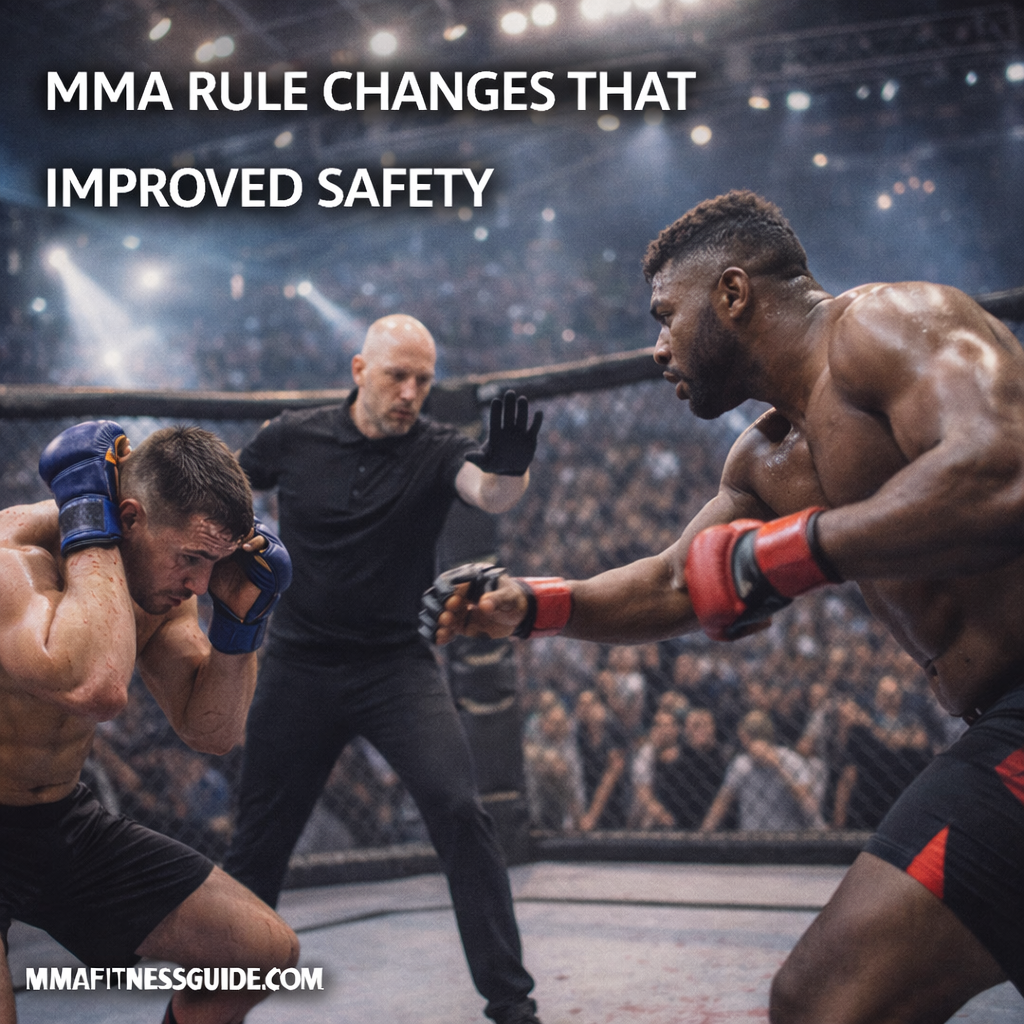
A referee intervenes during an MMA bout, highlighting how modern rule changes improved fighter safety and officiating standards.
Introduction
Modern MMA is far safer than its earliest incarnations—not because fighters became less aggressive, but because rules evolved. Early MMA prioritized spectacle and minimal restriction, which brought attention but also serious safety concerns. Over time, rule changes helped legitimize the sport, protect athletes, and allow MMA to grow globally.
Understanding these rule changes reveals how MMA transitioned from controversy to a regulated, professional sport focused on athlete safety and longevity.
MMA athletes practicing mental recovery after intense training, highlighting the importance of balancing focus and rest.
Introduction
MMA culture often celebrates nonstop intensity—hard rounds, relentless conditioning, and pushing through discomfort. While physical recovery is increasingly understood, mental recovery is still frequently overlooked. Without proper mental recovery, intensity becomes unsustainable, leading to burnout, anxiety, poor performance, and stalled progress.
Learning to balance mental intensity with recovery helps fighters stay sharp, motivated, and emotionally resilient across long training cycles.
Secure, sweat-resistant headphones can work well for solo MMA conditioning, lifting, running, warm-ups, and recovery sessions.
Introduction
Burpees, jump rope, heavy-bag rounds, sprints, and strength work expose headphone problems quickly. Loose earbuds fall out, over-ear headphones trap heat, touch controls misfire when your hands are sweaty, and poorly protected electronics can struggle after repeated exposure to moisture.
For MMA athletes, headphones make the most sense during solo conditioning, lifting, roadwork, warm-ups, and recovery—not during sparring or drills where communication and awareness are required.
Secure fit, sweat resistance, battery life, straightforward controls, and awareness of your surroundings should drive the buying decision. Sound quality still matters, but headphones that stay put through a conditioning circuit are generally more useful in the gym than a feature-heavy pair designed primarily for stationary listening.
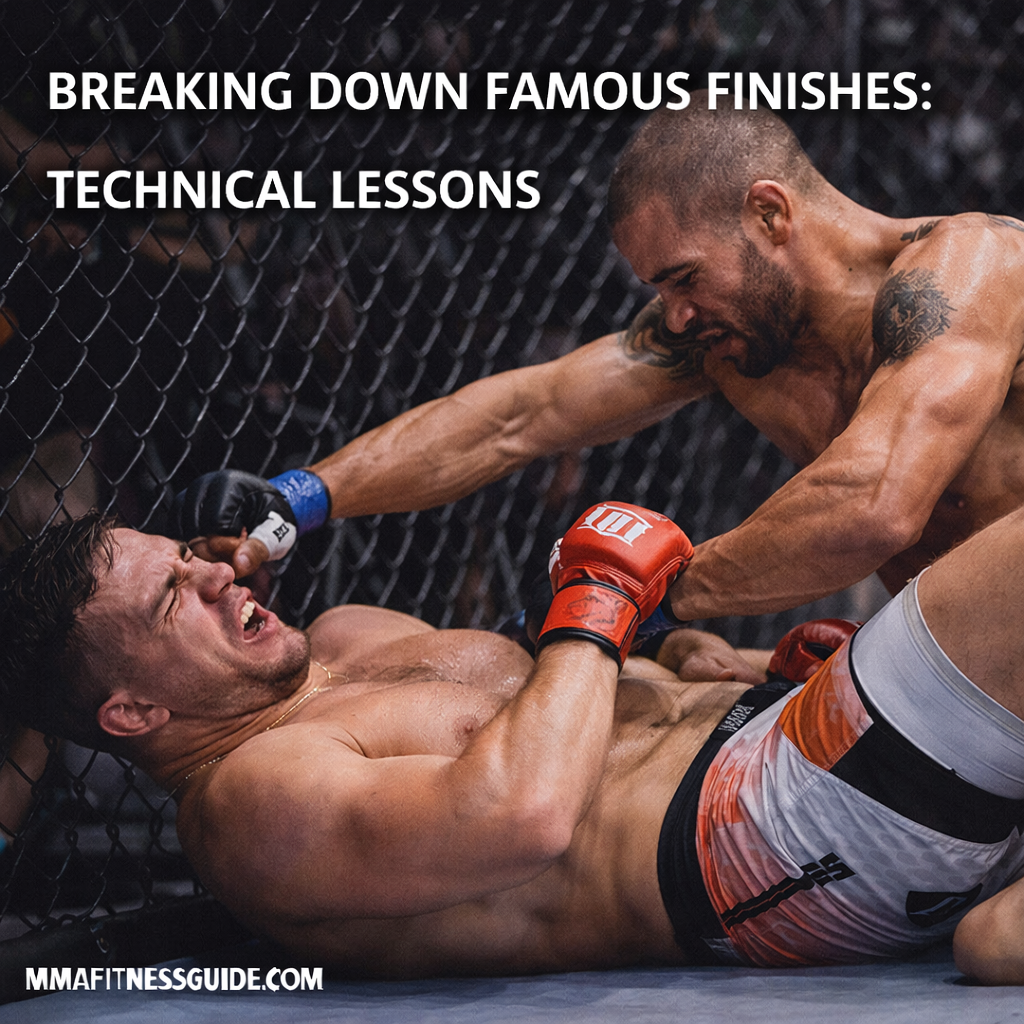
MMA athletes demonstrating a decisive fight finish, emphasizing the technical details and setups behind famous MMA moments.
Introduction
Some finishes in MMA become legendary—not just because they end fights, but because they showcase perfect timing, positioning, and technique under pressure. Famous finishes offer more than highlight reels; they provide valuable technical lessons that fighters at every level can study and apply.
By breaking down why these finishes worked, fighters can sharpen their own execution, improve decision-making, and avoid common mistakes that lead to being caught.
MMA athletes showcasing a lean, strong physique built through smart nutrition and performance-focused training.
Introduction
Staying lean while maintaining strength is one of the biggest challenges for MMA athletes. Cutting too aggressively can drain power, slow recovery, and increase injury risk. On the other hand, ignoring body composition can affect speed, endurance, and weight class performance.
The key is not extreme dieting—it’s strategic nutrition, smart training, and recovery habits that protect strength while gradually reducing excess body fat.
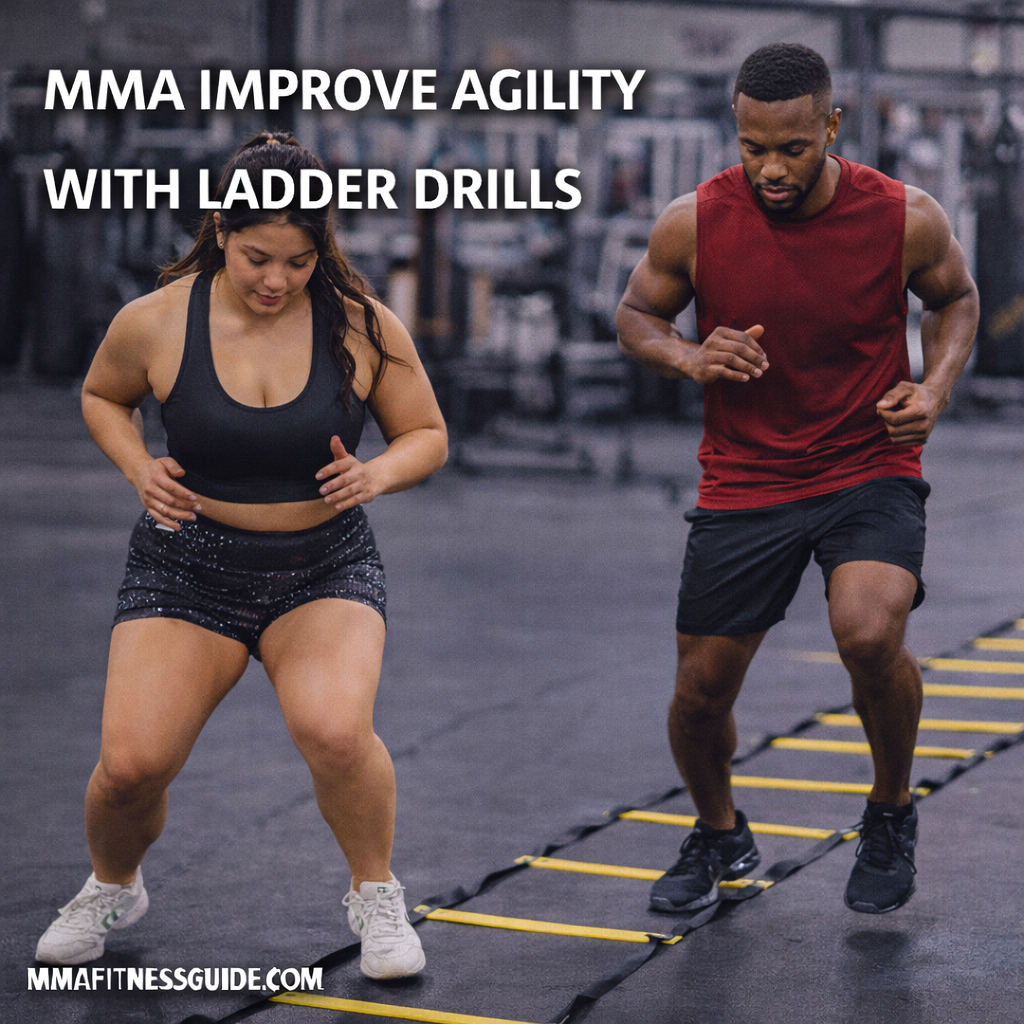
MMA athletes training with ladder drills to improve agility, balance, and footwork for better performance.
Introduction
Agility is a critical physical quality in MMA. Fighters must change direction quickly, maintain balance during exchanges, and react instantly to unpredictable movement. Ladder drills are one of the most effective and accessible tools for improving agility, foot speed, coordination, and movement efficiency.
When used correctly, ladder drills enhance how fighters move—not just how fast they move—making them a valuable addition to MMA training and conditioning programs.
MMA gym professionals analyzing key performance indicators to guide smarter business decisions and sustainable gym growth.
Introduction
Running a successful MMA gym requires more than great coaching and hard training—it requires clarity. Key Performance Indicators (KPIs) provide that clarity by showing what’s working, what’s stalling, and where to focus next. Without KPIs, growth decisions rely on guesswork. With them, gym owners can scale intentionally.
Tracking the right KPIs helps MMA gyms grow memberships, improve retention, stabilize revenue, and make smarter business decisions.
MMA athletes sparring with composure and precision, showing how confidence is built through competence and consistent training.
Introduction
Confidence in MMA doesn’t come from hype, trash talk, or pretending to be fearless. Real confidence is built through competence—the quiet assurance that comes from knowing you’ve put in the work and developed real skill. Fighters who rely on external validation often crumble under pressure, while those grounded in preparation remain steady.
Building confidence through competence creates durable belief that holds up in training, sparring, and competition.
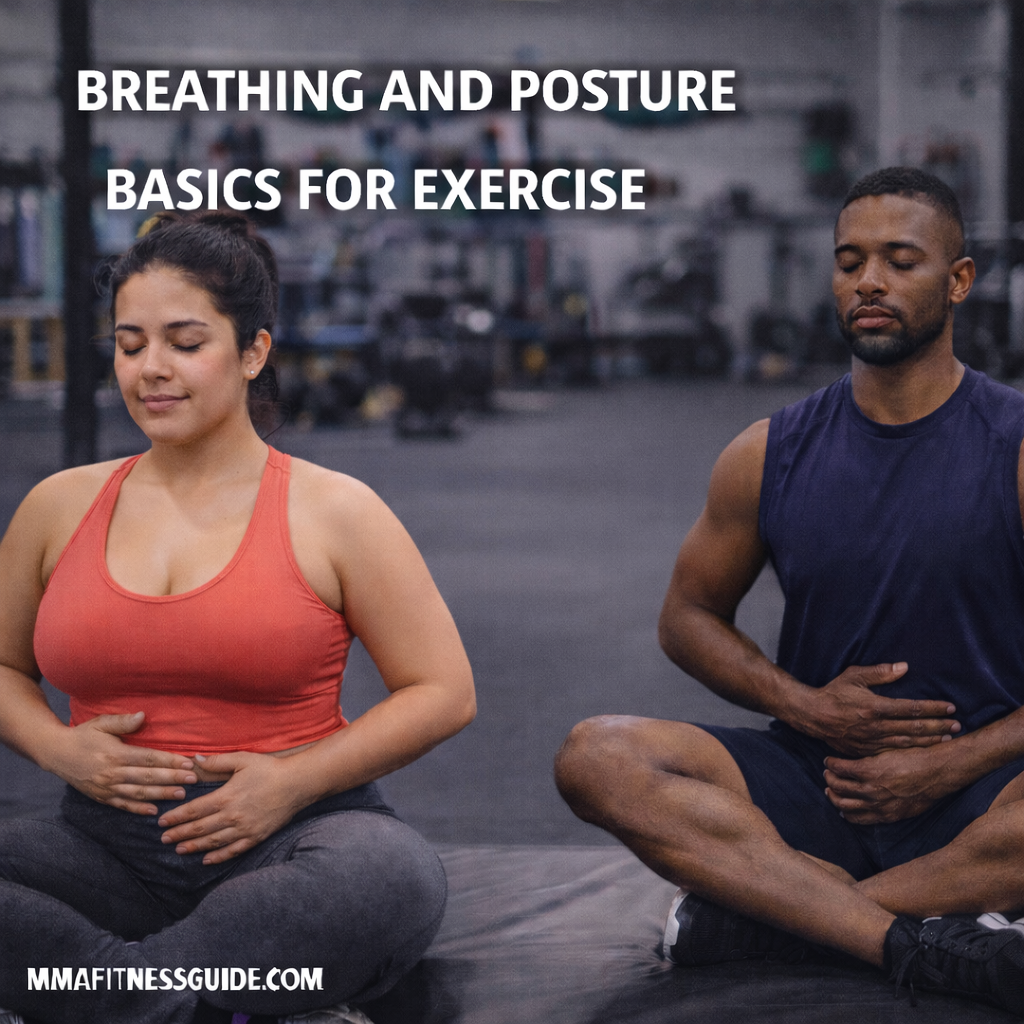
Practicing controlled breathing and comfortable posture can help beginners develop better movement awareness during exercise.
Breathing and posture are two of the most overlooked foundations of exercise, especially for beginners. Many people concentrate on repetitions, sets, and workout intensity without considering how their breathing patterns and body positioning affect their movements.
You might hold your breath while lifting weights, tense your shoulders during push-ups, or arch your lower back excessively when performing an overhead press. These habits can make exercises feel more difficult and interfere with movement control.
Learning basic breathing and posture techniques can help you move more efficiently, manage exercise intensity, and develop better coordination.
These skills are particularly useful for beginners interested in strength training, cardiovascular fitness, and combat sports such as MMA, where breathing and body positioning must constantly adapt to changing demands.
This guide explains how breathing and posture work together, common mistakes to avoid, practical techniques for different exercises, and a simple routine you can incorporate into your workouts.
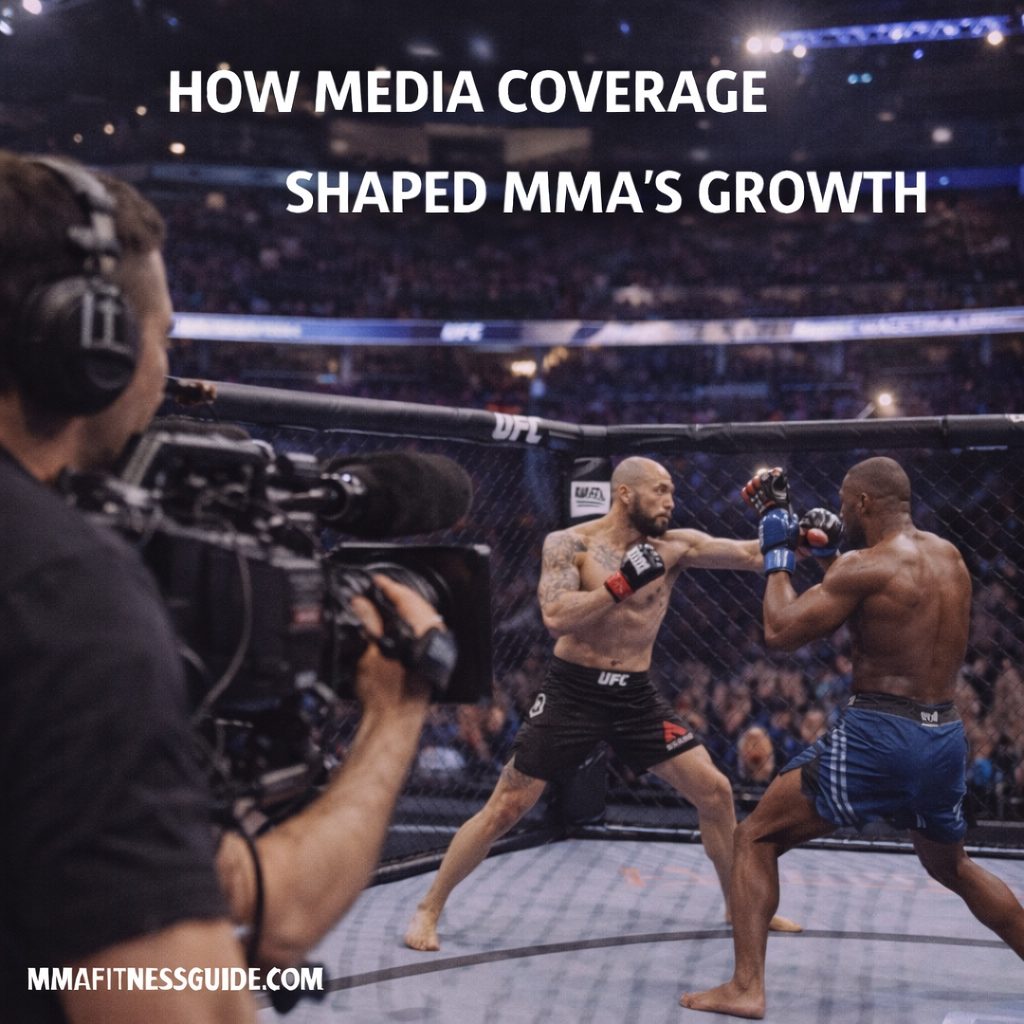
A televised MMA bout inside the octagon, highlighting the role of media coverage in the sport’s global growth.
Introduction
Mixed Martial Arts did not grow into a global sport by competition alone. Media coverage played a decisive role in shaping public perception, legitimizing athletes, attracting sponsors, and expanding MMA from fringe events into a mainstream spectacle. From controversial early broadcasts to polished modern productions, media exposure fundamentally changed how MMA was viewed and consumed.
Understanding MMA’s rise requires understanding how media transformed violence into sport, fighters into stars, and niche events into global entertainment.