
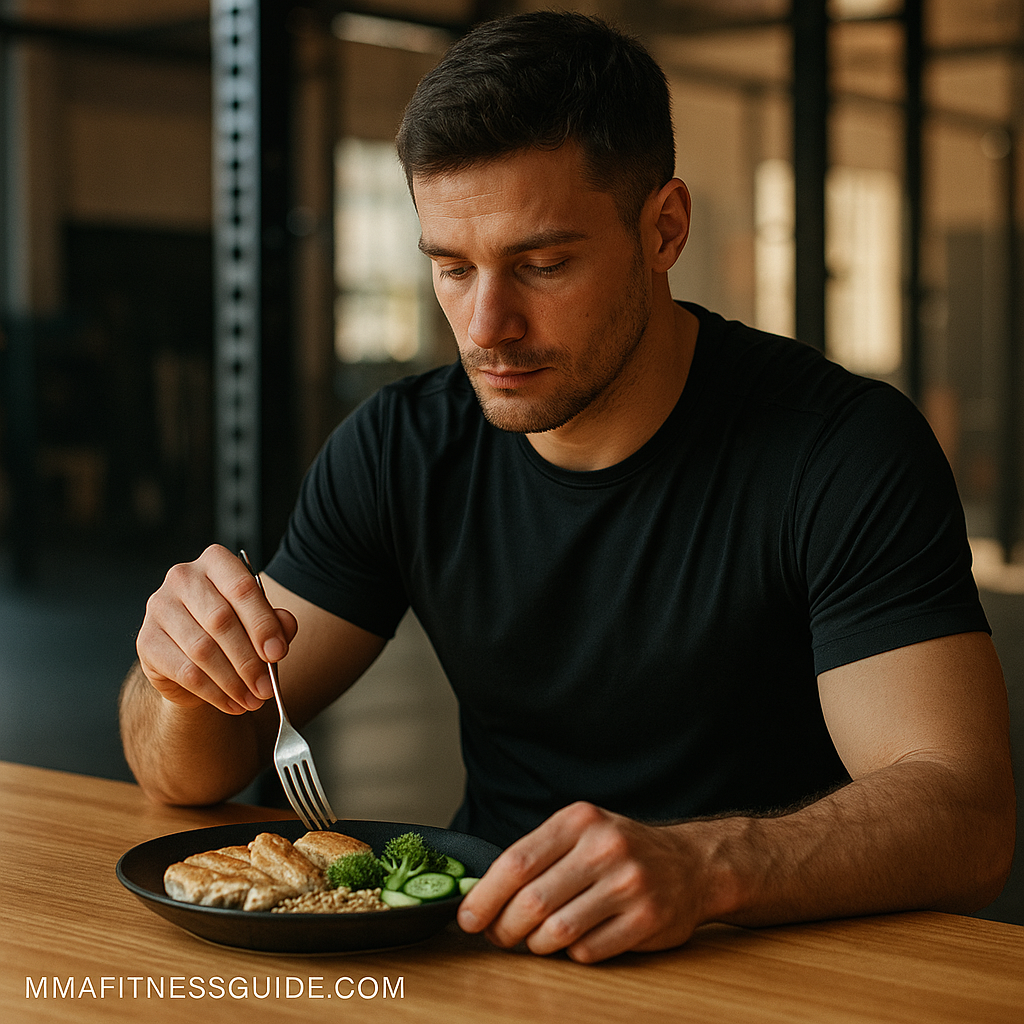
Separating Fact from Fiction in Fighter Nutrition
When it comes to MMA nutrition, misinformation spreads faster than a highlight knockout.
From fad diets to extreme weight-cut methods, fighters are constantly bombarded with conflicting advice — much of it unscientific or outright dangerous.
To perform your best, you need fuel, not fads. Let’s break down the biggest nutrition myths MMA fighters should ignore — and what to do instead.
Myth #1: “Carbs Make You Fat”
Reality: Carbs are your body’s primary source of training fuel.
Fighters who cut carbs too aggressively often experience:
- Early fatigue during sparring
- Slower recovery
- Poor focus and reaction times
The solution isn’t cutting carbs — it’s choosing the right ones.
Opt for complex carbs like:
- Oats
- Brown rice
- Quinoa
- Sweet potatoes
- Whole-grain pasta
These provide steady energy without sugar spikes.
Pro tip: Time your carbs around training (before and after sessions) for optimal performance.
Myth #2: “High Protein Fixes Everything”
Reality: Protein builds muscle, but it’s not magic.
Excess protein doesn’t automatically make you stronger or leaner — your body can only use so much. The rest gets converted into energy or stored as fat.
For most fighters, aim for 1.2–1.8 grams of protein per kilogram of body weight daily.
Focus on variety: lean meats, fish, eggs, Greek yogurt, lentils, and tofu.
Balance is the key — not overconsumption.
Myth #3: “Supplements Replace Real Food”
Reality: Supplements are tools, not substitutes.
Protein powders, pre-workouts, and BCAAs can help, but they’ll never replace a solid diet.
Whole foods provide a spectrum of nutrients — vitamins, minerals, and antioxidants — that no pill can fully replicate.
If you do use supplements, prioritize quality and simplicity:
- Whey or plant-based protein
- Omega-3s (fish oil or algae)
- Vitamin D (especially in winter)
- Creatine (for strength and recovery)
Avoid gimmicky “fat burners” or miracle blends — if it sounds too good to be true, it probably is.
Myth #4: “You Need to Cut Calories to Stay Lean”
Reality: Under-eating is one of the fastest ways to stall progress.
MMA training burns massive calories. When you don’t eat enough, your body goes into survival mode, slowing recovery and weakening your immune system.
Instead, focus on nutrient density: eat more real food, not just fewer calories.
A strong fighter isn’t hungry — they’re fueled.
Myth #5: “Fighters Should Train Fasted”
Reality: Fasted training can help with fat loss for casual athletes, but it’s risky for MMA fighters who need explosive energy.
Going into high-intensity drills on an empty stomach increases fatigue and decreases reaction time.
If you must train fasted, limit it to light cardio or mobility sessions.
Before sparring or heavy conditioning, eat something small and balanced:
- Banana with peanut butter
- Oatmeal with protein powder
- Yogurt with fruit and nuts
Fuel smart to fight hard.
Myth #6: “Salt Is the Enemy”
Reality: For fighters who sweat heavily, sodium is essential.
You lose salt and electrolytes through intense training — and not replacing them leads to cramps, dizziness, and dehydration.
Instead of cutting salt completely, use natural sources:
- Sea salt
- Electrolyte powders
- Coconut water
Your body needs salt to stay balanced under heavy loads.
Myth #7: “You Have to Eat Like a Bodybuilder”
Reality: MMA is about movement, endurance, and explosiveness — not bulk.
Bodybuilding diets emphasize calorie surplus and isolation training, while fighters need lean, functional fuel.
Your meal plan should support agility, conditioning, and recovery, not just muscle growth.
Aim for:
- Balanced macros: 40% carbs, 30% protein, 30% fats (adjust to goals)
- Colorful meals: Variety ensures micronutrients
- Timing: Fuel before, refuel after
What Fighters Should Focus On Instead
- Eat whole, minimally processed foods
- Hydrate consistently throughout the day
- Prioritize recovery nutrition post-training
- Listen to your body’s energy signals
- Stay consistent — not extreme
The Smart Fighter’s Nutrition Philosophy
Elite fighters aren’t looking for “magic foods.”
They focus on habits — balanced meals, proper hydration, and steady recovery.
Your body is your weapon. Treat it with respect, not restriction.
As Georges St-Pierre once said,
“Discipline is doing what you know needs to be done, even when you don’t want to do it.”
That discipline applies to your diet, too.
Key Takeaways
- Myths like “carbs make you fat” or “fasted training builds endurance” can harm performance.
- Smart nutrition supports energy, recovery, and focus.
- Supplements help, but food is your foundation.
- Balanced, consistent eating wins long-term.
Train smart. Eat smarter.