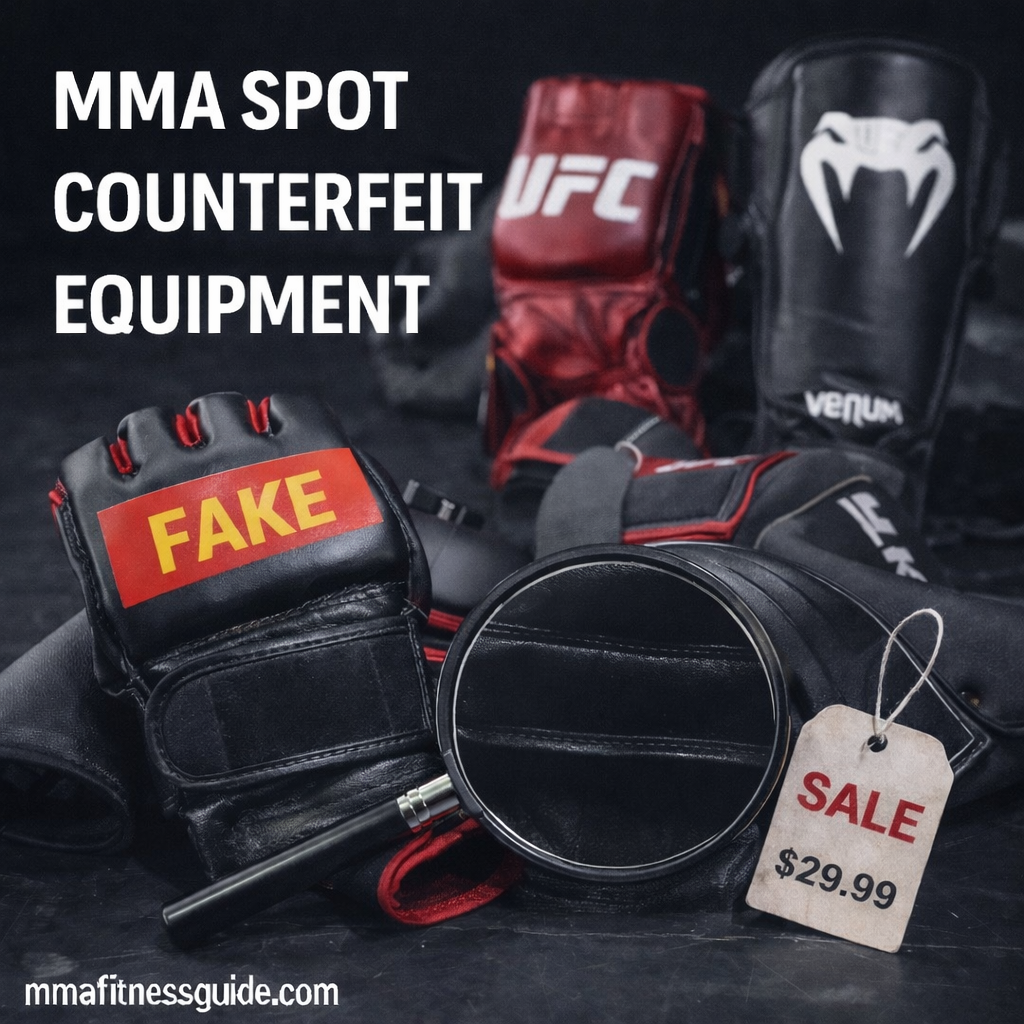
Counterfeit MMA equipment is a growing problem in combat sports. From fake gloves and shin guards to imitation apparel and protective gear, knockoff products are increasingly common online and in secondary marketplaces. While counterfeit gear may look similar to the real thing, it often lacks the safety, durability, and performance fighters rely on.
Using fake equipment doesn’t just waste money—it can increase injury risk and negatively impact training. This guide explains how to spot counterfeit MMA gear, why it’s dangerous, and how fighters can protect themselves when buying equipment.
Why Counterfeit MMA Gear Is a Serious Issue
MMA equipment is designed to absorb impact, protect joints, and withstand intense use. Counterfeit versions often skip critical materials and safety testing.
Risks of fake gear include:
- Poor impact absorption
- Weak stitching or fasteners
- Inferior padding materials
- Increased injury risk
- Shortened gear lifespan
In combat sports, equipment quality directly affects safety.
Why Counterfeit Gear Is So Common in MMA
Several factors contribute to the rise of counterfeit MMA equipment.
Common reasons include:
- High demand for popular brands
- Price-sensitive buyers
- Online marketplaces with limited oversight
- Convincing visual replicas
Fighters looking for deals are often the primary targets.
Most Commonly Counterfeited MMA Equipment
Certain gear items are more frequently faked than others.
Gloves
Counterfeit MMA gloves often:
- Use low-density padding
- Have uneven weight distribution
- Feature poor wrist support
They may look authentic but fail under impact.
Shin Guards and Pads
Fake shin guards may:
- Compress too easily
- Shift during movement
- Offer minimal protection
This increases risk during sparring.
Rash Guards and Apparel
Counterfeit apparel often:
- Uses cheap fabric blends
- Loses elasticity quickly
- Causes skin irritation
Durability and comfort are usually compromised.
Headgear and Protective Equipment
Protective gear is especially dangerous when counterfeit.
Issues include:
- Weak straps or closures
- Inadequate padding
- Poor fit
This defeats the purpose of wearing protection.
How to Spot Counterfeit MMA Equipment
Knowing what to look for helps avoid costly mistakes.
Check the Price Carefully
If the price seems too good to be true, it probably is.
Red flags include:
- Deep discounts on new releases
- Prices far below official retail
- “Clearance” claims without explanation
Legitimate gear rarely sells at extreme discounts.
Inspect Packaging and Branding
Counterfeit products often cut corners on packaging.
Watch for:
- Misspelled brand names
- Low-quality printing
- Missing holograms or authentication tags
- Generic packaging
Reputable brands invest heavily in presentation.
Examine Materials and Build Quality
Authentic MMA gear feels solid and consistent.
Signs of counterfeit construction:
- Uneven stitching
- Loose seams
- Inconsistent padding thickness
- Cheap synthetic smell
Poor build quality is a major warning sign.
Verify Logos and Design Details
Counterfeiters often get small details wrong.
Check for:
- Incorrect logo placement
- Slight color differences
- Inaccurate fonts or sizing
- Missing trademark symbols
Compare with images from the brand’s official website.
Buy From Trusted Retailers Only
Where you buy matters as much as what you buy.
Safer purchasing options include:
- Official brand websites
- Authorized retailers
- Established MMA equipment stores
Avoid sellers with limited history or vague product descriptions.
Dangers of Training With Counterfeit Gear
Using fake equipment isn’t just inconvenient—it’s risky.
Increased Injury Risk
Poor padding and weak construction can lead to:
- Hand and wrist injuries
- Shin bruising and fractures
- Joint strain
Protective gear only works when it’s built correctly.
Reduced Training Quality
Inferior gear can:
- Shift during movement
- Distract during drills
- Break down quickly
This disrupts training focus and consistency.
False Sense of Security
Counterfeit protective gear may look adequate but fail when needed most. This false confidence can lead to careless training habits.
How Counterfeit Gear Impacts Long-Term Costs
While counterfeit gear may be cheaper upfront, it often costs more over time.
Hidden costs include:
- Frequent replacements
- Medical expenses from injuries
- Lost training time
Quality gear is an investment in longevity.
Online Marketplaces and Counterfeit Risks
Many counterfeit products are sold through third-party platforms.
Common Online Warning Signs
Be cautious if listings include:
- Stock photos only
- No clear brand authorization
- Poor or inconsistent reviews
- Limited seller contact information
Transparency matters.
Reviews Can Be Misleading
Some counterfeit sellers use:
- Fake reviews
- Copied descriptions
- Inflated ratings
Look for detailed, verified buyer feedback.
How Brands Fight Counterfeiting
Many legitimate MMA brands use anti-counterfeit measures.
These may include:
- Authentication codes
- Serial numbers
- Holographic tags
- Authorized seller lists
Checking these features helps confirm authenticity.
What to Do If You Buy Counterfeit MMA Gear
If you suspect your gear is fake:
- Stop using it immediately
- Contact the seller
- Report the listing to the platform
- Notify the brand
Using counterfeit gear isn’t worth the risk.
Tips for Buying MMA Gear Safely
Simple habits reduce counterfeit risk.
Best practices:
- Research before purchasing
- Compare with official product photos
- Buy from trusted sources
- Avoid impulse purchases based on price
Patience protects both wallet and safety.
Educating New Fighters About Counterfeit Gear
Beginners are especially vulnerable.
Gyms and coaches can help by:
- Recommending trusted retailers
- Explaining quality differences
- Encouraging safety-first purchases
Education reduces long-term problems.
Counterfeit Gear and Ethical Concerns
Beyond safety, counterfeit products:
- Hurt legitimate brands
- Undermine innovation
- Exploit labor
Supporting authentic gear supports the sport’s future.
Final Thoughts
Spotting counterfeit MMA equipment is a critical skill for fighters at every level. While fake gear may look convincing, it often fails where it matters most—safety, durability, and performance.
By learning how to identify counterfeit products, buying from trusted sources, and prioritizing quality over price, fighters protect themselves and their training. In combat sports, the right equipment isn’t a luxury—it’s a necessity.