Introduction
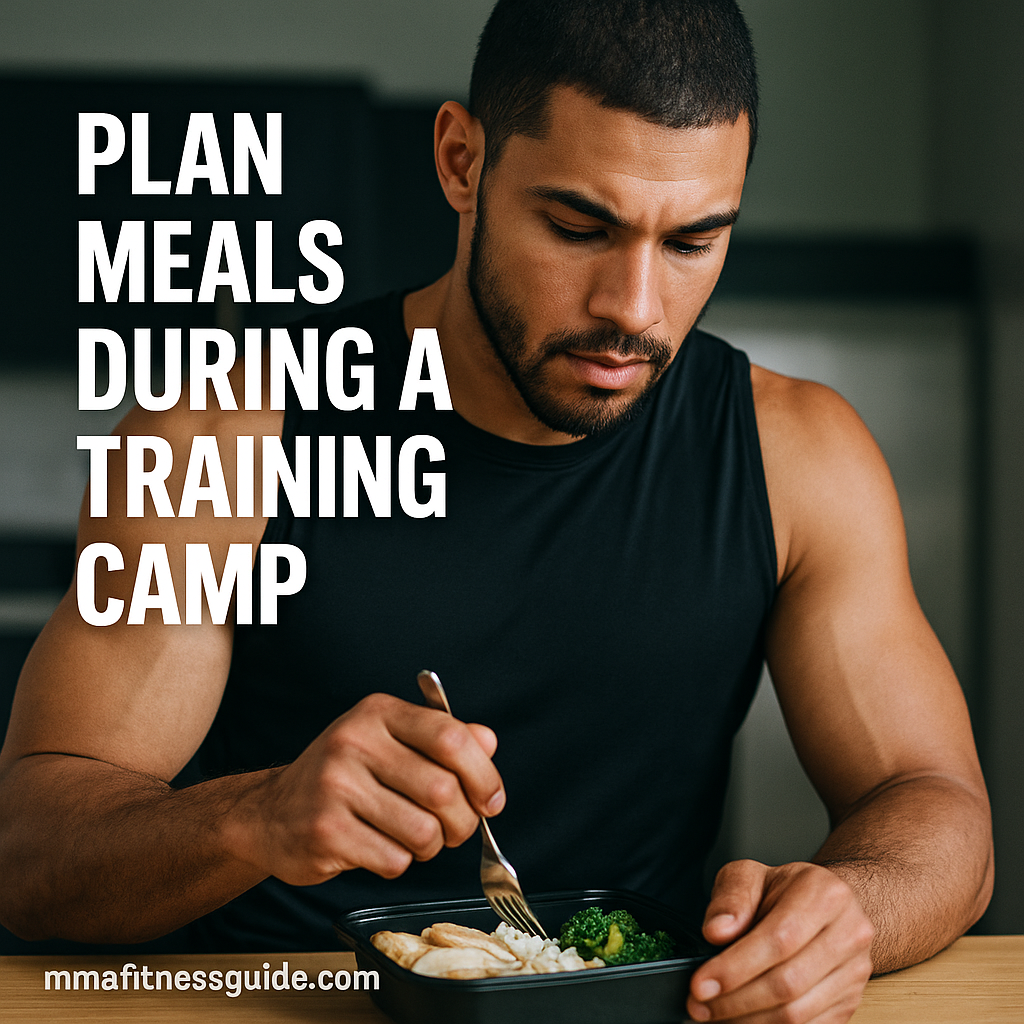
Nutrition becomes especially important during a training camp. Your body works harder, recovers slower, and needs consistent fuel to keep up with tough sessions. The good news is that meal planning doesn’t have to be complicated. With a simple structure and a few balanced meals, you can stay energized, recover better, and avoid the stress of figuring out what to eat every day.
Below is a beginner-friendly guide on how to plan meals during an MMA training camp.
Why Meal Planning Matters in Camp
Training camp often includes:
- Extra drilling
- Hard conditioning
- Sparring
- Longer sessions
- Weight-cut considerations
- Higher recovery needs
A solid meal plan helps you:
- Maintain energy during workouts
- Reduce soreness
- Avoid overeating or undereating
- Support healthy weight management
- Stay consistent throughout camp
Even small improvements in your nutrition make training feel easier.
Build Meals Around Three Key Goals
During camp, every meal should support one or more of these goals:
1. Fuel
Energy for training sessions.
2. Repair
Protein to help muscles recover.
3. Stability
Steady blood sugar to avoid fatigue.
You don’t need perfect meals — just a simple balance of protein, carbs, and healthy fats throughout the day.
What Your Daily Meal Structure Should Look Like
Here’s a basic layout most fighters use:
Breakfast
Light to moderate, depending on training schedule.
Examples:
- Eggs + oatmeal + fruit
- Greek yogurt + granola + berries
- Protein smoothie + banana
Pre-Training Snack
Easy-to-digest carbs.
Examples:
- Banana
- Rice cake with honey
- Small bowl of oats
Post-Training Meal
Your most important recovery meal.
Examples:
- Chicken, rice, and veggies
- Lean beef with potatoes
- Salmon with quinoa
Lunch
Balanced and satisfying.
Examples:
- Turkey wrap + fruit
- Stir fry with chicken or tofu
- Brown rice bowl with veggies
Afternoon Snack
A small protein-focused pick-me-up.
Examples:
- Protein shake
- Cottage cheese
- Nuts and fruit
Dinner
Similar to lunch — balanced and easy to digest.
Examples:
- Chicken and roasted veggies
- Salmon and rice
- Lentils and sweet potatoes
Before Bed (Optional)
A small protein snack helps overnight recovery.
Examples:
- Greek yogurt
- Cottage cheese
- Casein shake
How to Adjust Meals for Weight Cutting
If weight cutting is part of your camp, you don’t need extreme diets. Simple adjustments help you stay on track:
- Reduce portion size slightly
- Choose leaner proteins
- Swap heavy carbs for lighter options
- Avoid sugary snacks
- Increase vegetables for fullness
- Drink more water earlier in the day
Cutting should be gradual — not a last-minute crash.
Hydration Matters as Much as Food
Staying hydrated improves performance more than most people realize.
Aim for:
- Water throughout the day
- Extra electrolytes after hard training
- A bottle handy during every session
Signs you’re not hydrated enough include headaches, low energy, and slow recovery.
Make Meal Prep Simple
You don’t need complicated recipes or cooking skills. A basic structure helps you prep for the week.
Tips:
- Cook proteins in bulk (chicken, beef, tofu, fish)
- Portion rice or potatoes in advance
- Pre-cut veggies for quick meals
- Use simple seasonings
- Store meals in clear containers
- Keep healthy snacks ready to grab
Meal prep removes guesswork and saves energy.
Foods That Work Best During Camp
These foods are practical, easy to digest, and support recovery.
Best proteins:
- Chicken breast
- Eggs
- Salmon
- Lean beef
- Turkey
- Tofu
- Greek yogurt
Best carbs:
- Rice
- Oats
- Potatoes
- Pasta
- Fruit
- Whole grains
Best fats:
- Avocado
- Olive oil
- Nuts
- Seeds
- Fatty fish
Best veggies:
- Broccoli
- Spinach
- Peppers
- Carrots
- Mixed greens
Simple foods give consistent energy.
Avoid These Common Pitfalls
Fighters often struggle with:
- Skipping breakfast
- Eating too big before training
- Over-snacking at night
- Not eating enough protein
- Too much take-out during fatigue
- Relying only on supplements
Real food always works better than complicated nutrition plans.
Sample One-Day Meal Plan for a Training Camp
Here’s a simple, realistic example:
7:00 AM – Breakfast:
Oatmeal with honey + scrambled eggs + berries
9:30 AM – Pre-Training Snack:
Banana + small handful of nuts
10:00 AM – Training Session
12:00 PM – Post-Training Meal:
Grilled chicken, white rice, and broccoli
3:00 PM – Snack:
Greek yogurt with fruit
6:00 PM – Dinner:
Salmon, sweet potatoes, and mixed veggies
8:30 PM – Optional:
Cottage cheese or a small casein shake
This supports energy, recovery, and steady nutrition throughout the day.
Final Thoughts
Meal planning during a training camp doesn’t need to be complex. Focus on simple, balanced meals with enough protein, carbs, and hydration to fuel your workload. With consistent habits, your energy, recovery, and performance will all improve as the weeks go on.