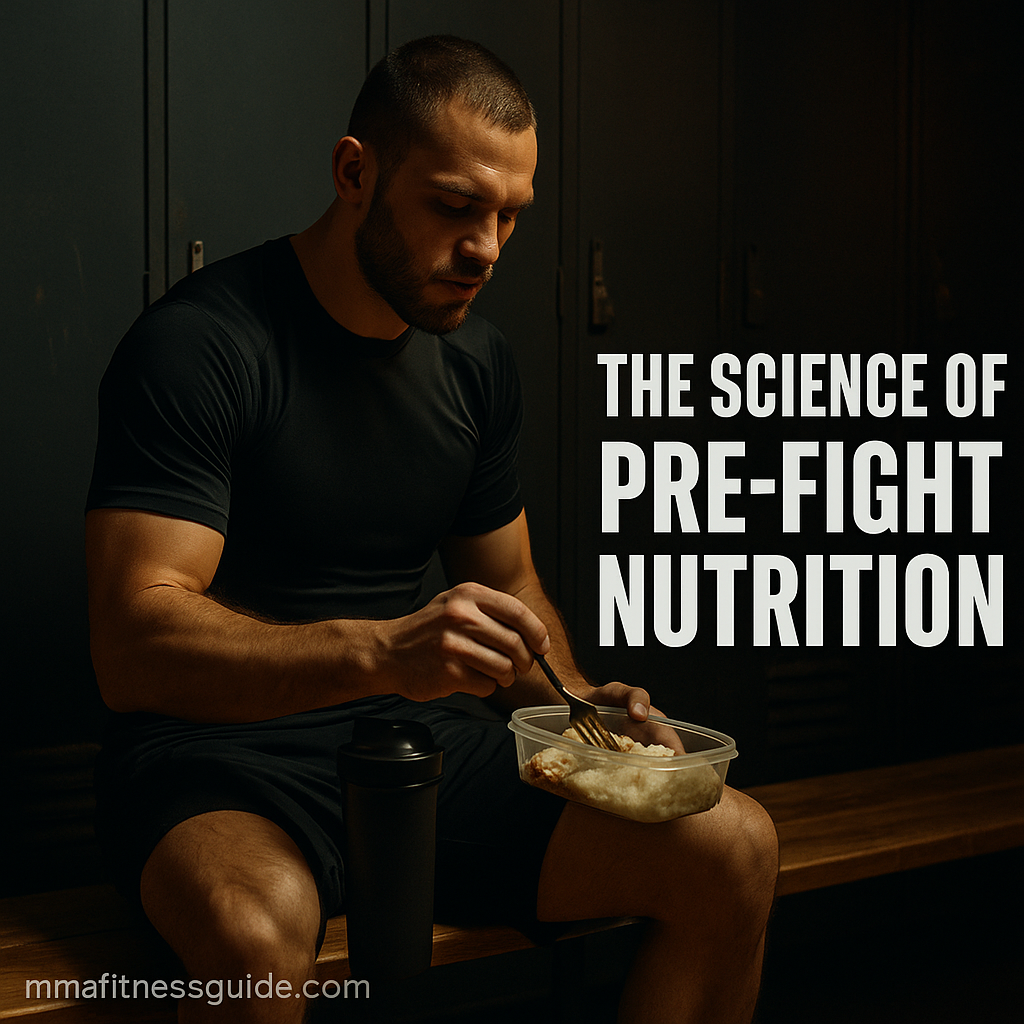
After a fight, it’s common for MMA athletes to feel an intense urge to eat everything in sight. Whether the bout ended in victory or defeat, the combination of adrenaline crash, dehydration, caloric deficit, and emotional release can trigger overeating that leaves fighters feeling bloated, sluggish, and regretful.
This article explains why post-fight overeating happens, how it can affect recovery and performance, and practical strategies MMA athletes can use to refuel properly without overdoing it.
Why Overeating Happens After a Fight
Post-fight overeating isn’t a lack of discipline—it’s a predictable physiological response.
Common causes include:
- Severe calorie restriction leading up to weigh-ins
- Dehydration and electrolyte loss
- Hormonal fluctuations after intense stress
- Emotional release after competition
- Rebound hunger from prolonged dieting
Understanding the cause makes it easier to manage the response.
The Role of Weight Cuts and Rebound Hunger
Weight cuts dramatically increase post-fight hunger.
During a cut:
- Hunger hormones increase
- Satiety signals weaken
- Blood sugar regulation becomes unstable
Once the fight is over, the body aggressively seeks calories to restore balance. Without structure, this can turn into uncontrolled eating.
Why Overeating Can Hurt Recovery
Eating too much too fast can slow recovery rather than support it.
Potential issues include:
- Digestive discomfort and bloating
- Poor sleep quality
- Inflammation spikes
- Energy crashes the next day
- Difficulty returning to normal eating patterns
Recovery works best when refueling is intentional, not chaotic.
Step 1: Rehydrate Before You Overeat
Thirst often masquerades as hunger.
Before eating large amounts:
- Drink water gradually
- Include electrolytes if depleted
- Sip rather than chug
Proper hydration often reduces the urge to binge immediately.
Step 2: Start With a Structured Post-Fight Meal
A balanced first meal helps stabilize appetite.
Aim to include:
- Lean protein
- Easily digestible carbohydrates
- Moderate fats
- Sodium for rehydration
Starting with structure reduces the likelihood of uncontrolled snacking later.
Step 3: Eat Slowly for the First 20 Minutes
Satiety signals take time to register.
Helpful practices:
- Eat without rushing
- Take breaks between bites
- Avoid eating straight from containers
- Focus on the meal, not distractions
Slowing down allows the body to signal fullness naturally.
Step 4: Separate Celebration From Refueling
Celebration foods are fine—but timing matters.
Consider:
- Refuel first
- Celebrate later
- Space indulgent foods across the day or week
This approach satisfies cravings without overwhelming digestion.
Managing Emotional Eating After a Fight
Emotions run high after competition.
Triggers may include:
- Relief
- Disappointment
- Excitement
- Stress release
Recognizing emotional hunger helps prevent eating as the only coping tool.
Smart Post-Fight Snacking Strategies
If hunger persists after the first meal, choose snacks intentionally.
Better options include:
- Protein-focused snacks
- Fruit with protein
- Yogurt or smoothies
- Balanced mini-meals
These satisfy hunger without triggering binge behavior.
How Sleep Impacts Post-Fight Appetite
Poor sleep increases hunger hormones.
Prioritize:
- Early hydration
- Lighter evening meals
- Relaxation before bed
Better sleep helps appetite normalize faster.
Returning to Normal Eating Patterns
The goal isn’t restriction—it’s normalization.
Helpful steps:
- Resume regular meal timing
- Avoid “all-or-nothing” thinking
- Focus on nourishment, not punishment
- Expect appetite to stabilize within days
One big meal doesn’t undo a camp—but repeated binges can delay recovery.
Common Mistakes Fighters Make After Fights
Avoid these traps:
- Skipping meals to “make up” for overeating
- Turning celebration into a multi-day binge
- Ignoring hydration
- Using guilt-driven restriction
These patterns prolong the cycle.
Long-Term Benefits of Controlled Refueling
Managing post-fight eating leads to:
- Faster recovery
- Better digestion
- Improved sleep
- Easier return to training
- Healthier relationship with food
Consistency matters more than perfection.
Final Thoughts
Avoiding overeating after a fight isn’t about denying enjoyment—it’s about supporting recovery and long-term performance. By rehydrating first, structuring initial meals, slowing down, and separating celebration from refueling, MMA athletes can satisfy hunger without compromising how they feel the next day.
Smart post-fight nutrition helps fighters recover faster, train sooner, and maintain balance beyond the cage.