Introduction
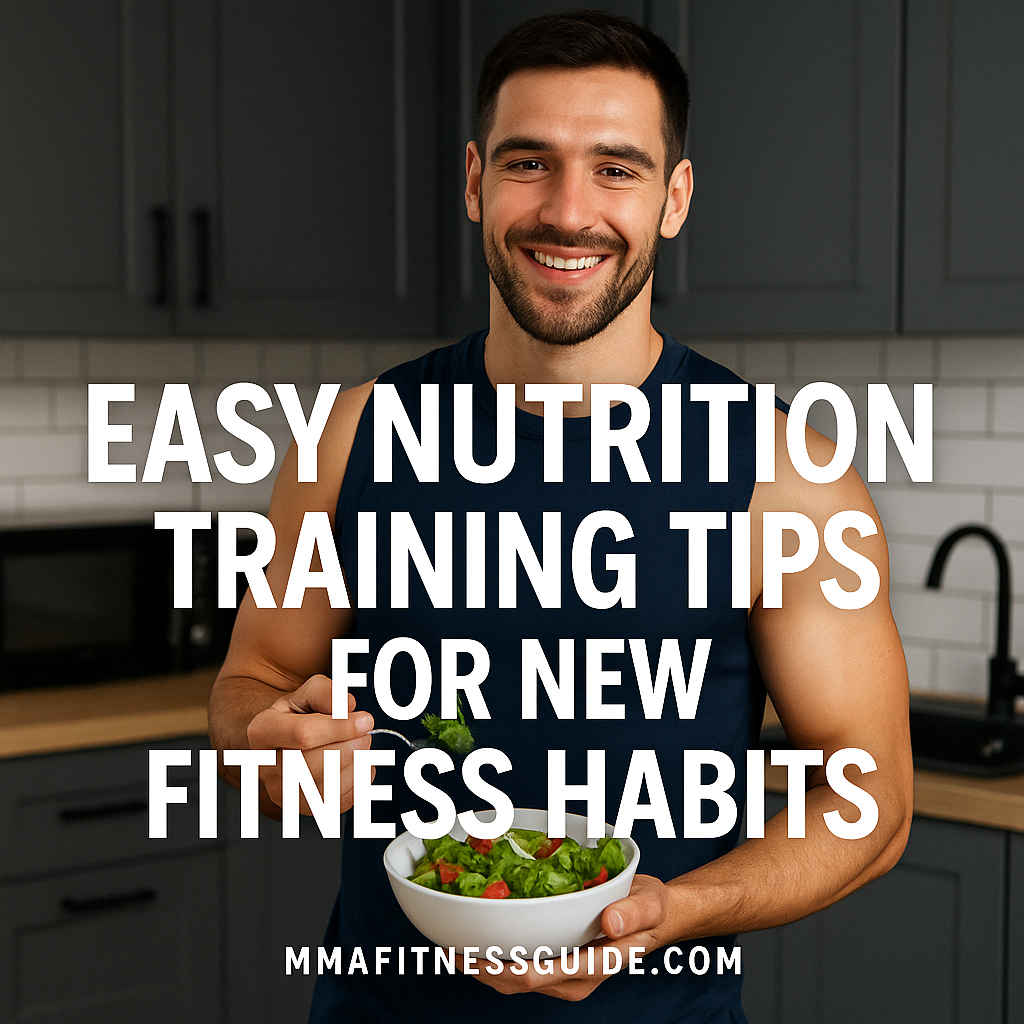
Starting a new fitness routine is exciting — but it can also feel overwhelming, especially when nutrition enters the mix. You want more energy, better results, and healthier habits, but you don’t want complicated meal plans or strict diets. The truth is, beginners don’t need perfection. They need simple, repeatable nutrition habits that support training and build long-term consistency.
Whether you’re hitting MMA classes, running, lifting, or just getting active again, these easy nutrition tips will help fuel your progress and make your new fitness lifestyle feel natural.
1. Start With Consistent Meals, Not Perfect Ones
When you’re building a new habit, consistency matters more than exact nutrients.
Instead of worrying about macros or calories right away, focus on:
- regular meal times
- basic structure in your day
- avoiding long gaps without eating
Consistency stabilizes energy levels and prevents overeating later.
2. Build the “Power Plate”
A simple plate formula helps you eat balanced without tracking anything.
The Power Plate:
- ½ vegetables or fruit
- ¼ lean protein
- ¼ whole grains or starchy carbs
That’s it.
If your meals resemble this most of the time, you’re already ahead.
Examples:
- chicken, rice, and veggies
- salmon with potatoes and greens
- eggs, fruit, and whole-grain toast
- stir-fry with chicken and brown rice
3. Add Protein to Every Meal
Protein helps with:
- muscle repair
- hunger control
- stable energy
- recovery after workouts
Aim for:
- 20–30g per meal
- 10–15g per snack
Beginner-friendly sources:
- eggs
- chicken
- tuna packets
- Greek yogurt
- tofu
- cottage cheese
- protein shakes
You don’t have to eat like a bodybuilder — just include a little protein each time you eat.
4. Prioritize Hydration (Most Beginners Forget This)
Hydration affects:
- energy
- hunger
- focus
- training output
Aim for:
- 6–10 cups of water per day
- more on training days
- add electrolytes if you sweat heavily
A good beginner rule:
If you feel tired for no reason, drink water first.
5. Choose Smart Snacks That Actually Fuel You
Snacks can support — or sabotage — new habits.
Great training-friendly snacks:
- fruit (bananas, apples, berries)
- protein bars
- Greek yogurt
- trail mix
- whole-grain crackers + hummus
- peanut butter + rice cakes
Avoid snacks that cause crashes:
- candy
- pastries
- soda
- fried snacks
Small changes = better training energy.
6. Eat Before Training — Even if It’s Something Small
Training on empty often leads to:
- dizziness
- low energy
- weak performance
You don’t need a full meal — just a small carb source.
Good pre-training options:
- banana
- toast with jam
- applesauce
- granola bar
- yogurt
- rice cake + honey
Fuel first → train better.
7. Post-Workout Nutrition Doesn’t Need to Be Complicated
After training, your body wants:
- protein to repair
- carbs to refuel
Simple combinations work:
- protein shake + fruit
- chicken wrap
- yogurt + oats
- eggs + toast
You don’t need a 10-ingredient smoothie.
Just hit protein + carbs within 1–2 hours.
8. Build a Go-To Grocery List
Beginners do best when the kitchen is simple and stocked.
Keep these on hand:
- eggs
- chicken or turkey
- Greek yogurt
- oatmeal
- rice or potatoes
- frozen vegetables
- fresh fruit
- nuts
- whole-grain bread
- olive oil
If you always have basics, you always have a healthy meal option.
9. Don’t Fear Carbs — Use Them Wisely
Carbs are your body’s favorite fuel source during workouts.
Instead of avoiding them, structure them:
Best times for carbs:
- before training
- after training
- during active days
Slow, steady carbs:
- rice
- oats
- whole-grain pasta
- fruit
- potatoes
Carbs support energy, recovery, and mood — especially for beginners.
10. Keep Your First Month Simple
Your first month shouldn’t be about:
- cutting sugar entirely
- tracking macros
- strict dieting
- labeling foods “good” or “bad”
Instead, focus on:
- 2–3 balanced meals a day
- 1–2 smart snacks
- staying hydrated
- eating before and after training
Consistency beats perfection every time.
11. Plan One “Fallback Meal”
This is your “I’m busy but still want to eat something healthy” meal.
Examples:
- rotisserie chicken + microwaved rice + bagged salad
- protein shake + banana + peanut butter toast
- scrambled eggs + fruit
- tuna + crackers + veggies
A fallback meal keeps you on track on stressful days.
12. Focus on Habits, Not Diet Rules
Real fitness comes from:
- routine
- consistency
- repeatable behaviors
Not extreme diets.
When nutrition feels simple, you stick with it. When you stick with it, results follow.
Final Thoughts
Starting new fitness habits doesn’t mean turning your diet upside down. It means building easy, consistent routines that fuel your body, support your workouts, and make you feel better day by day.
Small steps compound.
Simple choices matter.
Nutrition doesn’t need to be perfect — it just needs to help you move forward.