Introduction
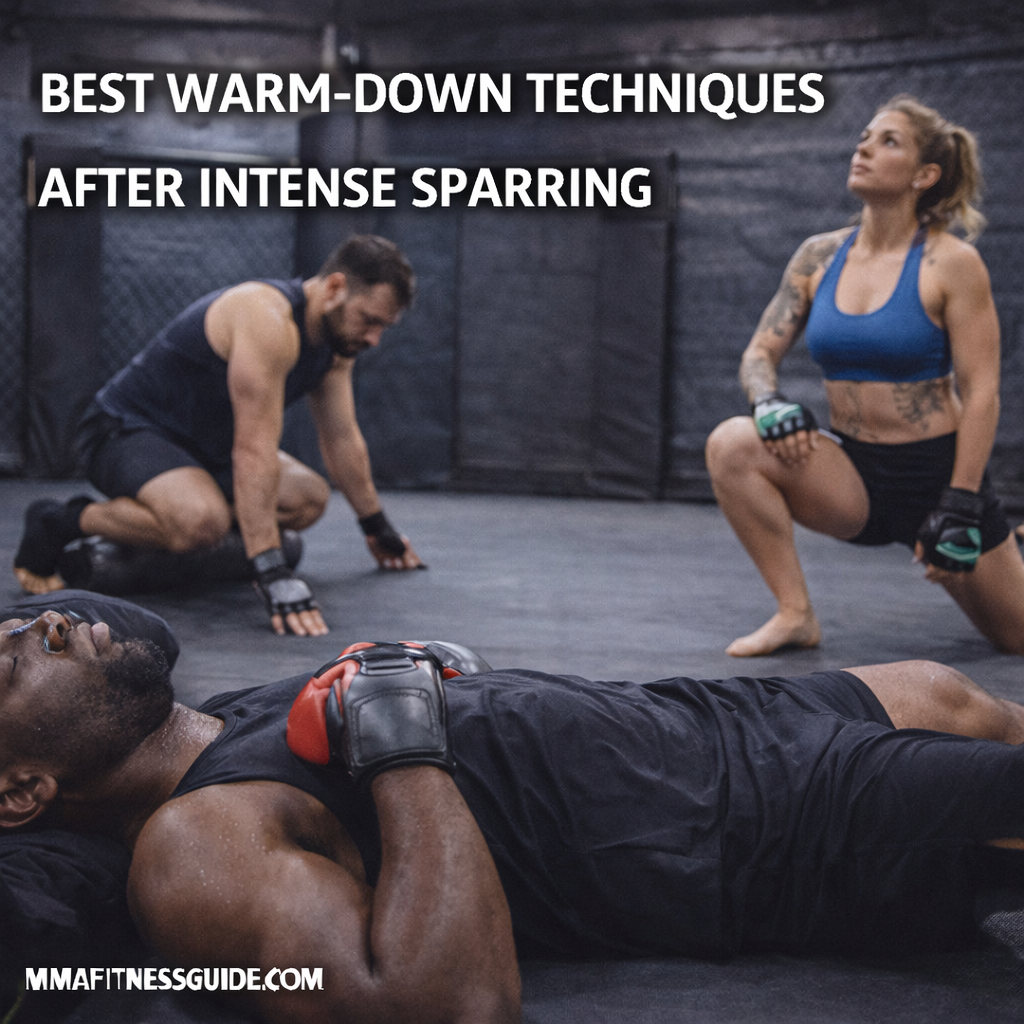
After intense sparring, most fighters focus on what went wrong in the round—but far fewer focus on what happens immediately after training. Skipping a proper warm-down can slow recovery, increase soreness, and raise the risk of lingering stiffness or injury. A structured warm-down helps the body transition out of high intensity and prepares it to recover efficiently.
For MMA athletes, warm-downs are not optional extras—they are a key part of staying healthy, consistent, and sharp.
Why Warm-Downs Matter After Sparring
Sparring places heavy demands on the nervous system, muscles, and joints.
A proper warm-down helps to:
- Gradually lower heart rate
- Reduce muscle tightness
- Improve circulation for recovery
- Calm the nervous system
- Restore movement quality
Stopping abruptly keeps the body in a stressed state longer than necessary.
The Difference Between Cooling Down and Recovery
Warm-downs are not the same as full recovery.
Warm-downs:
- Happen immediately after training
- Focus on transitioning the body
- Prepare you for recovery
Recovery:
- Happens over hours and days
- Includes sleep, nutrition, and rest
A good warm-down improves everything that comes after.
Light Movement to Reset the Body
Start with gentle movement.
Effective options include:
- Easy walking around the mat
- Light shadowboxing at 20–30% effort
- Slow cycling or rowing
Keep movement relaxed and controlled for 5–10 minutes.
Breathing to Downshift the Nervous System
Sparring keeps the nervous system highly activated.
Breathing techniques help by:
- Reducing adrenaline
- Lowering heart rate
- Improving oxygen exchange
Focus on slow nasal breathing with longer exhales.
Simple Breathing Drill After Sparring
Try this immediately after rounds:
- Inhale through the nose for 4 seconds
- Exhale through the mouth for 6–8 seconds
- Repeat for 2–3 minutes
This signals the body that the threat has passed.
Mobility Work for Common Tight Areas
Target areas stressed during sparring.
Key regions include:
- Hips and hip flexors
- Thoracic spine
- Neck and shoulders
- Ankles and calves
Move gently—this is not aggressive stretching.
Dynamic Mobility Over Static Stretching
Immediately after sparring, dynamic mobility is often better than long static holds.
Examples include:
- Controlled hip circles
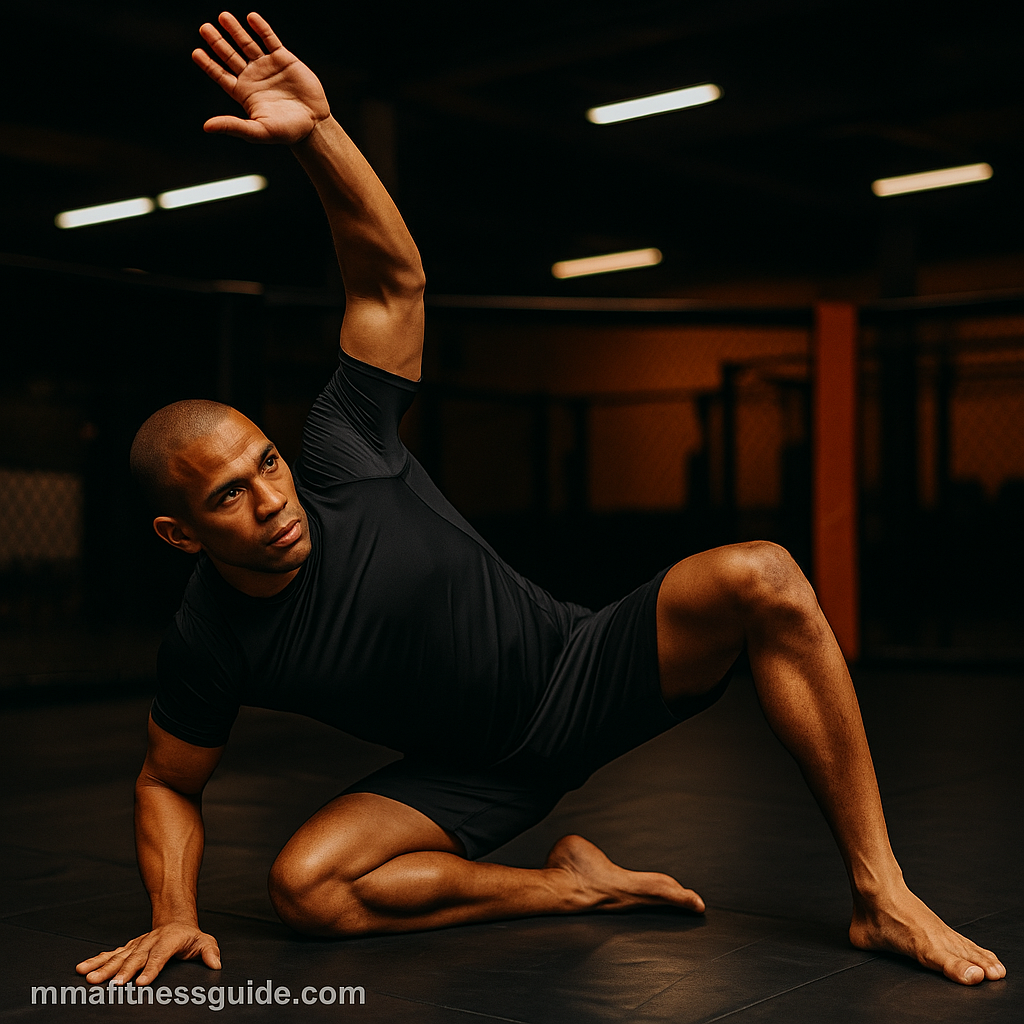
- Spinal rotations
- Shoulder rolls
Static stretching can be added later if needed.
Neck Care After Sparring
The neck absorbs constant stress.
Gentle neck warm-down ideas:
- Slow nods and rotations
- Light isometric holds
- Controlled range-of-motion work
Avoid forceful stretching.
Soft Tissue Work (When Appropriate)
Light soft tissue work can help circulation.
Options include:
- Foam rolling major muscle groups
- Light massage tools
- Ball work for hips or upper back
Keep pressure moderate and purposeful.
Rehydration and Electrolytes
Fluid loss is often overlooked.
Post-sparring hydration helps:
- Prevent cramping
- Support muscle function
- Speed recovery
Sip fluids gradually rather than chugging.
Mental Reset After Hard Rounds
Mental tension lingers after intense sparring.
Helpful mental reset strategies:
- Quiet breathing away from the mat
- Brief reflection without judgment
- Letting go of round outcomes
Recovery is both physical and mental.
Warm-Downs for Late-Night Training
Evening sparring requires extra care.
Priorities include:
- Longer breathing focus
- Reduced stimulation afterward
- Gentle stretching before sleep
Good warm-downs improve sleep quality.
Common Warm-Down Mistakes Fighters Make
Avoid these common errors:
- Sitting down immediately
- Skipping breathing work
- Overstretching aggressively
- Treating warm-downs as optional
Shortcuts add up over time.
How Long a Warm-Down Should Last
Warm-downs don’t need to be long.
A solid structure:
- 5–10 minutes light movement
- 3–5 minutes breathing
- 5 minutes mobility
Consistency matters more than duration.
Warm-Downs During Fight Camp
During camp, recovery becomes even more important.
Warm-down focus should include:
- Nervous system regulation
- Joint preservation
- Managing accumulated fatigue
Good warm-downs protect performance across weeks.
Adapting Warm-Downs for Injuries
Injured fighters should modify warm-downs.
Adjust by:
- Avoiding painful ranges
- Prioritizing breathing and circulation
- Following rehab guidance
Warm-downs should never increase pain.
Building a Habit Around Warm-Downs
The best warm-down is the one you actually do.
Build the habit by:
- Keeping it simple
- Doing it with teammates
- Treating it as part of training
Consistency compounds.
Final Thoughts
Warm-down techniques after intense sparring are a powerful but often neglected part of MMA training. By gradually lowering intensity, calming the nervous system, and restoring movement, fighters recover faster and stay healthier over the long term.
Hard rounds build skill. Smart warm-downs protect your ability to keep training.