Choosing the right MMA gloves is an important part of safe and effective training. Whether you are new to MMA fitness or training regularly, proper gloves help protect your hands, wrists, and training partners while supporting correct technique and comfort.
MMA gloves are designed differently from boxing gloves and vary depending on how they are used. Training gloves, sparring gloves, and competition gloves each serve a specific purpose. Understanding these differences helps ensure safer training and better performance.
This guide explains what MMA gloves are, how they differ by use, and what to look for when choosing the best MMA gloves for training and sparring.
Why MMA Gloves Matter in Training
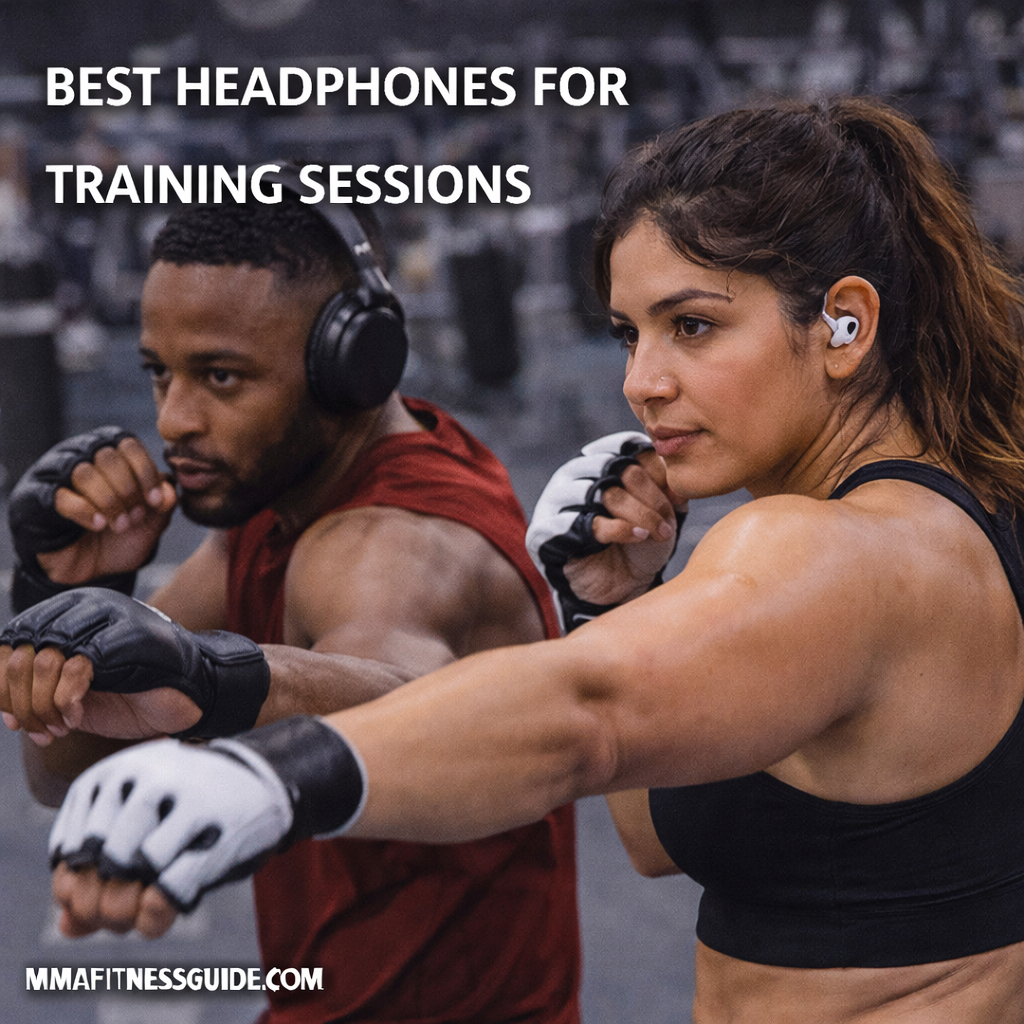
MMA gloves serve two primary functions: protection and control. Proper gloves help absorb impact, support the wrist, and reduce the risk of hand injuries during striking or grappling-based training.
In fitness-focused MMA training, gloves also improve comfort and confidence. When hands and wrists are supported, trainees can focus on movement quality, conditioning, and consistency rather than discomfort or injury concerns.
Training with inappropriate gloves—or no gloves at all—can increase strain on joints and connective tissue over time.
Types of MMA Gloves
Not all MMA gloves are designed for the same purpose. Understanding the main types helps ensure you choose the right option for your training style.
Training Gloves
Training gloves are designed for general workouts, pad work, bag work, and conditioning drills. They typically provide more padding than competition gloves and offer greater wrist support.
These gloves are commonly used for:
- Heavy bag training
- Pad work
- Fitness-focused MMA workouts
- Controlled drilling
Training gloves prioritize protection and durability.
Sparring Gloves
Sparring gloves are specifically designed for partner training. They offer increased padding to reduce impact force and protect both the wearer and their training partner.
Sparring gloves are usually required by gyms for:
- Controlled striking drills
- Light to moderate sparring
- Partner-based training sessions
Using proper sparring gloves is essential for safe training environments.
Competition Gloves
Competition gloves are lighter and provide less padding. These gloves are intended for sanctioned bouts and should not be used for regular training or sparring.
They are not recommended for beginners or fitness-focused training due to reduced protection.
Key Features to Look for in MMA Gloves
When choosing MMA gloves, several features influence comfort, safety, and performance.
Padding
Padding thickness affects impact absorption. Training and sparring gloves should provide enough padding to protect the hands without restricting movement.
More padding is generally better for beginners and fitness-focused trainees.
Wrist Support
Proper wrist support helps stabilize the joint and reduce strain. Look for gloves with secure wrist straps or wraps that provide adjustable support.
Wrist stability is especially important during repetitive striking.
Fit and Size
MMA gloves are typically sized by weight or hand circumference. A snug but comfortable fit ensures proper control and reduces unnecessary movement inside the glove.
Ill-fitting gloves can cause discomfort and reduce effectiveness.
Material and Durability
High-quality materials improve comfort and longevity. Durable gloves maintain structure over time and provide consistent support during repeated use.
Ventilation and lining also affect comfort during longer sessions.
Best MMA Gloves for Beginners
Beginners should prioritize protection and comfort over minimal design. Training gloves with adequate padding and strong wrist support are ideal for those new to MMA fitness.
Key considerations for beginners:
- Extra padding for impact absorption
- Secure wrist closure
- Comfortable interior lining
These features help reduce injury risk while learning basic techniques.
Best MMA Gloves for Sparring
For sparring, gloves should provide enough padding to protect both participants. Many gyms require gloves designed specifically for sparring to ensure safety standards are met.
Sparring gloves typically:
- Offer thicker padding
- Have rounded edges to reduce impact
- Support controlled training
Using proper sparring gloves is a sign of responsible training.
MMA Gloves for Fitness and Conditioning Workouts
MMA fitness workouts often include a mix of striking drills, bodyweight exercises, and conditioning circuits. Gloves used for this purpose should balance flexibility with protection.
Fitness-focused gloves:
- Allow natural hand movement
- Support wrist stability
- Remain comfortable during high-repetition workouts
They should not interfere with mobility or grip.
How to Care for MMA Gloves
Proper care helps extend the life of your gloves and maintain hygiene.
General care tips:
- Air dry gloves after training
- Avoid leaving gloves in closed bags
- Clean interiors regularly
- Store in a cool, dry place
Maintaining gloves properly also helps prevent odor and material breakdown.
Common Mistakes When Choosing MMA Gloves
Some common mistakes include:
- Using competition gloves for training
- Choosing minimal padding too early
- Ignoring wrist support
- Selecting the wrong size
Choosing gloves based on intended use rather than appearance helps support safer training.
Training Safety Notice
MMA gloves are designed to support safer training but do not eliminate the risk of injury. Always train within your current skill and fitness level, use proper technique, and follow gym safety guidelines. Consult a qualified professional before beginning any new training program, and discontinue training if you experience pain or discomfort.
Final Thoughts
Selecting the right MMA gloves for training and sparring is an important part of building a safe and effective MMA fitness routine. Gloves designed for your specific training goals help protect your hands, improve comfort, and support long-term consistency.
By understanding glove types, key features, and proper use, MMA fitness enthusiasts can make informed choices that enhance both performance and safety during training.