Introduction
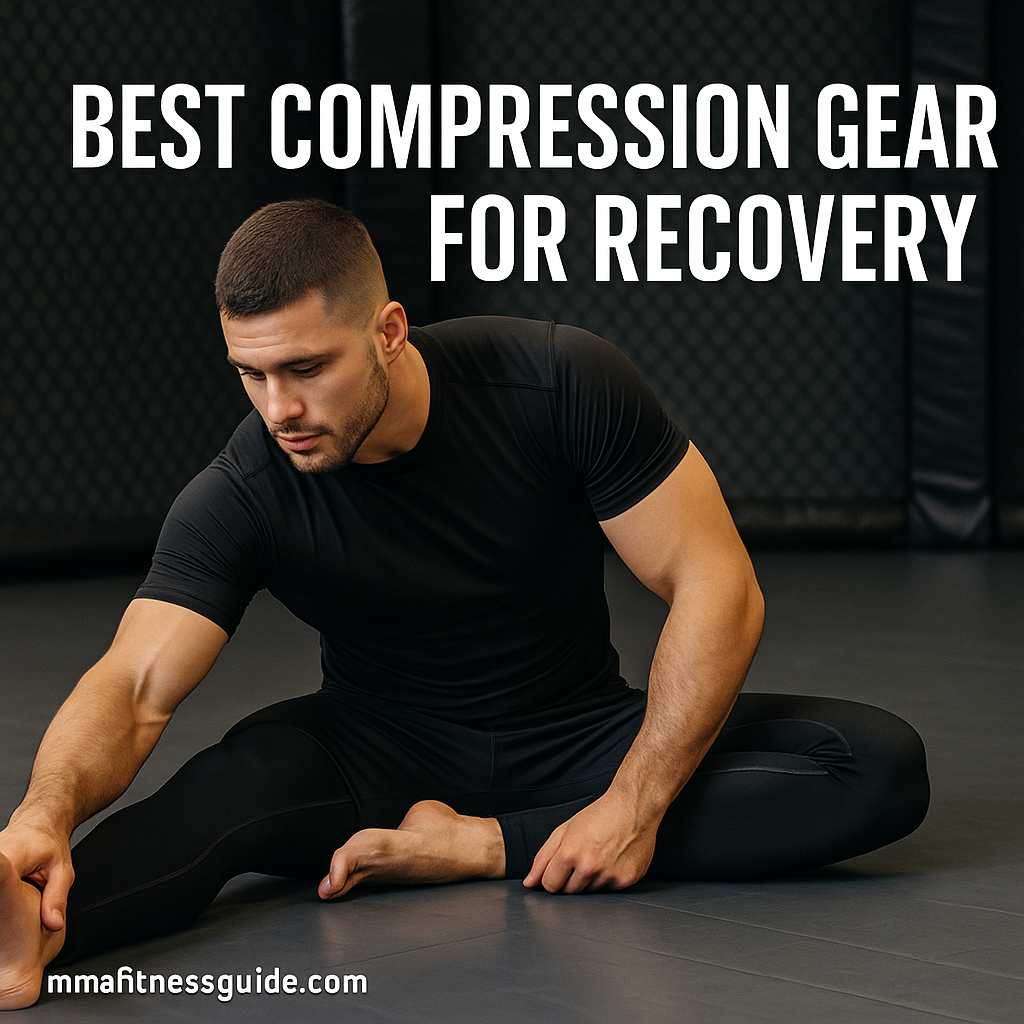
Between grappling rounds, hard sparring, and strength training, MMA takes a serious toll on your muscles and joints. Recovery isn’t optional — it’s part of what allows you to show up stronger for your next session. One of the simplest tools to boost recovery is compression gear.
From tights to sleeves to socks, compression equipment helps improve circulation, reduce swelling, and support your muscles so you bounce back faster. Whether you’re a beginner or an experienced fighter, smart use of compression gear can make a noticeable difference in how you feel the next day.
Here’s the gear worth adding to your recovery routine.
What Compression Gear Actually Does
Compression gear works by applying gentle pressure around your muscles or joints. This helps:
- increase blood circulation
- reduce swelling and inflammation
- decrease muscle vibration during movement
- improve joint stability
- speed up nutrient delivery to sore areas
- assist with warm-ups and cooldowns
Less soreness = better training.
Better training = faster progress.
1. Compression Tights
Compression tights are one of the most popular recovery tools for fighters.
Benefits:
- improves circulation in legs
- reduces lactic acid buildup
- minimizes muscle soreness after hard sessions
- supports hips, quads, hamstrings, and calves
When to use them:
- after sparring
- during cooldown
- on recovery days
- while traveling or sitting for long periods
Look for:
- durable stitching
- breathable fabric
- medium compression level
2. Compression Shorts
Great for fighters who want support without full-leg coverage.
Benefits:
- stabilizes hips
- supports groin and upper legs
- reduces muscle fatigue during explosive movements
Best for:
- striking sessions
- grappling warm-ups
- high-intensity conditioning
Compression shorts are also comfortable under MMA shorts and help maintain body alignment during training.
3. Calf Compression Sleeves
Your calves take a beating from running, footwork, and constant movement.
Benefits:
- reduces shin splints
- decreases calf tightness
- boosts oxygen flow to lower legs
- improves recovery time after sprints
These are extremely useful for runners and fighters who rely heavily on footwork.
4. Knee Compression Sleeves
The knees are among the most stressed joints in MMA — takedowns, sprawls, pivots, and kicks all load the joint.
Benefits:
- provides warmth and joint stability
- supports ligaments and tendons
- reduces swelling after grappling
- helps prevent minor knee strains
Choose sleeves with 5mm or 7mm thickness depending on how much support you want.
5. Ankle Compression Socks or Sleeves
Perfect for fighters who jump rope, kick frequently, or struggle with ankle tightness.
Benefits:
- improves ankle stability
- reduces swelling
- supports tendons
- helps prevent sprains
These can be worn during training, not just after.
6. Elbow Compression Sleeves
The elbows absorb force from strikes, grappling grips, sprawls, and joint locks.
Benefits:
- supports joint alignment
- reduces pain from tendonitis
- improves warm-up efficiency
- protects ligaments during heavy sessions
Especially helpful for fighters with elbow soreness after grappling.
7. Forearm and Wrist Compression Sleeves
Useful for grapplers who deal with:
- grip fatigue
- wrist pain
- tendon soreness
- arm pump after rolls
These sleeves help maintain blood flow and reduce forearm tightness after gripping-heavy sessions.
8. Full Upper-Body Compression Shirts
Compression shirts support:
- chest
- shoulders
- lats
- upper back
- biceps and triceps
Benefits:
- reduces muscle vibration
- keeps you warm during warm-ups
- decreases soreness after striking
- improves upper-body recovery
Great for cold-weather training or long grappling sessions.
9. Post-Training Compression Socks
High-compression socks aren’t meant for training — they’re meant for recovery.
Benefits:
- heavy circulation improvement
- faster recovery after long sparring days
- reduced swelling in feet and ankles
- perfect for travel or long work shifts
Many fighters wear these after training or overnight for faster recovery.
10. Cryo-Compression Sleeves (Advanced Option)
These combine compression with cold therapy.
Benefits:
- reduces inflammation rapidly
- excellent for acute soreness
- provides deep cold penetration
- improves recovery for heavy training days
Often used for:
- knee soreness
- elbow pain
- shoulder inflammation
They’re pricier but effective.
How to Choose the Right Compression Gear
Focus on:
- fit (snug but not painfully tight)
- durability
- moisture-wicking fabric
- flat seams to avoid irritation
- compression level (15–30 mmHg for most uses)
Avoid low-quality options that stretch out quickly.
When to Wear Compression Gear
Best times:
- immediately post-training
- during cooldown
- on recovery days
- while sleeping (light compression only)
- during travel
- when sore or inflamed
You can also wear some compression gear during training:
- sleeves
- shirts
- shorts
…but post-training use provides the biggest boost.
Final Thoughts
Compression gear doesn’t replace good sleep, proper nutrition, or active recovery — but it makes all of those benefits more effective. With smart use of tights, sleeves, socks, and wraps, you’ll reduce soreness, stay more consistent with your training, and recover stronger session after session.
Recovery is part of the fight. Make it a priority.