
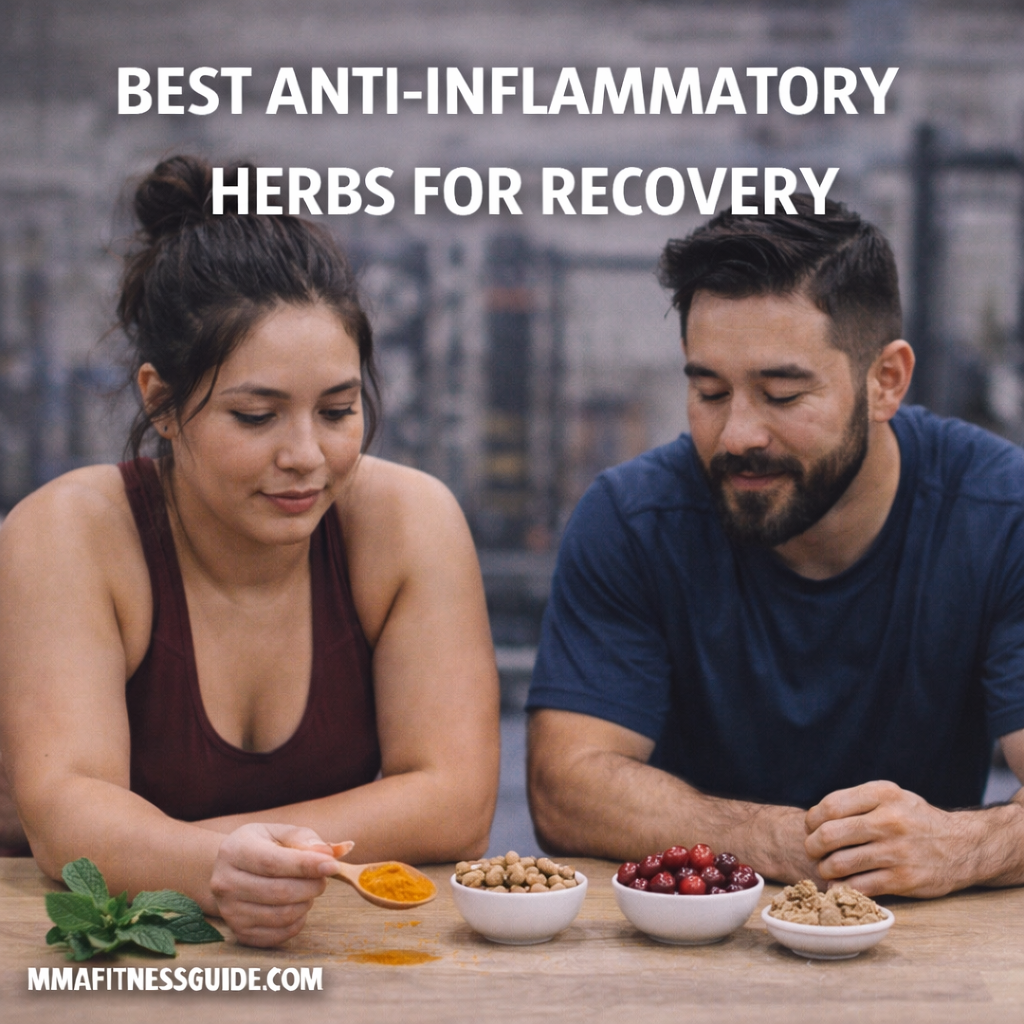
Introduction
Inflammation is a natural part of training adaptation, but chronic or excessive inflammation can slow recovery, reduce performance, and increase injury risk. For combat athletes and active individuals, managing inflammation effectively is key to staying consistent and healthy.
Anti-inflammatory herbs have been used for centuries to support recovery, reduce soreness, and promote overall wellness. When used appropriately, they can complement proper nutrition, sleep, and training recovery strategies.
Understanding Inflammation in Training
Inflammation helps repair muscle tissue after stress. Problems arise when recovery cannot keep up with training demands.
Signs of excessive inflammation include:
- Persistent soreness
- Joint stiffness
- Reduced mobility
- Prolonged fatigue
- Decreased training quality
Managing inflammation supports faster, more complete recovery.
How Herbs Support Recovery
Herbs contain bioactive compounds that influence inflammatory pathways, circulation, and oxidative stress.
Potential benefits include:
- Reduced muscle soreness
- Improved joint comfort
- Enhanced circulation
- Support for immune health
Herbs are not quick fixes but long-term recovery allies.
Turmeric (Curcumin)
Turmeric is one of the most researched anti-inflammatory herbs.
Key benefits:
- Supports joint health
- Helps reduce muscle soreness
- Contains powerful antioxidants
For best absorption, turmeric is often combined with black pepper.
Ginger
Ginger has strong anti-inflammatory and digestive benefits.
Benefits include:
- Reduced muscle pain
- Improved circulation
- Support for digestion
Ginger is useful both post-workout and daily.
Boswellia (Frankincense)
Boswellia is commonly used for joint and connective tissue health.
Potential benefits:
- Reduced joint inflammation
- Improved mobility
- Support for long-term joint health
It’s often used by athletes with high-impact training.
Ashwagandha
Ashwagandha supports inflammation indirectly by managing stress.
Benefits include:
- Reduced stress-related inflammation
- Improved recovery quality
- Support for hormonal balance
Stress management is critical for recovery.
Tart Cherry
Tart cherry is widely used for muscle recovery.
Benefits include:
- Reduced delayed-onset muscle soreness
- Improved sleep quality
- Antioxidant support
Often consumed as juice or extract.
Cinnamon
Cinnamon provides antioxidant and anti-inflammatory support.
Benefits include:
- Improved blood sugar regulation
- Reduced oxidative stress
- Support for metabolic health
It pairs well with post-training nutrition.
Holy Basil (Tulsi)
Holy basil supports inflammation control through stress reduction.
Benefits include:
- Adaptogenic stress support
- Immune system balance
- Anti-inflammatory properties
Mental recovery supports physical recovery.
Green Tea
Green tea contains catechins that support recovery.
Benefits include:
- Reduced inflammation
- Antioxidant protection
- Mild caffeine for mental clarity
It supports both recovery and focus.
How to Use Anti-Inflammatory Herbs Safely
Herbs work best when used consistently and moderately.
Safety guidelines:
- Introduce one herb at a time
- Follow recommended dosages
- Avoid combining excessive supplements
- Consult professionals if needed
Herbs complement—not replace—recovery fundamentals.
Timing Herbs for Recovery
Timing can influence effectiveness.
Common timing strategies:
- Post-workout for soreness support
- Evening for relaxation and sleep
- Daily use for cumulative benefits
Consistency matters more than exact timing.
Nutrition and Lifestyle Still Matter Most
Herbs enhance recovery—but only when basics are covered.
Foundational recovery pillars include:
- Adequate calories
- Quality sleep
- Hydration
- Smart training loads
Herbs amplify good habits.
Common Myths About Anti-Inflammatory Herbs
Avoid these misconceptions:
- Herbs eliminate soreness instantly
- More herbs equals faster recovery
- Supplements replace sleep or nutrition
Recovery is holistic.
Who Should Use Anti-Inflammatory Herbs?
Herbs may benefit:
- High-volume trainers
- Combat athletes
- Individuals with joint discomfort
- Those seeking natural recovery support
Individual response varies.
Final Thoughts
Anti-inflammatory herbs can play a valuable role in recovery when used thoughtfully. They support the body’s natural healing processes and help manage training-related stress. However, they work best as part of a complete recovery strategy that includes nutrition, sleep, and intelligent training.
Recovery isn’t about eliminating inflammation—it’s about managing it wisely.