
Introduction
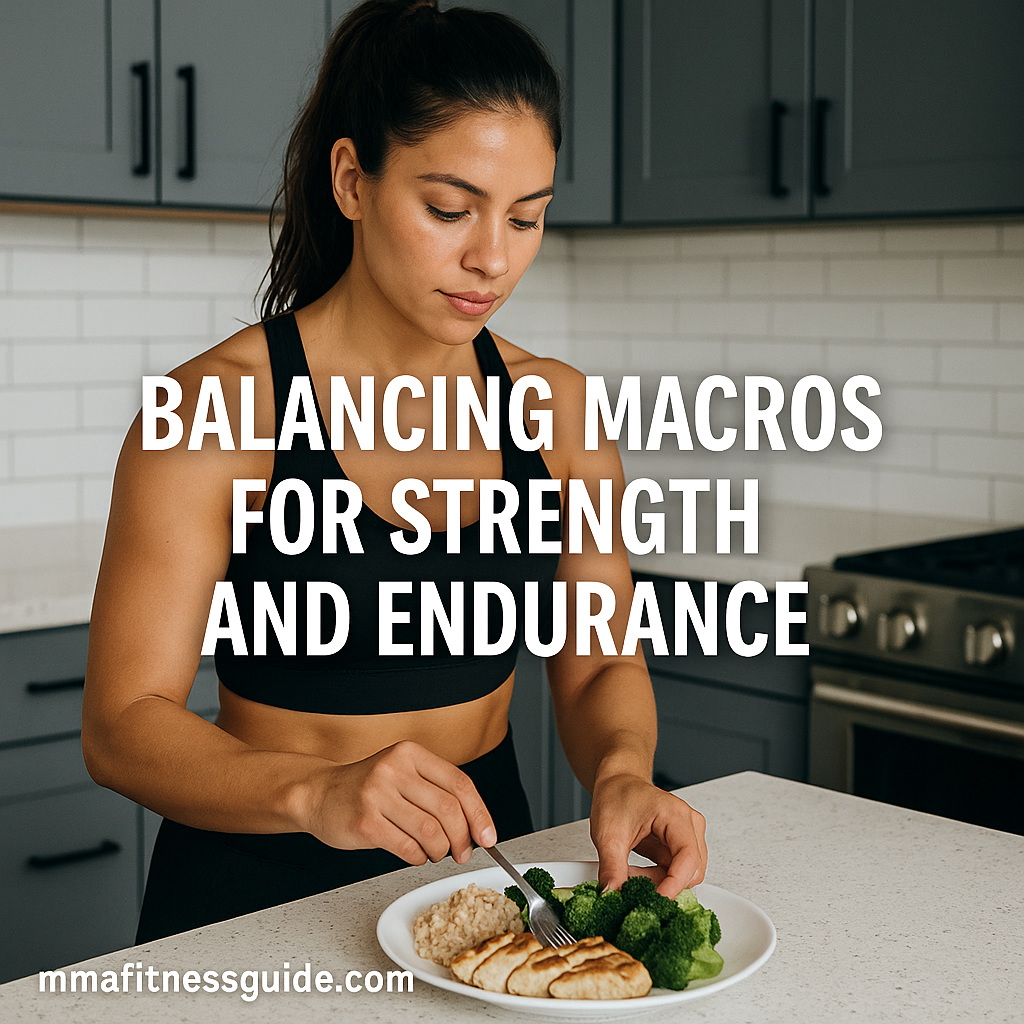
Fighters need a unique mix of strength, power, and endurance. That means your nutrition has to support heavy lifting, explosive movements, long training sessions, and fast recovery. Balancing your macros — protein, carbs, and fats — helps your body perform at its best without feeling sluggish or burned out.
You don’t need a strict diet or complicated formulas. With a basic understanding of how each macro works and how to mix them, you can fuel every session and stay consistent week after week.
Here’s a simple guide to balancing macros for strength and endurance.
What Are Macros?
“Macros” refers to the three main nutrients your body uses for energy and recovery:
- Protein – builds and repairs muscle
- Carbohydrates – fuel training and endurance
- Fats – support hormones, joints, and long-term energy
Each macro plays a different role in your performance.
Why Fighters Need a Balanced Macro Approach
Fighters burn a lot of energy, especially during:
- Hard pad rounds
- Long drilling sessions
- Sparring
- Strength training
- Conditioning circuits
- Grappling scrambles
If your macros are off, you may feel:
- Tired early in sessions
- Slow or heavy
- Sore for too long
- Low energy
- Mentally foggy
The right balance helps you train harder, recover faster, and maintain consistent performance.
Protein: The Foundation for Strength and Recovery
Protein helps repair the muscle fibers you break down during training.
It also supports strength, durability, and overall athletic performance.
How much protein do fighters need?
A simple guide:
0.7–1 gram per pound of bodyweight daily.
Example:
A 170-lb fighter should aim for 120–170g of protein per day.
Good protein sources:
- Chicken
- Turkey
- Fish
- Lean beef
- Eggs
- Greek yogurt
- Cottage cheese
- Protein shakes
- Beans or tofu (for plant-based athletes)
When to eat protein:
- Spread evenly throughout the day
- Include some after training
- Include protein in every meal
Protein keeps you strong and speeds recovery.
Carbs: Your Main Fuel for Endurance and Power
Carbs give you energy for hard training.
They fuel both short bursts of power and long conditioning sessions.
How many carbs do fighters need?
A good range:
2–4 grams per pound of bodyweight per day, depending on training volume.
Higher training volume = more carbs.
Lower training volume = fewer carbs.
Good carb sources:
- Rice
- Potatoes
- Oats
- Pasta
- Fruit
- Bread
- Beans
- Tortillas
- Whole grains
When to eat carbs:
- Before training (energy)
- After training (recovery)
- In moderate amounts at each meal
Carbs are your body’s preferred fuel — don’t fear them.
Fats: Long-Lasting Energy and Hormone Support
Healthy fats help fighters:
- Maintain hormone balance
- Support joints
- Absorb nutrients
- Stay full between meals
Good fat sources:
- Avocado
- Olive oil
- Nuts
- Seeds
- Nut butters
- Salmon
- Whole eggs
How much fat do fighters need?
About 20–30% of daily calories from fats is a solid starting point.
Balancing the Three Macros Together
A simple macro split for fighters who want both strength and endurance:
40% carbs
30% protein
30% fats
This gives you enough carbs for training, enough protein for strength, and enough fats for recovery and hormones.
Example Daily Meal Structure:
Breakfast:
Protein + carbs + fats
Eggs, oats, fruit
Lunch:
Protein + carbs + veggies
Chicken, rice, vegetables
Snack:
Protein + fats
Greek yogurt + nuts
Dinner:
Protein + moderate carbs + fats
Salmon, potatoes, greens
Before bed (optional):
Light protein
Cottage cheese or shake
Simple and easy to follow.
How to Adjust Macros Based on Your Training
If you feel low energy → Increase carbs
Especially around training.
If your muscles feel weak or slow to recover → Increase protein
Add 20–30g more daily.
If you feel hungry all the time → Increase fats
Healthy fats help keep you full.
If you feel heavy or sluggish → Reduce fats slightly
Too much fat can slow digestion.
If conditioning feels hard → Increase carbs
Carbs directly improve endurance.
What to Eat Before Training
A balanced pre-training meal should include:
- Carbs for energy
- Protein to support muscle
- Low fat for easy digestion
Example:
Chicken + rice, or oats + protein shake, or fruit + yogurt.
What to Eat After Training
A post-training meal should include:
- Protein for recovery
- Carbs to replenish energy
- Water + electrolytes
Example:
Salmon + potatoes
Protein shake + banana
Turkey bowl with rice
Post-training carbs help you feel better at your next session.
Common Macro Mistakes Fighters Make
Avoid:
- Eating too little protein
- Cutting carbs too low
- Eating high fat before training
- Undereating during heavy training weeks
- Letting macros get inconsistent day to day
Balanced, steady nutrition improves performance more than “perfect” dieting.
Final Thoughts
Balancing protein, carbs, and fats doesn’t have to be complicated. Fighters perform best when they eat enough protein for strength, enough carbs for endurance, and enough healthy fats for recovery. Start with simple ratios, adjust based on how you feel, and stay consistent. Your energy, performance, and conditioning will all improve.