Introduction
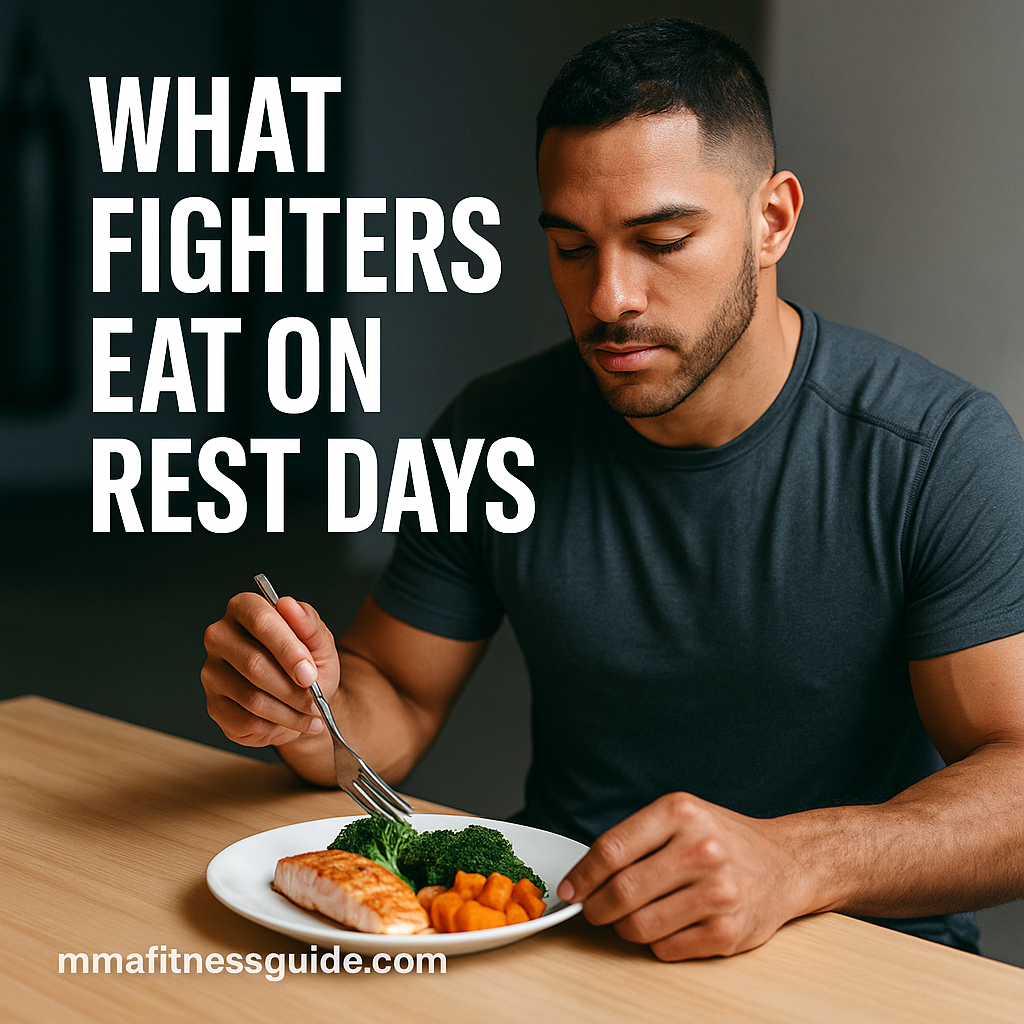
Rest days are just as important as training days. Your body repairs muscle, restores energy, and recovers from the stress of hard workouts. But many fighters aren’t sure how to eat when they’re not training. Do you cut calories? Eat normally? Change macros?
The good news is that rest-day nutrition is straightforward. You don’t need strict rules — just a few simple adjustments to support recovery while keeping energy levels steady.
Here’s what fighters typically eat on rest days and how you can structure your meals.
Rest Days Are for Recovery — Not Restriction
Training burns a lot of calories, so it’s normal to feel unsure about eating during downtime. But rest days are when your muscles rebuild, so your body still needs nutrients.
Key goals on rest days:
- Support muscle repair
- Reduce inflammation
- Maintain energy balance
- Keep hydration high
- Avoid unnecessary weight gain or loss
Think of rest-day eating as “lighter but still balanced.”
Eat a Little Fewer Carbs, Not No Carbs
Carbs fuel training sessions. Since you’re not pushing as hard on rest days, you can reduce them slightly — but don’t remove them completely.
Good rest-day carb choices:
- Potatoes
- Rice
- Oats
- Whole grains
- Fruit
- Beans
- Vegetables
You simply shift portions a bit smaller, especially at meals later in the day.
Keep Protein Consistent
Protein is the most important nutrient on rest days.
Aim for:
- Chicken
- Turkey
- Fish
- Lean beef
- Greek yogurt
- Cottage cheese
- Tofu
- Eggs
Protein helps repair muscle tissue and prevents muscle loss during recovery.
Add More Healthy Fats
Fats help reduce inflammation and keep you full.
Great options include:
- Avocado
- Olive oil
- Nuts
- Seeds
- Salmon
- Natural nut butters
Healthy fats keep meals satisfying when carbs are slightly reduced.
Eat Plenty of Colorful Vegetables
Vegetables support recovery through vitamins, minerals, and antioxidants.
Great rest-day choices:
- Broccoli
- Spinach
- Peppers
- Carrots
- Mixed greens
- Tomatoes
These foods help your body recover from inflammation caused by hard training.
Hydrate Even More Than Usual
Many fighters forget to hydrate on rest days, leading to stiffness or tiredness the next day.
Aim for:
- A steady flow of water throughout the day
- Electrolytes if you sweat a lot normally
- Herbal tea for digestion and relaxation
Hydration is one of the easiest ways to improve recovery.
Sample Rest-Day Meal Plan
Here’s a simple example of what many fighters eat when they’re not training.
Breakfast
- Eggs or Greek yogurt
- Oats or fruit
- Coffee, tea, or water
Lunch
- Chicken, turkey, or fish
- Veggies
- A moderate amount of carbs (rice or potatoes)
Snack
- Nuts, fruit, cottage cheese, or protein shake
Dinner
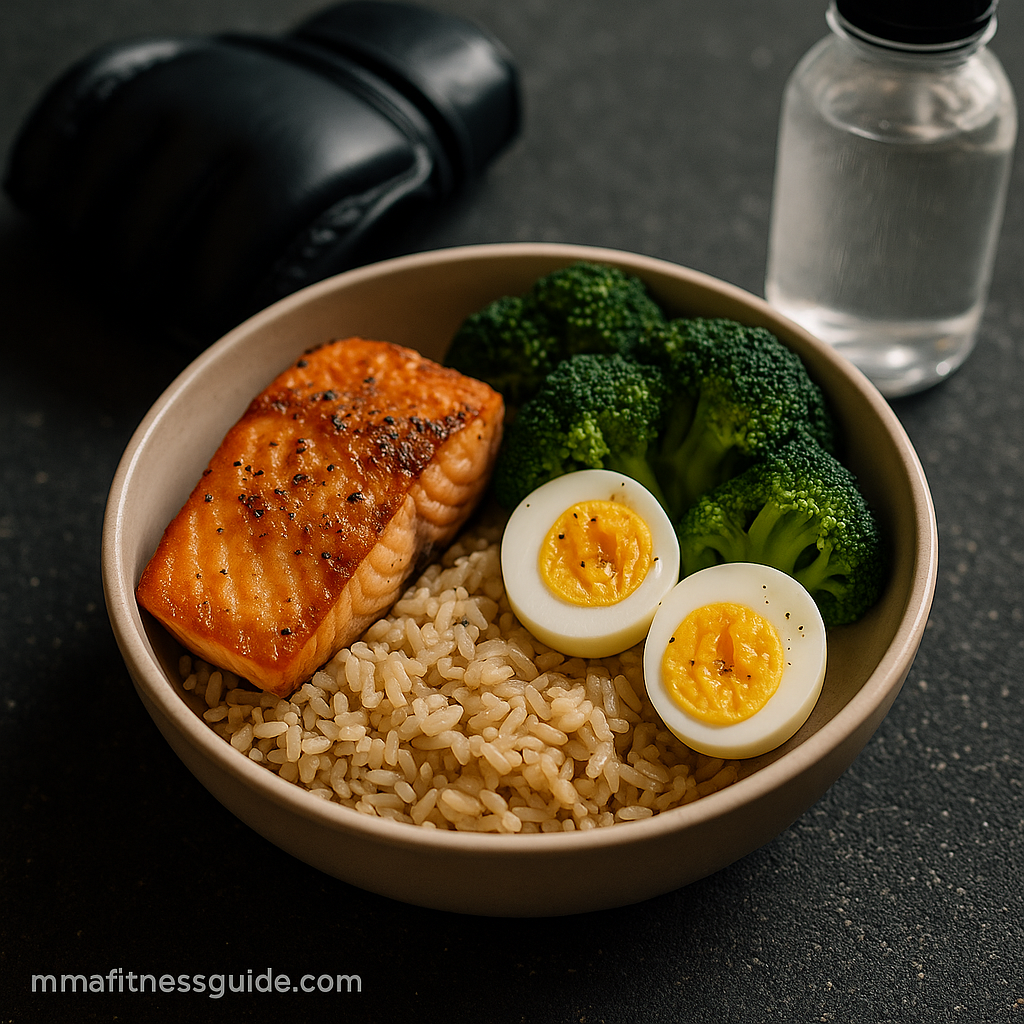
- Salmon or lean beef
- Veggies
- Light carbs
Before Bed
- Small protein snack if hungry
It’s simple, balanced, and easy to follow.
Avoid Overeating “Reward Meals”
Rest days shouldn’t turn into cheat-day binges. Eating heavy or processed foods can leave you feeling sluggish the next day.
Avoid making rest days a reward — think of them as rebuild days.
Avoid Undereating
Some fighters try to eat very little on rest days to “make up for calories,” but this slows recovery and hurts performance later in the week.
Signs you’re undereating:
- Low energy
- Cravings
- Headaches
- Poor mood
- Flat performance next session
A slight calorie reduction is fine — extreme cuts are not.
Listen to Your Body’s Hunger Signals
On rest days, your appetite may naturally decrease.
That’s normal.
Eat when:
- You’re hungry
- You need energy
- You feel low on fuel
Stop when you’re satisfied, not stuffed.
Consider Supplements (Optional)
Supplements aren’t required, but some fighters use:
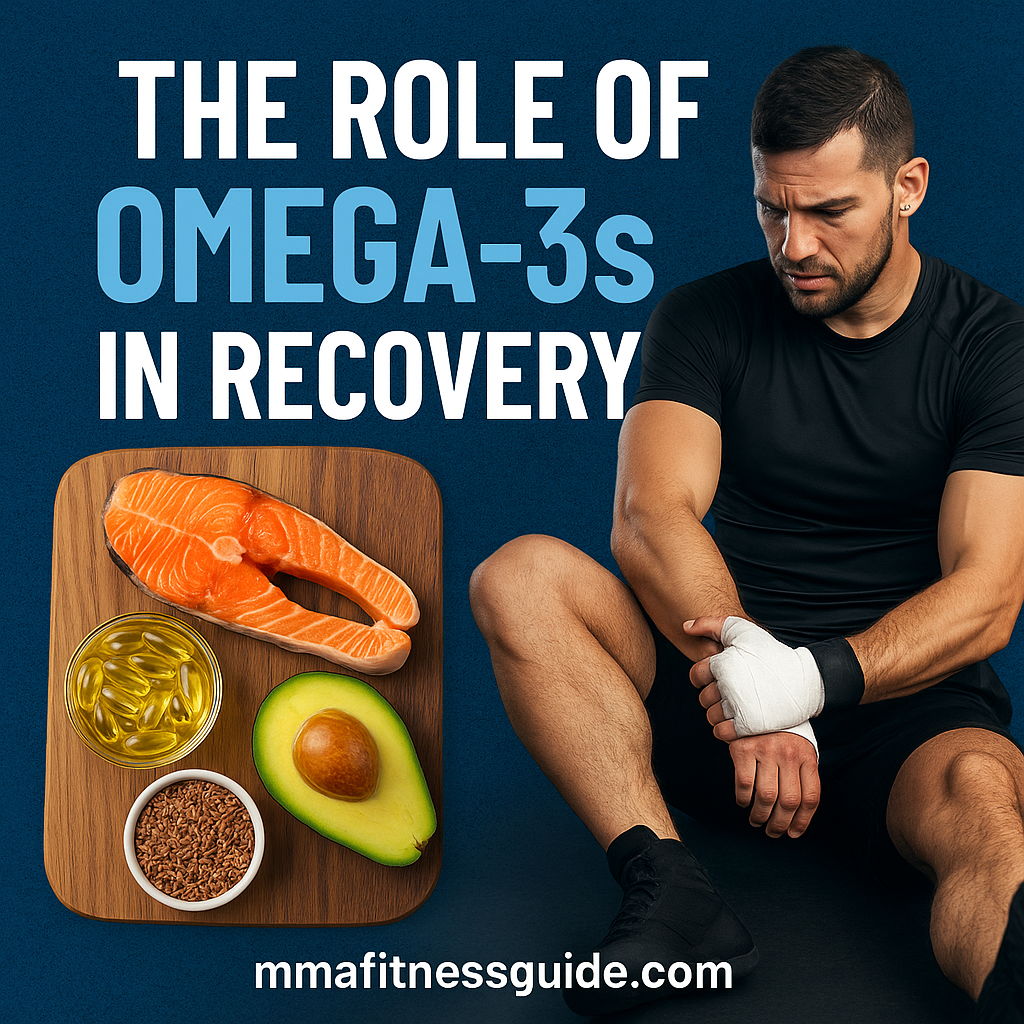
- Omega-3 fish oil
- Vitamin D
- Magnesium
- Protein powder
- Collagen
- Electrolytes
Keep it simple — real food should do most of the work.
How Rest-Day Eating Helps Your Next Session
The way you eat on rest days influences your next training session.
Good rest-day nutrition:
- Speeds muscle repair
- Keeps inflammation low
- Improves energy
- Enhances performance
- Helps maintain weight goals
When you fuel recovery, training becomes easier and more productive.
Final Thoughts
Rest-day nutrition doesn’t need to be strict or complicated. Focus on a balanced mix of protein, moderate carbs, healthy fats, vegetables, and hydration. Eat slightly lighter, but don’t restrict. When you support your recovery properly, you’ll feel stronger and more energized when you return to training.