A fighter throws a punch during heavy bag training and feels a sharp pain in their wrist. Another twists their knee while defending a takedown. During sparring, someone takes a hard shot to the head and feels dizzy afterward.
These situations illustrate the different injury risks involved in mixed martial arts.
MMA combines striking, wrestling, submissions, and demanding physical conditioning. Each discipline places different stresses on the body, and injuries can occur during both competition and regular training.
Some injuries develop suddenly through a single impact or awkward movement. Others appear gradually when training demands exceed the body’s ability to recover.
Although no training program can eliminate every risk, appropriate coaching, sensible training loads, protective equipment, and early recognition of symptoms can help reduce preventable injuries.
Understanding common MMA injuries also helps fighters recognize when to modify training and when professional medical attention is necessary.
Why Do MMA Injuries Happen?
MMA injuries occur for several reasons, and they aren’t always the result of poor technique.
Direct impacts during striking can cause bruises, fractures, cuts, and head injuries. Grappling introduces twisting forces, joint locks, and situations where an athlete’s body weight may fall awkwardly.
Training volume also matters.
A fighter who suddenly increases sparring, wrestling, and conditioning sessions may develop pain because their tissues haven’t adapted to the additional workload.
Other contributing factors include inadequate recovery, inappropriate training intensity, poorly maintained equipment, and differences in experience between training partners.
Fatigue can also affect decision-making and movement quality.
However, even experienced athletes using appropriate technique can suffer injuries. Prevention is about reducing risk rather than guaranteeing safety.
1. Hand and Wrist Injuries
Hand injuries are a common concern in striking sports because punches transmit force through relatively small bones and joints.
MMA fighters may experience:
- Finger and thumb sprains
- Wrist sprains
- Metacarpal fractures
- Knuckle injuries
- Tendon irritation
A poorly aligned punch can place unwanted stress on the wrist, particularly when striking a heavy bag.
Accidentally hitting an opponent’s elbow or forehead can also cause injury, even when the punch is technically sound.
How to Reduce the Risk
Use properly fitted gloves and hand wraps appropriate for your training activity.
Hand wraps can provide support, but they do not make the hands injury-proof.
During bag work, concentrate on controlled punching mechanics and avoid immediately progressing to maximum-power strikes.
Build striking volume gradually, especially if you’re returning after a break.
Strength training can also develop the muscles of the forearms and hands, although it cannot guarantee protection against fractures.
When to Seek Medical Attention
Stop striking if you experience sharp pain, substantial swelling, deformity, or difficulty moving your fingers or wrist.
Persistent pain after punching may indicate an injury requiring examination and potentially imaging.
Do not continue hitting the bag simply because you can still make a fist.
2. Shoulder Strains and Rotator Cuff Injuries
The shoulders are involved in nearly every aspect of MMA.
Punching, clinching, wrestling, posting on the mat, and defending submissions all place demands on the shoulder complex.
Common problems include muscle strains, tendon irritation, joint instability, and ligament injuries.
A shoulder may also become injured when a fighter falls onto an extended arm or resists a submission beyond a safe position.
How to Reduce the Risk
Include progressive upper-body strength training in your program.
Exercises such as rows, controlled pressing movements, and appropriate rotator cuff exercises can help develop shoulder strength and capacity.
Before demanding sessions, warm up with movements that gradually prepare the shoulders for the activity ahead.
During grappling, avoid relying on an extended arm to support your full body weight in vulnerable positions.
Most importantly, recognize when a submission has reached the point where continuing to resist is unsafe.
Tap early rather than waiting until pain becomes severe.
Warning Signs
Sudden pain, weakness, visible deformity, or an inability to raise the arm may indicate a significant injury.
A suspected dislocation requires prompt medical attention. Do not attempt to force the shoulder back into position yourself.
3. Knee Injuries
Knee injuries can occur during takedowns, scrambles, kicks, and rapid changes of direction.
The knee may be exposed to twisting forces when the foot remains planted while the rest of the body rotates.
Potential injuries include:
- Anterior cruciate ligament (ACL) tears
- Medial collateral ligament (MCL) sprains
- Meniscus injuries
- Patellar tendon irritation
- Muscle and tendon strains around the knee
Not every knee injury results from a dramatic collision.
Some develop during ordinary training movements when the athlete experiences an unexpected force or awkward position.
How to Reduce the Risk
Develop strength throughout the lower body.
Squats, lunges, appropriately programmed hamstring exercises, and single-leg movements can help improve strength and movement control.
Include balance and change-of-direction drills that match your experience.
Practice takedown entries and defensive movements under qualified supervision.
During grappling, avoid forcing the knee through positions where it becomes trapped or twisted.
Joint locks involving the knee deserve particular caution because serious damage can occur before pain provides a reliable warning.
When to Stop Training
Stop if you experience a popping sensation followed by pain or swelling, significant instability, locking, or difficulty bearing weight.
These symptoms warrant medical evaluation.
Do not attempt to test an injured knee by continuing to wrestle.
4. Concussions and Head Trauma
Head injuries require particular attention because their consequences can extend beyond the immediate training session.
A concussion is a traumatic brain injury caused by a blow or force transmitted to the head or body.
Symptoms may include headache, dizziness, confusion, nausea, sensitivity to light, memory problems, or difficulty concentrating.
A fighter does not need to lose consciousness to have a concussion.
Repeated head impacts, including impacts that do not produce obvious concussion symptoms, are also a concern in combat sports.
How to Reduce the Risk
The most direct way to reduce exposure is to limit unnecessary head impacts.
Training can emphasize technical drilling, controlled partner exercises, defensive skills, and appropriately supervised sparring rather than frequent hard exchanges.
Match training partners according to experience, size, and the intended intensity of the session.
Coaches should establish clear expectations and intervene when sparring becomes uncontrolled.
Headgear may reduce some superficial injuries, but it has not been established as reliable protection against concussion. It should never justify harder sparring.
What to Do After a Suspected Concussion
Immediately stop training and remove the athlete from contact activity.
Do not allow a fighter with a suspected concussion to return to sparring or competition on the same day.
Arrange prompt evaluation by an appropriate healthcare professional and follow a medically guided return-to-sport process.
Emergency care is necessary for warning signs such as worsening headache, repeated vomiting, seizures, increasing confusion, unusual behavior, weakness, or difficulty waking.
Never attempt to prove that someone is fine by asking them to continue training.
5. Ankle Sprains
Ankle sprains can happen when a fighter lands awkwardly after a kick, changes direction suddenly, or steps on another athlete’s foot.
A sprain occurs when ligaments supporting the ankle are stretched or torn.
Symptoms may include swelling, pain, bruising, and difficulty walking.
How to Reduce the Risk
Develop ankle strength and balance through progressive exercises.
Single-leg balance drills, calf raises, and controlled changes of direction can help prepare the lower legs for training demands.
Practice kicking and pivoting on a stable surface with sufficient space.
If you’ve previously injured an ankle, a healthcare professional may recommend bracing, taping, or rehabilitation exercises to reduce the risk of recurrence.
Don’t assume that ankle wraps alone will prevent injury.
If you cannot bear weight, have significant swelling, or experience pain directly over the ankle bones, seek medical assessment.
6. Rib Injuries and Body Contusions
Body punches, kicks, knees, and pressure during grappling can cause painful injuries to the torso.
Common problems include bruising, muscle strains, and rib fractures.
A fighter may initially dismiss a painful body shot as ordinary soreness, only to notice increasing discomfort when breathing deeply, coughing, or rotating the torso.
How to Reduce the Risk
Use controlled contact during technical drills and ensure training partners understand the intended intensity.
Appropriate body protection may reduce some impacts during specific drills, but it cannot eliminate injury risk.
Strengthening the trunk through exercises such as planks, carries, and controlled rotational movements can improve physical capacity.
However, strong abdominal muscles do not make the ribs immune to fractures.
When to Seek Medical Attention
Persistent localized rib pain should be evaluated, particularly after a significant impact.
Difficulty breathing, severe chest pain, fainting, or coughing up blood requires emergency medical attention.
Avoid returning to contact training while an injury remains painful or limits normal breathing.
7. Elbow Injuries and Joint Hyperextension
Submission grappling exposes joints to forces that don’t normally occur during everyday activities.
Arm bars, for example, can place substantial stress on the elbow.
Injuries may involve ligaments, tendons, or other structures within the joint.
Damage can occur quickly, sometimes before an athlete recognizes the severity of the situation.
How to Reduce the Risk
Establish clear submission-training rules with your coach and partners.
Apply submissions gradually during technical practice and release immediately when your partner taps or verbally submits.
Defending athletes should tap before reaching a dangerous position rather than waiting for severe pain.
Avoid sudden, explosive submission attempts during casual training.
If your elbow becomes painful, swollen, unstable, or difficult to straighten after a submission, stop training and obtain medical evaluation.
Strength training can help develop general joint capacity, but it cannot make a joint immune to submission-related injuries.
How to Prevent MMA Injuries Long-Term
Preventing injuries requires more than addressing individual body parts.
Your entire training program should balance technical development, physical preparation, and recovery.
1. Warm Up for the Activity Ahead
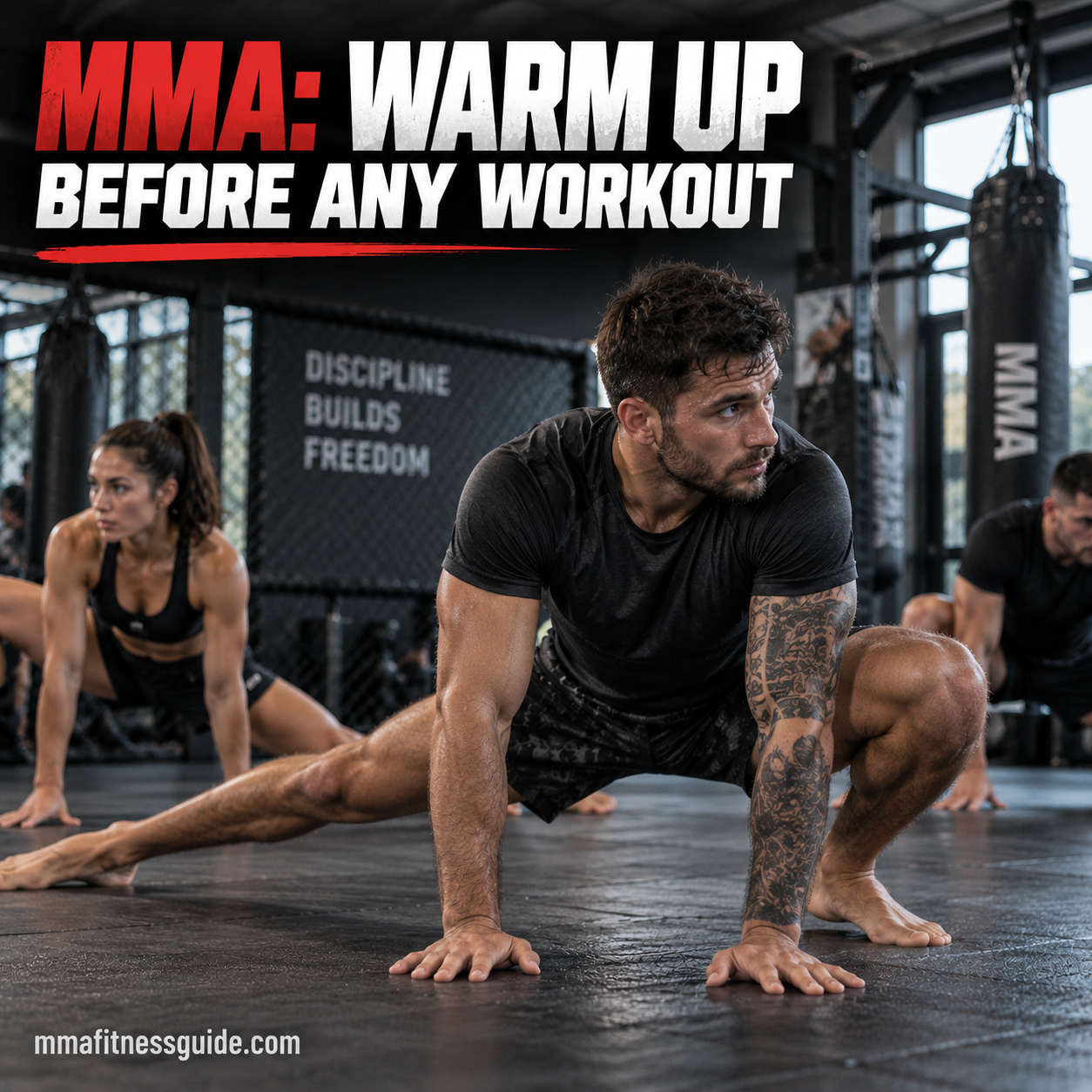
A useful warm-up gradually increases movement intensity and prepares you for the demands of the session.
Before striking, begin with light movement, shoulder mobility, and controlled shadowboxing.
Before wrestling, incorporate appropriate footwork, stance changes, and progressively demanding technical drills.
The warm-up should reflect what you’re about to do.
Static stretching alone isn’t a substitute for preparing the body for explosive movement.
2. Manage Training Intensity and Volume
One practical way to manage injury risk is to monitor how much training you’re doing.
Training load includes factors such as session duration, intensity, frequency, and the type of physical stress involved.
Avoid suddenly doubling your training volume or adding several demanding sparring sessions to an already exhausting schedule.
Increase training demands gradually and adjust them according to your experience and recovery.
A training journal can help you identify patterns in fatigue, soreness, and performance.
For example, if knee discomfort consistently appears after several consecutive wrestling sessions, discuss possible adjustments with your coach.
3. Include Strength and Conditioning
A balanced strength program can help fighters develop the physical capacity needed for striking, wrestling, and grappling.
Include exercises that develop lower-body strength, pushing and pulling strength, and trunk control.
Progress resistance according to your ability.
Strength training should complement MMA practice rather than leave you too exhausted to perform technical work.
4. Make Sparring Purposeful
Every sparring session doesn’t need to resemble a competitive fight.
Technical sparring can focus on distance management, defensive positioning, and specific tactical objectives.
Coaches should establish appropriate intensity levels and match partners carefully.
Reducing unnecessary hard contact is especially important for limiting head-impact exposure.
5. Recognize Pain and Fatigue
Ordinary exercise soreness is different from sudden sharp pain, joint instability, or symptoms that worsen during movement.
Don’t treat persistent pain as evidence that you need to become tougher.
Modify training when necessary and seek professional evaluation for symptoms that don’t improve or suggest a significant injury.
Recovery Tips for MMA Fighters
Recovery is part of a training program, not an optional reward after hard work.
Prioritize Sleep
Most adults should aim for approximately seven to nine hours of sleep per night, although individual needs vary.
Consistent sleep supports general health, physical recovery, and the ability to concentrate during training.
Maintain a regular sleep schedule when possible, especially during periods of demanding training.
Eat Enough to Support Training
Adequate energy intake matters for athletes who train frequently.
Include protein sources, carbohydrate-rich foods, fruits, vegetables, and appropriate dietary fats.
Protein supports tissue maintenance and repair, while carbohydrates help replenish energy used during demanding workouts.
Avoid aggressive weight-cutting practices without appropriate professional supervision.
Use Active Recovery Appropriately
Light walking, gentle mobility work, or easy cycling may be suitable between demanding sessions.
However, active recovery isn’t appropriate for every injury.
A suspected fracture, concussion, or significant joint injury requires individualized medical guidance.
Understand the Limits of Recovery Tools
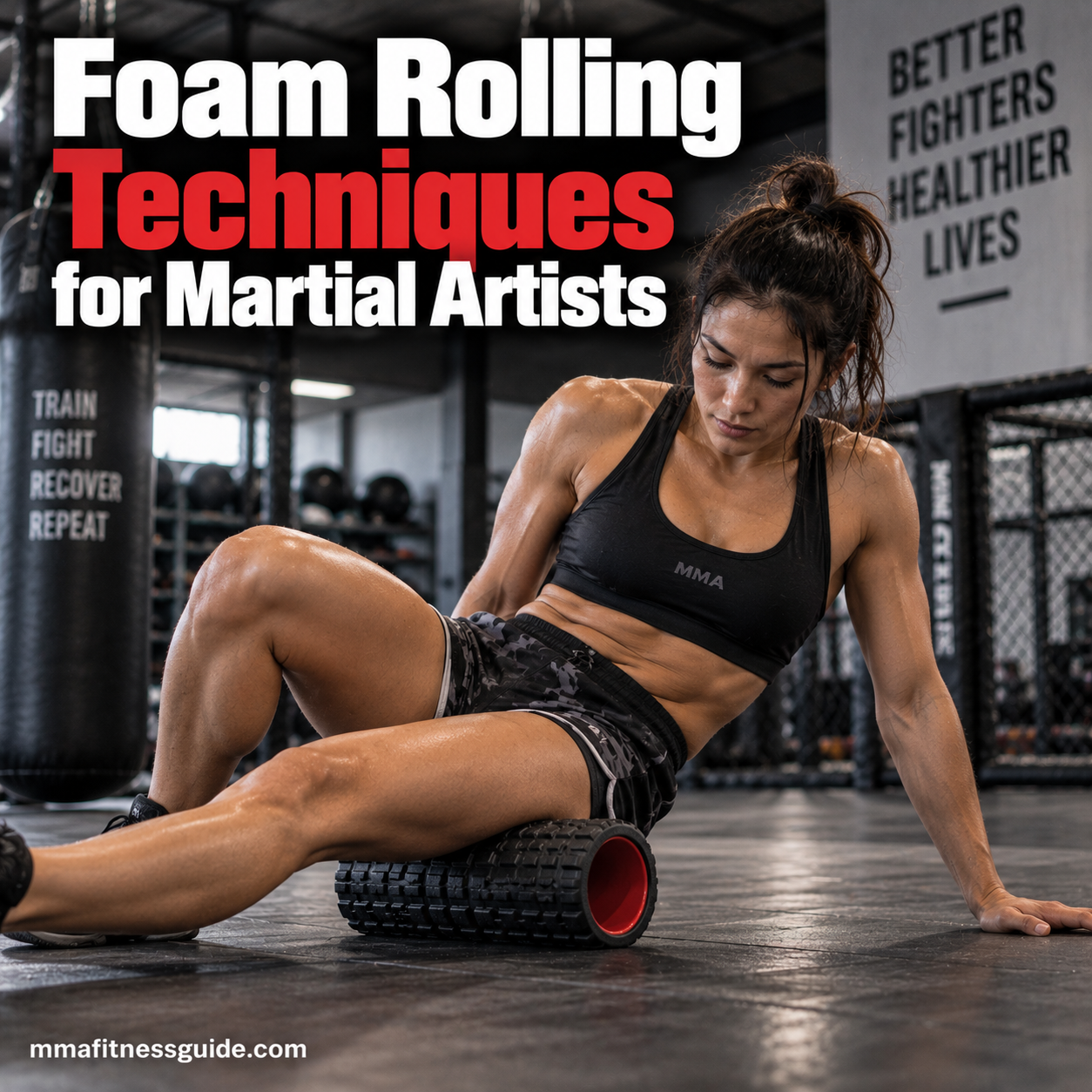
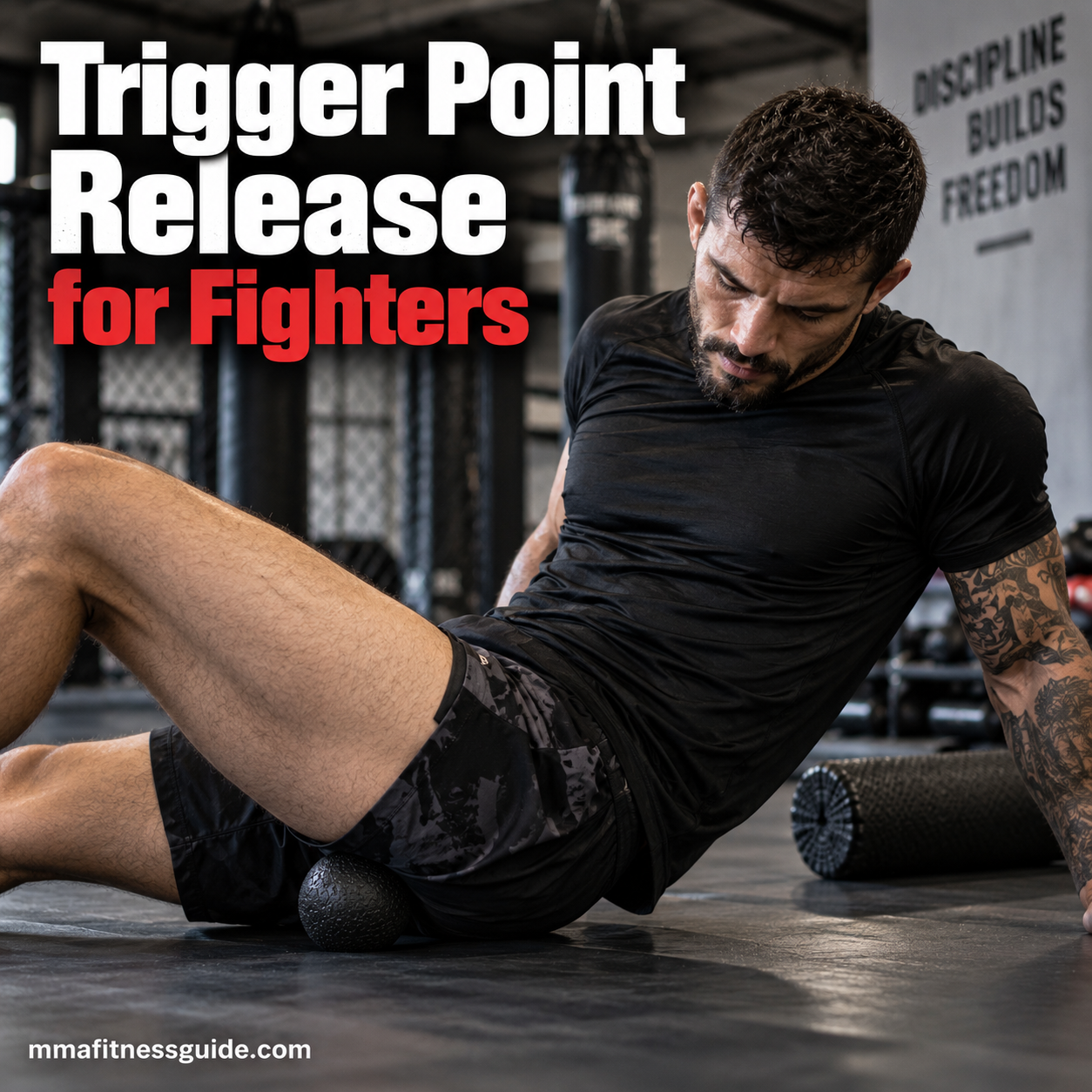
Massage, foam rolling, cold-water immersion, and contrast showers may provide temporary symptom relief or help some athletes feel recovered.
They aren’t substitutes for adequate sleep, nutrition, sensible training loads, or medical treatment.
Evidence for their benefits varies by method and outcome, so avoid treating them as guaranteed ways to accelerate tissue healing.
When Can You Return to MMA After an Injury?
Returning to training depends on the type and severity of the injury.
A minor muscle strain may require a different rehabilitation process from a ligament tear, fracture, or concussion.
Before returning to demanding activity, an athlete generally needs to regain the movement, strength, and function appropriate for their sport.
A healthcare professional can determine when progression is appropriate.
For concussion, returning to sport should follow a medically supervised, step-by-step process.
An athlete should not resume contact practice until they have progressed through the appropriate recovery stages and received the necessary medical clearance.
Feeling motivated or being able to tolerate pain doesn’t establish that an injury has healed.
Frequently Asked Questions
What injuries are most common in MMA?
Injuries involving the head and face, including cuts and other trauma, are frequently reported in MMA competition. Hand, joint, and soft-tissue injuries also occur.
The exact injury patterns vary depending on competition level, training environment, and the type of activity being studied.
Can Proper Technique Prevent All MMA Injuries?
No. Appropriate technique may help manage certain risks, but impacts, unpredictable movements, and other factors can still cause injuries.
Good coaching, controlled training intensity, and appropriate recovery are also important.
Is Hard Sparring Necessary to Become a Good MMA Fighter?
Fighters need appropriate exposure to resistance and realistic training conditions, but frequent hard sparring isn’t necessary for every technical objective.
Training intensity should be planned with a qualified coach, with particular attention to limiting unnecessary head impacts.
Should I Train Through Soreness?
Mild muscle soreness may be manageable with appropriate modifications.
Sharp pain, significant swelling, instability, worsening symptoms, or suspected concussion should not be ignored.
Seek medical guidance when symptoms suggest an injury.
How Can Beginners Reduce Their Injury Risk?
Beginners should focus on learning proper techniques, choosing appropriate training partners, and gradually increasing training intensity.
Start with controlled drills before progressing to more demanding sparring or grappling.
Communicate with your coach about discomfort, fatigue, or previous injuries.
Final Thoughts: Train With Longevity in Mind
MMA is physically demanding, and no fighter can eliminate every injury risk.
However, many unnecessary risks can be reduced through appropriate training practices.
Use protective equipment correctly, develop strength gradually, manage sparring intensity, and give your body sufficient recovery time.
Pay particular attention to head injuries and joint-related symptoms, where continuing to train can have serious consequences.
Most importantly, work with qualified coaches and healthcare professionals who understand the demands of combat sports.
Training consistently over the long term requires more than toughness. It requires knowing when to push, when to adjust, and when to stop.