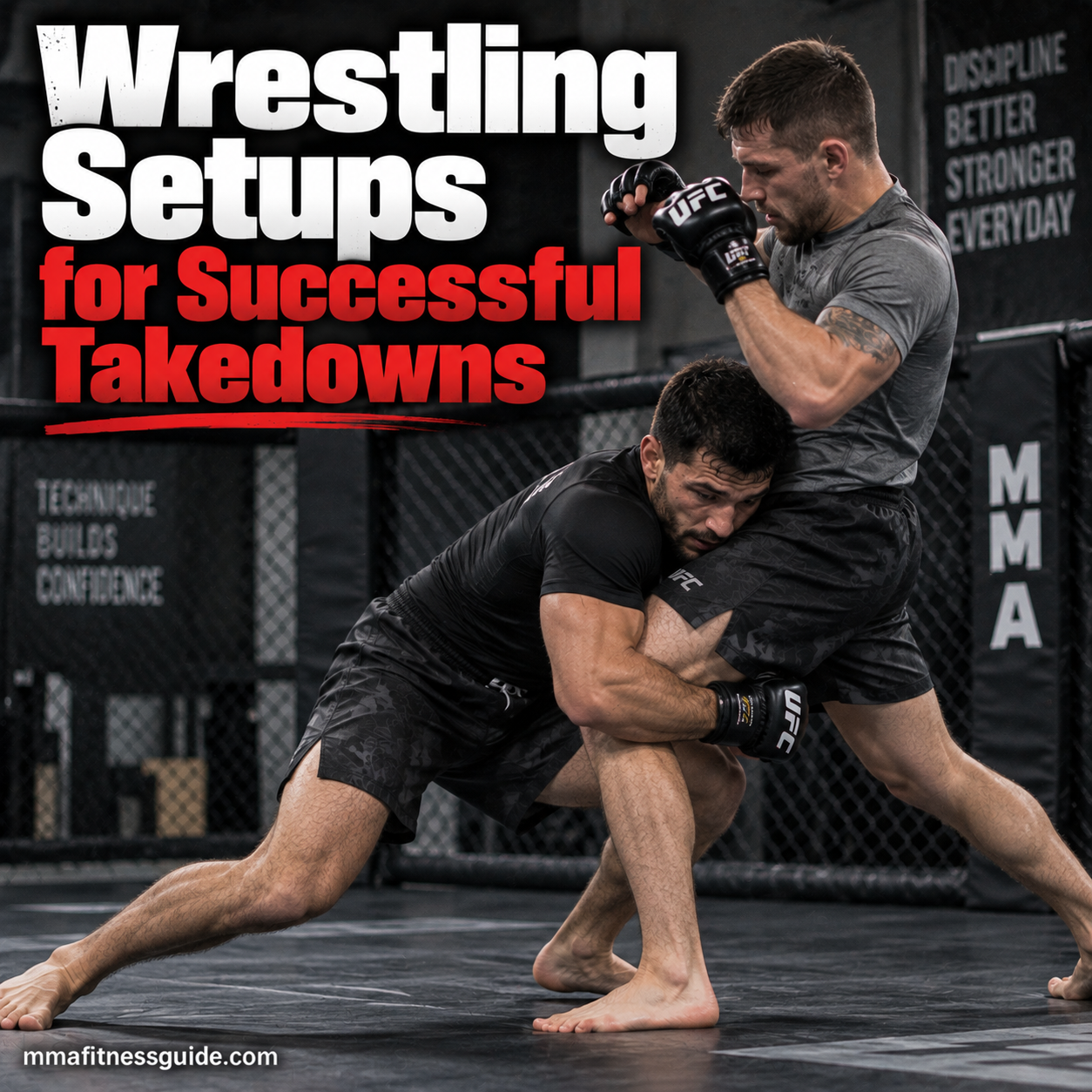
A double-leg attempt looks very different when the opponent is standing balanced and waiting for it versus when they’re reacting to a jab, stepping forward, or recovering their posture after a feint. The takedown may be identical, but the opening isn’t.
That’s the purpose of a wrestling setup.
In MMA, shooting directly at an opponent from predictable range gives them time to sprawl, frame, circle away, or counter. Strikes, level changes, hand fighting, footwork, and feints can disguise the entry or encourage a reaction that makes the legs and hips easier to reach.
Good setups also connect wrestling to the rest of MMA. A jab can lead into a double leg, cage pressure can transition into a body lock, and a fake shot can bring an opponent’s hands down before you return to striking.
Rather than treating the takedown as an isolated technique, think of the setup and entry as one continuous sequence: create a reaction, recognize the opening, change levels, and attack from a position where the opponent has less time to respond.
Why Setups Matter More Than the Shot Itself
A takedown succeeds before you ever touch the legs. Setups help you:
- Create openings
- Break opponent balance
- Disguise your level change
- Prevent predictable shots
- Reduce energy waste
- Avoid counter knees, uppercuts, and sprawls
In MMA, shooting without a setup is asking to get punished. Setups make takedowns safe and effective.
The Key Elements of a Strong Setup
Every great wrestling entry uses some combination of:
- Level changes
- Footwork angles
- Strikes that draw reactions
- Fakes and feints
- Hand control
- Timing the opponent’s movement
Blend these tools, and takedowns become automatic.
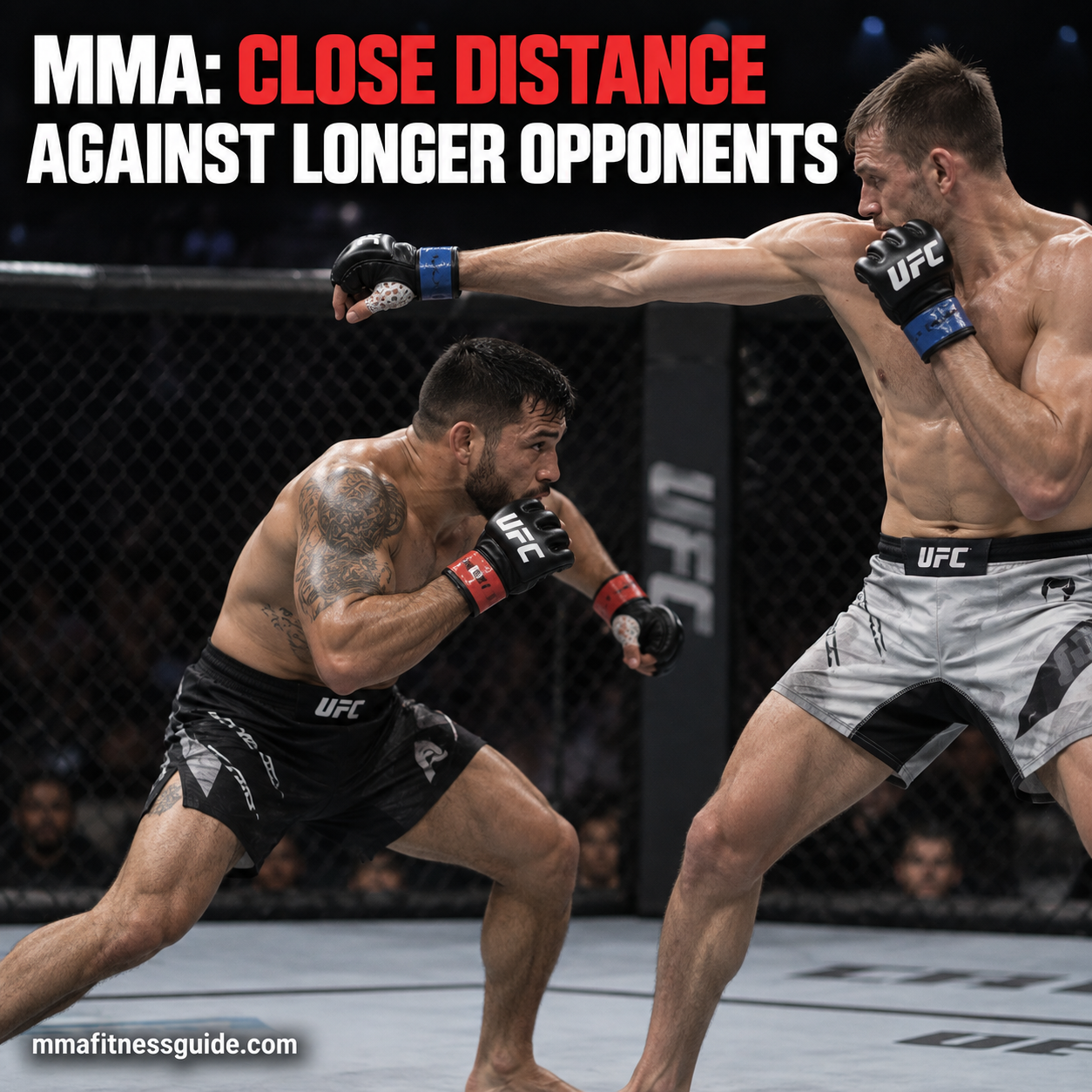
Setup #1: Jab → Level Change
One of the simplest and most reliable MMA takedown setups.
How it works:
- Throw a sharp jab
- Opponent focuses high
- You immediately drop levels into a double or single
Why it’s effective:
- Opponent’s guard goes up
- They freeze for a split second
- You shoot during their reaction
Best follow-ups:
- Jab → double leg
- Jab → single leg
- Jab → snap down if they overreact
Works especially well for strikers who mix boxing and wrestling.
Setup #2: Cross → Penetration Step
A hard cross forces the opponent to retreat or cover up.
Steps:
- Land or feint the cross
- Step forward on the punch
- Lower your level on the same rhythm
- Enter the legs while they’re defending upstairs
Why it works:
Your forward momentum disguises the shot.
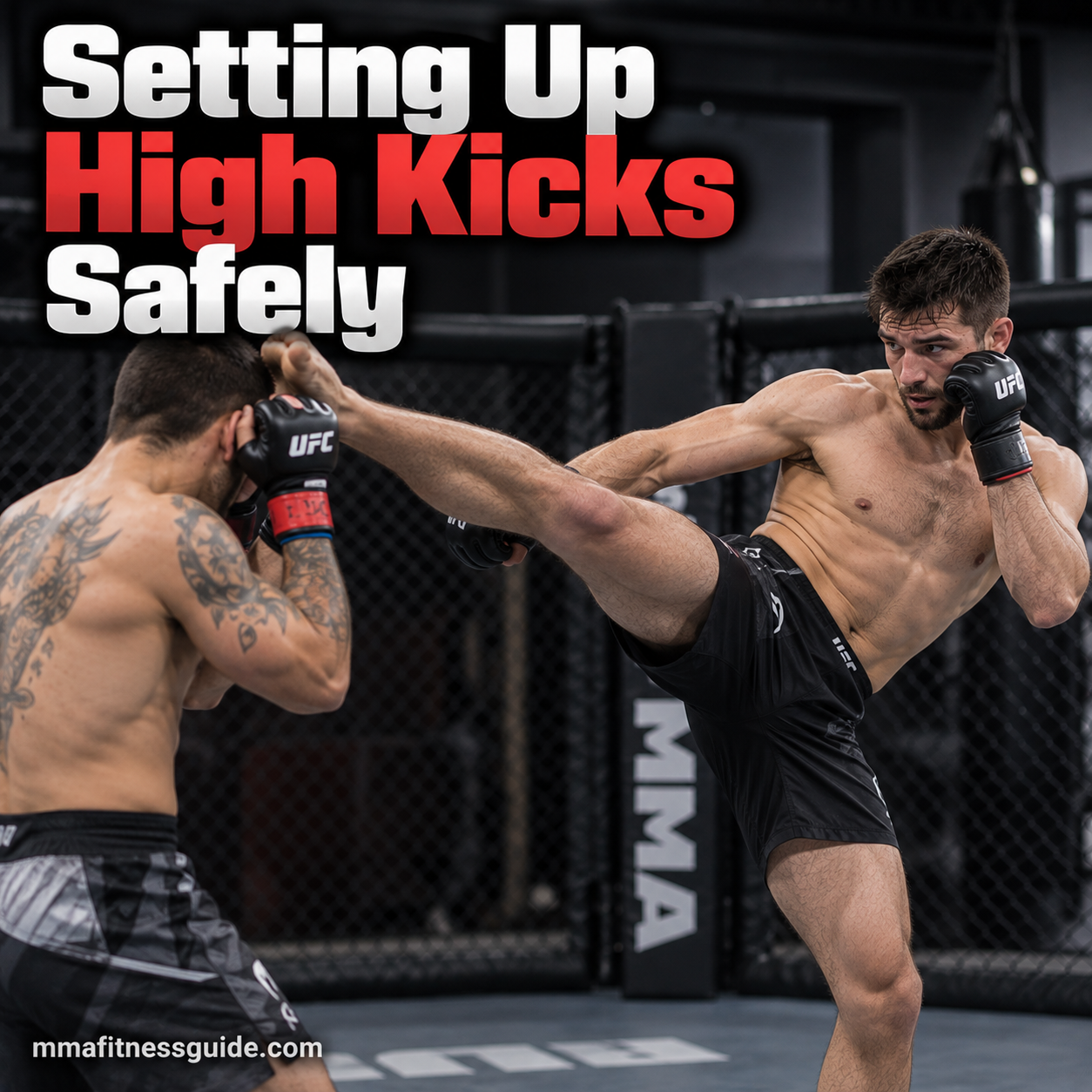
Setup #3: Punch–Kick Reactions
Strikes force predictable defensive reactions.
Examples:
- Low kick → opponent lifts leg → shoot single
- Body jab → opponent drops guard → shoot double
- High kick feint → opponent leans back → drive through legs
Striking makes takedowns feel effortless.
Setup #4: Hand Fighting & Wrist Control
Wrist control is one of the best setups borrowed from pure wrestling.
Method:
- Control their lead wrist
- Pull or snap it downward
- Shoot as soon as their posture breaks
Why it works:
Hand fighting disrupts balance and eliminates counters.
Setup #5: Collar Tie Snap-Down
Classic wrestling that works perfectly in MMA.
Steps:
- Get a collar tie
- Snap their head down
- When they pull up, shoot under
- If they stay down, go front headlock
Best takedowns from this setup:
- Double leg
- Ankle pick
- High crotch
- Front headlock series
This setup is gold for wrestlers transitioning to MMA.
Setup #6: The Level-Change Feint
Simple but incredibly powerful.
How it works:
- Fake lowering your level
- Opponent reacts by lowering hands or sprawling early
- Shoot immediately after
Why it works:
Opponents are trained to react to level changes.
Use that against them.
Setup #7: Timing the Opponent’s Step
Perfect for fast, explosive entries.
Steps:
- Wait for opponent to step forward
- Shoot as their weight shifts onto that leg
Why it works:
A weighted leg is easier to attack and harder to defend.
This is one of the highest percentage single-leg setups in MMA.
Setup #8: Using Angles and Lateral Movement
Cutting angles creates openings without brute force.
Examples:
- Step outside opponent’s lead foot → shoot double
- Pivot right off their jab → single leg
- Shuffle step left → force them to square → attack the legs
Angles beat strength every time.
Setup #9: Cage Pressure → Level Change
A top-tier MMA-specific setup.
How it works:
- Use punches to force opponent backward
- They hit the fence
- Their stance becomes upright
- Shoot under their punches or off a clinch
Best takedowns from this setup:
- Body lock
- Single leg to fence dump
- Double leg against the wall
This is how many wrestlers dominate MMA.
Setup #10: Fake Shot → Upper Body Entry
If opponents panic-sprawl, use it.
Steps:
- Fake a shot to force the sprawl
- Step in with underhooks
- Hit trips, throws, or body locks
Works well for:
- Greco-Roman specialists
- Muay Thai fighters who want to blend clinch takedowns
A perfect blend of wrestling and clinch arts.
How to Train Wrestling Setups for MMA
1. Slow Drilling First
Build perfect mechanics with no resistance.
2. Reaction Drills
Partner gives random strikes or feints; you respond with the correct setup.
3. Technical Sparring
Light takedown sparring at 20–30% intensity.
4. Cage-Specific Drilling
Practice underhooks, doubles, singles, and fence drives.
5. Blend Striking + Wrestling
Hit combinations that flow naturally into takedowns:
- Jab–cross → double
- Low kick → single
- Slip right → level change
This is where MMA wrestling truly comes alive.
Final Thoughts: Setups Make the Shot
Strength alone doesn’t get takedowns — setups do. When you disguise your entry, use angles, and force predictable reactions, even high-level opponents struggle to defend.
Master the setups, and your takedowns become inevitable.