Fueling the Fighter’s Engine
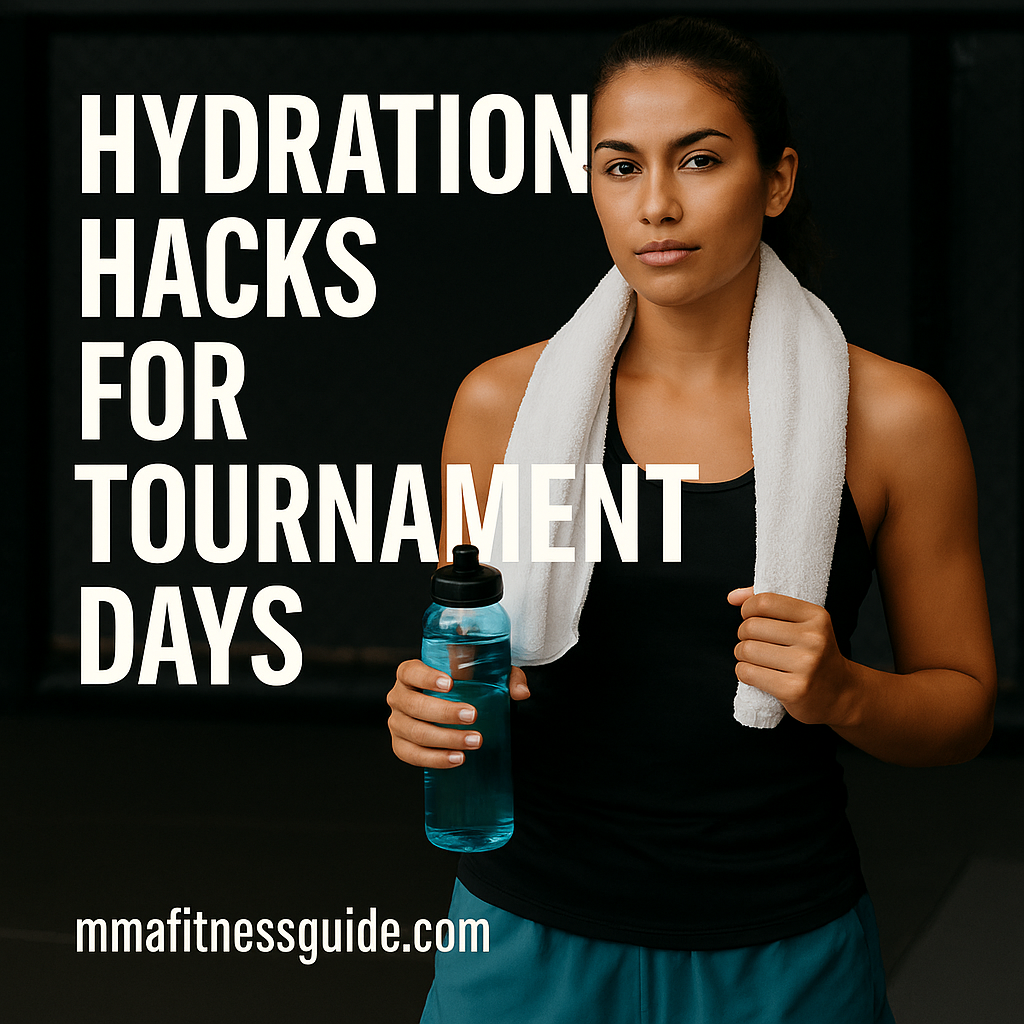
Every combat athlete knows the importance of training hard — but few realize that hydration is just as critical as strength, cardio, and nutrition.
Your body is over 60% water.
In MMA, where intensity and sweat loss are extreme, proper hydration can be the difference between peak performance and early fatigue.
Let’s break down how to hydrate like a professional fighter — before, during, and after training.
Why Hydration Matters in Combat Sports
Hydration isn’t just about quenching thirst — it directly affects how your body performs.
When you train dehydrated, you risk:
- Reduced strength and speed
- Slower reaction times
- Decreased endurance
- Higher injury risk
- Impaired focus and coordination
Even a 2% drop in body water can drastically reduce athletic performance — something most fighters experience without realizing it.
Step 1: Start Hydration Before Training
Hydration begins hours before you hit the mats.
Drinking during training isn’t enough — you need to enter each session already hydrated.
Tips for pre-training hydration:
- Drink 16–20 oz (about 500 mL) of water 2–3 hours before training.
- Sip another 8–10 oz 20–30 minutes before your session.
- Avoid overloading too fast — spread it out gradually.
If your urine is dark yellow or you feel sluggish before warm-up, you’re already behind.
Step 2: Hydrate During Training
Combat training can burn 600–1000+ calories per hour, often with heavy sweating.
During training:
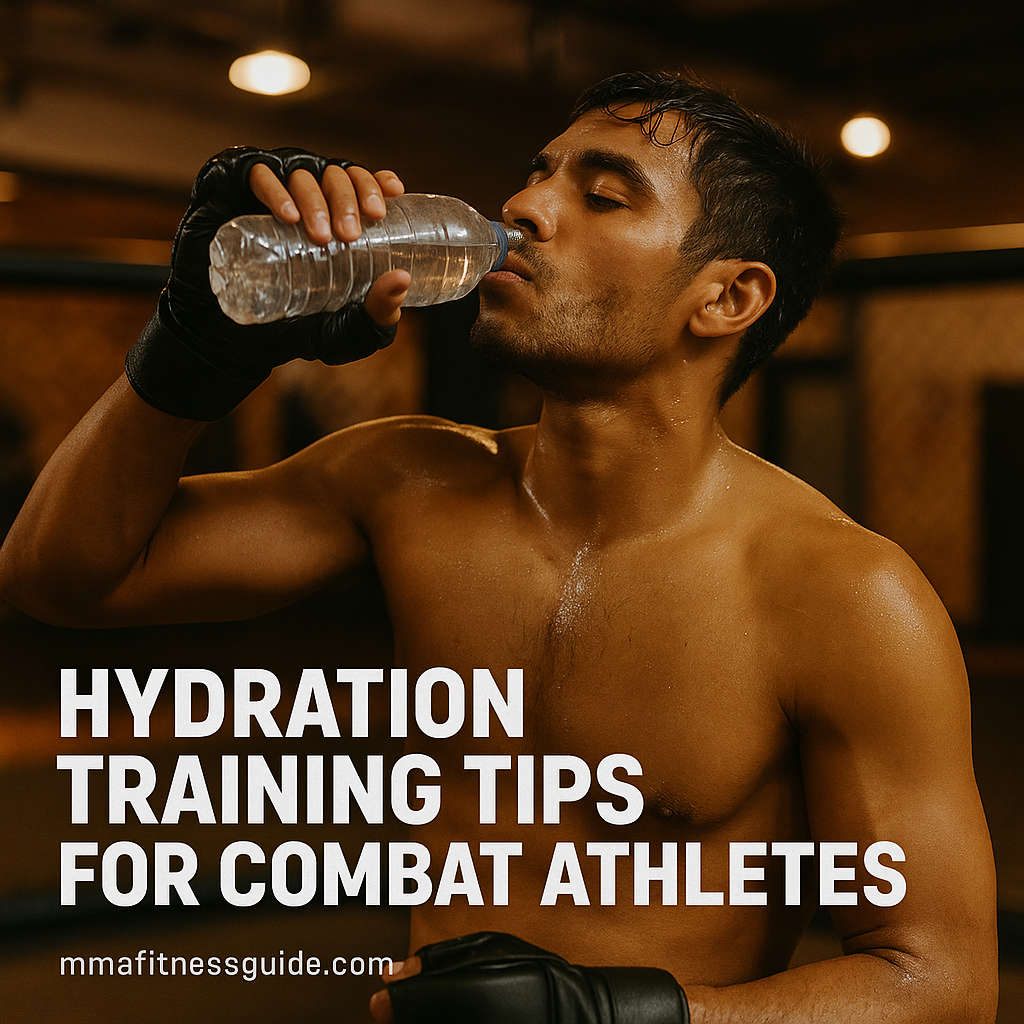
- Sip 6–8 oz (about 200 mL) every 15–20 minutes.
- Use electrolyte-enhanced water or sports drinks if your session lasts over 60 minutes.
Electrolytes (sodium, potassium, magnesium) replace what’s lost in sweat — essential for preventing muscle cramps and dizziness.
Pro tip: For long sparring or conditioning sessions, alternate between plain water and a light electrolyte drink.
Step 3: Rehydrate After Training
Post-training hydration is where recovery starts.
Sweat out one pound of water? That’s nearly 16 oz (0.5 liters) you need to replace.
After training:
- Weigh yourself before and after sessions to estimate fluid loss.
- For every pound lost, drink 20–24 oz of water.
- Add electrolytes, fruit, or coconut water for natural mineral replenishment.
If you’re still thirsty an hour later — drink more.
Step 4: Monitor Your Hydration Daily
Hydration isn’t a one-time task — it’s a lifestyle habit.
Daily guidelines for combat athletes:
- Aim for half your body weight (lbs) in ounces of water daily.
- Example: 180-lb athlete → about 90 oz per day minimum.
- Adjust for heat, altitude, and training volume.
- Check urine color — light yellow is ideal.
Use a hydration tracking app or simply mark your water bottle with time goals (e.g., “9AM,” “Noon,” “3PM”).
Step 5: Don’t Overhydrate
More isn’t always better. Drinking too much water without electrolytes can cause hyponatremia — dangerously low sodium levels.
To prevent it:
- Don’t exceed 1 liter (33 oz) per hour during training.
- Add a pinch of sea salt or an electrolyte tab for balance.
- Avoid drinking massive amounts before weigh-ins — it can cause bloating and false readings.
Balance is key.
Step 6: Smart Hydration for Weight Cuts
For fighters cutting weight, hydration strategy becomes a science.
You’ll often dehydrate intentionally before weigh-ins, but the recovery phase after weigh-in is crucial.
Rehydration after weigh-in:
- Start with small sips of electrolyte water — not chugging.
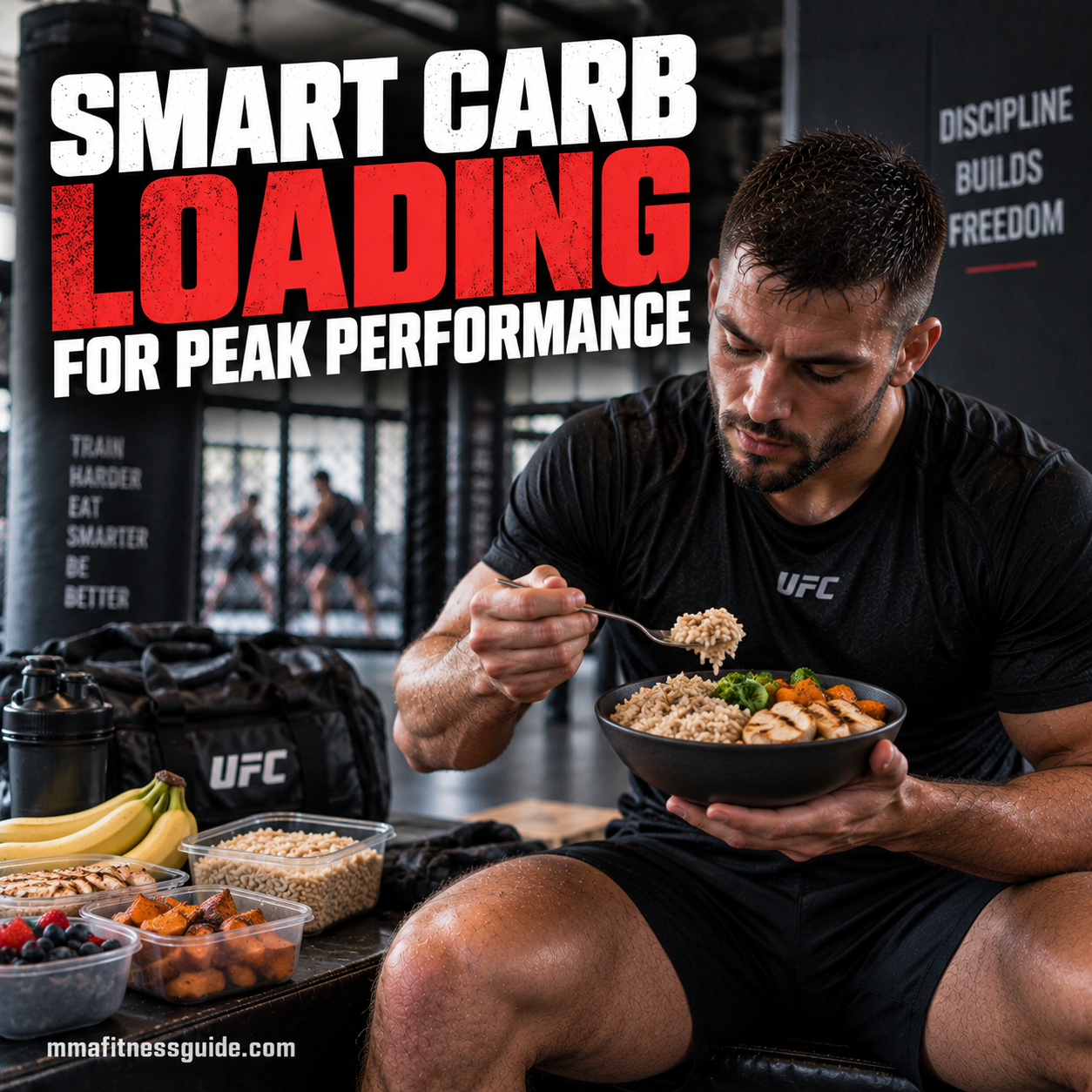
- Add sodium and carbohydrates to restore glycogen and fluid balance.
- Eat light, water-rich foods like fruit or soup.
- Avoid heavy meals immediately after rehydrating.
Remember: rehydration should take 4–6 hours minimum for safe absorption.
Step 7: Eat Hydrating Foods
Hydration doesn’t only come from liquids — food can play a huge role.
Hydrating foods for fighters:
- Watermelon
- Cucumber
- Oranges
- Strawberries
- Spinach
- Yogurt
These provide natural electrolytes, fiber, and vitamins that enhance recovery and hydration efficiency.
Step 8: Combine Hydration with Breathing and Recovery
Hydration improves circulation and muscle oxygenation — but it’s most effective when paired with proper breathing and post-training recovery.
After intense sessions:
- Drink a recovery shake or electrolyte drink.
- Stretch and breathe deeply to calm the nervous system.
- Get 7–9 hours of sleep to allow the body to restore balance.
Key Takeaways
- Start hydrating before training — not during.
- Replace every pound lost with 20–24 oz of water post-training.
- Use electrolytes to maintain muscle function and prevent cramps.
- Avoid overhydration and balance fluids intelligently.
- Hydrating foods and consistent daily habits support long-term performance.
As Georges St-Pierre once said,
“The body is like a car — if you don’t fuel it right, it won’t perform right.”
Stay hydrated, stay sharp, and fight at your full potential.