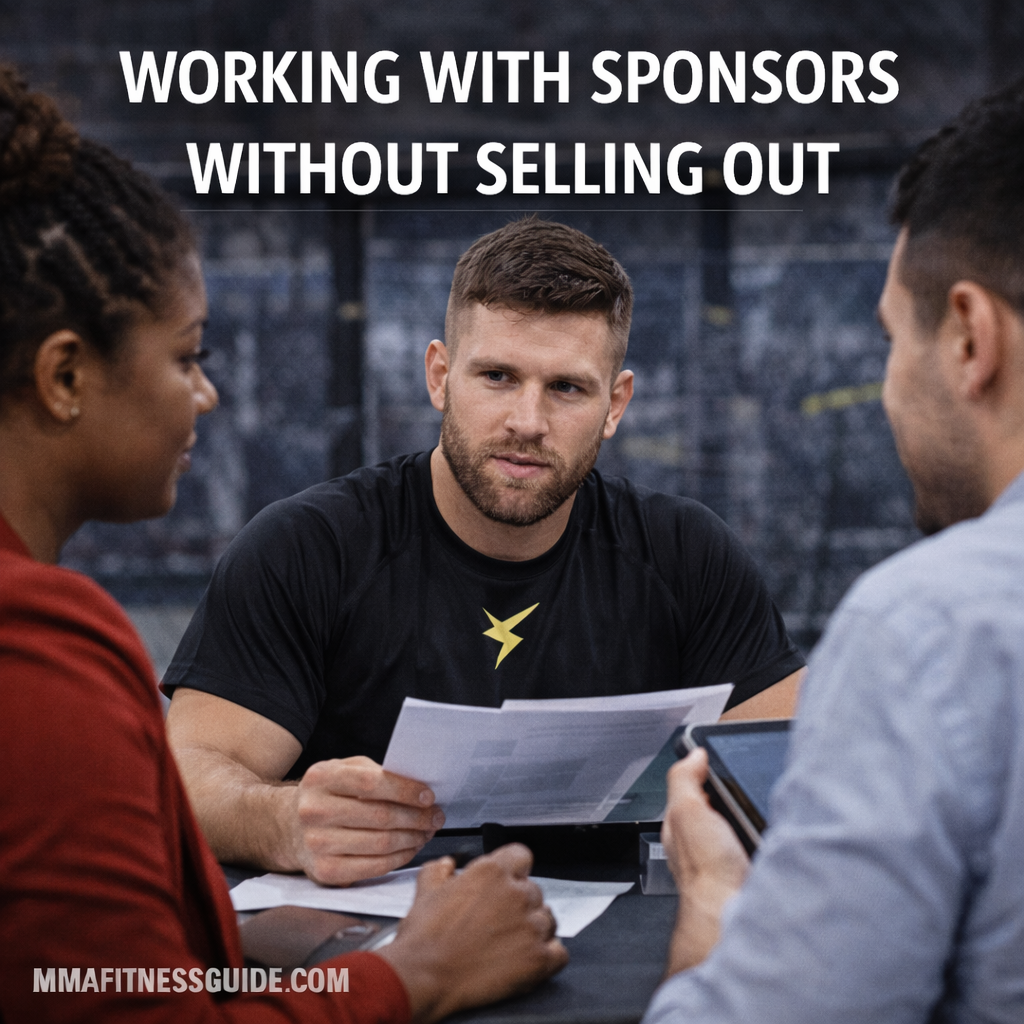
Sponsorships are one of the most important income opportunities for MMA fighters, especially outside of top-tier promotions. But many athletes worry that accepting sponsors means compromising values, authenticity, or credibility with fans.
The truth is, working with sponsors doesn’t have to mean selling out. When handled correctly, sponsorships can support your career, strengthen your personal brand, and even deepen fan trust. This guide explains how fighters can work with sponsors strategically while staying authentic.
Why Sponsorships Matter in MMA
Unlike many professional sports, MMA fighters often bear the cost of:
- Training and gym fees
- Coaching and corner expenses
- Medical and recovery costs
- Travel and accommodation
- Time away from other work
Sponsorships help offset these costs and allow fighters to focus more fully on training and performance.
What “Selling Out” Really Means
Selling out isn’t about getting paid — it’s about losing alignment.
It usually happens when fighters:
- Promote products they don’t use or believe in
- Overpromise results to fans
- Change their personality to please brands
- Accept deals that conflict with their image
- Prioritize money over long-term reputation
Authenticity is the real currency in modern sponsorships.
Build Your Personal Brand First
Sponsors invest in clarity, not confusion.
Before working with sponsors, fighters should define:
- Core values
- Personal story and background
- Training philosophy
- Audience and fan base
- Long-term career goals
When your brand is clear, the right sponsors find you.
Choose Sponsors That Align With Your Life
The best sponsorships feel natural.
Look for brands that:
- You already use or respect
- Support athlete development
- Match your training and lifestyle
- Share similar values
- Enhance your credibility
Fans can tell when promotions are genuine — and when they aren’t.
Quality Over Quantity Always Wins
More sponsors isn’t always better.
Too many partnerships can:
- Dilute your message
- Confuse your audience
- Reduce perceived value
- Make you look transactional
A few strong, aligned sponsors are more powerful than many random ones.
Be Honest About What You Offer
Transparency builds long-term relationships.
When discussing sponsorships:
- Be clear about your reach and platform size
- Avoid inflating follower numbers
- Explain how you engage with fans
- Set realistic expectations
Honesty builds trust on both sides.
Create Value Beyond Logos
Modern sponsorships go beyond patches on shorts.
Ways fighters can add value include:
- Authentic social media content
- Training insights featuring the product
- Educational posts or videos
- Behind-the-scenes access
- Brand storytelling
Sponsors value creativity and engagement more than forced ads.
Protect Your Audience’s Trust
Your fans are your greatest asset.
Always ask:
- Would I recommend this to a teammate?
- Does this product improve training or life?
- Am I comfortable standing behind this long-term?
If the answer is no, the deal probably isn’t worth it.
Learn to Say No Strategically
Turning down the wrong deal can attract the right one.
Say no when:
- The brand doesn’t align with your values
- The compensation doesn’t match expectations
- The deal limits future opportunities
- The promotion feels forced or misleading
Boundaries signal professionalism.
Understand Contracts Before Signing
Even small sponsorships deserve attention.
Key things to review:
- Length of the agreement
- Exclusivity clauses
- Usage rights for your image
- Content obligations
- Termination conditions
When possible, consult someone familiar with athlete contracts.
Think Long-Term, Not Fight-to-Fight
The strongest sponsorship relationships grow over time.
Long-term thinking helps you:
- Build consistent brand identity
- Increase sponsorship value
- Negotiate better terms
- Create stability outside competition results
Sponsors prefer athletes who plan beyond their next fight.
Final Thoughts
Working with sponsors doesn’t require compromising who you are. Fighters who stay authentic, selective, and professional build stronger careers both inside and outside the cage.
When your values guide your partnerships, sponsorships become a tool for growth rather than a source of regret. The goal isn’t to sell out — it’s to build something sustainable that supports your fighting career and your future.