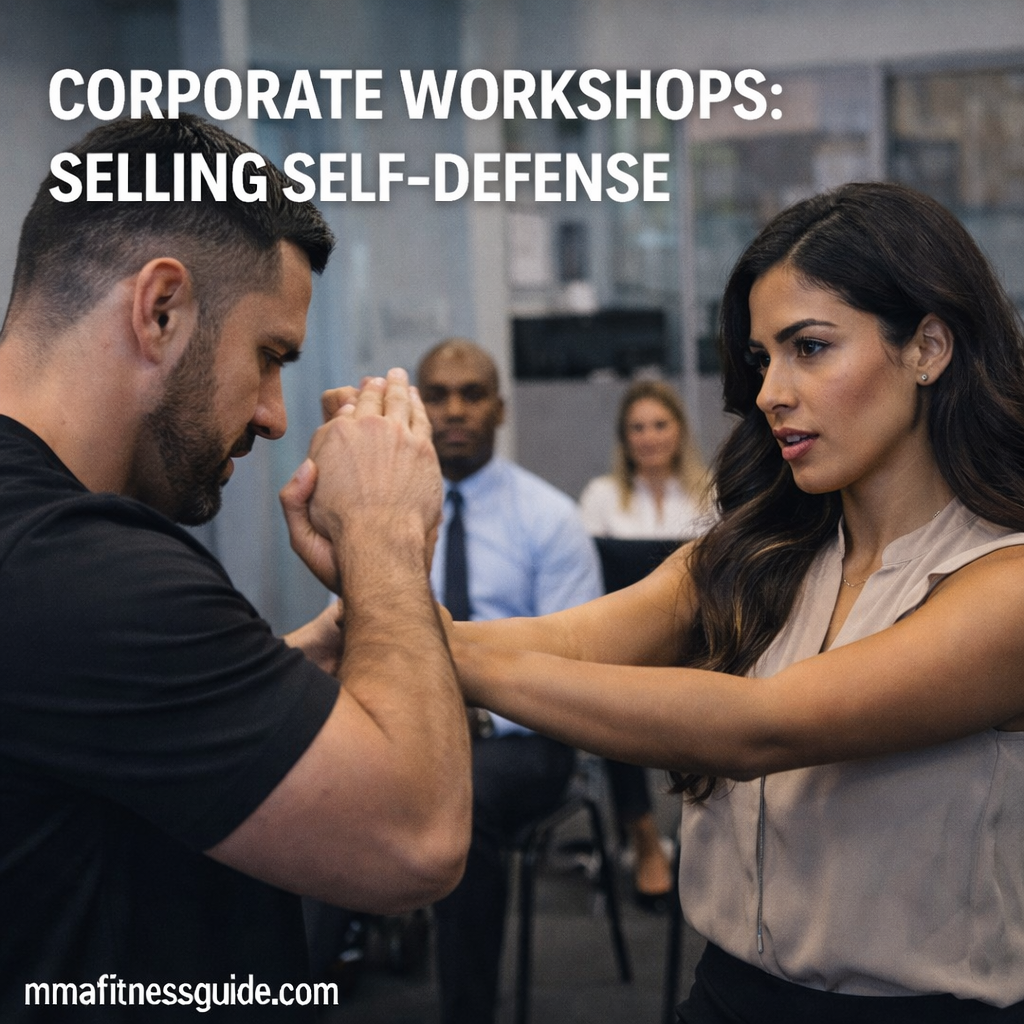
As MMA continues to gain mainstream acceptance, fighters, coaches, and gym owners are finding career opportunities far beyond competition and traditional training. One of the fastest-growing options is corporate workshops focused on self-defense, awareness, and personal safety.
Corporate self-defense workshops allow MMA professionals to monetize expertise, build credibility, and create stable income streams—while delivering real value to businesses and employees. This guide explains how MMA professionals can successfully sell, structure, and scale corporate self-defense workshops.
Why Corporations Want Self-Defense Workshops
Modern companies invest heavily in employee well-being, safety, and confidence. Self-defense workshops align naturally with these priorities.
Businesses seek workshops that:
- Improve employee confidence
- Address personal safety concerns
- Support wellness initiatives
- Reduce workplace anxiety
- Promote empowerment and awareness
MMA-based instruction offers credibility, structure, and practical value.
What Corporate Clients Are Really Buying
Corporate clients aren’t buying fights or techniques—they’re buying outcomes.
What companies value most:
- Confidence-building skills
- Situational awareness
- De-escalation strategies
- Clear communication under stress
- Practical safety education
Positioning matters more than technical complexity.
How MMA Professionals Should Frame Self-Defense
Language is critical in corporate environments.
Avoid framing workshops as:
- Combat training
- Fighting instruction
- Aggressive techniques
Instead, emphasize:
- Personal safety education
- Awareness and prevention
- Boundary setting
- Stress management under pressure
Professional framing builds trust and approval.
Types of Corporate Self-Defense Workshops
Different formats suit different organizations.
Introductory Safety Workshops
These focus on:
- Awareness and avoidance
- Body language and posture
- Verbal boundary setting
- Simple defensive concepts
Ideal for first-time clients.
Women’s Safety and Empowerment Sessions
Highly востребованы in corporate settings.
They often include:
- Scenario-based awareness
- Confidence training
- Escaping common holds
- Emotional resilience
These workshops emphasize empowerment over confrontation.
Team-Building and Stress Management Sessions
Self-defense concepts can support:
- Stress regulation
- Communication under pressure
- Decision-making
These sessions blend movement with mindset.
Structuring a Corporate Workshop
Corporations value organization and clarity.
Ideal Workshop Length
Most companies prefer:
- 60–90 minutes
- Clear start and end times
- Structured segments
Avoid overly long sessions.
Sample Workshop Structure
- Introduction and objectives
- Awareness and prevention concepts
- Practical movement drills
- Scenario discussion
- Q&A and takeaways
Keep sessions engaging but accessible.
Pricing Corporate Self-Defense Workshops
Pricing reflects professionalism, not gym class rates.
Common Pricing Models
- Flat rate per session
- Tiered pricing based on group size
- Package deals for multiple sessions
Avoid hourly rates tied to gym pricing.
Factors That Affect Pricing
- Group size
- Location (on-site vs off-site)
- Customization level
- Instructor credentials
Corporate pricing supports higher margins than standard classes.
Selling Workshops to Corporate Clients
Selling self-defense workshops requires a different approach than selling gym memberships.
Identify the Right Decision Makers
Target:
- HR managers
- Wellness coordinators
- Diversity and inclusion teams
- Corporate training departments
These roles control workshop budgets.
Emphasize Benefits, Not Techniques
Focus marketing on:
- Employee confidence
- Stress reduction
- Workplace safety
- Engagement
Results sell better than moves.
Use Clear, Professional Materials
Effective outreach includes:
- One-page workshop overview
- Clear learning outcomes
- Instructor credentials
- Simple pricing structure
Professional presentation builds trust.
Legal and Liability Considerations
Corporate environments require careful planning.
Insurance and Waivers
Ensure:
- Proper liability insurance
- Clear waivers if required
- Transparent safety guidelines
Corporations often ask for documentation.
Safety-First Instruction
Corporate workshops should:
- Avoid high-impact techniques
- Focus on control and awareness
- Prioritize participant comfort
Safety builds long-term relationships.
Scaling Corporate Workshop Offerings
Once demand grows, scalability becomes key.
Standardize Your Curriculum
Create:
- Repeatable lesson plans
- Clear learning objectives
- Consistent delivery
Standardization increases efficiency.
Train Additional Instructors
Scaling options include:
- Certifying trusted coaches
- Licensing curriculum internally
- Expanding geographic reach
This allows growth without burnout.
Branding and Reputation Building
Corporate workshops strengthen personal and gym brands.
Benefits include:
- Increased local visibility
- Strong professional credibility
- Media and referral opportunities
One successful workshop often leads to multiple referrals.
Common Mistakes MMA Professionals Make
Avoid these pitfalls:
- Over-teaching techniques
- Using aggressive language
- Underpricing services
- Treating workshops like gym classes
Corporate clients value clarity, confidence, and professionalism.
Long-Term Career Benefits
Corporate self-defense workshops offer:
- Stable income
- Flexible scheduling
- Reduced physical wear
- Broader professional identity
Many fighters transition into this space post-competition.
Why Corporate Workshops Are a Smart MMA Business Move
Unlike competition-based income, workshops:
- Scale easily
- Have predictable demand
- Build transferable skills
They offer sustainability in a demanding sport.
Final Thoughts
Corporate self-defense workshops allow MMA professionals to turn expertise into a scalable, professional income stream while making a meaningful impact. By focusing on awareness, empowerment, and professionalism, fighters and coaches can build long-term careers beyond the cage.
Selling self-defense isn’t about aggression—it’s about confidence, clarity, and safety. In today’s workplace culture, those skills are in high demand.