
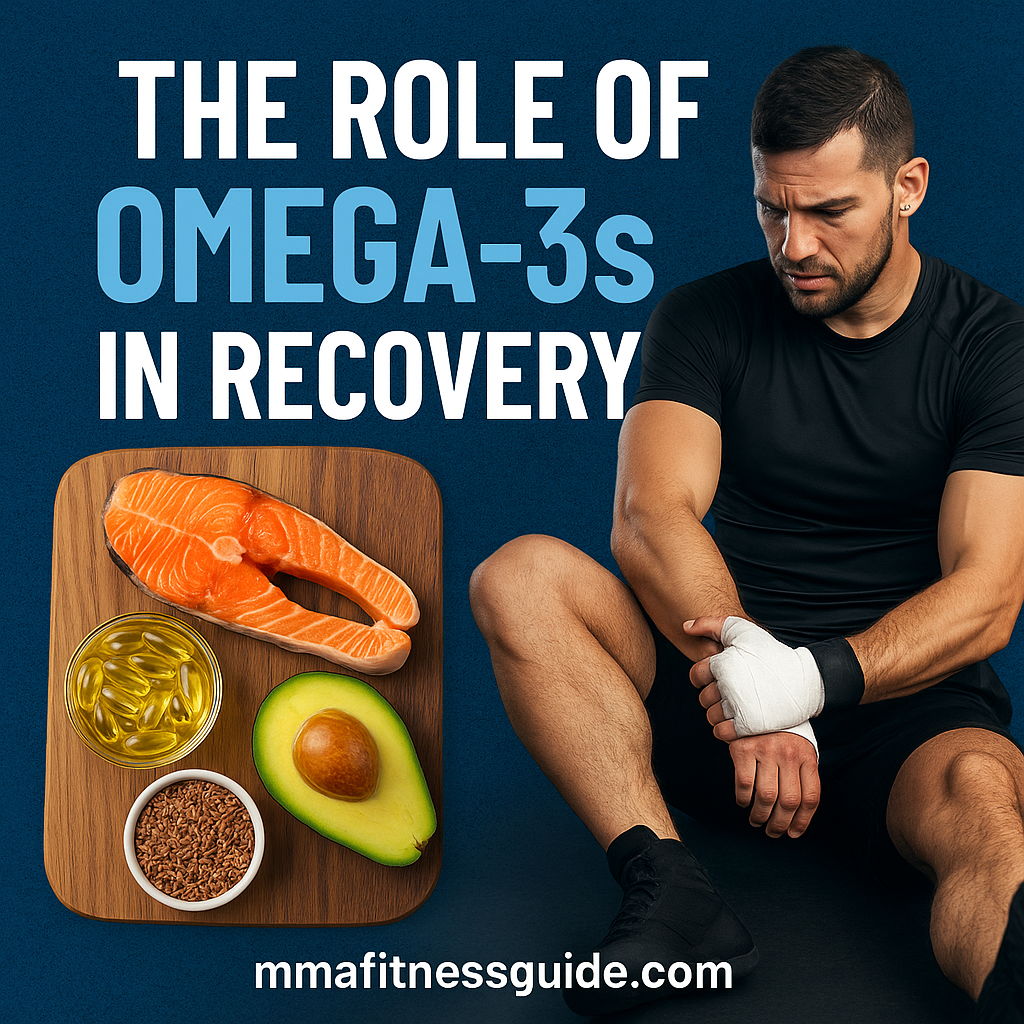
Why Omega-3s Matter for MMA Athletes
Recovery is where real progress happens in MMA. Hard training breaks the body down — recovery rebuilds it stronger. Omega-3 fatty acids are one of the most powerful nutrition tools for reducing inflammation, boosting joint health, sharpening mental clarity, and supporting long-term performance.
Most fighters focus on protein, electrolytes, and carbs for recovery. Omega-3s often get overlooked, yet they play a direct role in how fast you bounce back between grappling rounds, striking sessions, and strength work.
Understanding how these fatty acids work can give you a serious edge.
What Omega-3s Actually Are
Omega-3s are essential fatty acids — meaning your body cannot make them on its own. You have to get them from food or supplements.
The most important omega-3s for athletes are:
- EPA (Eicosapentaenoic acid) – primarily reduces inflammation
- DHA (Docosahexaenoic acid) – supports brain function, reaction time, and focus
- ALA (Alpha-linolenic acid) – plant-based omega-3, but less efficiently used by the body
EPA & DHA (from fish) are the key players for recovery.
How Omega-3s Reduce Inflammation
Hard training creates micro-tears in muscle tissue, stress on joints, and systemic inflammation. Too much inflammation = slower recovery.
Omega-3s reduce inflammation by:
- Lowering inflammatory markers like CRP
- Improving blood flow to damaged muscles
- Supporting the rebuilding process at the cellular level
- Helping fight oxidative stress from high-volume workouts
For fighters who spar often — especially those dealing with joint stiffness or swelling — omega-3s can make recovery noticeably smoother.
Benefits for Joint Health and Mobility
Striking and grappling put major stress on:
- Knees
- Hips
- Shoulders
- Wrists
- Ankles
EPA-rich omega-3s help lubricate joints and reduce stiffness by:
- Supporting joint fluid production
- Lowering cartilage inflammation
- Improving connective tissue resilience
This means easier movement during warm-ups, better mobility in scrambles, and fewer lingering aches after hard training.
Brain Health: A Hidden Performance Advantage
MMA is not just physical — it requires focus, timing, fight IQ, and emotional control. DHA is a major building block of brain tissue.
Omega-3s support mental performance by:
- Improving reaction time
- Supporting memory and focus
- Enhancing mood regulation
- Reducing mental fatigue during long sessions
Athletes often notice they feel “sharper” when omega-3 levels are optimized.
Muscle Recovery and Growth
Omega-3s indirectly support muscle recovery by:
- Improving amino acid uptake
- Enhancing muscle protein synthesis
- Reducing delayed-onset muscle soreness (DOMS)
This means your body can return to hard training quicker, with less stiffness and fatigue.
Heart and Endurance Benefits
EPA and DHA also improve cardiovascular health, which translates to:
- Better endurance
- Improved blood flow during high-intensity cardio
- Lower resting heart rate
- Improved oxygen delivery to muscles
This matters when you’re pushing through long conditioning rounds or high-volume pads.
Immune Support for Fighters
Heavy training can weaken the immune system temporarily. Omega-3s help by:
- Supporting white blood cell function
- Reducing inflammation-driven immune suppression
- Helping maintain overall system balance
This lowers the risk of getting sick during fight camp or intense training cycles.
Best Sources of Omega-3s
Top food sources (EPA & DHA):
- Salmon
- Sardines
- Mackerel
- Herring
- Anchovies
- Trout
Aim for 2–3 servings of fatty fish per week.
Plant-based sources (ALA):
- Chia seeds
- Flaxseed
- Walnuts
- Hemp seeds
- Algal oil (best plant-based EPA/DHA source)
ALA converts poorly to EPA/DHA, so plant-based athletes often supplement with algal oil.
How Much Omega-3 Should MMA Athletes Take?
General guidelines:
- 1,000–2,000 mg of EPA + DHA per day for regular training
- 2,000–3,000 mg daily for fighters in heavy camp or dealing with joint inflammation
Always check dosage on labels — many supplements list total fish oil, not actual EPA/DHA content.
When to Take Omega-3s
Omega-3 timing is flexible, but the most common approaches are:
- With meals (improves absorption)
- Post-workout, paired with protein or whole food
- Split doses morning + evening for steady levels
Consistency matters more than exact timing.
Signs You May Need More Omega-3s
Common symptoms of deficiency include:
- Joint stiffness
- Slower-than-normal recovery
- Brain fog
- Easily inflamed muscles
- Dry skin
- Low mood or irritability
Fighters who don’t eat much fish often fall into this category.
Should You Supplement Omega-3s?
Supplementation is beneficial if:
- You don’t eat fish regularly
- You’re in an intense training phase
- You deal with chronic joint pain
- You want sharper focus and quicker recovery
- You’re cutting weight and nutrient intake is limited
Good supplements include:
- Fish oil (high EPA split)
- Krill oil (smaller doses, high absorption)
- Algal oil (best vegan option)
Look for products labeled:
- IFOS certified
- Third-party tested
- High EPA/DHA concentration
Omega-3s and Weight Cutting
Omega-3s can help during weight cuts by:
- Reducing inflammation from calorie restriction
- Stabilizing mood and focus
- Helping with skin and joint dryness
- Supporting recovery even during low-carb phases
Just avoid flavored oils if they add unnecessary calories.
Potential Side Effects
Omega-3s are very safe, but mild issues can include:
- Fishy aftertaste (try enteric-coated capsules)
- Mild stomach upset (take with food)
- Blood-thinning interaction at very high doses (3,000 mg+ daily)
For most athletes, omega-3s are well-tolerated.
Final Thoughts
Omega-3 fatty acids are one of the most effective, evidence-based nutrients for improving recovery, joint health, inflammation control, and mental sharpness. For MMA athletes who train hard and often, they provide an edge that shows up in performance, consistency, and long-term health.
Add omega-3s to your recovery toolkit and your body — and brain — will thank you.